Last updated November 17, 2026






Free written scope consultation - allowances, timeline, and change-order rules on paper before a single trade is scheduled
How to Hire a Construction Contractor in Fremont: A Step-by-Step Guide
The bid isn’t where Fremont homeowners get burned. It’s the third week of a project, when a verbal “while we’re in there” conversation turns into a $4,000 line item nobody agreed to in writing. We’ve watched that scene play out enough times to know that picking a contractor is not a shopping problem – it’s a verification problem. This guide covers the five specific moments in a Fremont contractor relationship where honest operators separate themselves from the ones who will cost you money, time, and sleep. You’ll learn how to read a license, a contract, an insurance certificate, and a final walkthrough like someone who’s done it before.
Quick Answer
To hire a construction contractor in Fremont, verify their CSLB license number and classification, confirm general liability and workers’ comp coverage on their certificate, and demand a written contract that ties payments to milestones and requires written change orders before any scope change. Pull every permit in your name with the contractor as the responsible party, never yourself. The three things that protect you most: a live license number, a certificate of insurance you can read, and a signature on every change.
Styles & brands we work with
- Kitchen remodeling
- Bathroom remodeling
- Home additions & ADU
- Roofing
- Windows & doors
- Driveway & pavers
- Fence
Table of Contents
- Step 1: Verify the License on the CSLB Site in Under Three Minutes
- Step 2: The Contract Language That Protects Fremont Homeowners
- Step 3: Why Pulling the Permit Yourself Is a Red Flag
- Step 4: How to Read an Insurance Certificate Yourself
- Step 5: The Final-Day Walkthrough Checklist
- What Changes by Fremont Neighborhood
- Common Mistakes to Avoid
- When to Call a Professional
Step 1: Verify the License on the CSLB Site in Under Three Minutes
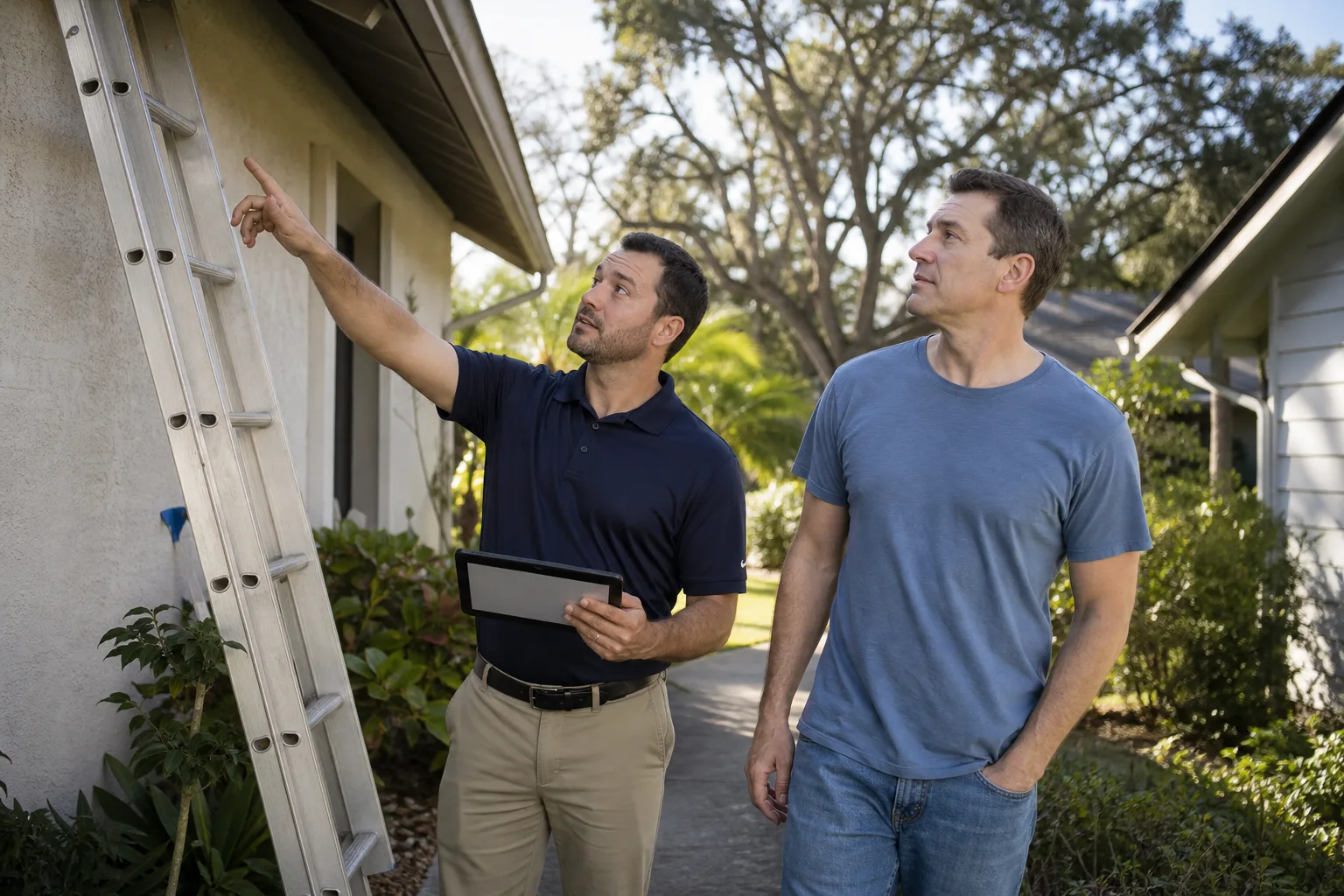
Every licensed contractor in California has a number, and the Contractors State License Board publishes it. Open the CSLB license search, type the number or the business name, and read the result. Three minutes is all it takes, and it’s the first thing we’d do if we were hiring somebody in Fremont tomorrow.
Here’s what to look at on that page, in order:
- Active status. “Active” is the only status you want. “Expired,” “suspended,” or “canceled” means walk away, no matter how good the referral was.
- Classification. The letter code tells you what kind of work the license covers. A General Building Contractor (B) handles whole-project oversight and can take a job involving multiple trades. A General Engineering Contractor (A) works on infrastructure and site work. Specialty classifications run the trades – C-39 for roofing, C-36 for plumbing, C-10 for electrical, C-27 for landscaping. A roofer holding only a B license on a roof-only job is a question worth asking.
- Bond and workers’ comp status. The CSLB page lists the contractor’s bond and whether they carry workers’ comp. If workers’ comp shows “exempt,” that’s only legal if they have no employees. Ask.
- Complaints and disciplinary actions. The page discloses them. One old complaint from 2011 that was resolved is different from three pending ones from last year.
While you’re in the search, look up the business address and the name attached to the license. In Fremont, a contractor who lists a PO box and a mailbox phone number is a different animal than one who lists a street address you can drive past. Our own license number, address, and name are published for exactly this reason – look it up before you sign anything. If the name on the license doesn’t match the name on the bid, you’re talking to somebody who is either unlicensed or borrowing someone else’s paper.
Step 2: The Contract Language That Protects Fremont Homeowners
A California home improvement contract over $500 is required to be in writing, and it’s required to contain specific elements under Business and Professions Code section 7159. That’s the law. What the law doesn’t do is protect you from a contract that technically complies and still leaves you exposed. Three clauses do the real work.
Written change orders before work begins
Any scope change, any material substitution, any “while we’re in there” – gets a written change order with a price, signed by you, before the crew touches it. Not after. Not “we’ll settle up at the end.” We put it this way: an allowance that isn’t on paper is a surprise waiting for a date. Your contract should say the same thing in writing. If the contractor pushes back on this, that’s your answer about how the project will go.
Payment schedule tied to milestones, not calendar dates
California caps the down payment on a home improvement contract at 10% or $1,000, whichever is less, plus the cost of any materials delivered to the site. Beyond that, payments should follow completed work. A schedule that says “30% on signing, 30% at week three, 40% at completion” is a calendar schedule. A schedule that says “10% at signing, 25% at rough framing inspection, 25% at rough trades sign-off, 30% at finish, 10% at final walkthrough” is a milestone schedule. The second one protects you. Ask for it.
Lien release requirements
In California, subcontractors and suppliers who don’t get paid can file a mechanics lien against your property – even if you paid the general contractor in full. The contract should require the contractor to provide a conditional lien release with each progress payment and an unconditional final lien release at closeout. If your contract is silent on liens, add it.
If you’re planning a project of any size in Fremont, whether it’s an addition or a smaller build like a home addition or ADU in Fremont, these three clauses matter more than the total price on the bid. A contractor who won’t put them in writing isn’t cheaper. He’s just deferring the argument.
Step 3: Why Pulling the Permit Yourself Is a Red Flag
If a contractor suggests you pull the permit in your own name to “save time” or “save money,” the correct response is no. Here’s why. The permit pulls the inspection schedule, and inspections are the only independent check on the work. When the contractor pulls the permit as the responsible party, the inspector reviews the work with an eye on the licensed professional who signed off. When you pull it, you become the responsible party – for compliance, for rework if the inspection fails, and for any disclosure issues when you sell the home.
The downstream problems show up at resale and at claim time:
- Liability shifts to you. If the work is out of code, the building department comes to the permit holder. That’s you, not the contractor.
- Warranty coverage weakens. A manufacturer’s warranty on a roof, a window, or a paver system can be denied when the installation wasn’t permitted or inspected. GAF and CertainTeed, for example, tie enhanced warranty coverage to proper installation documentation.
- Home sale disclosure. Fremont buyers and their agents pull permit history on every property. Unpermitted work shows up, and it can kill a sale or shave thousands off the offer.
- Insurance claim exposure. If a fire or water loss traces to unpermitted work, your homeowner’s policy may limit or deny the claim.
Alameda County and the City of Fremont both have online permit portals. Look up the permit history on your own address before you hire anyone. Then confirm in the contract that the contractor will pull every required permit and that final inspection sign-off is a condition of final payment. The permit inspector works for you, not the contractor – that’s why we like him. A contractor who doesn’t feel the same way is telling you something.
Step 4: How to Read an Insurance Certificate Yourself
Ask for a certificate of insurance and read it. Not the letterhead – the numbers. Two of them matter most.
General liability limit. This covers damage to your property and injuries to third parties from the work. A common commercial minimum is $1 million per occurrence and $2 million aggregate. On a small repair, $1 million is generally enough. On a whole-home addition in Fremont, ask for $2 million. Anything under $1 million on a project above a few thousand dollars is thin.
Workers’ comp status. California requires workers’ comp for any employer with one or more employees. The certificate lists the carrier and the policy effective dates. If the certificate says “exempt,” the contractor is claiming no employees – which means anyone on your site is legally a subcontractor or an owner. Ask. In Fremont, we’ve seen homeowners discover mid-project that the “employee” who got hurt on their property had no workers’ comp coverage, and their homeowner’s policy was suddenly on the hook.
Two more things to check on the certificate:
- Your address as certificate holder. The certificate should be issued with your name and address listed, and should show they’ll notify you if the policy cancels.
- Effective dates. If the policy expires in the middle of your project, you want to know before the expiration date, not after.
Call the insurance carrier’s number printed on the certificate and confirm the policy is active. That takes ninety seconds and has caught forged certificates in this county more than once. Any legitimate contractor expects the call.
Step 5: The Final-Day Walkthrough Checklist
The last truck leaving is your deadline to collect documents. Once the crew has gone, getting paperwork out of them gets harder. Walk the job with the lead on site, note everything, and don’t let anyone leave until the list below is in your hands.
- Final inspection card and sign-off. If the job required a permit, you should have the signed final inspection card, or the online record showing inspection passed with date and inspector name.
- Unconditional final lien release. Signed by the general contractor and every subcontractor or supplier who worked on the project. No conditional language. This is the document that prevents a mechanics lien later.
- Manufacturer warranty registrations. GAF or CertainTeed roof warranties, Andersen or Marvin window documentation, KraftMaid or Cambria care and warranty materials – filed with the manufacturer in your name, with the registration number on it.
- Operation and maintenance packet. Manuals for anything installed – the ADU mini-split, the tankless water heater, the garage door opener. Plus any finish product labels so you can match them.
- Punch list, signed and dated. Anything not finished gets written down with a completion date before the contractor leaves. Verbal “we’ll swing back” doesn’t count.
- Certificate of completion with holdback noted. Final payment should be released after the punch list is closed and the lien releases are in hand, not the day the crew leaves.
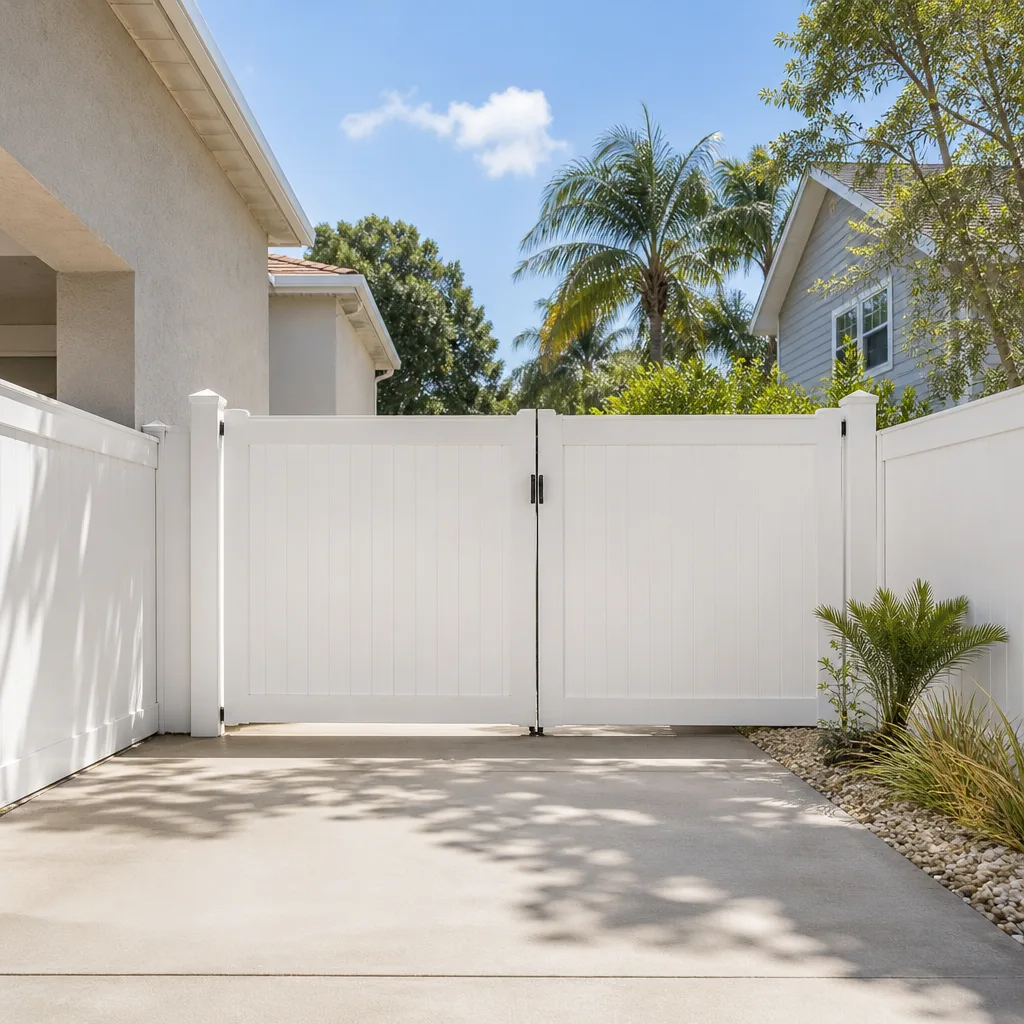
Walk the site in good light and take photos. Run the faucets, flip every switch, open every window, test the slope and drainage on any paving you had installed. If a driveway or paver surface is part of your job, check whether it’s driveway and pavers in Fremont installation done correctly – that means a compacted base depth, proper pitch, and no ponding when you run a hose over it. And if you had a fence built, test every gate swing and check the post setting before the truck leaves. Fences catch wind in the Fremont hills and fail at the posts first; the fence installation in Fremont pages on our site cover the base and post details to check.
What Changes by Fremont Neighborhood
Fremont isn’t one market. Hiring the right contractor in Niles isn’t the same as hiring in Ardenwood or the Mission district, and the differences show up in permits, materials, and what to inspect.
Mission San Jose and the historic districts. Exterior work near the old mission and along the historic corridors can trigger design review or historical review. A contractor who has worked Fremont’s older neighborhoods knows when to ask before bidding.
Niles. The vintage housing stock in Niles means older wiring, older plumbing, and foundation conditions that catch contractors off guard. This is where reading the CSLB specialty classification really matters – you want a contractor comfortable working with a house that was built before 1950.
Ardenwood, Warm Springs, and the newer development areas. Newer construction means specific manufacturer warranty requirements and HOA design approval. Roof replacements and window replacements often require HOA pre-approval, and using the wrong product – say, a style of window that isn’t on the HOA-approved list – can lead to a removal order after installation.
The Fremont hills. Wind exposure changes everything above the flats. Shingle ratings matter more (look for a 110 or 130 mph rating), fence post depth increases, and paver base compaction needs to be verified with a plate compactor, not just eyeballed. If your project is in the hills, ask specifically how the contractor handles wind uplift requirements.
Centerville and Irvington. Mixed-age housing stock and smaller lots. Access and staging are the real constraints. A contractor who plans material delivery and dumpster placement into the bid has thought about it. One who shows up and then asks where to park hasn’t.
If your project sits in one of the ADU-eligible zones, look at what’s now getting built in Fremont – modular and prefab firms like Abodu, Cover, Dvele, and Mighty Buildings have been active here, and the site work, foundations, and utility connections still need a licensed general contractor to coordinate. We’ve coordinated a number of those, and the oversight work at your property line matters every bit as much as the unit that shows up.
Common Mistakes to Avoid
- Calling three contractors and picking the middle bid. The middle bid tells you nothing. Bid comparison only works if all three bids are line-itemed with matching scope. Otherwise you’re comparing a roof replacement to a roof patch.
- Letting the license slide because the referral was good. Referrals are useful. Five minutes on the CSLB site is cheaper than a rework estimate in Fremont, and there’s no referral in the world that overrides a suspended license.
- Paying a large deposit up front because “we need it for materials.” California caps the down payment at 10% or $1,000 on a home improvement contract. Anything above that, unless it’s for materials delivered to site and documented, is outside the code.
- Approving a verbal change order. The number that shows up at the end of the project is always bigger than the number discussed on site. Written change orders, signed before work starts, or the work doesn’t start.
- Assuming the contractor’s insurance covers their crew. Ask. Read the certificate. Call the carrier. Workers’ comp is the difference between “their policy covers this” and “your homeowner’s policy covers this.”
- Skipping the permit to save a few hundred dollars. In Fremont, unpermitted work shows up in the sale, in the appraisal, and in the claim. Saving $400 on a permit that later costs $4,000 to correct is a bad trade.
- Releasing final payment before the punch list is closed. Hold the final payment until the punch list is done, the final inspection signed, and the lien releases are in your hands. That’s the leverage that gets the last 5% finished.
When to Call a Professional
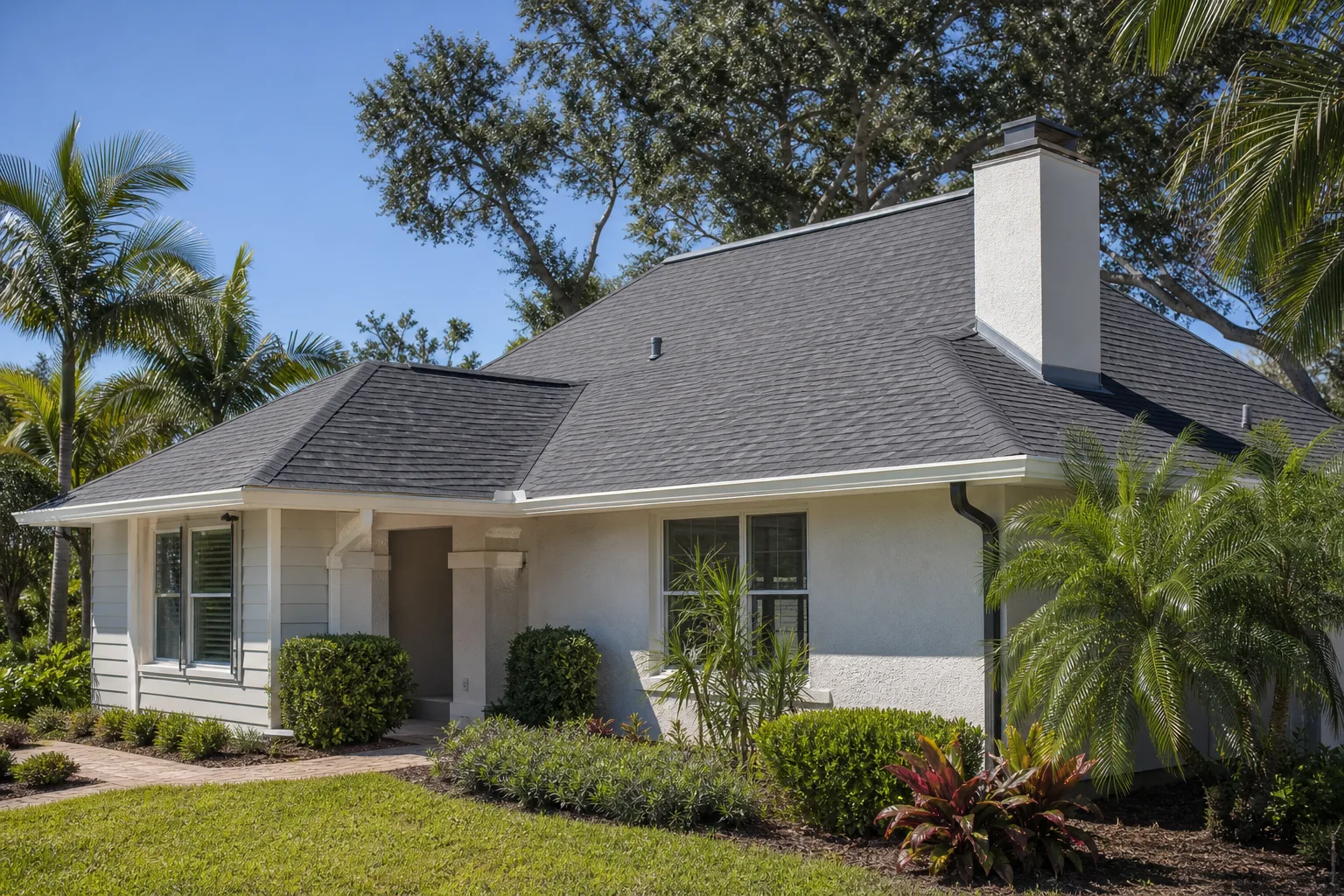
Some jobs in Fremont sit squarely in the “hire a licensed contractor” column. Anything requiring a permit, anything involving structural framing, anything touching gas lines, electrical service panels, or high-voltage circuits, and anything on a roof with more than a gentle pitch. Roof work in particular is not a homeowner project: a fall from a two-story roof in Fremont is a hospital trip, and roof warranty coverage on GAF and CertainTeed systems depends on installation by qualified professionals. ADU work, additions, and anything that changes the footprint of the house belong in the same category.
Smaller jobs – a fence section, a bit of interior paint, a paver walkway – are sometimes reasonable for a homeowner to tackle. What isn’t reasonable is guessing on the buried parts: base depth on pavers, post depth on fences, and the layer of work you can’t see once the finish goes on. That’s where a licensed contractor earns their fee. Barrett & Sons Construction Fremont offers free estimates in Fremont – call (833) 620-6162. Every estimate is a written line-item quote with allowances spelled out, and every eligible job includes permits pulled and inspections signed.
See the difference
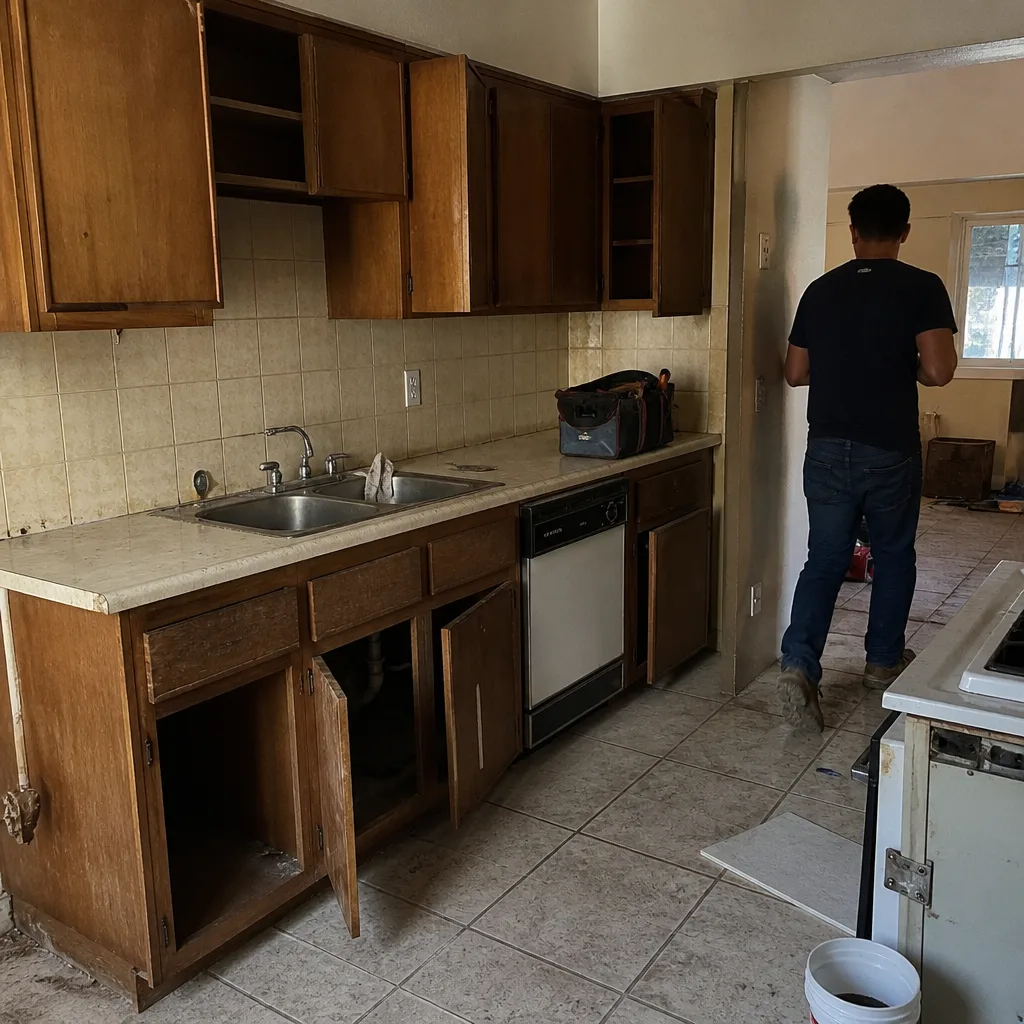 Before
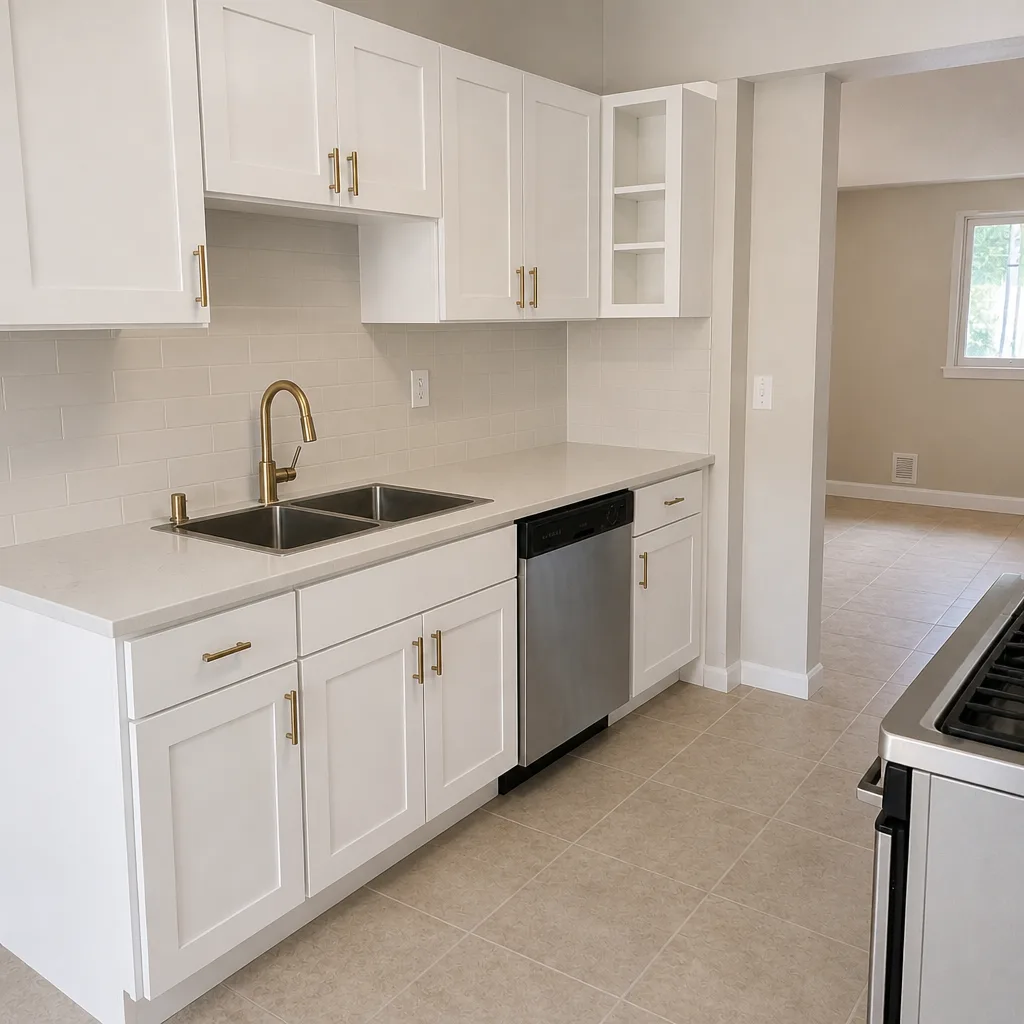 After
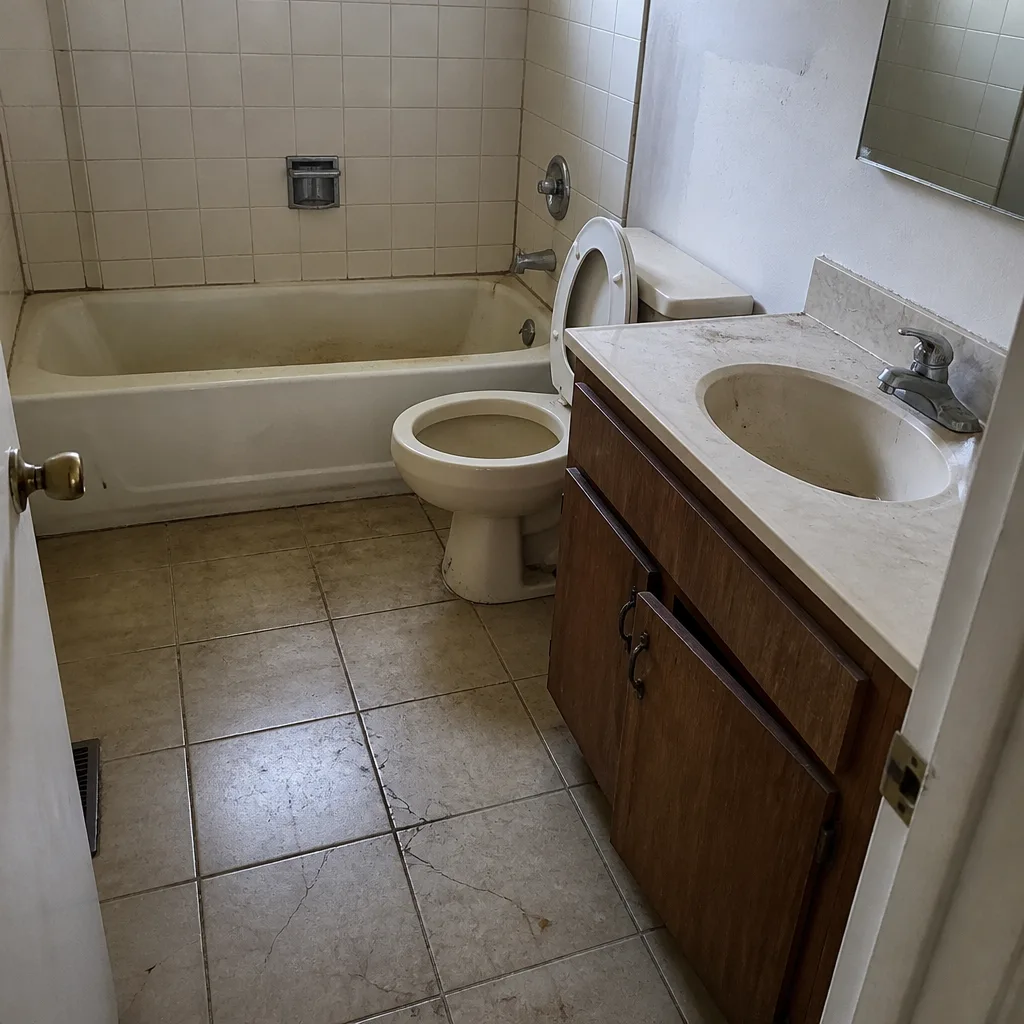 Before
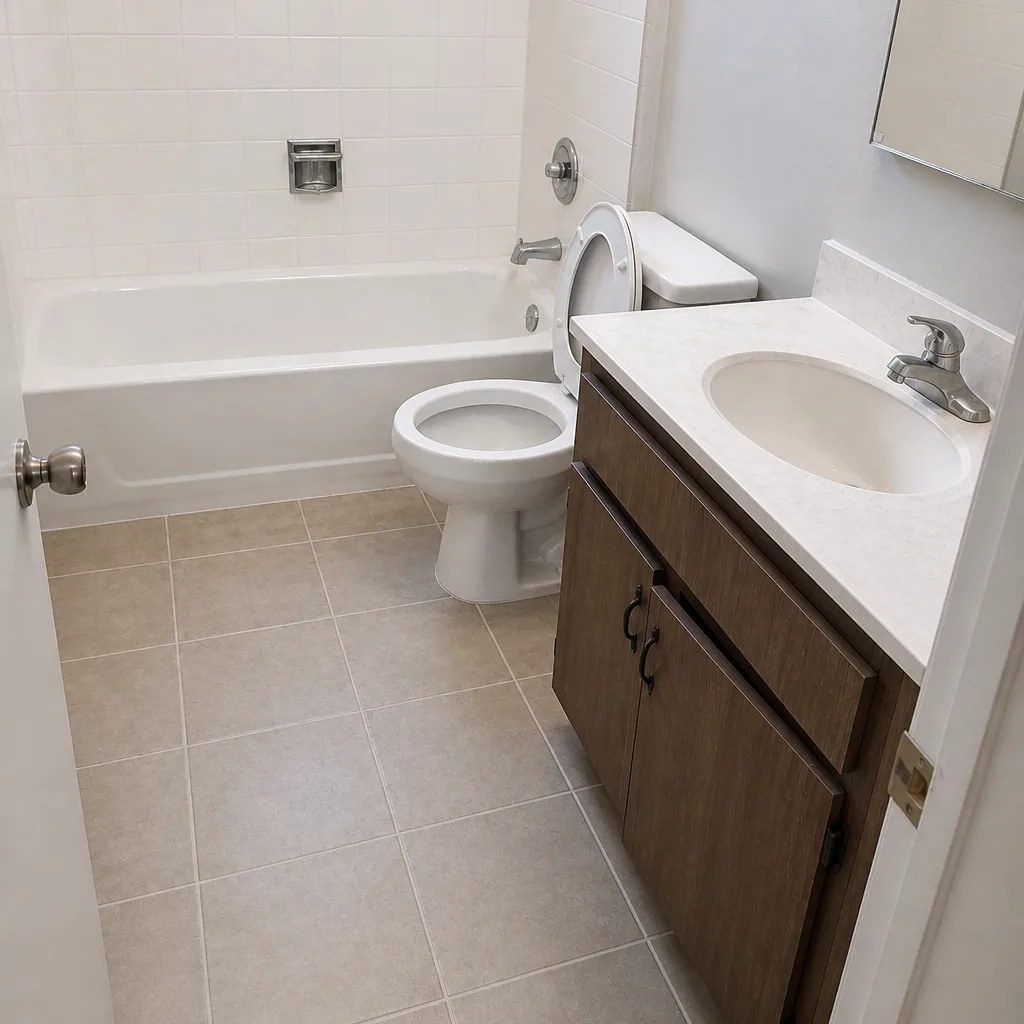 After
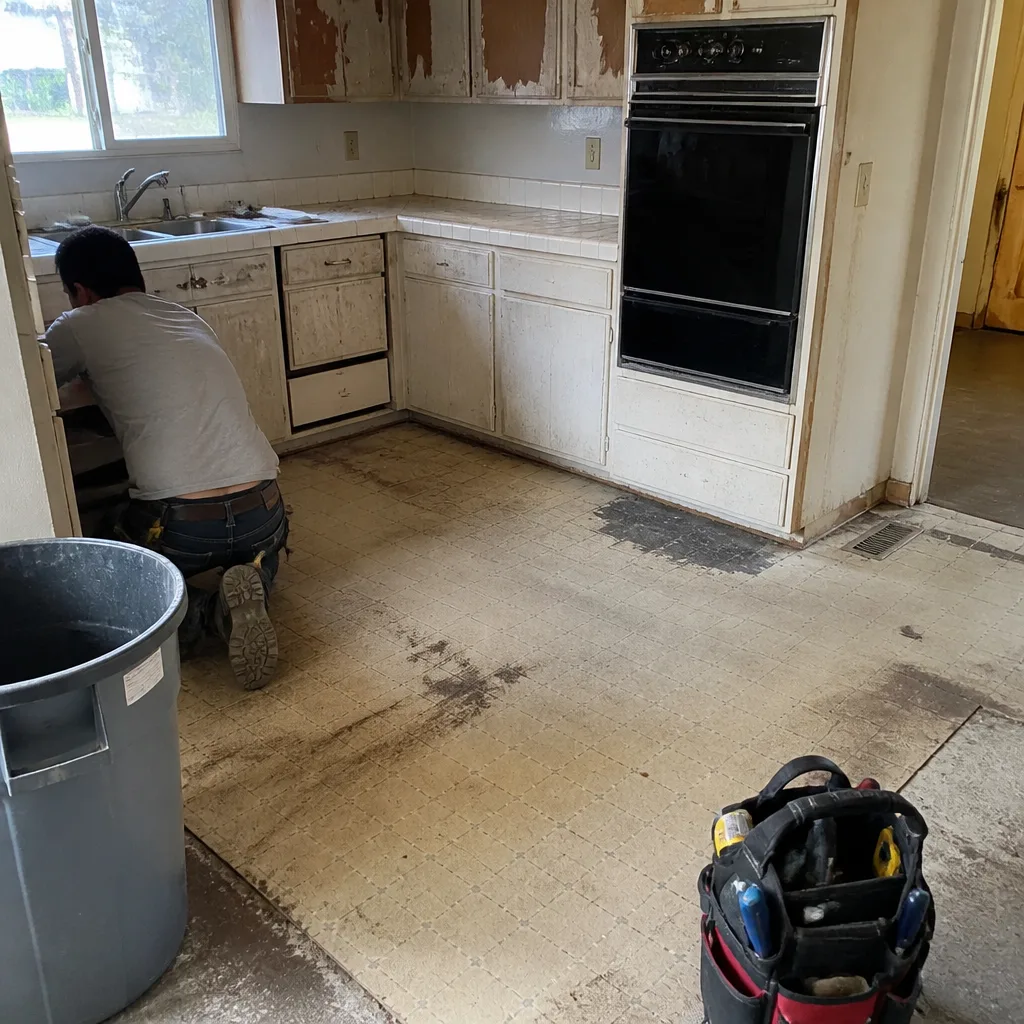 Before
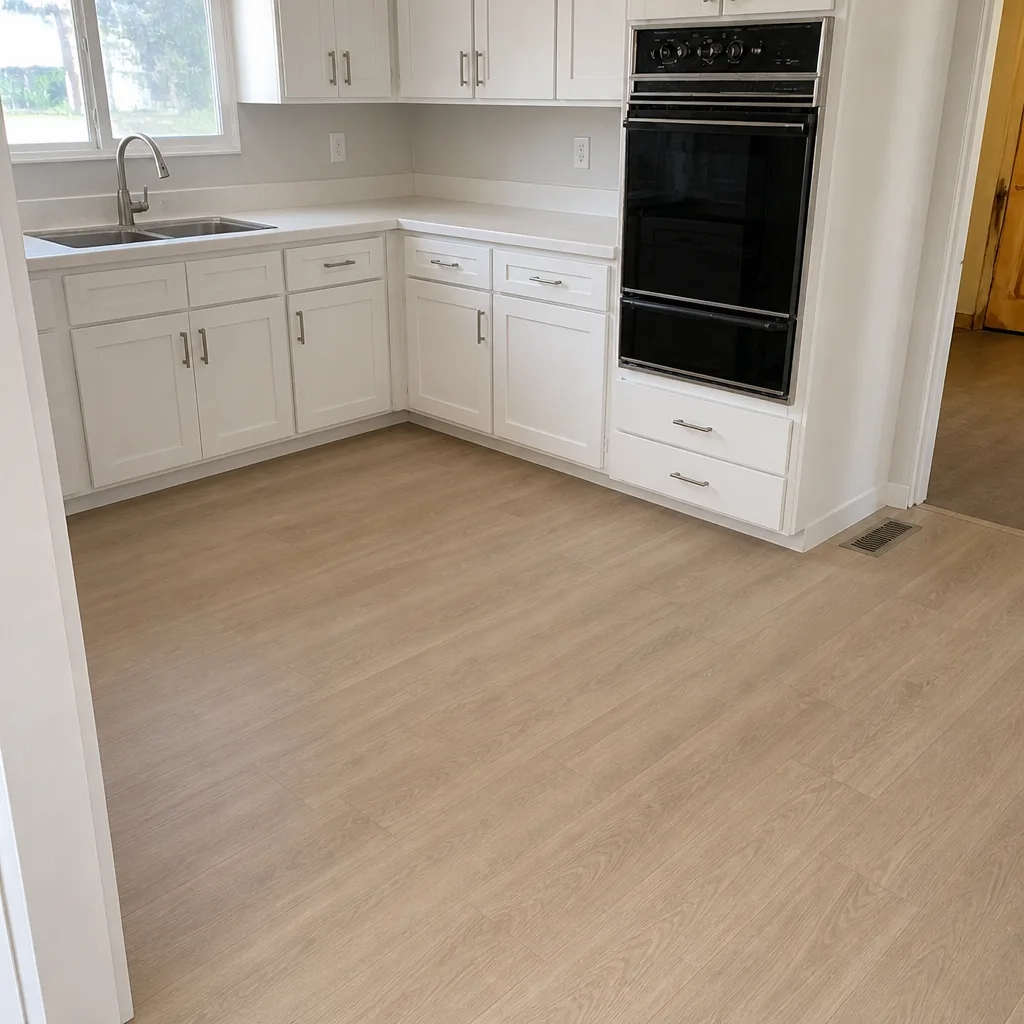 After
Frequently Asked Questions
Construction contractor pricing in Fremont runs from roughly $75 to $150 per hour for labor on a cost-plus basis, or a fixed bid tied to scope. A small bathroom remodel typically lands between $18,000 and $40,000 depending on fixture grade and layout changes; a roof replacement on a typical 1,500-square-foot Fremont home runs about $12,000 to $22,000 for asphalt shingle with proper underlayment, flashing, and haul-away. The bid is only meaningful if it’s line-itemed. Call (833) 620-6162 for an exact quote on your project – estimates are free, and we’ll put the allowances on paper.
The contractor should pull the permit in their own name as the responsible party, not yours. When you pull the permit, you become the responsible party for code compliance and rework if an inspection fails, which protects nobody but the contractor. Fremont and Alameda County both allow the licensed contractor to pull as the responsible party on residential work, and a contractor who wants you to pull it yourself is asking you to shoulder their liability. That’s a red flag.
Look for the general liability limit and the workers’ comp status. A minimum of $1 million per occurrence and $2 million aggregate is standard for residential work in Fremont; ask for $2 million on larger additions. If workers’ comp shows “exempt,” the contractor is claiming no employees, and you should ask who is actually on your site. Confirm the certificate lists your name and address as certificate holder and shows the carrier will notify you of cancellation. Then call the carrier and verify. Call (833) 620-6162 if you want us to walk you through what a certificate should look like.
Not without a written change order signed before the work proceeds. The price on a written line-item quote holds on the scope it describes, and any change in scope – a material upgrade, a discovered condition behind a wall, a “while we’re in there” addition – should arrive as a written change order with a price before any work begins. If a contractor tells you they’ll “settle up at the end,” they’ve told you what the end of the project will look like. Call (833) 620-6162 to get a written quote with all allowances itemized.
Permit timelines are the biggest variable. A kitchen remodel in Fremont typically takes four to eight weeks of construction once permits are in hand, and permits usually add two to six weeks to the front end. A roof replacement is usually two to four days. An addition or ADU runs six to twelve months depending on site work, utility connection, and inspection schedules. Get the schedule in writing in the contract, with the milestone dates on it, so you know what’s expected.
A mechanics lien is a claim against your property by a subcontractor or supplier who wasn’t paid, even if you paid the general contractor in full. You protect yourself by requiring the contractor to provide a conditional lien release with each progress payment and an unconditional final lien release, signed by every sub and supplier, before final payment is released. If your contract doesn’t require this, add it before you sign. Call (833) 620-6162 and we’ll show you what the release forms look like.
The Bottom Line
The Fremont homeowners who come out of a project happy didn’t have better luck. They did five specific things: they looked up the license, they read the contract for change orders and milestone payments, they refused to pull the permit themselves, they called the insurance carrier, and they held final payment until the walkthrough documents were in hand. Anyone can do those five things in an afternoon. A contractor who answers those five checks clearly and in writing is worth the price. One who avoids them, however friendly the bid, will cost you more than the estimate ever showed. Look at our Barrett & Sons Construction Fremont home page for how we handle these exact points on every job, and if you’re still deciding between a repair and a bigger project, that page walks the trade-offs too.
Ready to hire with the paperwork in hand? Call (833) 620-6162 for a free estimate on your Fremont project. Every quote is line-itemed, every allowance is on paper, every eligible job gets permits pulled and inspections signed, and every price change arrives as a written change order before any work begins.
Written by the team at Barrett & Sons Construction Fremont.