
Free written scope consultation - allowances, timeline, and change-order rules on paper before a single trade is scheduled
Atlas Fence Installation: The Fremont Owner’s Guide
We install Atlas-compatible residential fencing throughout Fremont, and installed pricing for a typical yard runs $3,500 to $9,000 depending on fence type, linear footage, and site conditions. We can often schedule the work within the same week once the permit clears, and we pull that permit on your behalf. Most Fremont owners find us after walking out to their side gate and noticing a leaning post, a sagging top rail, or hardware that has rusted through at the hinge point. If you have an Atlas product on your property and it’s failing, this page is built for that exact problem.
Key Takeaways
- Installed Atlas-compatible fence projects in Fremont: $3,500 to $9,000.
- Aluminum and vinyl are the two main paths for Atlas-style residential jobs.
- Every eligible project includes permits pulled and inspections signed before we call the job done.
- The 90-Day Done Right Promise is written on every contract, and one call brings Tom back if something’s off.
Which Atlas Models This Applies To
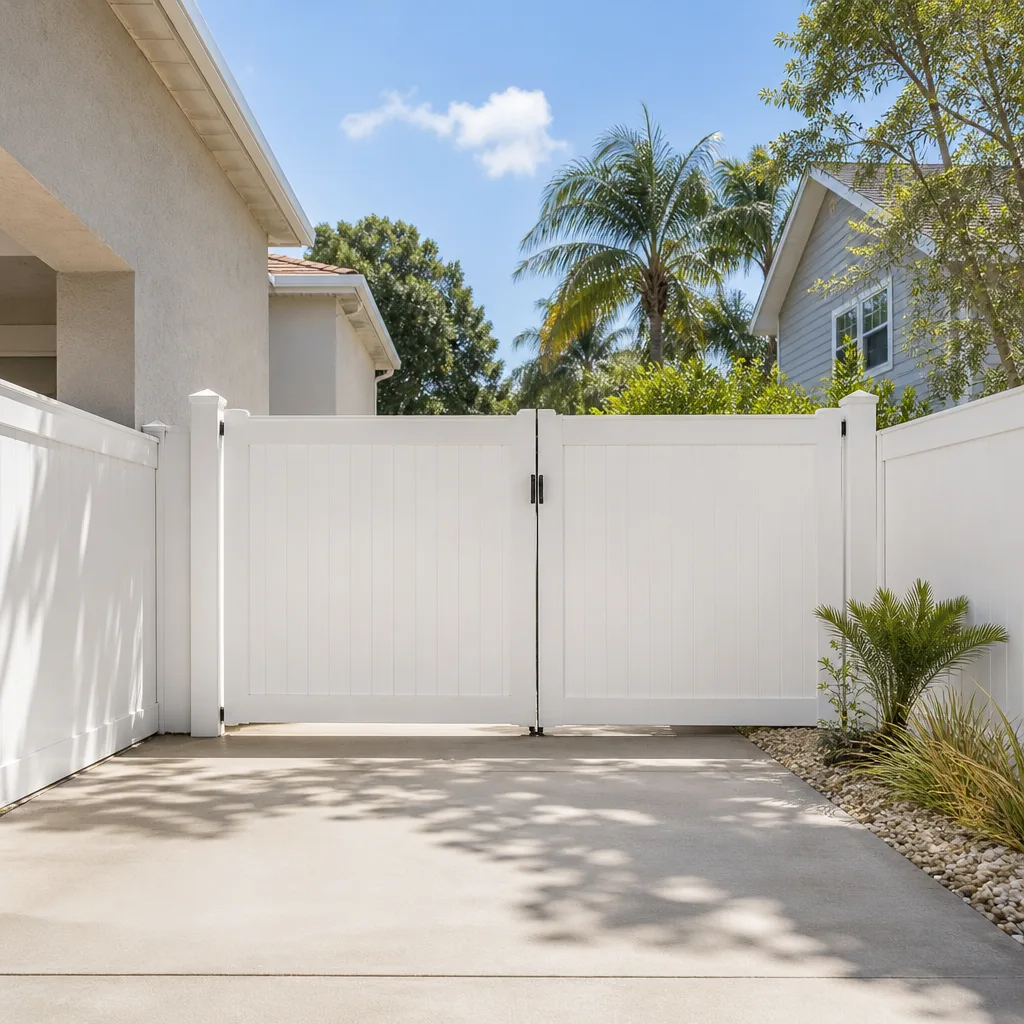
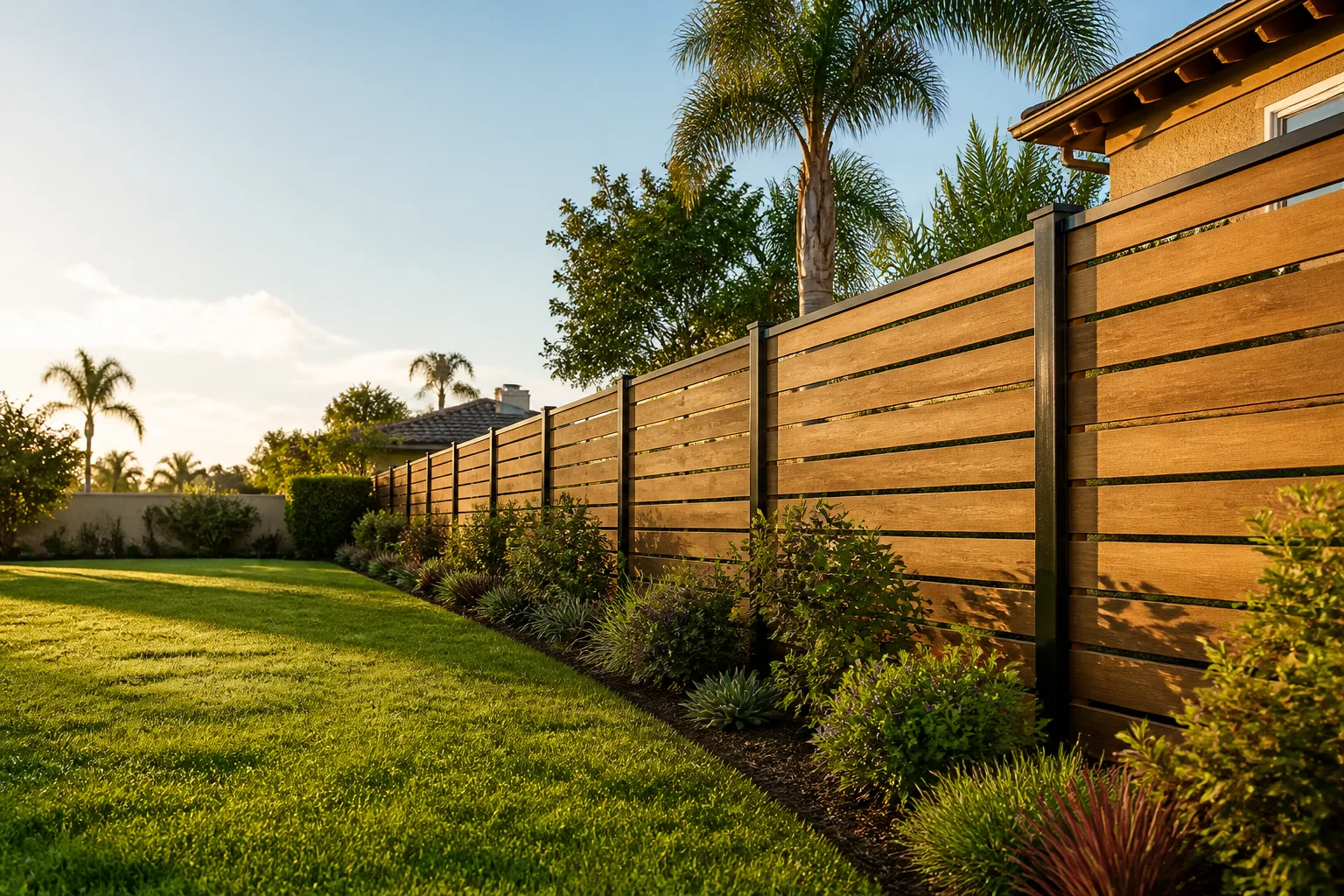
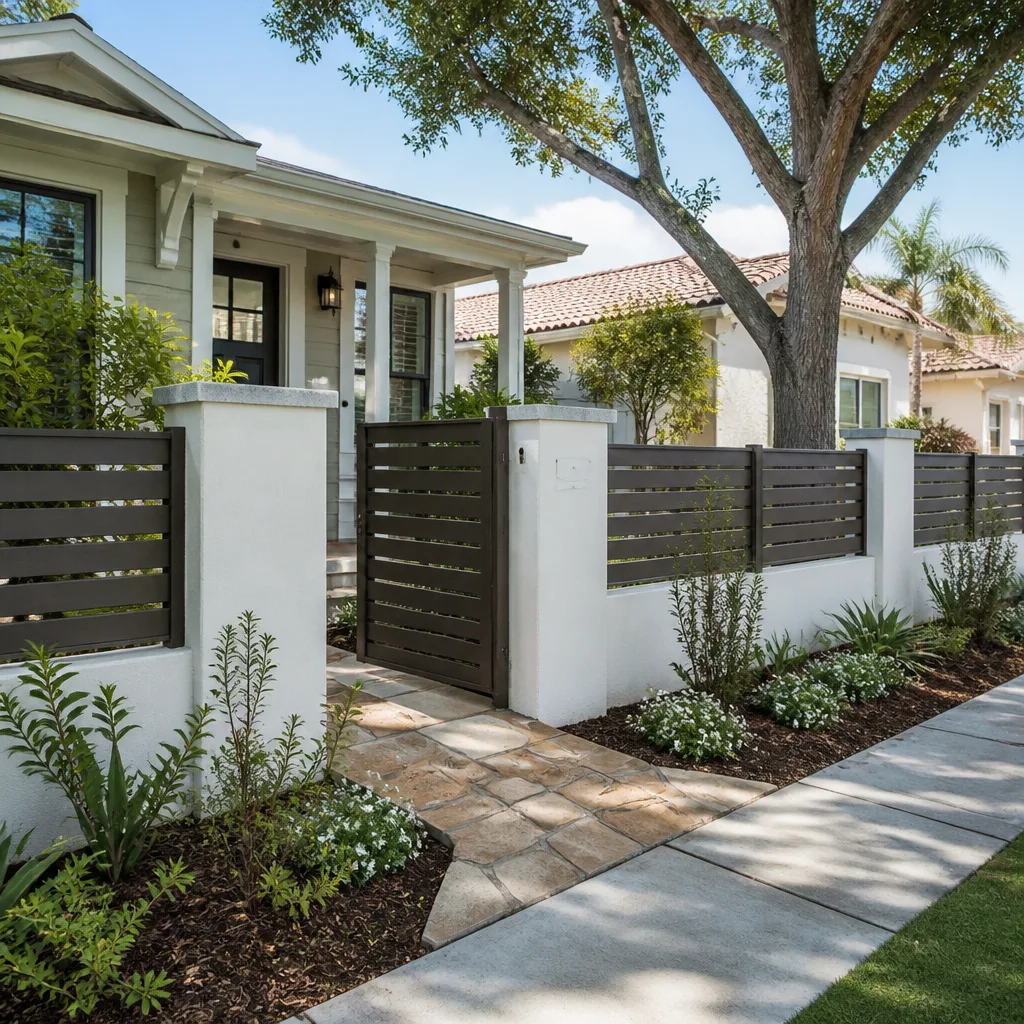
Atlas refers to a long-running line of residential fencing, and the parts landscape splits into two camps: aluminum ornamental and vinyl privacy. Aluminum panels from the Atlas line typically run in the 48-inch to 72-inch height range for residential jobs, and the rails and pickets are sized to a specific post spacing. Measure your existing post centers before anything else. If your posts sit at 6 feet on center, you have one family of panels. Eight-foot spacing puts you in another. That measurement alone tells us whether a new panel drops straight in or the run needs adjustment.
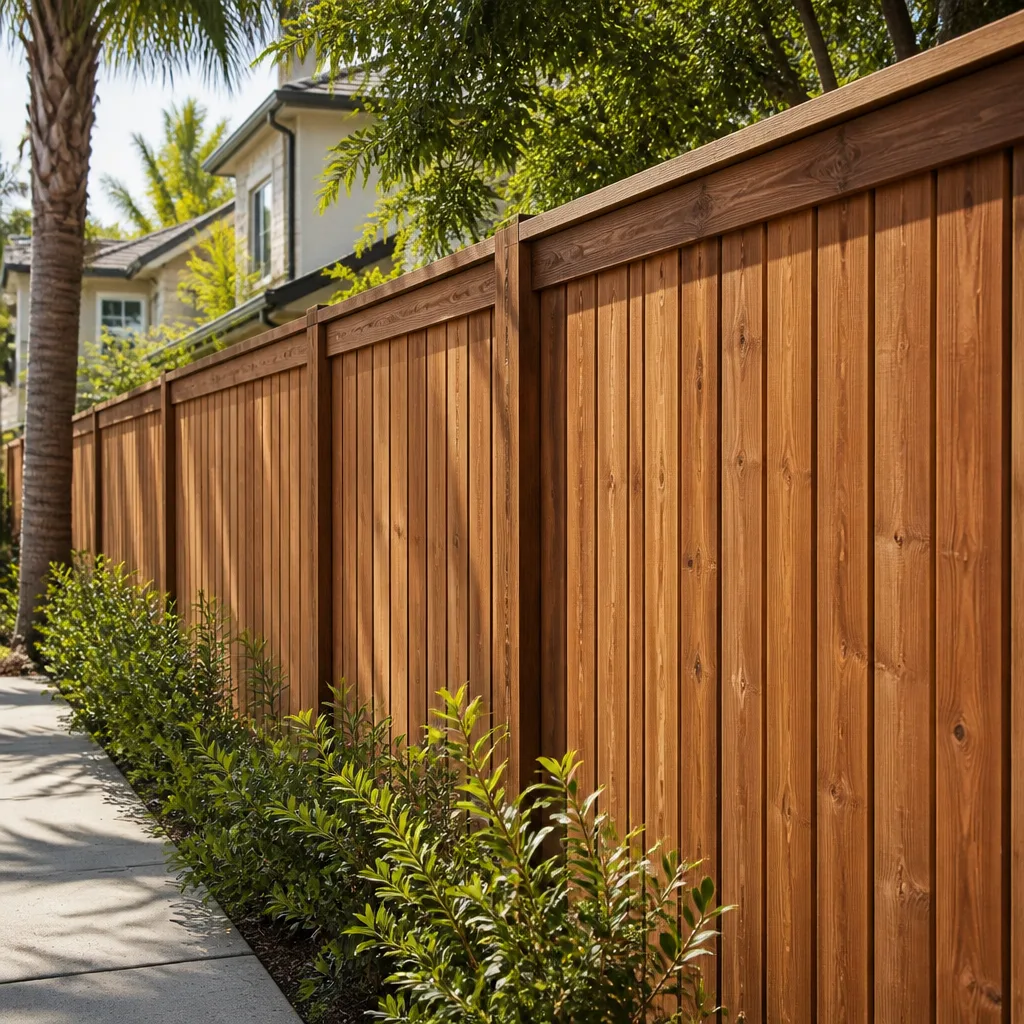
On the vinyl side, familiarity matters. Atlas vinyl panels use a routed post-and-rail system where the rails slide into the post cutouts. If a post was cut for a specific rail height and the replacement rail sits at a different dimension, it won’t seat. You’ll see this on older runs where a mystery-brand panel got mixed in during a past repair.
Identifying what you have takes three steps: a photo of the panel from both sides, the post-to-post measurement, and the rail profile. Check the inside face of the top rail for a manufacturer stamp. Most of these lines carry one, even if paint or dirt has covered it.
Then comes the OEM-versus-aftermarket decision. For Atlas specifically, OEM parts give you an exact match on rail profile and color, which matters most on decorative lines where the picket shape is visible from the street. Quality aftermarket equivalents work well on plain privacy runs where color is the only variable and a shade difference disappears under fresh finish. We lay out both options in the written estimate so you can compare them line by line.
Styles & brands we work with
- Kitchen remodeling
- Bathroom remodeling
- Home additions & ADU
- Roofing
- Windows & doors
- Driveway & pavers
- Fence
Signs Your Atlas Fence Installation Is Failing
Some failure is obvious. Some sneaks up on you. Here’s what Fremont homeowners actually call us about:
- Leaning or wobbly posts. The post footing has shifted, usually because the original set depth was shy of the frost line or the soil around the post has settled from seasonal wetting and drying. A post that moves at the top by more than an inch is a footing problem, not a panel problem.
- Rust at the hinge points and welds. Salt air from the bay and moisture in shaded runs eat aluminum hardware faster than most owners expect. Rust streaks at the gate hinge, or white powdery oxidation on the frame, are the first signs of galvanized or coated hardware reaching end of life.
- Sagging top rails or bows between posts. Rails bow when a panel is over-spanned for the post spacing, or when the rail has absorbed water and swollen in the routed channel. The sag is the symptom; the span is the cause.
- Loose or stripped fasteners. Self-tapping screws back out over time as the material around them expands and contracts. A gate that swings out of true usually has a handful of stripped hinge screws behind it.
- Discoloration, chalking, or fading on vinyl. UV exposure on the south and west faces will chalk and fade vinyl over time. Chalking is cosmetic until it reaches the point where the surface feels powdery to the touch, and that’s when the panel starts absorbing moisture.
One reality specific to this region: the clay-heavy soils in parts of Fremont shift more than sandy soils, and lateral pressure against a fence line after a wet winter shows up as post lean. We see it in older yards where the original fence was footed with a shallow concrete plug. If your fence is leaning after a rainy season, the footing is the conversation.
See the difference
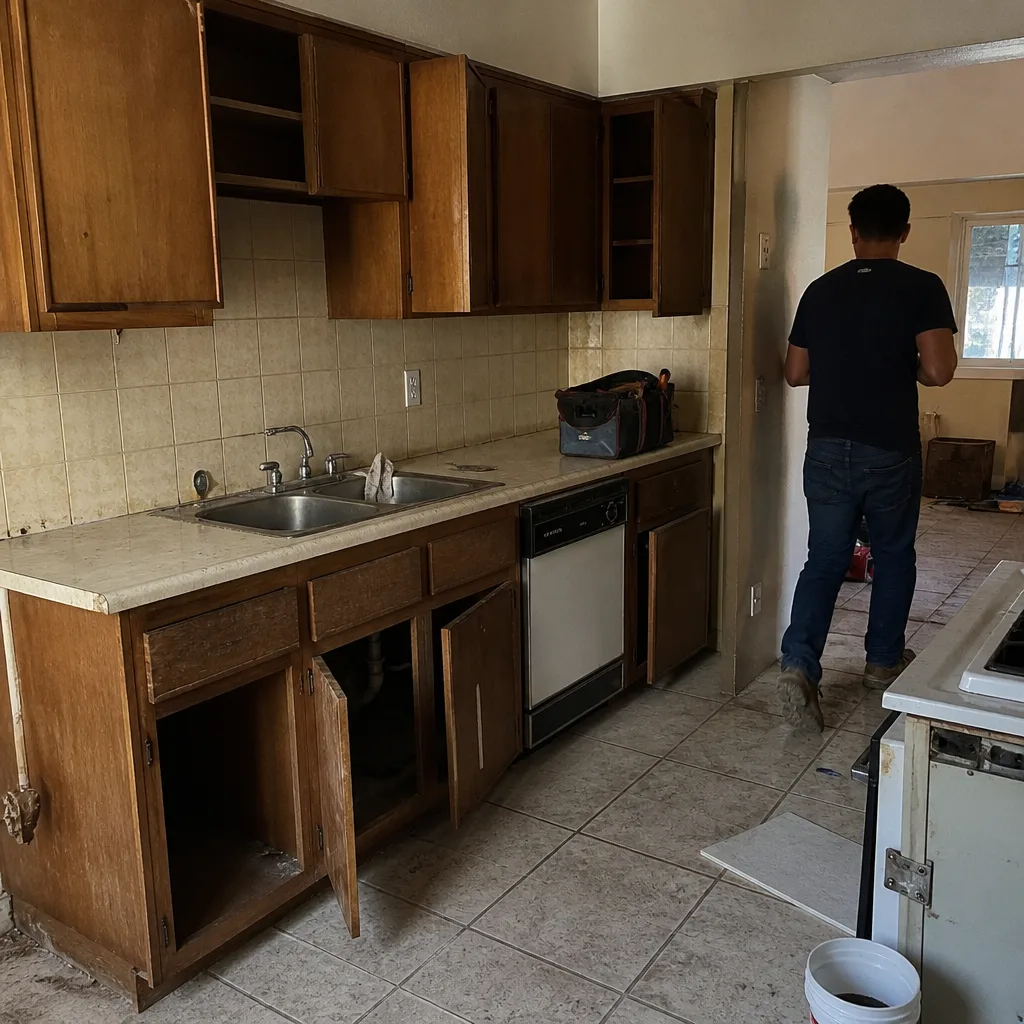 Before
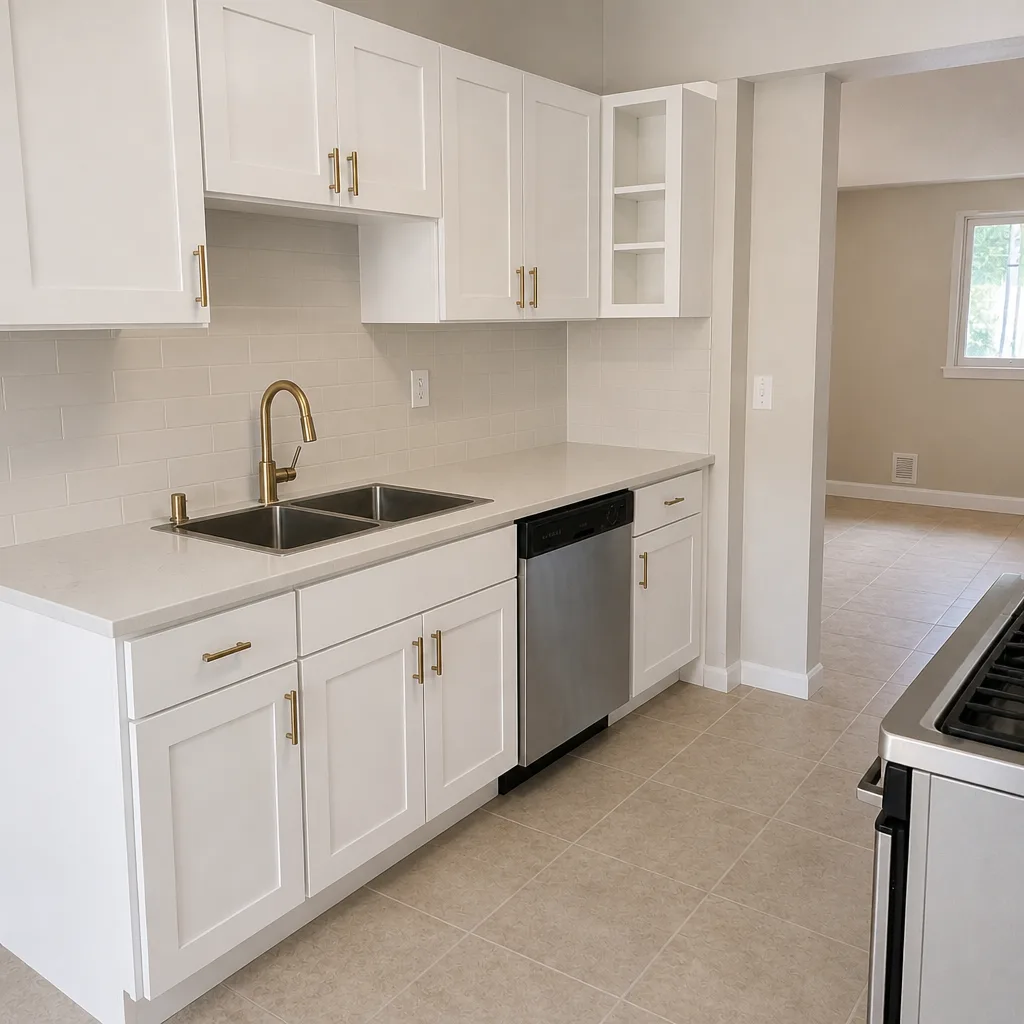 After
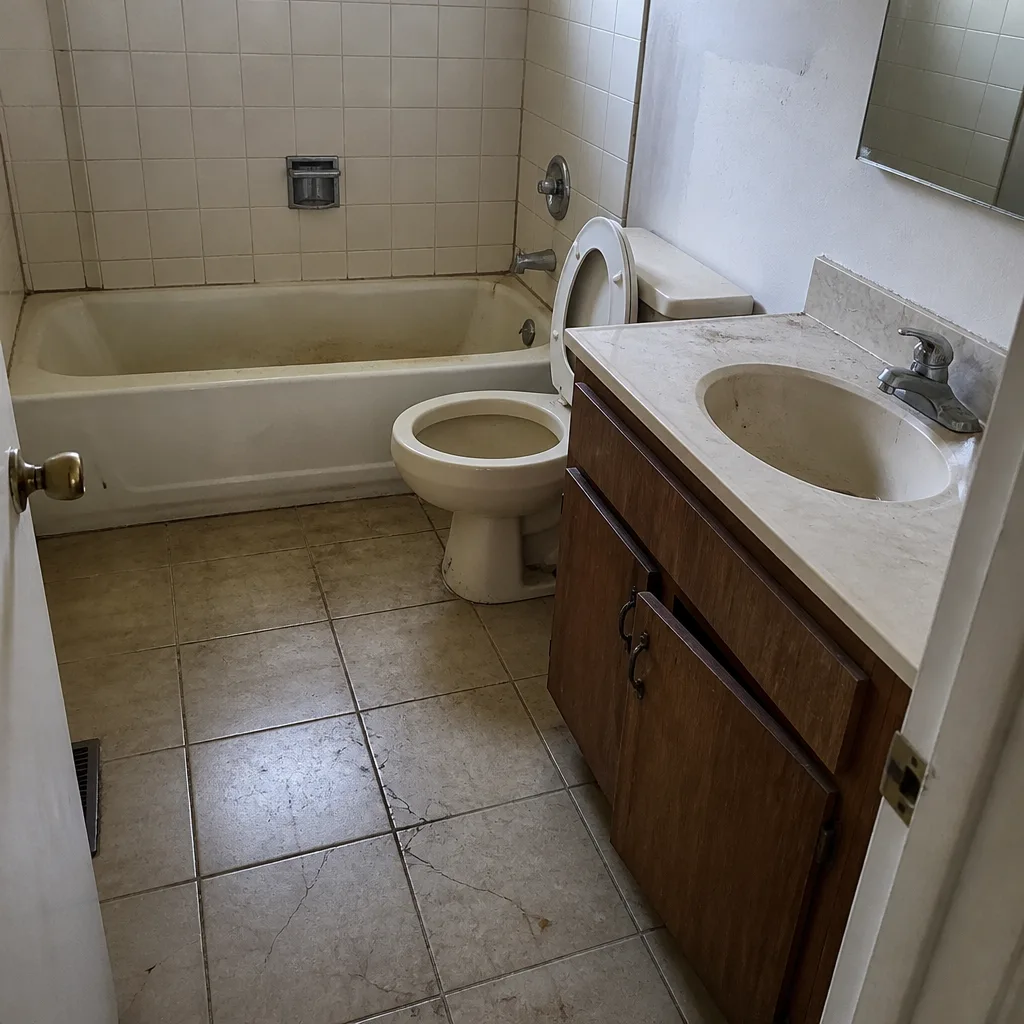 Before
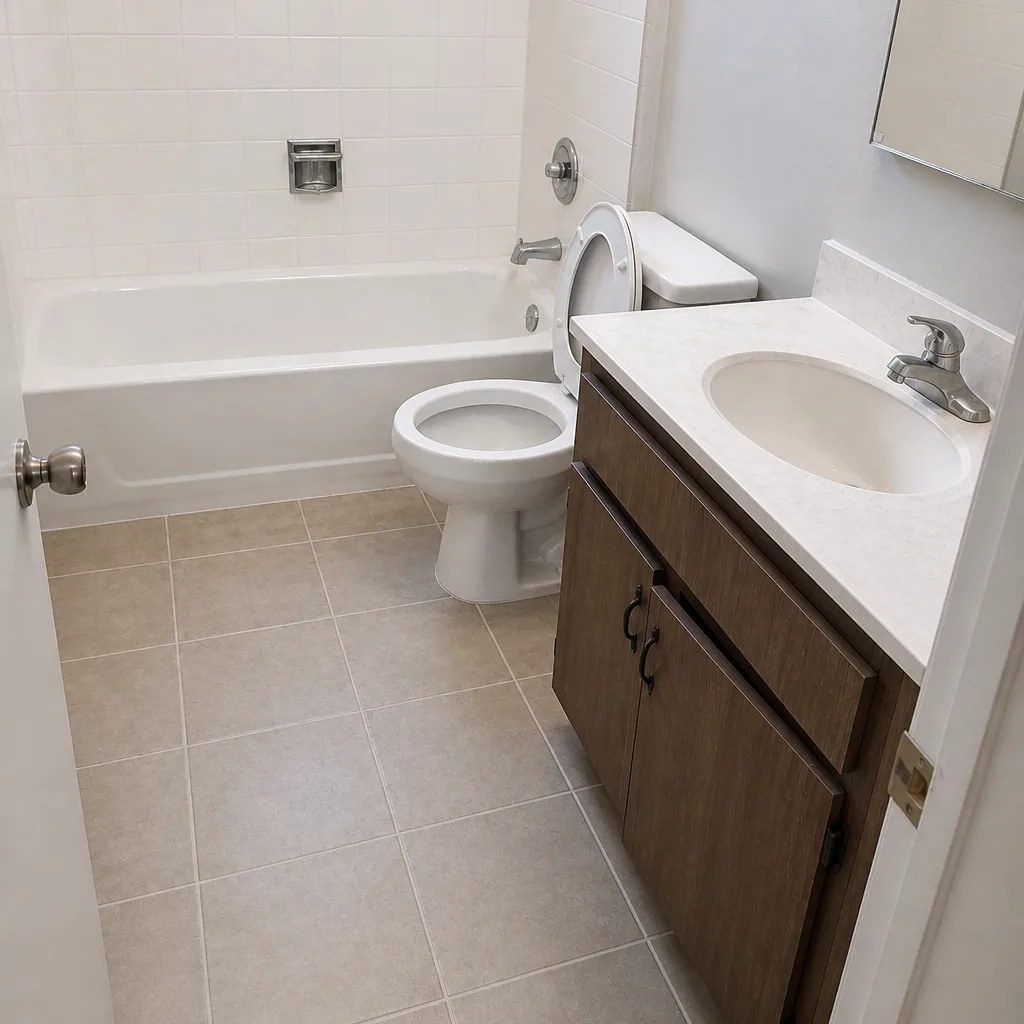 After
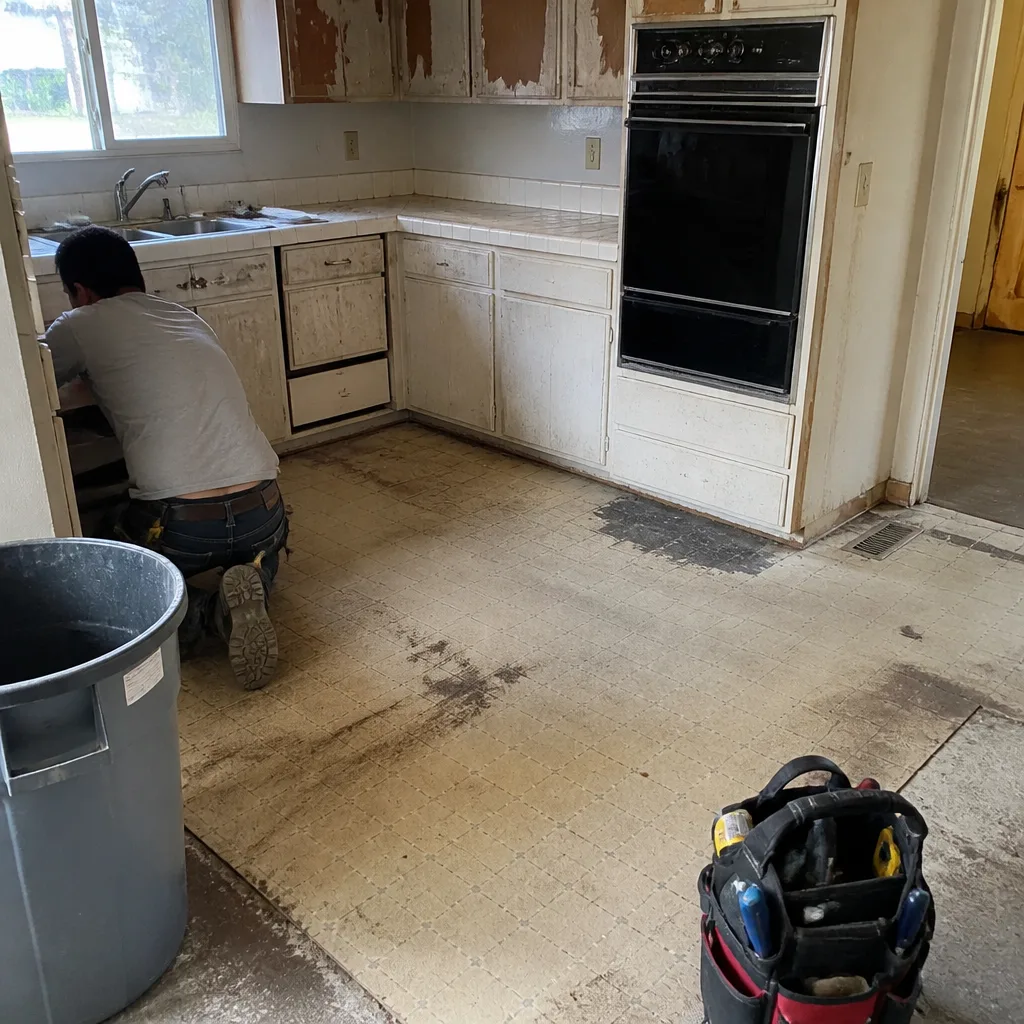 Before
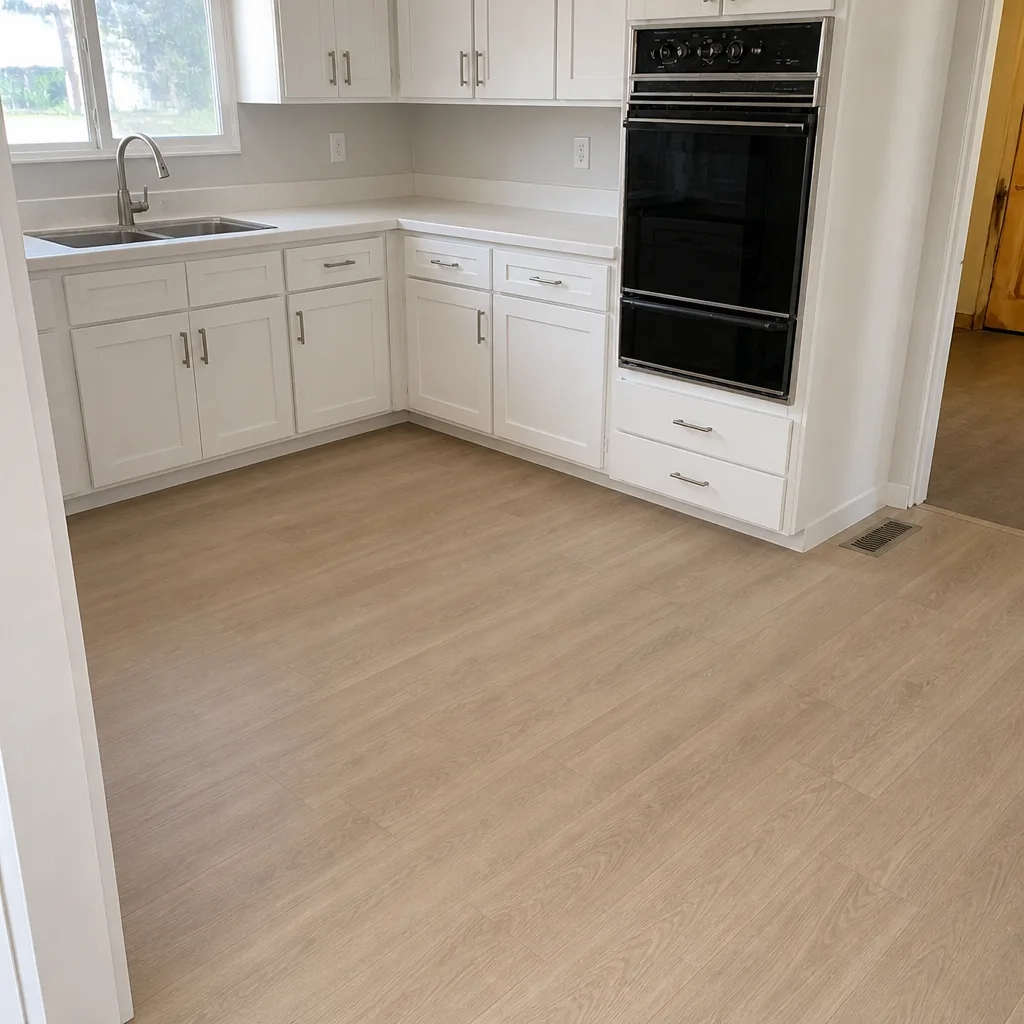 After
Replacement Cost & What’s Included
Here’s the honest price picture. The ranges below reflect typical Fremont residential jobs.
| Fence Type | Installed Range |
|---|---|
| Vinyl fence installation | $3,500 – $9,000 |
| Aluminum fence installation | $4,000 – $10,000 |
What drives the range: linear footage is the biggest lever. So are site conditions (slope, tight property lines, obstructions), post footing depth, gate count, and whether a section is a repair or a full replacement. On a partial repair, we price the panel, the hardware, and the labor as separate line items. Anytime the scope changes mid-job, that change arrives as a written change order before any work proceeds. No surprise invoice at the end.
Parts and labor both appear on the estimate, so you can see what a given panel and hardware set costs and what we’re charging to install it. Every completed job carries the written 90-Day Done Right Promise. If it’s not right, one call brings Tom back.
DIY or Call Us?
What you can safely do yourself: walk the fence line, check post plumb with a level, tighten visible fasteners, look for rust at the hardware, and photograph the failure points from inside the rail channel. A post cap that pops off and drops back in place is fine to handle yourself.
Where it goes wrong: resetting a footing, replacing a routed post that has to be matched to a panel profile, and gate re-hangs where the hinge plane has shifted. These are where DIY jobs tend to end up needing a second call. If your fence line is on a slope and the panels sit on a stepped rail system, the sequence matters. A post set at the wrong elevation throws every panel after it. We’ve seen jobs where a homeowner sets the post, gets the height wrong, and by the time the problem turns up, three panels are already hung.
If you’re not sure what you’re looking at, call (833) 620-6162 and we’ll walk you through it on the phone. Estimates are free, and there’s no trip charge inside the county. You can also take us up on a free second opinion on any written estimate you’ve already received.
FAQs
That depends on the material. Aluminum fencing typically lasts 20 to 30 years in this climate if the hardware holds up, and hardware is usually the weak link. Vinyl typically runs 15 to 25 years, with UV fading and chalking being the first signs of age. Salt air and seasonal moisture both shorten the hardware’s lifespan on either material, which is why we check every hinge and fastener during an install.
In many cases, yes. A single post, one panel, or a set of gate hardware can often be swapped without tearing out the whole run. What determines this is whether the surrounding posts are still plumb and footings are sound. If three posts in a row are moving, a spot repair won’t hold. We’ll tell you which one you’re looking at before a dollar gets spent.
A single-section repair is usually a one-day job once the parts are on hand. A full yard replacement depends on footage and access. Most residential Fremont jobs land in the two- to five-day range. Permits add time up front; we pull them and schedule the inspection as part of the job, so that step doesn’t become a bottleneck at the end.
We work from the measurement and photograph steps above to identify the panel family, then pull from premium-brand suppliers we know and trust. We don’t claim to stock parts. What we do is source them and quote them in writing. KraftMaid, Cambria, and Silestone don’t touch a fence line, but the same premium-brand discipline we use on kitchen work applies here: we install materials you can look up by name, not mystery brands off a van. We’re an independent service provider and not affiliated with Atlas.
Looking for something else on the house? Ask about KraftMaid cabinets, Cambria or Silestone countertops while you’ve got us on the phone.
If your Atlas fence is failing, the practical next step is a written estimate with the panel, hardware, and labor broken out. Call (833) 620-6162 to schedule your free estimate. A live person answers around the clock. Our crew members are background-checked and carry the Barrett & Sons name, and every price change lands in writing before a nail moves. Proudly serving local communities for over 29 years.
Written by the team at Barrett & Sons Construction Fremont, serving Fremont and nearby areas.