
Last updated November 17, 2026








Free written scope consultation - allowances, timeline, and change-order rules on paper before a single trade is scheduled
Construction Warning Signs: A Fremont Homeowner’s Reference Guide
A contractor who pulls permits, shows insurance, and has solid reviews can still blow up your project. The warning signs that actually matter most appear in week two, not week zero. By then the deposit is spent, the crew is in your kitchen, and stopping feels harder than continuing. That’s exactly the window where most Fremont homeowners lose money. This guide covers what to watch for after work has already started: the job-site behaviors, the undocumented swaps, the verbal change orders, and the completed-work problems you can only catch before the drywall goes up.
Quick Answer
The most serious construction warning signs in Fremont appear mid-project, not before the hire: inconsistent crew presence, materials left unprotected, no permit card posted, undisclosed subcontractor swaps, and verbal change orders that never make it to paper. Any one of these predicts a specific downstream problem, and catching them early is far cheaper than catching them at the final walkthrough. Ask for written documentation the moment you see one.
Styles & brands we work with
- Kitchen remodeling
- Bathroom remodeling
- Home additions & ADU
- Roofing
- Windows & doors
- Driveway & pavers
- Fence
Table of Contents
- Why the Warning Signs That Matter Show Up in Week Two
- Job-Site Behavior Red Flags and What Each One Predicts
- How to Spot an Undisclosed Subcontractor Swap
- The Verbal Change Order Trap
- Why a Contractor Who Resists Walkthroughs Is a Real Warning
- Completed-Work Red Flags to Check Before Surfaces Close
- The Permit Card You Should See and What It Tells You
- How to Push Back Without Torching the Relationship
Why the Warning Signs That Matter Show Up in Week Two
The pre-hire checklist gets all the attention. Verify the license, confirm insurance, check reviews, get three bids. Good advice, and we’d add one more: pull the license number yourself and look it up. But once the contract is signed and the demo has started, most homeowners stop watching. That’s the mistake.
In Fremont, we’ve watched projects go sideways in the second and third week more often than at any other point. The first week is a performance. Everybody shows up early, the site gets swept, the foreman shakes your hand twice. Week two is when the real schedule, the real crew, and the real paperwork habits show up. A contractor who quoted KraftMaid cabinets in the estimate is now talking vaguely about “a comparable line.” A crew that was five strong on Monday is two strong by Thursday. The permit card that was supposed to be in the front window never appeared.
None of these are emergencies on their own. Together, they’re a pattern. The reason mid-project warning signs matter more than pre-hire ones is simple: by week two, you’ve already paid. The leverage you had during the bidding process is gone, and the only thing protecting you is documentation. Scope in writing, allowances in writing, change orders in writing. If any of that has quietly disappeared, you’re already behind.
Here’s the useful part. Mid-project problems are still fixable. The homeowner who catches them in week two spends a hard conversation. The homeowner who catches them at the final walkthrough spends money. The difference between those two outcomes is almost always a list of specific things to look at while the work is still open. That’s what the rest of this guide gives you.
Job-Site Behavior Red Flags and What Each One Predicts
Job-site behavior isn’t about neatness for its own sake. Every habit you see on the site predicts a specific downstream problem. Here’s what to watch for in Fremont and what each one usually means.
- Inconsistent crew presence. If the same faces aren’t showing up day to day, the schedule is being juggled across multiple jobs. That usually means your project is getting the leftover hours, and your timeline will slip by weeks, not days.
- Materials left without protection. Cabinets stacked in the driveway with no tarp, lumber sitting in the rain, tile boxes left in the sun. Fremont’s spring rain and summer heat both do real damage. Unprotected materials mean callbacks, and callbacks mean the warranty conversation gets harder.
- No permit card posted. Every permitted job in Fremont gets an inspection card. If it isn’t visible on the site, either the permit wasn’t pulled or the crew is hiding the inspection schedule from you. Either one is serious.
- No site cleanup at the end of the day. A crew that leaves debris in walkways and tools scattered overnight isn’t just sloppy. They’re signaling that the job will be finished “close enough,” which is exactly the standard you’ll be arguing about at the punch list.
- Subs arriving without introductions. If a new trade shows up and nobody tells you who they are or who they work for, treat that as a flag until proven otherwise. More on this below.
The pattern to remember: every one of these predicts a specific problem. Inconsistent crew predicts schedule slip. Unprotected materials predict callbacks and warranty friction. Missing permit card predicts inspection trouble. Slop on the site predicts a soft punch list. Introductions skipped predicts lien exposure. Each is worth a direct conversation while the work is still open.
How to Spot an Undisclosed Subcontractor Swap
Subcontracting is normal and often a good thing. The plumber who wires your tankless water heater should be a licensed plumber, not the framing crew. The problem isn’t that subs exist. It’s when the switch happens without telling you, and the paper trail goes missing.
Here’s what an undisclosed swap looks like in practice. The contract names a specific crew or a specific general contractor’s team. Two weeks in, a different group shows up. They don’t introduce themselves. Their truck has a different name on the door, or no name at all. When you ask the foreman who they are, the answer is vague: “They’re helping us out.” That’s the flag.
Why it matters, especially in California: under state mechanics lien law, anyone who provides labor or materials on your property can file a lien against it if they aren’t paid, even if you already paid the general contractor. That means an undisclosed sub you’ve never heard of can put a lien on your Fremont home. The way to protect yourself is written notice. California requires that subcontractors give you a preliminary notice, and you have the right to ask for lien waivers as payments go out. If a sub appears and no paperwork follows, ask for it before the next check goes out.
The other side of the swap is quality. The crew that quoted your job built their price around their own habits. A substituted crew may not know the scope, may use different materials, and may not carry the same insurance. In Fremont, we’ve seen swaps lead to framing that doesn’t match the drawings, which then fails inspection, which then delays every trade behind it. The fix is simple: any sub on your site gets introduced, and any sub on your site gets a written name and license number before they lift a tool.
The Verbal Change Order Trap
This is the one that costs Fremont homeowners the most, and it happens in casual conversation. You’re standing in the kitchen with the foreman. He mentions that the tile layout will need “a little extra prep” because the floor isn’t level. You nod. Two weeks later, an extra line shows up on an invoice. You never approved that in writing.
That’s the verbal change order trap. It isn’t usually malicious. It’s a habit. A contractor who runs projects on conversation rather than paperwork is building a surprise invoice one friendly sentence at a time. The tell is when the information never leaves the conversation. A real change order is a written document that states the added scope, the added cost, and the added days. You sign it before any related work starts. An allowance that isn’t on paper is a surprise waiting for a date.
Watch for these specific phrases in mid-project conversation:
- “We’ll just work it out at the end.”
- “That’s probably going to run a little more, but don’t worry about it now.”
- “The allowance should cover most of it.” (No number, no document.)
- “We can just swap it for something similar.” (What brand? What model? What price?)
- “It’ll be close to the estimate.” (Close in whose math?)
If you hear any of these, the right move is calm and direct: “Send me a written change order before you start.” That one sentence protects the whole job. It isn’t confrontational. It’s just how the job should have run from the beginning.
Why a Contractor Who Resists Walkthroughs Is a Real Warning
A homeowner asking for a mid-project walkthrough is not a difficult client. It’s the standard. A contractor who resists, deflects, or keeps postponing that request is showing you something serious, and it isn’t a small scheduling inconvenience.
The resistance almost always means one of three things. First, the work in progress doesn’t match what you were shown, and the contractor knows it. Second, the schedule is slipping and a walkthrough would expose it. Third, the contractor runs the job without documentation, and a walkthrough would force them to put things on paper. None of those three are good signs.
You don’t have to make it a fight. Here’s how to ask in a way that keeps the relationship intact:
- Ask in writing, not in a hallway conversation. A short text or email with a specific time works: “Can we walk the site Thursday at 4 to look at the framing before drywall?”
- Frame it as protecting both of you. “I want to catch anything before it’s covered up, so we’re not opening walls later.”
- Ask for the walkthrough to include the items on your list, not a general tour. Bring the drawings and the contract.
- Take photos. Note the date. If a problem comes up, the note is your record.
- If the request is refused twice, escalate in writing and ask why. Document the answer.
In our experience, a contractor who welcomes the walkthrough is a contractor who wants the job done right. The one who dodges it is telling you something you should hear. In Fremont, we’ve seen homeowners stick with a contractor who refused three walkthrough requests, then spend the savings from the deposit on legal fees after the job was abandoned. That’s the outcome to avoid.
Completed-Work Red Flags to Check Before Surfaces Close
Some problems are only visible before the drywall goes up, before the concrete is poured, before the tile is set. Once those surfaces are in, the work is hidden and the fix becomes expensive. Here’s what to look at while things are still open, and this is the single most valuable list in the guide.
Before drywall covers new framing:
- Check that studs are straight and spacing is consistent. Run a level along a few walls. Bow in the framing shows up later as cracked drywall and doors that won’t sit true.
- Confirm the framing matches the drawings. Any extra or missing headers over openings is a structural question for the inspector, not a snag to sort at the final walkthrough.
- Look for the inspection sign-off on the framing. If it isn’t there, don’t let drywall go up.
Before concrete covers new plumbing or conduit:
- Ask for a pressure test on the plumbing before the pour. The plumber should run it and record the result. A leak under a new slab in Fremont is a demolition project, not a repair.
- Check that the conduit depth matches code before the trench fills.
- Photograph everything in the trench before it’s covered. Every plumber and electrician we’ve worked with appreciates a good set of photos.
Before tile and flooring cover the substrate:
- Look at the underlayment. In Fremont’s older homes, the subfloor often flexes more than a modern one. A contractor who doesn’t account for that will be back in six months for cracked tile.
- Ask for the waterproofing to be flood-tested in a shower. Ten minutes of standing water tells you whether the pan is sound.
This is also where the permits matter. The permit inspector works for you, not for us. That’s why we like him. An inspector who sees the framing before the drywall is another set of eyes on the exact things that go wrong when they’re skipped.
The Permit Card You Should See and What It Tells You
Every permitted job in Fremont should have an inspection card on the site. It usually hangs in a front window or on a post near the entry. The card shows the permit number, the trade, and the inspection stage. If it isn’t there, here’s what you’re looking at.
Most often, the permit wasn’t pulled. A contractor told you permits were “optional” or that nobody would check. That’s not how it works. Fremont inspections happen, and an unpermitted structural or electrical change is a real problem when you sell, when you refinance, and when a fire or water event requires an insurance claim.
Sometimes the permit was pulled but the card is hidden. That’s almost always because the inspection schedule doesn’t match the work on site, and the contractor doesn’t want you to notice. Either way, ask for the permit number and check it yourself. It takes five minutes on the city’s website.
When you ask for the permit and the answer is a stall, treat it as a serious flag. It isn’t a technicality. It’s the difference between a job that will pass inspection and one that will need to be opened back up. If you’re planning an addition or an ADU, this matters even more because the structural inspections are where unpermitted work gets caught. Our Home Additions & ADU in Fremont page walks through how a fully permitted build is supposed to run.
How to Push Back Without Torching the Relationship
You don’t have to choose between protecting your project and keeping the peace. The contractors worth keeping respond well to clear, written requests. Here’s a short playbook that works in Fremont as well as anywhere.
- Put it in writing. A text or email to the foreman and the office, not a hallway comment. “Following up on our conversation about the tile prep, please send a written change order before the work begins.”
- State the ask, not the accusation. “I’d like a walkthrough Thursday before drywall” beats “You’re hiding something.”
- Ask for the paperwork you’re entitled to. The permit number, the sub’s license, the lien waiver, the change order. Every one of those is a reasonable request, and a good contractor says yes without blinking.
- Keep a simple log. Date, what you asked, what they said. Two lines per entry is enough.
- Escalate once, calmly. If a written request goes unanswered, a second written note asking for a response by a specific date usually gets action. If it doesn’t, you have a record and a decision to make.
The contractors who take offense at requests like these are telling you how the last three projects went. The ones who respond with paperwork and a walkthrough are the ones you want on your house. That’s the difference between a job that closes clean and one that closes with a legal bill.
Common Mistakes to Avoid
- Treating the pre-hire checklist as the finish line. Verifying a license and signing a contract is the start of the job, not the end of your involvement. The mid-project window is where you need to keep watching.
- Accepting a verbal change order. In Fremont, we’ve seen $4,000 invoices appear out of a hallway conversation. If it isn’t written, it isn’t agreed. Ask for it in writing every time.
- Missing the inspection card on purpose. Homeowners avoid asking because they don’t want to seem difficult. Ask anyway. The card is the cheapest insurance you have.
- Letting drywall go up without a framing inspection. Once the walls close, the framing is invisible. Confirm the inspection sign-off before the drywall crew arrives.
- Not asking who the new crew is. Subcontractor swaps are normal when they’re disclosed and papered. They’re a lien risk when they aren’t. Get a name and a license number before the next check.
- Skipping mid-project walkthroughs to “stay out of the way.” Walkthroughs are the most efficient way to catch problems before they get expensive. Schedule them in writing.
- Hoping things improve at the end. If two of the flags in this guide are showing in week two, they don’t typically resolve on their own. They compound. Address them early and keep the record.
See the difference
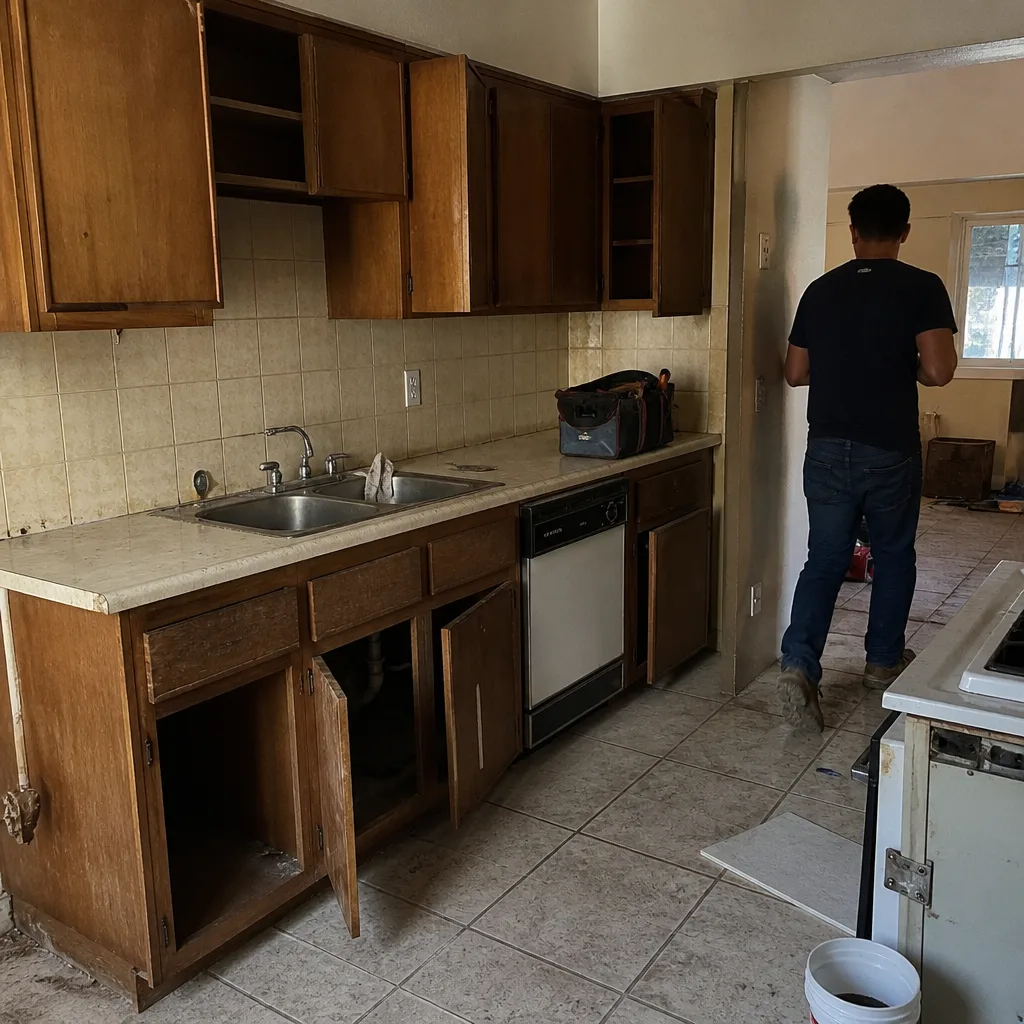 Before
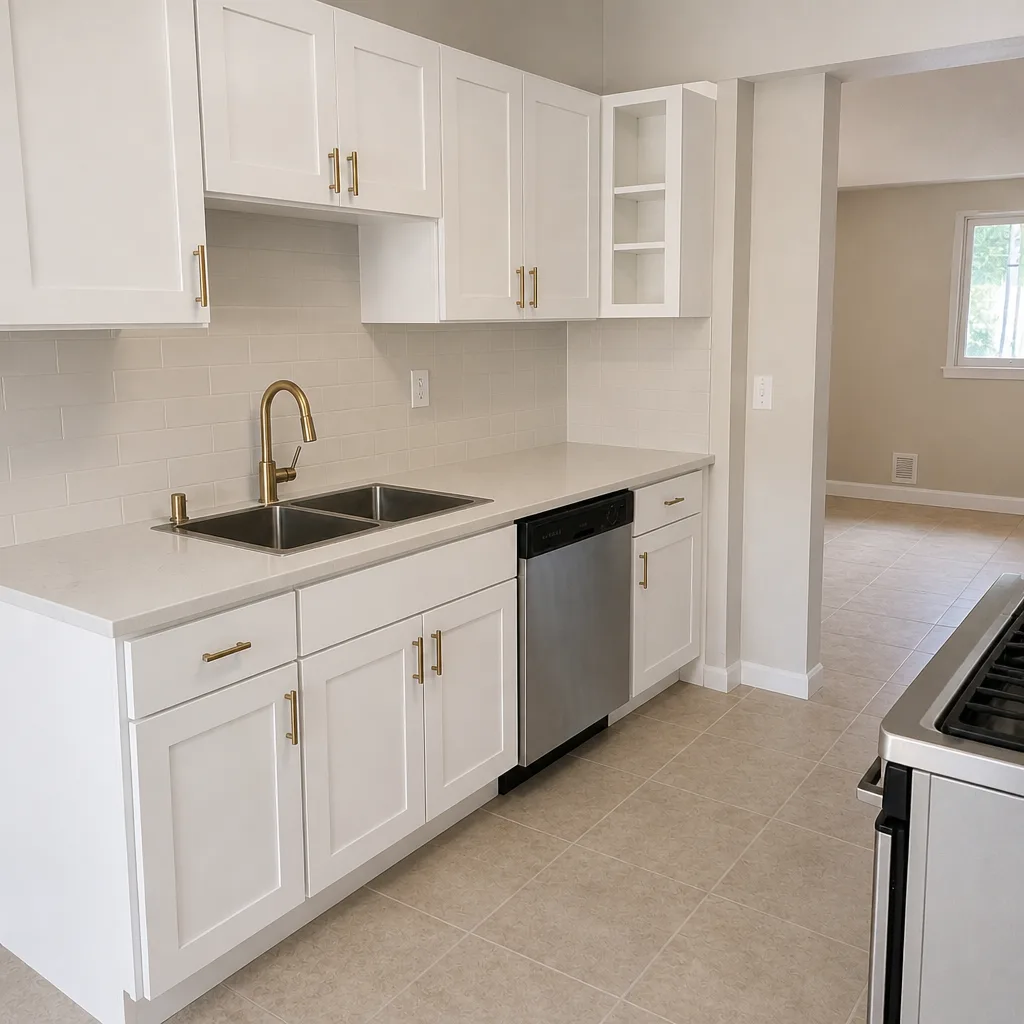 After
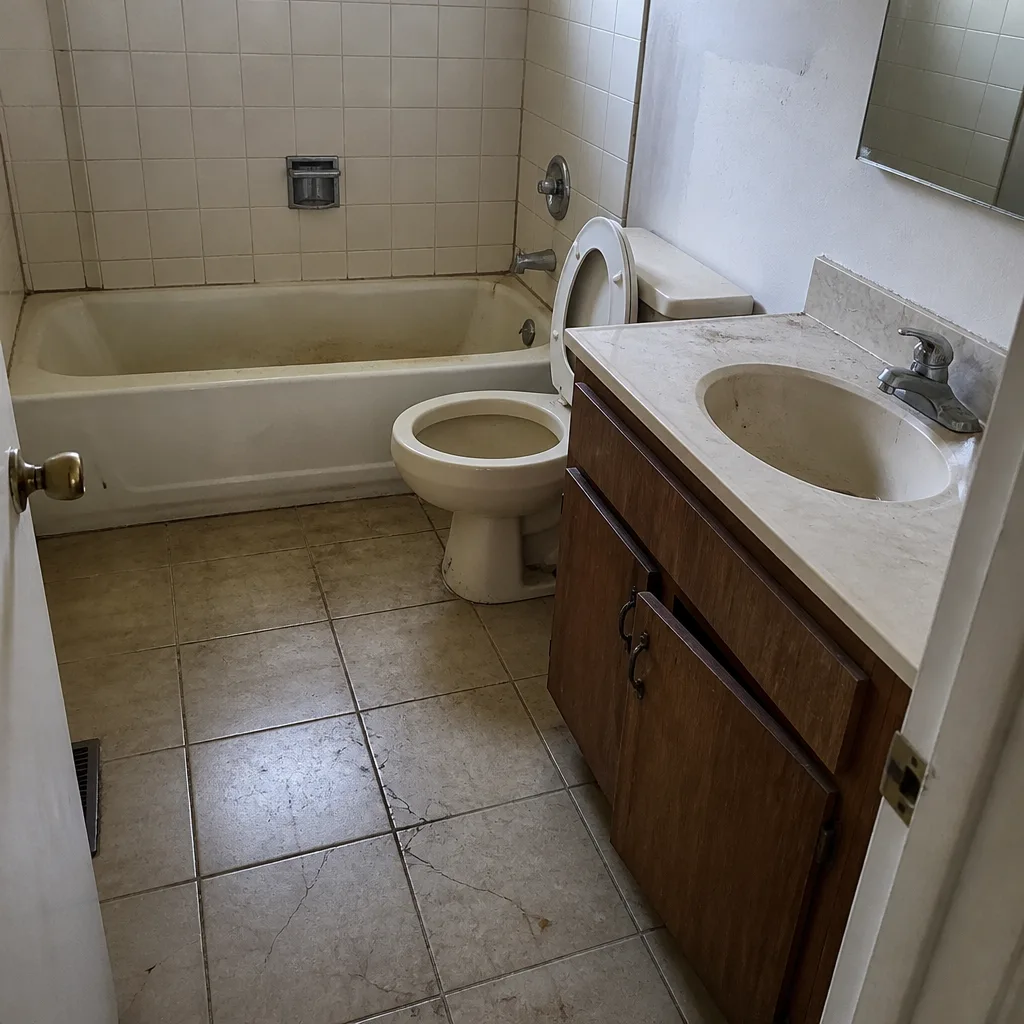 Before
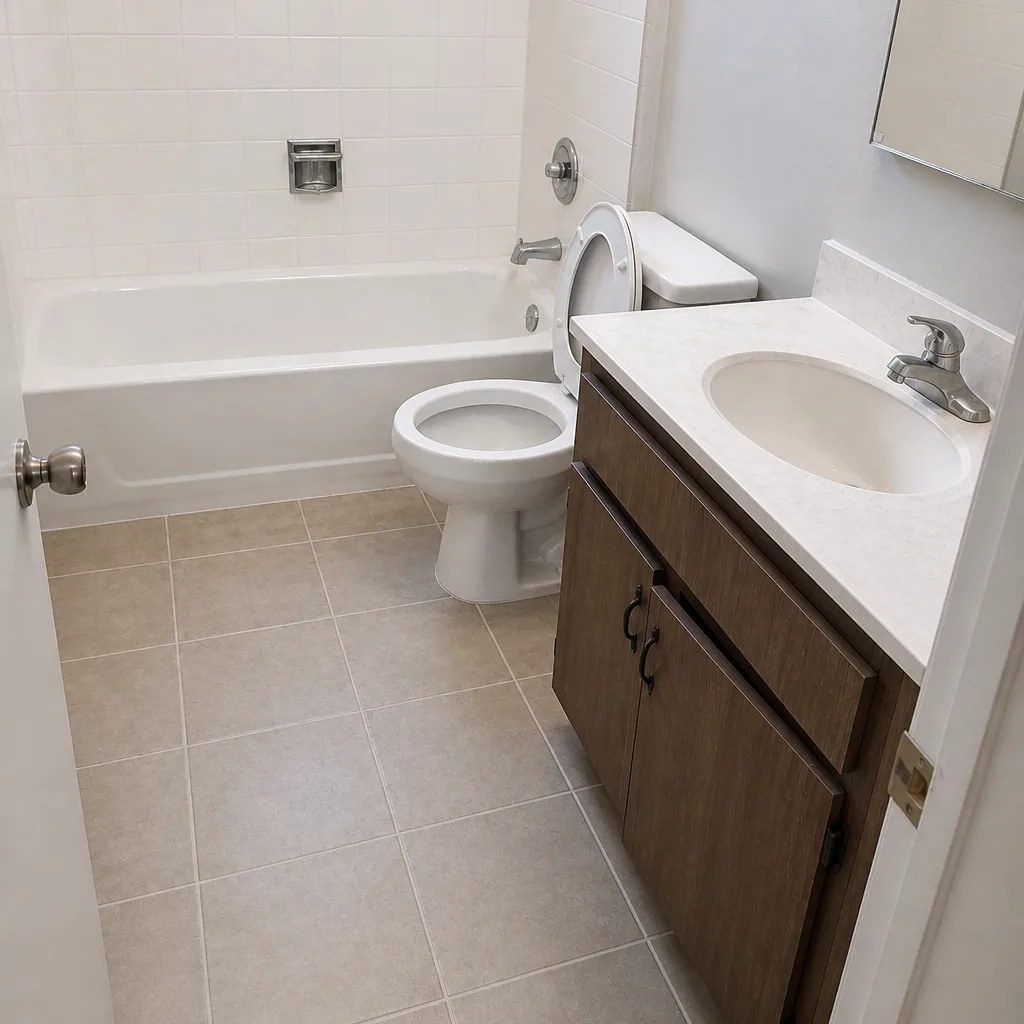 After
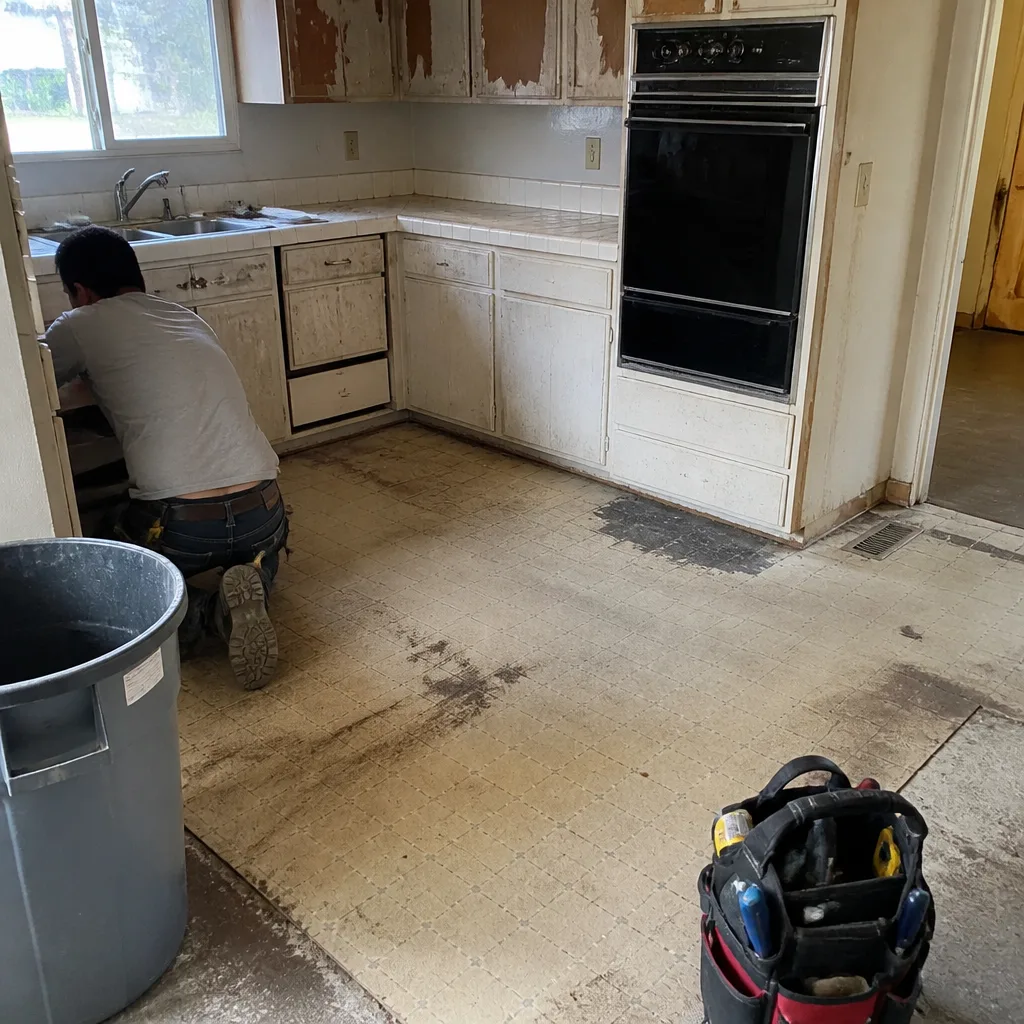 Before
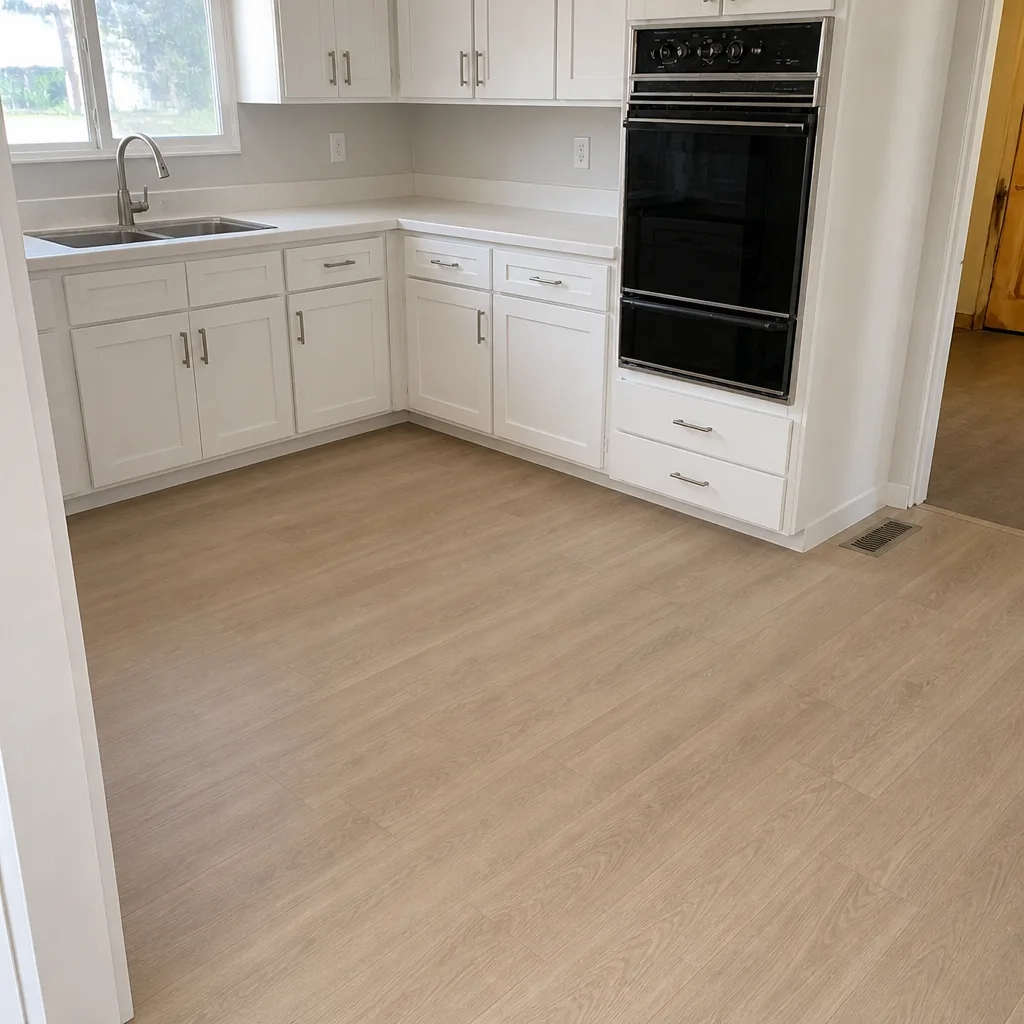 After
When to Call a Professional
Some of these warning signs mean you should call a professional for a second opinion, not just a conversation with your current contractor. Call when the permit card is missing after two written requests. Call when a new crew appears and nobody will give you their license number. Call when a change order shows up on an invoice but not on paper. Call when your contractor refuses a walkthrough before surfaces close. Call when completed work shows problems the crew won’t fix. And call if the work has stalled for weeks with no written schedule. Barrett & Sons Construction Fremont offers free estimates in Fremont and a free second opinion on any written estimate – call (833) 620-6162. If you’re just beginning a project and want to avoid all this, our Barrett & Sons Construction Fremont home page and our guides to Driveway & Pavers in Fremont and Fence Installation in Fremont are good places to start.
Frequently Asked Questions

A missing permit card on the job site. If it’s not posted and the permit number isn’t verifiable, either the permit wasn’t pulled or the inspection schedule is being hidden – and both predict a project that fails inspection or needs to be opened back up. Ask for the permit number and check it yourself on the city’s site. It takes five minutes.
Yes. Under California mechanics lien law, any subcontractor or supplier who provides labor or materials on your property can file a lien if they aren’t paid, even if you already paid the general contractor. The protection is written notice: ask for the sub’s name, license number, and a lien waiver as payments go out. If those requests are ignored, that’s a serious flag, not a paperwork delay.
You’ll hear it in casual conversation: “We’ll just work it out at the end,” or “That’s probably going to run a little more.” A real change order is a written document stating added scope, added cost, and added days, signed before the related work starts. If the information stays in conversation, the surprise invoice is already on its way. Ask for a written change order in writing, and don’t start the work until it arrives.
Look at straightness and spacing on a few walls, confirm the framing matches the drawings, and confirm the framing inspection sign-off is present. If the sign-off isn’t there, don’t let the drywall crew start. The same logic applies before concrete covers new plumbing (ask for a pressure test) and before tile covers the substrate (ask for a flood test on shower pans).
No. A walkthrough before surfaces close is standard practice and a reasonable request. A contractor who resists a walkthrough request is telling you something. Ask in writing, with a specific time and a specific list. A good contractor says yes, and usually brings their own notes.
Because written change orders remove the flexibility to bill more later. A contractor who resists them is telling you how they’ve closed jobs before. Every price change on a well-run job arrives in writing before the work happens – no exceptions. If your contractor won’t do that, the next invoice is very likely to surprise you.
The Bottom Line
The pre-hire checklist is worth doing, but it isn’t where Fremont homeowners win or lose. The money is decided in week two and week five, when the crew thins out, the permit card vanishes, and friendly conversation turns into surprise line items. Watch for the specific behaviors in this guide. Ask for the permit number and the sub’s license. Insist on written change orders before work starts. Schedule walkthroughs before surfaces close. Keep a simple log. And if two or more flags show up at once, get a second opinion before you write the next check. Call Barrett & Sons Construction Fremont at (833) 620-6162 for a free estimate or a free second opinion on any written estimate – we’ll tell you exactly what we’d do, in writing, before we touch a tool.
Written by the team at Barrett & Sons Construction Fremont.