Last updated November 17, 2026


Free written scope consultation - allowances, timeline, and change-order rules on paper before a single trade is scheduled
How Long Does Driveway & Pavers Take? Timelines and What to Expect
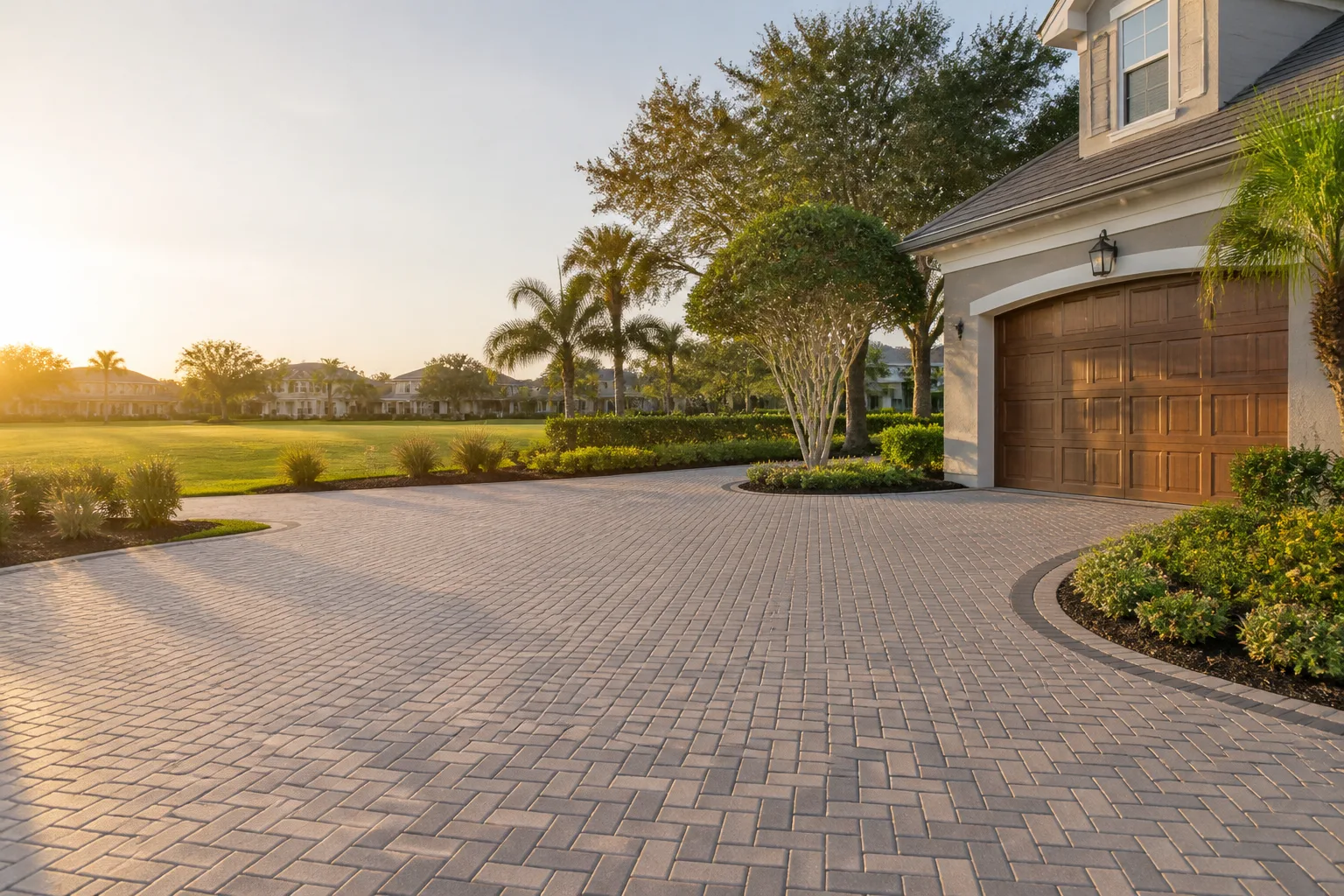
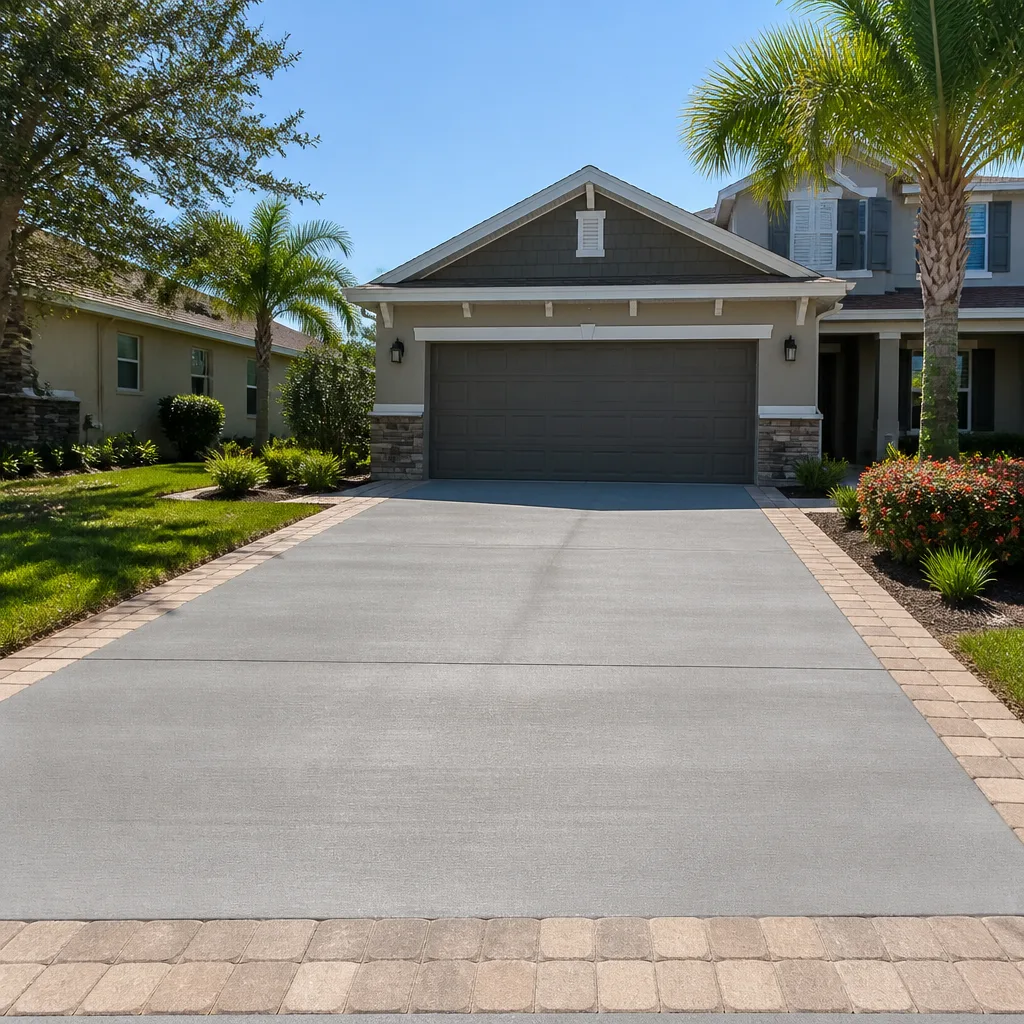
A crew can install a standard two-car paver driveway in two days. The gap between “contract signed” and “first car parked” is usually three to five weeks. Nobody warns you about that part. The number a contractor quotes over the phone almost never includes the days your driveway is actually unavailable, and in Fremont those days add up fast: permits, material lead times, base cure windows, and joint sand setting all take calendar time even when the crew works at full speed. This guide breaks down every phase of a driveway and paver project so you can plan around the real timeline, not the sales pitch. You’ll learn where the days go, why weather matters even in California, and what a too-short timeline usually means.
Quick Answer
A typical paver driveway in Fremont takes 2 to 4 days of active crew work, but the total project timeline from signed contract to parked car runs 3 to 5 weeks. That gap covers permit review (currently 1 to 2 weeks with the city), material lead time for the paver type you pick, demolition, base compaction and cure, installation, and polymeric sand setting. Complex sites, larger driveways, or premium paver brands ordered from out of state can push the calendar to 6 weeks.
Styles & brands we work with
- Kitchen remodeling
- Bathroom remodeling
- Home additions & ADU
- Roofing
- Windows & doors
- Driveway & pavers
- Fence
Table of Contents
- Phase-by-phase timeline
- The permit wait nobody warns you about
- Material lead time by paver type
- Why weather windows matter in Fremont
- Crew size vs. calendar time
- The access question homeowners forget
- Red flags in quoted timelines
- Common mistakes to avoid
The Real Timeline, Phase by Phase
Here’s where the weeks actually go on a paver driveway in Fremont. We’ve seen every phase stretch or compress depending on how the job is planned, and planning is the part most homeowners have the least control over if they don’t ask about it upfront.
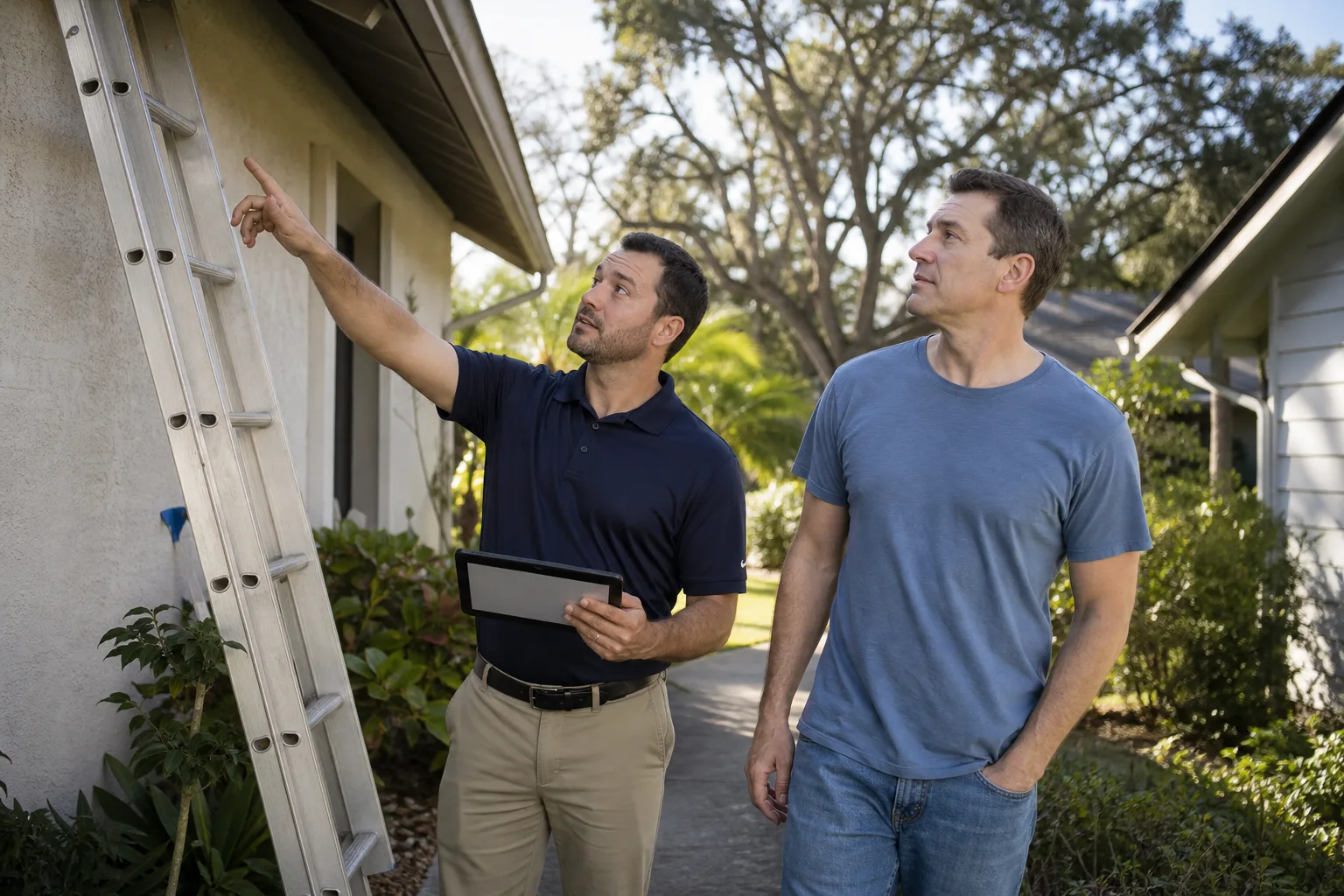
- Initial consultation and estimate (a few days). Measurements, paver selection, allowance confirmation, and a written estimate. Ask for a line-item quote, not a lump-sum number. Allowances in writing mean no surprise upcharges later.
- Permit application and review (1 to 2 weeks in Fremont currently). Driveway expansions, new hardscape affecting drainage, and any work touching the right-of-way typically require a permit. The city reviews the plan, checks stormwater handling, and may ask for a site plan revision. This is the single biggest variable in most schedules.
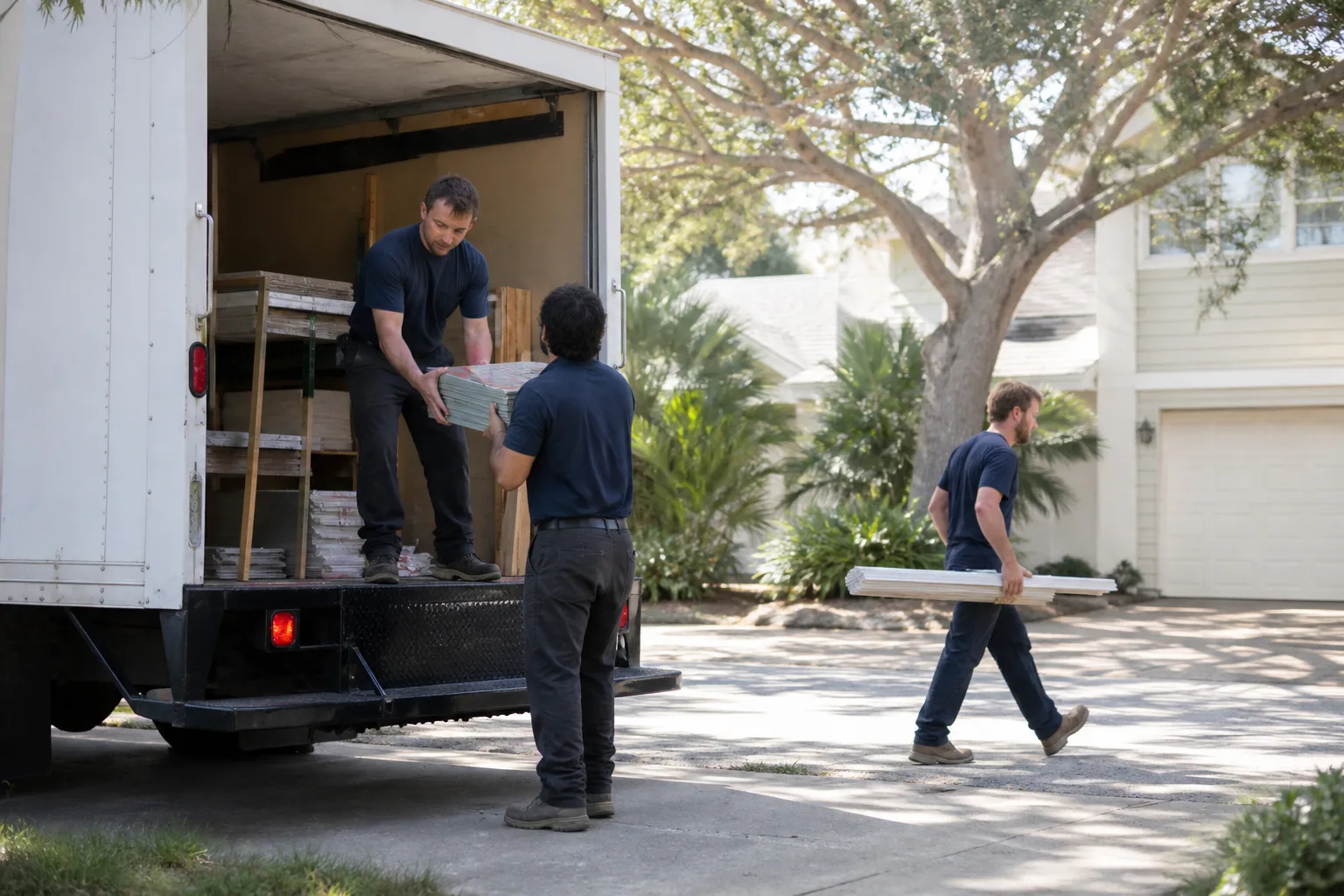
- Material order and lead time (3 days to 3 weeks). Depends entirely on the paver brand and style. Common concrete pavers from a local supplier are often ready in a few days. Premium brands like Belgard or Techo-Bloc in a specific color run can take 2 to 3 weeks, especially in spring.
- Demo day (1 to 2 days). Removal of the existing surface, haul-off, and site prep. A single asphalt driveway takes a day; a driveway with a thick concrete slab, rebar, and a slope correction takes two.
- Base work and cure window (2 to 4 days). Excavation, geotextile fabric, aggregate base, compaction in lifts. This is the step that gets skipped on cheap timelines. The base needs to compact, settle, and be verified before pavers go down.
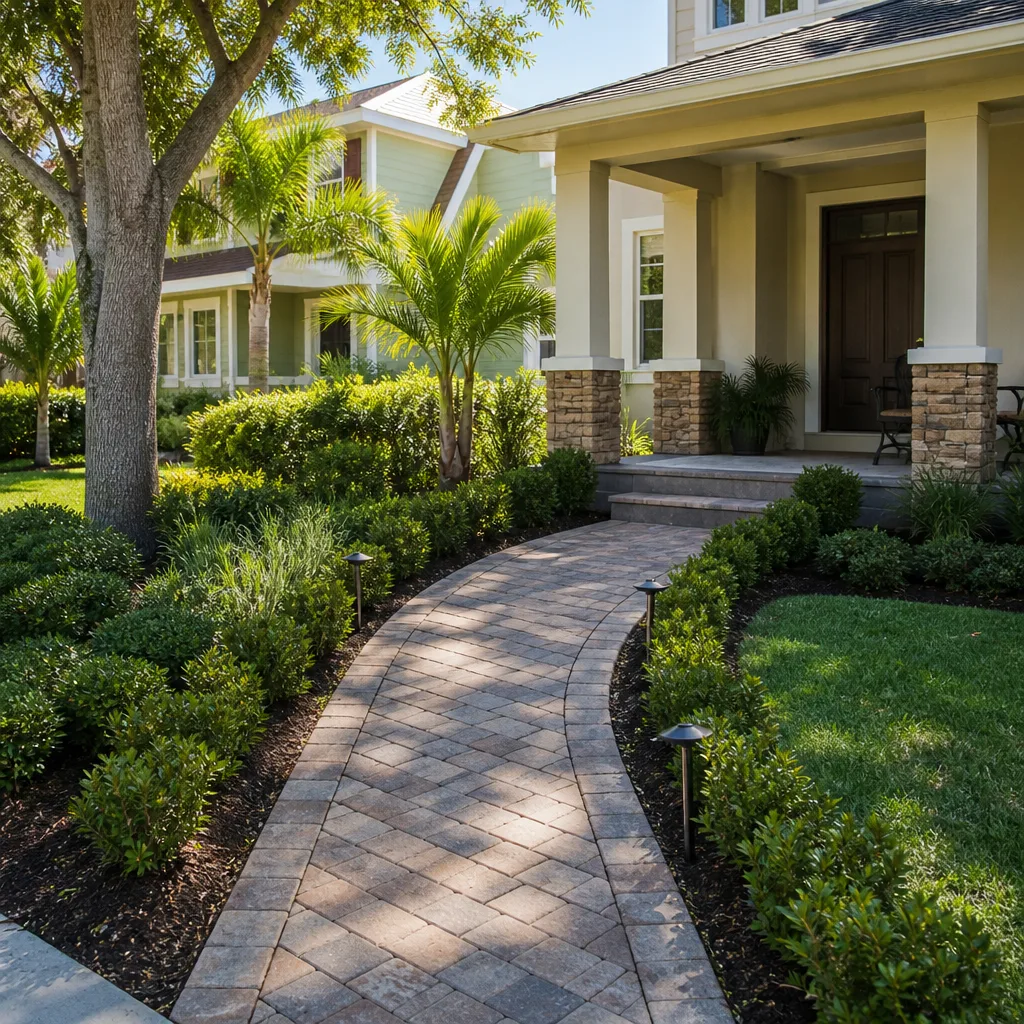
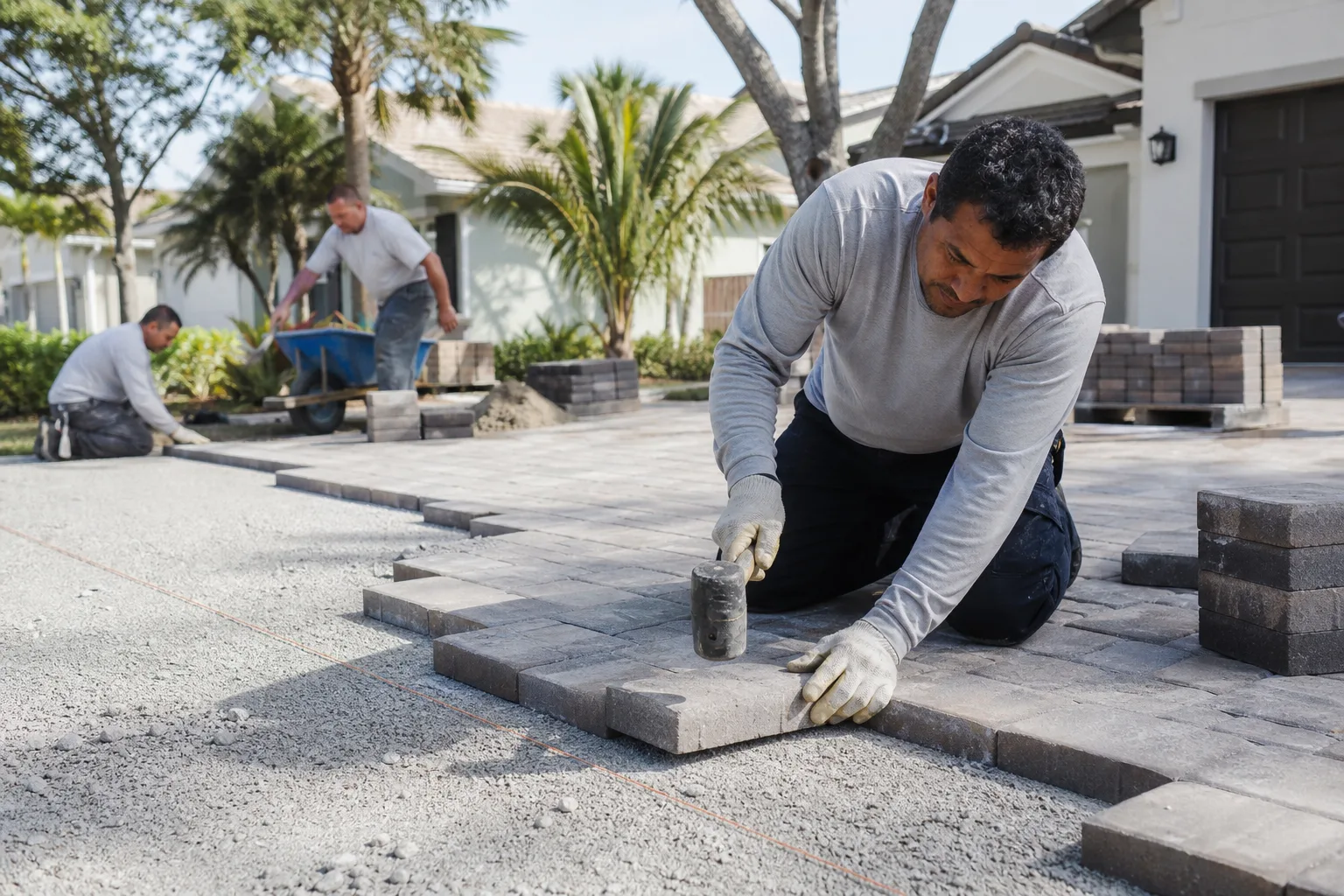
- Paver installation (1 to 3 days). Crew sets the pavers, cuts edges, and checks patterns and slope. A two-car driveway installed by an experienced crew of 3 to 4 runs a day and a half typically.
- Joint sand and cure (1 to 2 days). Polymeric sand is swept in, swept off, and activated with a light mist. It needs a dry window to set. Cars stay off it until it’s fully set.
Total: three to five weeks, sometimes six. If you’re comparing this guide against a quick quote from a national outfit, ask them which of these phases they’re omitting from their timeline. For the full scope of what we install in Fremont, see our Driveway & Pavers in Fremont page.
The Permit Wait Nobody Warns You About
In Fremont, driveway and paver projects that change the footprint, alter drainage flow, or touch the public right-of-way almost always need a permit. Recent review times have been running 1 to 2 weeks for a clean application, and that clock starts the day the city has a complete submittal, not the day you signed the contract. Add a week if the plan set needs a revision.
Here’s the part homeowners don’t hear until they’re already committed: the permit inspector works for you, not for the contractor. That inspection sign-off is your proof the base depth, drainage grading, and compaction meet code, which is exactly the stuff you can’t see once the pavers are down. A contractor who tells you “permits aren’t really needed for pavers” is telling you they don’t plan to have the work inspected. That’s your call to make, but at least make it with the facts.
What you can do to shorten the permit phase:
- Confirm in writing who pulls the permit. It should be the contractor, and it should be included in the written scope.
- Have your property survey or plot plan available. Many Fremont submittals stall on a missing site plan.
- Ask the contractor for the typical review time in your specific area, not a national average. Requirements vary between Fremont neighborhoods, especially in older areas near Niles and Centerville where drainage and easements are tighter.
- Schedule the permit application the same week the contract is signed. A week’s delay here becomes a week of driveway downtime later.
If the project also involves a new fence, gate, or ADU, sequence those permits together where possible. Our Fence Installation in Fremont and Home Additions & ADU in Fremont pages explain how those scopes interact with a driveway job.
Material Lead Time by Paver Type
Paver brand and style drive the second-biggest variable in your timeline. Concrete pavers are usually stocked locally and available in days. Clay brick and premium interlocking brands often ship from regional yards or factories, and a specific color or profile can take two to three weeks. Ask the contractor which paver you’ve selected, what the current lead time is, and whether that lead time is confirmed or guessed.
- Standard concrete pavers (local stock): 3 to 7 days.
- Premium concrete lines (Belgard, Techo-Bloc, etc.): 1 to 3 weeks, depending on color and profile availability.
- Clay brick pavers: 1 to 2 weeks if standard; 3 to 4 weeks for a custom color order.
- Natural stone (travertine, bluestone, granite): 2 to 4 weeks, sometimes longer if imported.
- Permeable paver systems: 1 to 2 weeks, plus additional subbase material lead time.
Here’s where the brand matters in a way that compounds: a specific color in a premium line can go out of stock regionally without warning. A good contractor confirms availability before ordering and gives you a written date, not a verbal “should be a couple weeks.” If your timeline is tight, pick a paver that’s in stock at a local yard rather than the one you saw in a magazine. Ask upfront and get it in writing.
If you’re planning a broader exterior upgrade, order all materials at once and coordinate delivery, so the driveway isn’t the last item waiting on a truck.
Why Weather Windows Matter in Fremont
Fremont’s climate is famously mild, which is why paver driveways last so well here. But “mild” doesn’t mean “weather doesn’t matter.” Two phases of paver work genuinely need a dry forecast:
- Base compaction and cure. Wet aggregate base doesn’t compact properly. If rain hits the base work before it’s been verified, the crew has to re-work or replace it. That’s a lost day, sometimes two.
- Polymeric sand activation. Polymeric joint sand is activated with a light mist and needs a dry window to set. If it rains hard within 24 hours of activation, the joints can wash out and have to be re-sanded.
In Fremont, the rainy season typically runs November through March. Scheduling a paver install in January is possible but means watching the forecast and being ready to shift the start date. April through October is the safest window and the busiest season for crews, which means lead times get longer. That trade-off is real: pick the weather window or pick the date, but don’t expect both unless you book in advance.
If your driveway has existing drainage problems or a slope toward the garage, plan the design before the rainy season. Fixing drainage after the pavers are down costs more and takes longer than doing it right the first time.
Crew Size vs. Calendar Time (They’re Not the Same)
A bigger crew installs pavers faster per day. That’s not the same as a shorter project. Crew speed affects install days only, which are typically 1 to 3 days total. Calendar time is dominated by the phases the crew can’t speed up: permit review, material lead time, base cure, and sand setting.
We’ve seen homeowners negotiate hard for a bigger crew and a faster install day, only to discover their driveway is still unavailable for a month because permits and materials drive the schedule. The right question is not “how many guys will you have on site,” it’s “what’s the realistic start date once the permit is approved and the pavers are on the ground.”
Two crews working for two different contractors on two different projects have wildly different calendar times even with the same crew skill. The difference is scheduling discipline: one contractor books the permit first, orders material to match, and doesn’t start demo until both are lined up. The other starts demo on day one because the homeowner is excited, then parks a giant hole in the driveway while waiting on the city and the truck. Guess which one gets your car off the street faster.
Ask for a written schedule with dates, not ranges. A written schedule is a promise, and a written change order should accompany any change to it. That’s how every Barrett & Sons job is run, and it’s the standard any homeowner should hold any contractor to.
The Access Question Most Homeowners Forget
Where are your cars going to go for three to five weeks? And more importantly, does your driveway serve a garage that you need to get into overnight?
This is the question that turns a smooth project into a stressful one. During demolition, base work, installation, and sand cure, the driveway is unavailable. If the garage holds your only car, or if you use the garage as a workshop, laundry room, or storage you access daily, you need a plan. Most Fremont homes with this setup have three workable options:
- Park on the street with a temporary parking permit if your neighborhood requires one. Check with the city before the job starts.
- Move stored items out of the garage and prep for a couple of weeks of foot traffic in and out of the house via a side door.
- Coordinate with neighbors for short-term parking on a shared driveway or cul-de-sac. More than one Fremont project we’ve run has been saved a lot of friction by a quick conversation with the neighbor whose side of the driveway gets used temporarily.
Also ask where the material delivery truck will park. Paver delivery usually arrives on a flatbed and is dropped on the street or in the driveway. In tight cul-de-sacs or narrow streets, that means blocking the street for a short window and coordinating with neighbors about the exact delivery time.
The one thing you don’t want is to discover any of this on demo day. Have the parking plan drawn up before the schedule is confirmed.
Red Flags in Quoted Timelines
A timeline that sounds too good usually is. Here’s what to watch for when you’re comparing quotes on a Fremont paver driveway:
- “Done in a day.” A standard two-car driveway cannot be correctly demoed, base-prepped, compacted, installed, and sanded in a single day. Something is being skipped, and it’s almost always base cure.
- No mention of a permit. If the scope includes any change to the driveway footprint, drainage, or right-of-way, a permit is almost certainly required in Fremont. A quote with no permit line is either incomplete or intentionally vague.
- No written start date. A range like “sometime in April” is not a schedule. Ask for a written start and finish.
- Materials not specified by brand and color. Mystery pavers mean you can’t check lead time or quality. Premium brands like Belgard or Techo-Bloc come with published specs you can verify.
- No allowance for base depth. Adequate base depth is the single most important factor in how long a paver driveway lasts. A quote that doesn’t specify base depth is hiding a shortcut.
- No written change order process. If the timeline or scope changes, you want it in writing, not on a handshake. That’s how surprise invoices happen.
- Pressure to sign before the permit is reviewed. A real contractor will tell you the actual sequence and wait for the city.
Shortcuts in the base or the cure window don’t show up in month one. They show up two years later as settling, shifting, or sand washout. That’s the cost of a fast timeline: you pay it later, and it’s always more.
Common Mistakes to Avoid
- Planning the project around installation day instead of total calendar time. The driveway is unavailable for weeks, not days. Budget for the full window.
- Not asking about the permit upfront. In Fremont, a driveway expansion or drainage change likely needs a permit. Find out before you sign, not after demo starts.
- Choosing a specific premium paver in a color that isn’t in stock. Check lead time on the exact brand, color, and profile. A 3-week material lead on a 2-week permit is a scheduling conflict you don’t want to discover on day one.
- Ignoring the parking and garage access plan. Where the cars and stored items go determines how stressful the project feels.
- Skipping the base cure to speed things up. This is the hidden cost of a “2-day” timeline. Base compaction is what keeps the pavers flat.
- Not getting a written change order for anything that shifts the timeline. Verbal updates aren’t a schedule. If a start date or scope change is real, it should be on paper before work happens.
- Comparing only the total price. Compare scope, brand, base depth, permit handling, and written schedule. That’s what you’re actually buying.
See the difference
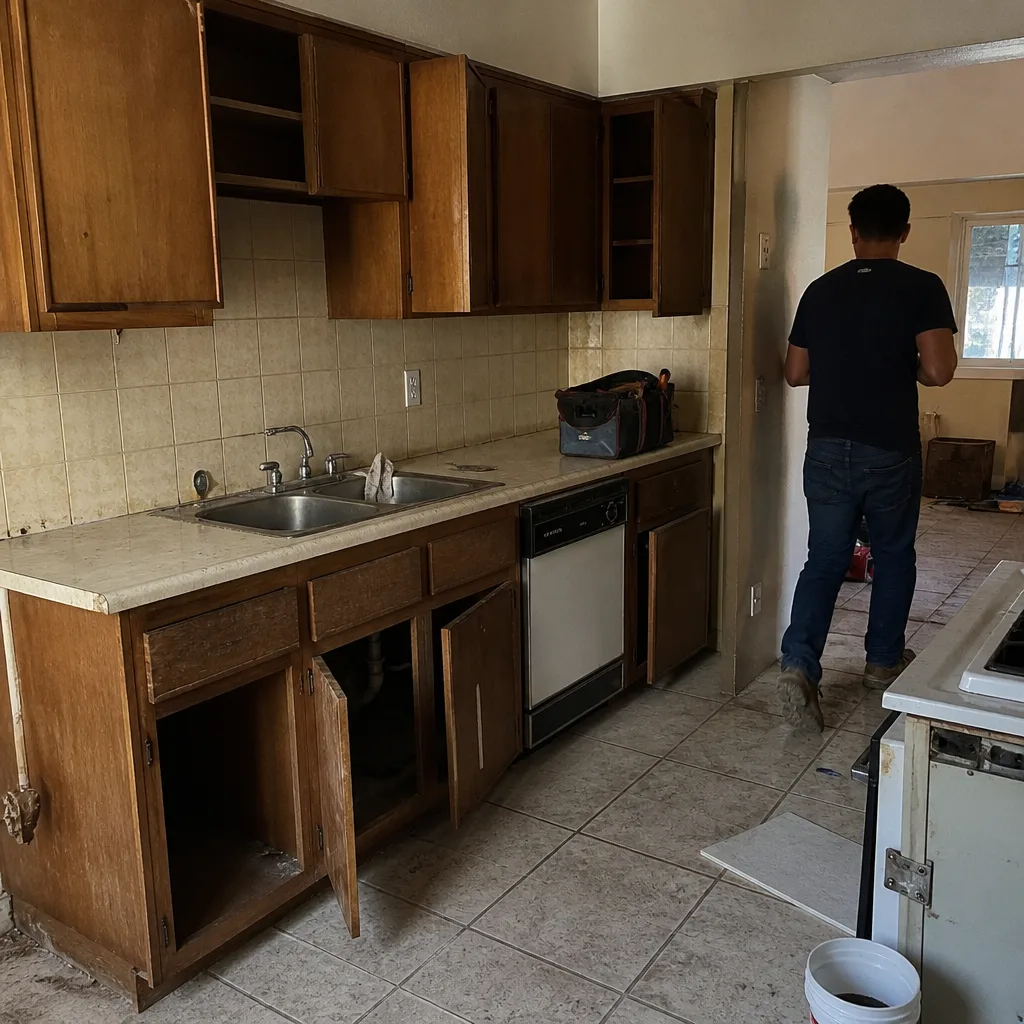 Before
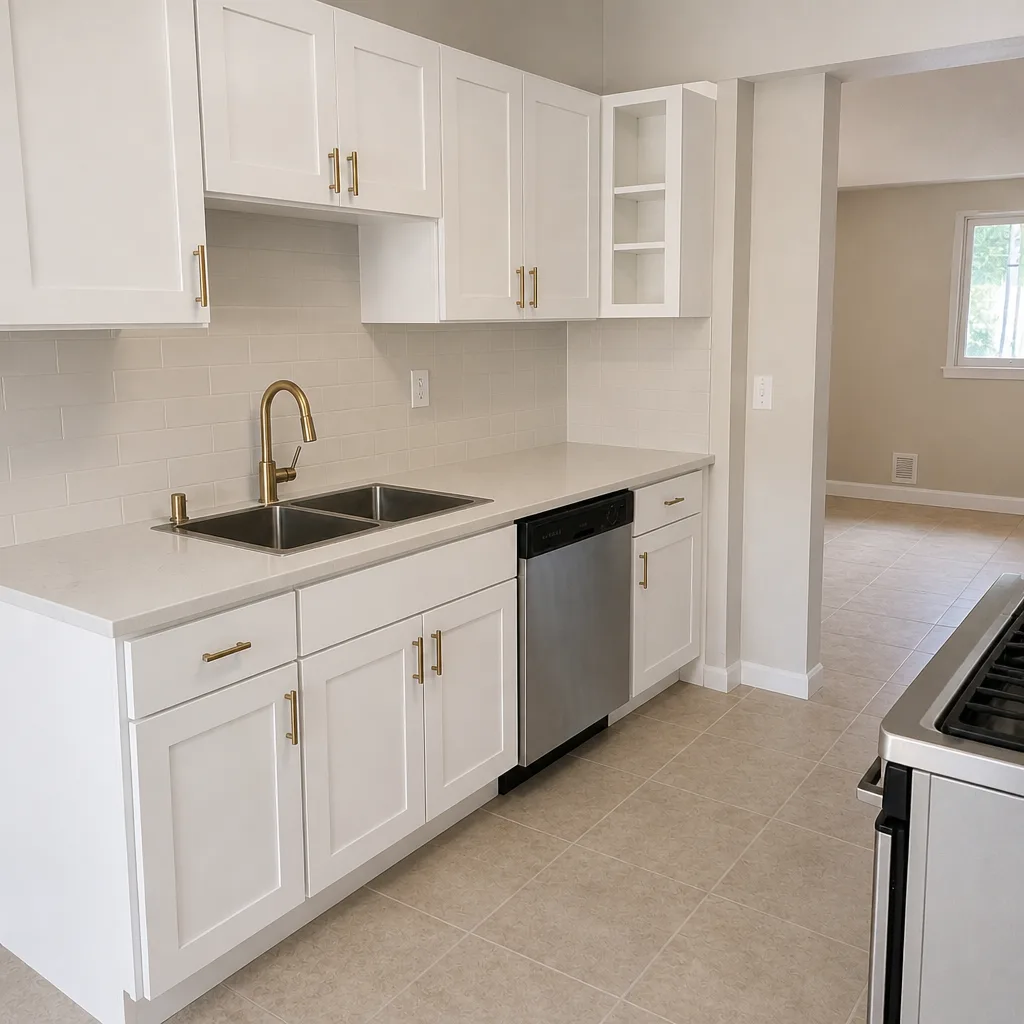 After
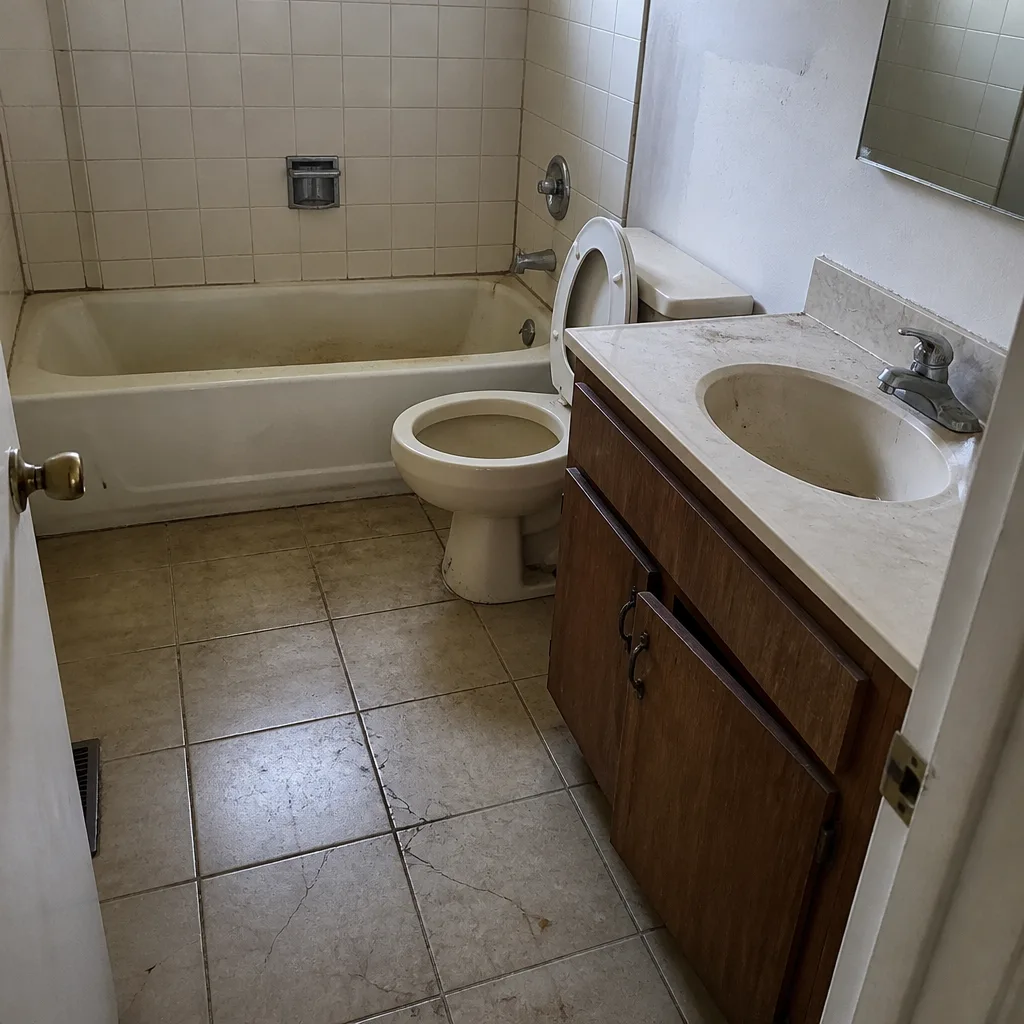 Before
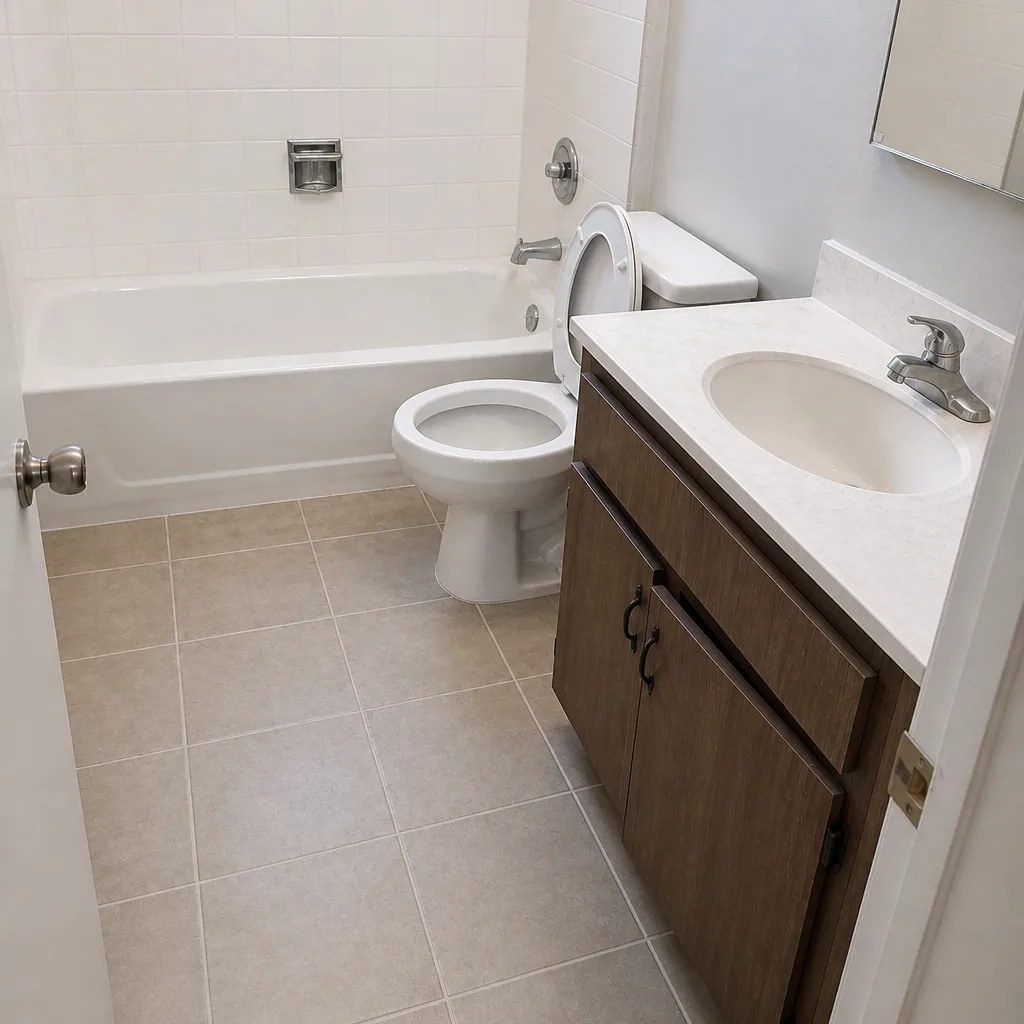 After
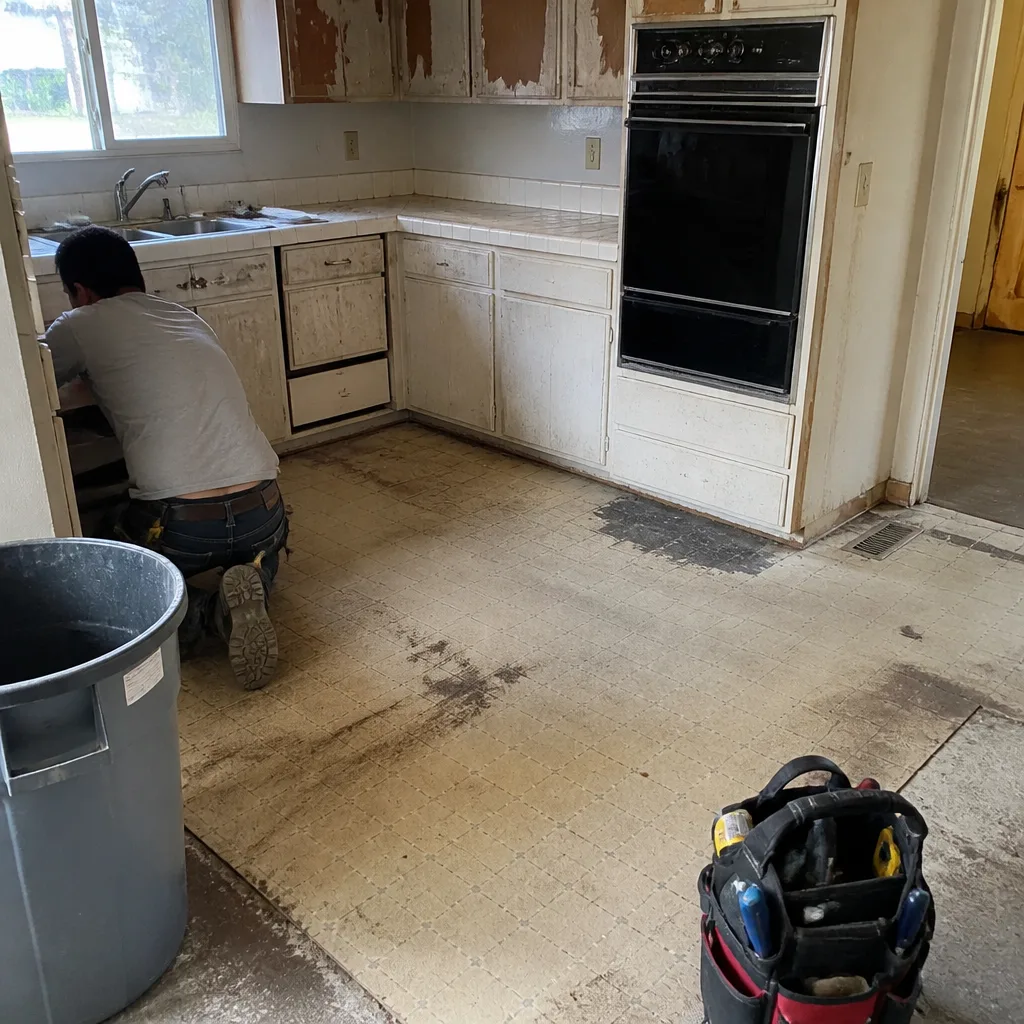 Before
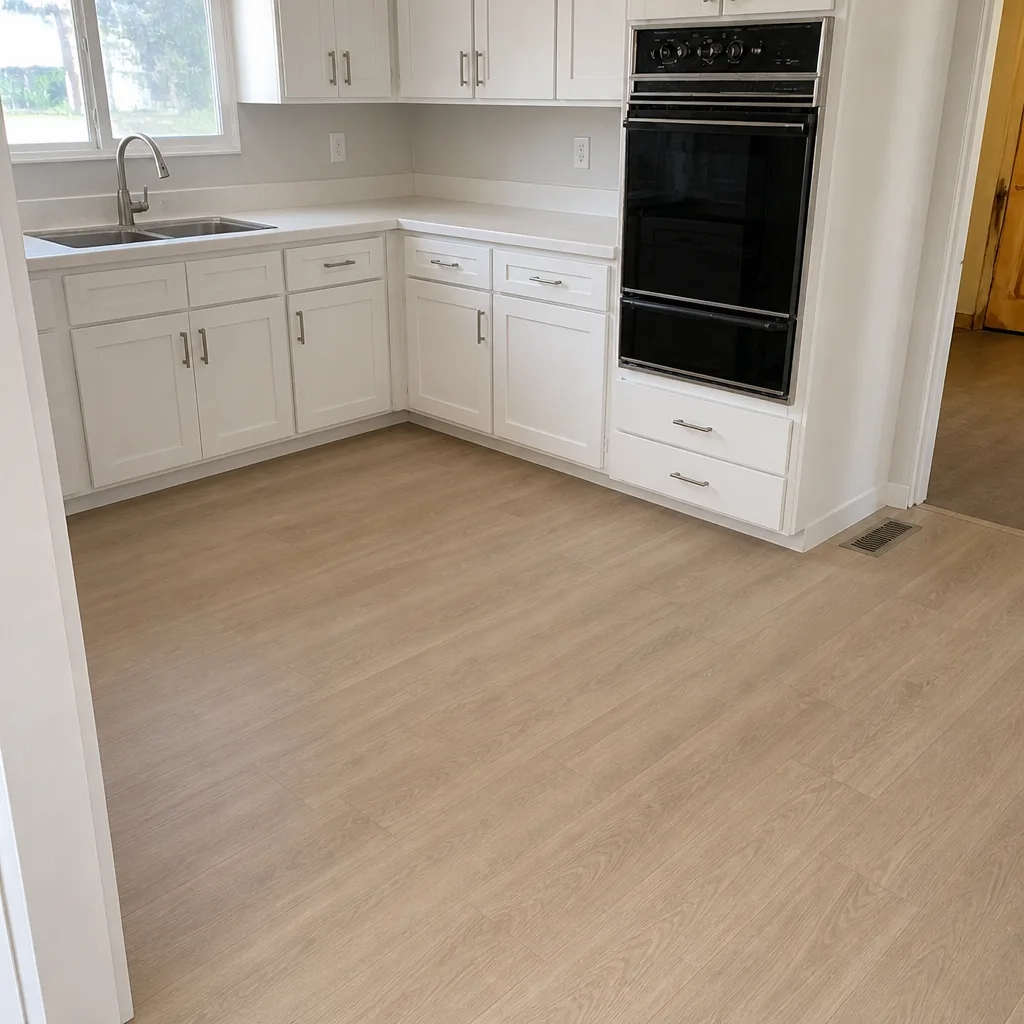 After
When to Call a Professional
A paver driveway project in Fremont is a professional job for several reasons. Base depth and compaction require equipment and inspection that’s not realistic for a homeowner to do correctly, and the permit inspection has to be signed off by a licensed contractor. Any work on a driveway that slopes toward the house or garage is drainage work, not just hardscape, and getting it wrong means water in the garage for years. If your existing driveway has settled in sections, if any part of the surface is failing (cracking, crumbling, sinking), or if the project involves widening, realigning, or changing the drainage pattern, that’s the point to bring in a licensed contractor rather than attempt it yourself. Barrett & Sons Construction Fremont offers free estimates in Fremont, and we’ll walk the site, show you what we see, and give you a written quote with a written schedule. Call (833) 620-6162 to set it up.
Frequently Asked Questions
Active installation work is typically 2 to 4 days for a standard two-car driveway. The total calendar time from signed contract to first parked car is 3 to 5 weeks once permits, material lead time, base cure, and joint sand setting are included. Call (833) 620-6162 for a written schedule based on your specific driveway.
In Fremont, a paver driveway typically needs a permit if it changes the footprint, alters drainage, or touches the right-of-way. Plan for 1 to 2 weeks of permit review time. Ask the contractor to include permit responsibility in the written scope, and confirm it before signing.
No. A paver driveway cannot be correctly demoed, base-prepped, compacted, installed, and sanded in two days. Any quote that says “two days, done” is skipping base cure, the phase that determines whether the driveway settles in two years. Worth asking what their timeline leaves out.
April through October is the safest weather window in Fremont because base work and polymeric sand both need dry conditions. November through March is possible with careful scheduling, but expect weather delays. Book spring and summer projects early because crew availability tightens.
Costs vary by square footage, paver type, base prep, and permit requirements. A standard concrete paver driveway is the most economical; premium brands like Belgard or Techo-Bloc add cost and lead time. Call (833) 620-6162 for a free written line-item estimate; we don’t do verbal pricing.
On a properly run job, the price you sign is the price you pay, unless something on site is genuinely different from the scope and you approve a written change order before work proceeds. Verbal changes are how surprise invoices happen. Get every scope change in writing.
The Bottom Line
Plan for four weeks, expect two days of actual installation, and don’t let anyone compress the schedule without cutting something that matters. In Fremont, permits, material lead time, base cure, and sand setting drive the calendar, not crew speed. The best timeline is one the contractor puts in writing, with a written change order process and a permit pulled. If a quote feels too fast, it probably is. If you want a real timeline for your driveway, from a contractor who pulls the permit and shows up to sign the final inspection, call Barrett & Sons Construction Fremont at (833) 620-6162 for a free estimate. Start at our Barrett & Sons Construction Fremont home page to see how we run every project, then come back for the driveway.
Written by the team at Barrett & Sons Construction Fremont.