
Free written scope consultation - allowances, timeline, and change-order rules on paper before a single trade is scheduled
Atlas Home Additions & ADU: The Fremont Owner’s Guide
If you own an Atlas home addition or ADU in Fremont, the most useful number to know is this: a typical Atlas addition runs $45,000 – $130,000 installed here, and an Atlas ADU runs $90,000 – $220,000, depending on size, foundation conditions, and whether the structure already has its footing or is going in from scratch. We’re an independent contractor working with Atlas-compatible systems, not an Atlas dealer, so we price the work on your building’s actual condition, not on a catalog page. Owners usually call us after noticing something small that got big: a door that stopped latching flush against the frame, a hairline crack running from a header down the drywall, or a floor that’s started to feel a little springy underfoot in the back bedroom. Those three symptoms alone tell us a lot about what Atlas put in and how it’s holding up in Fremont’s clay-heavy soil.
Which Atlas Models This Applies To
Atlas has built prefab additions and ADU shells across several product generations, and the parts change between them. The most reliable way to identify what you have is to find the data plate, usually on the inside face of the primary structural beam or on the panel rim near the utility penetration. That plate gives you the model series and build year, which is what we need before we order anything. Later Atlas shells use a wider shear panel on the long walls than the earlier ones did – about a 4-foot field panel versus the older 2-foot stagger – and that difference changes how a wall repair gets framed. We can often source OEM Atlas parts through the manufacturer’s supply chain when the panel or fitting is still in production, and we’ll source a quality aftermarket equivalent when it isn’t. We’ll tell you which one we’re using and why before we order it. If the data plate is gone or unreadable, we take measurements on site to match your generation.
Styles & brands we work with
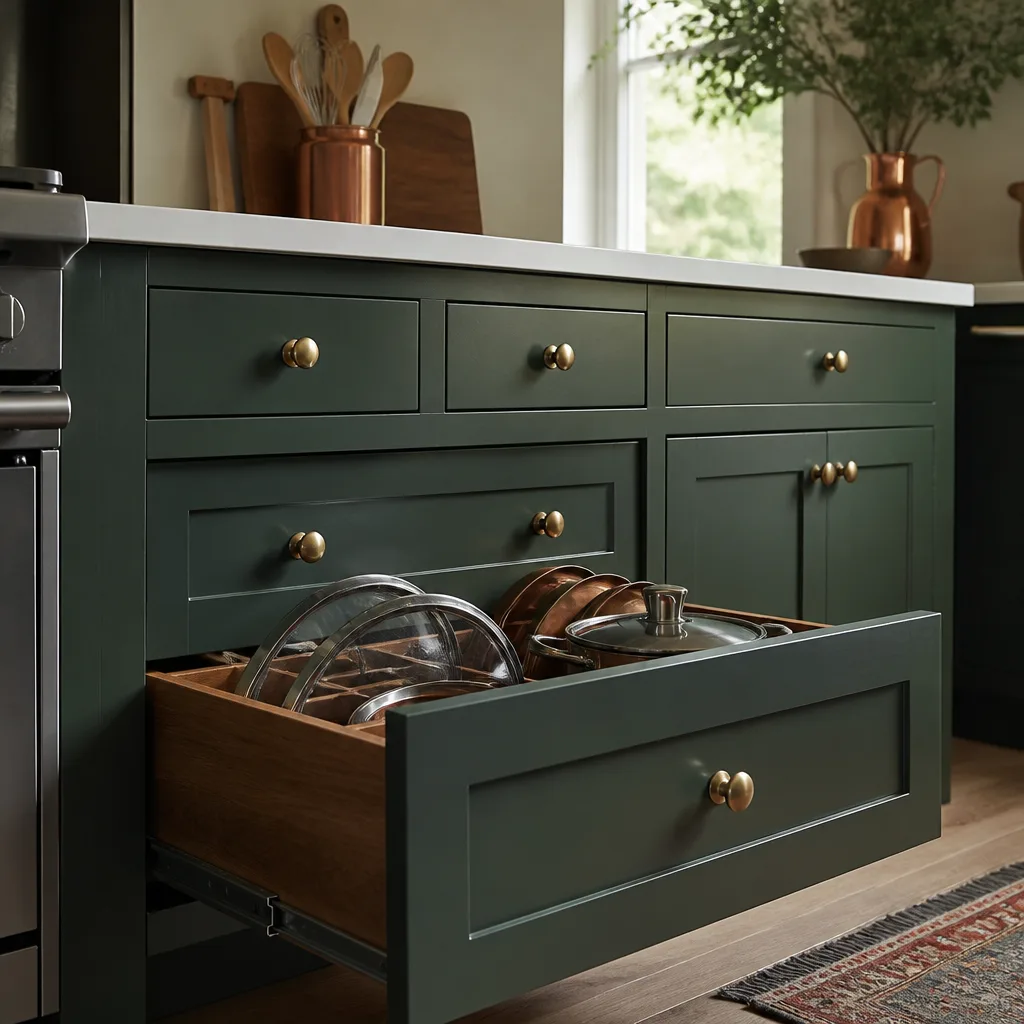
- Kitchen remodeling
- Bathroom remodeling
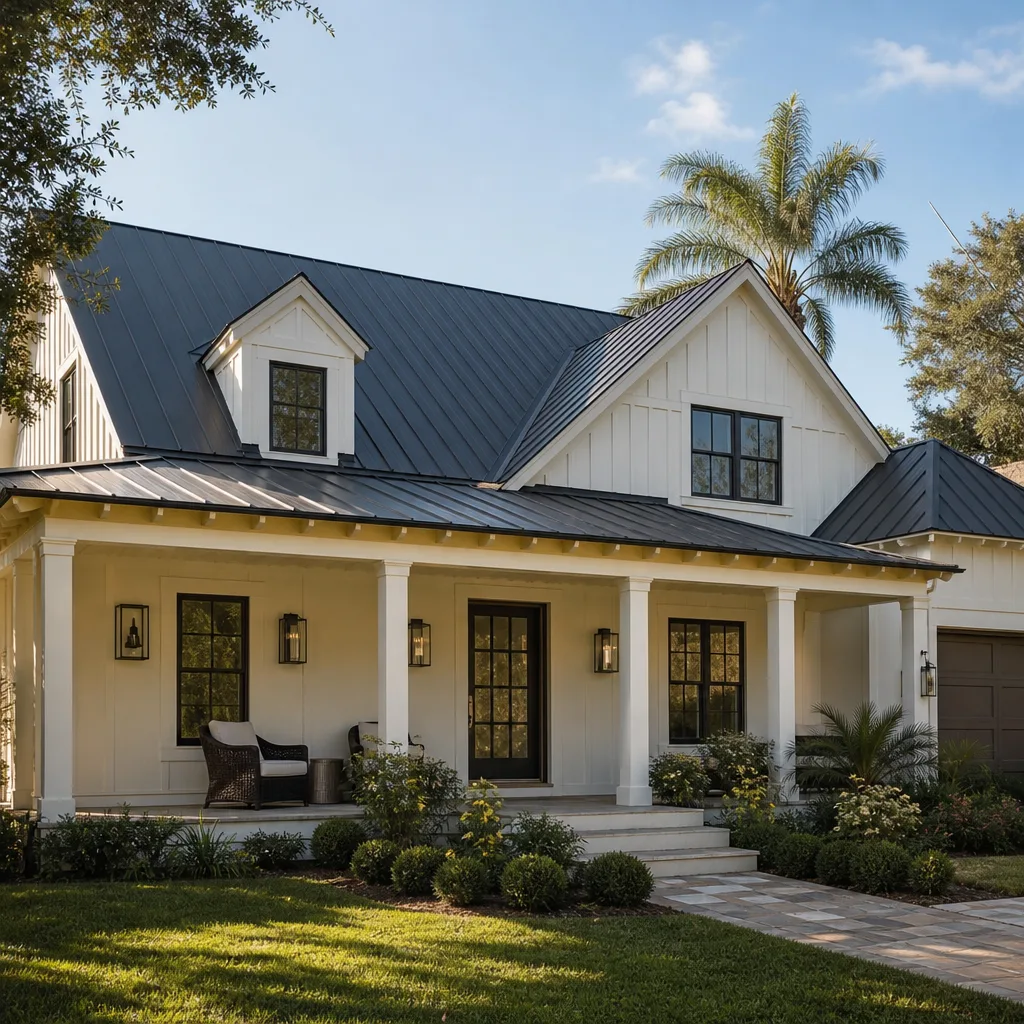
- Home additions & ADU
- Roofing
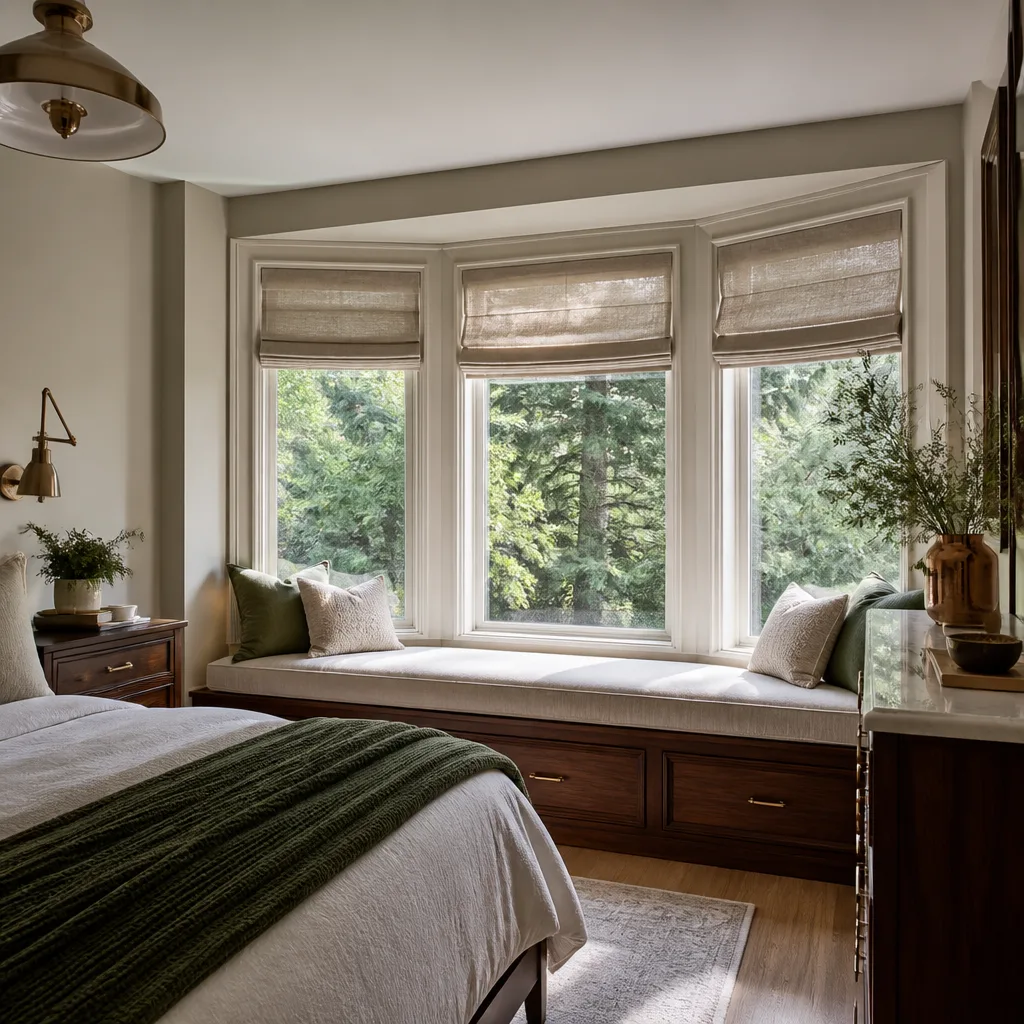
- Windows & doors
- Driveway & pavers
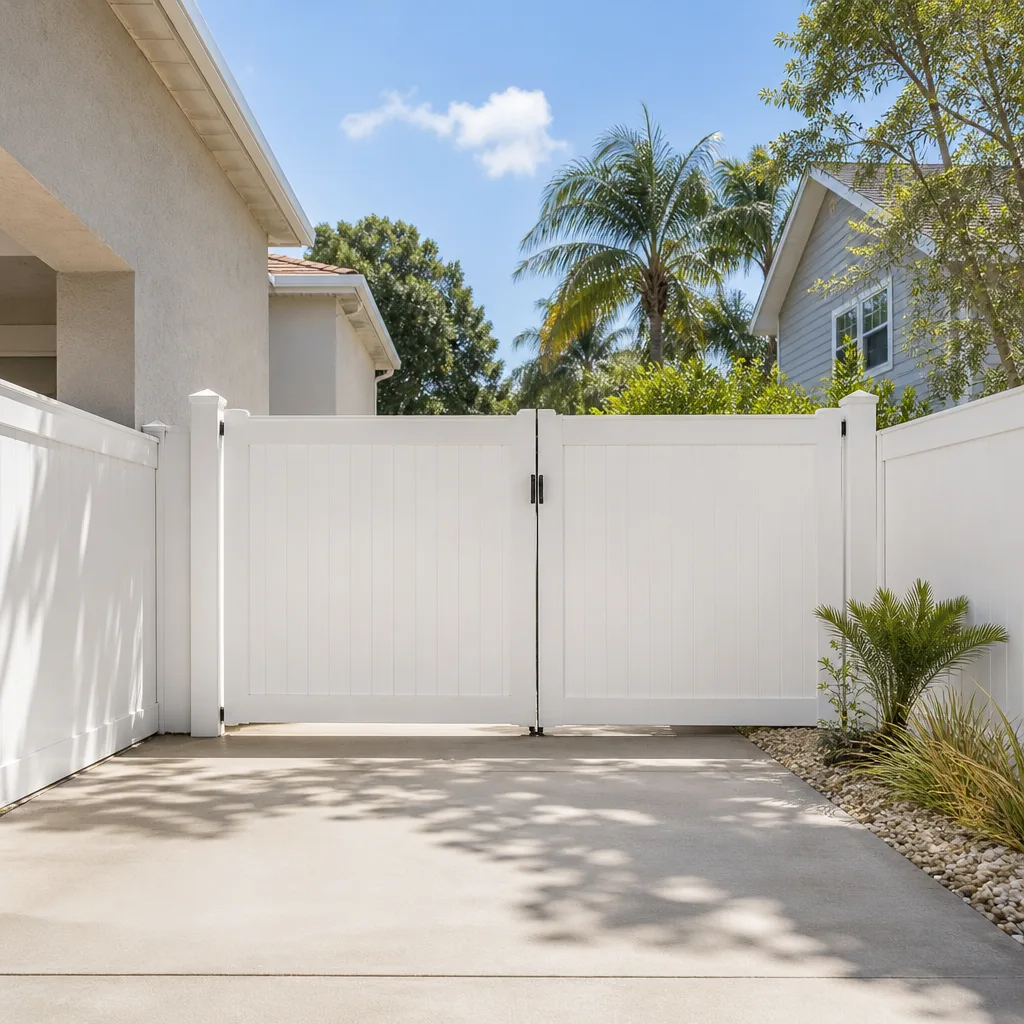
- Fence
Signs Your Atlas Home Additions & ADU Is Failing
- Sticking doors or windows that don’t move freely. This usually means the wall framing has shifted slightly, and in Fremont’s shrink-swell clay soil, even a small settling change can bind a door within a season. It’s not a hinge problem when it affects two or three openings on the same wall.
- Hairline cracks at drywall seams and above door headers. These often start where the panels meet and track outward from a corner, which points to movement between the shell sections rather than a bad paint job. Left alone, moisture wicks into the crack and the repair grows.
- Ceiling or floor sag along the panel seams. If a straightedge laid across the seam shows a visible dip, the connection hardware or the underlying joist has started to give. In ADUs, this often shows up first near the bathroom where the floor gets the most traffic.
- Water staining or soft spots at utility penetrations. These are where the manufacturer ran plumbing and electrical through the shell, and they’re the most common leak point on any Atlas structure in the Bay Area’s wet winters. A soft spot in the wall board there means the sealant failed and water got behind it.
- Drafts or temperature swings that weren’t there before. Insulation settles and seals compress, and the result shows up as a cold room in January rather than an obvious hole. If one part of your addition always runs hotter or colder than the rest, the thermal envelope has a gap.
See the difference
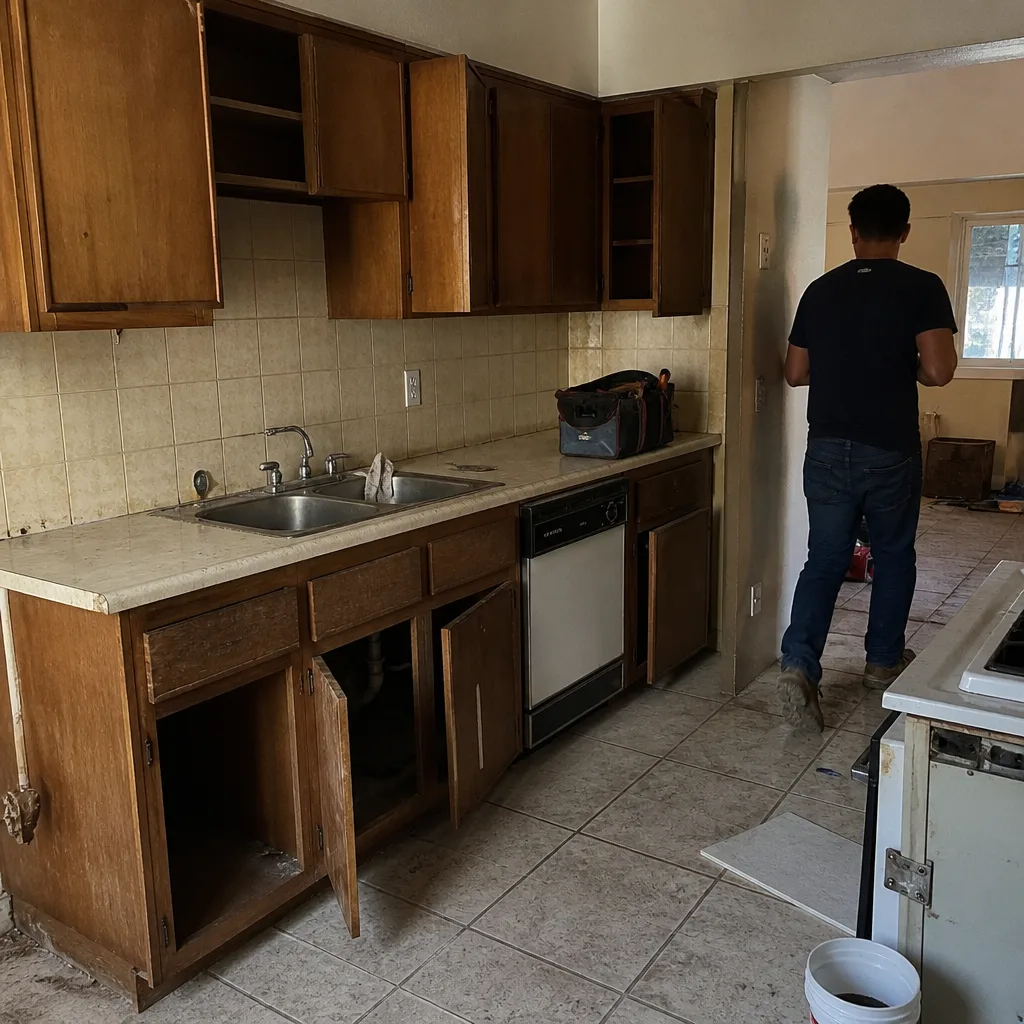 Before
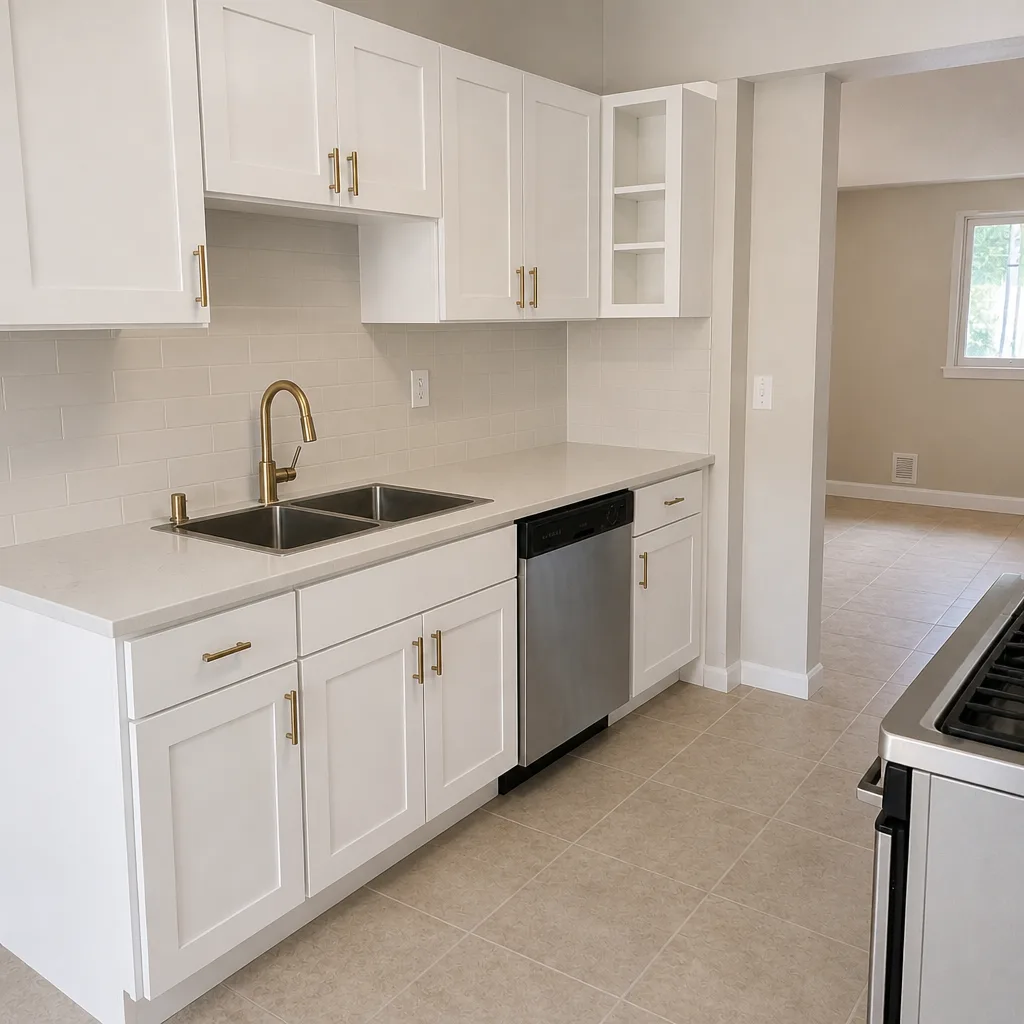 After
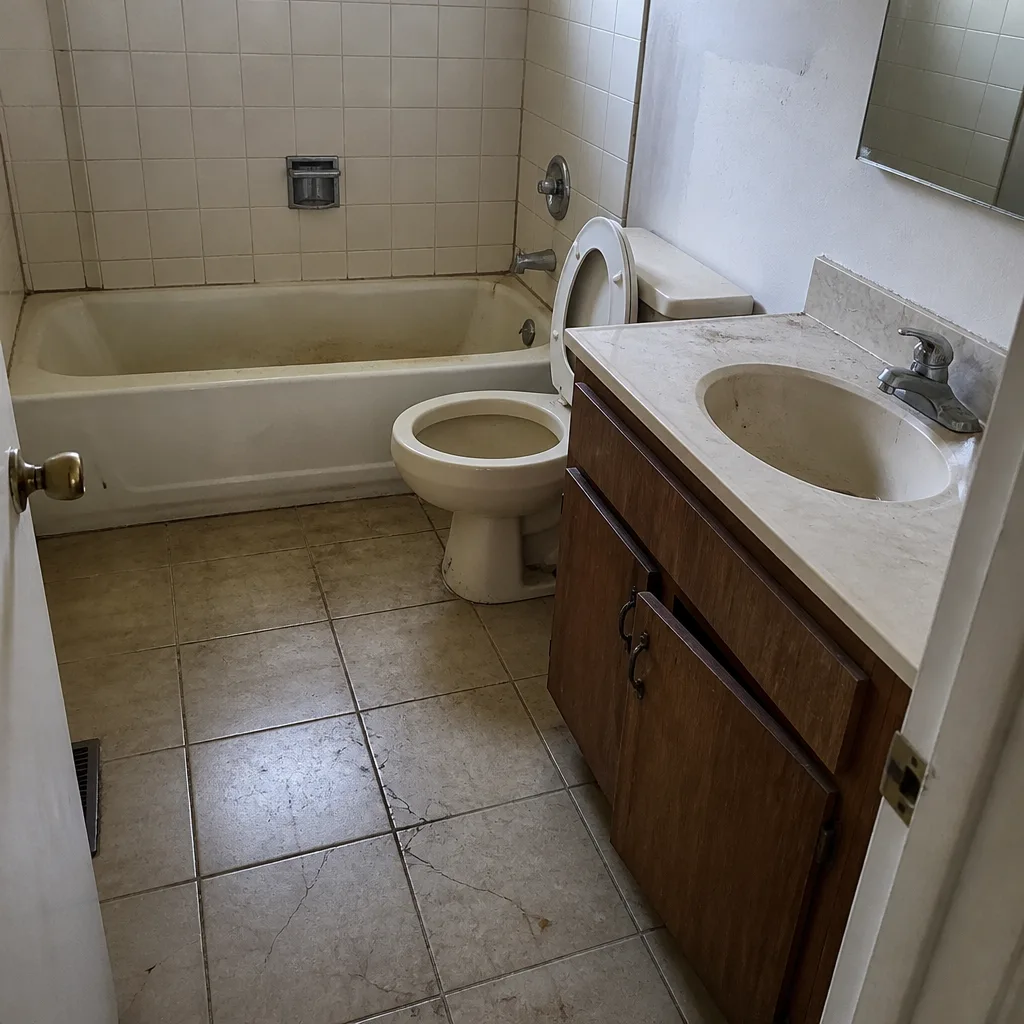 Before
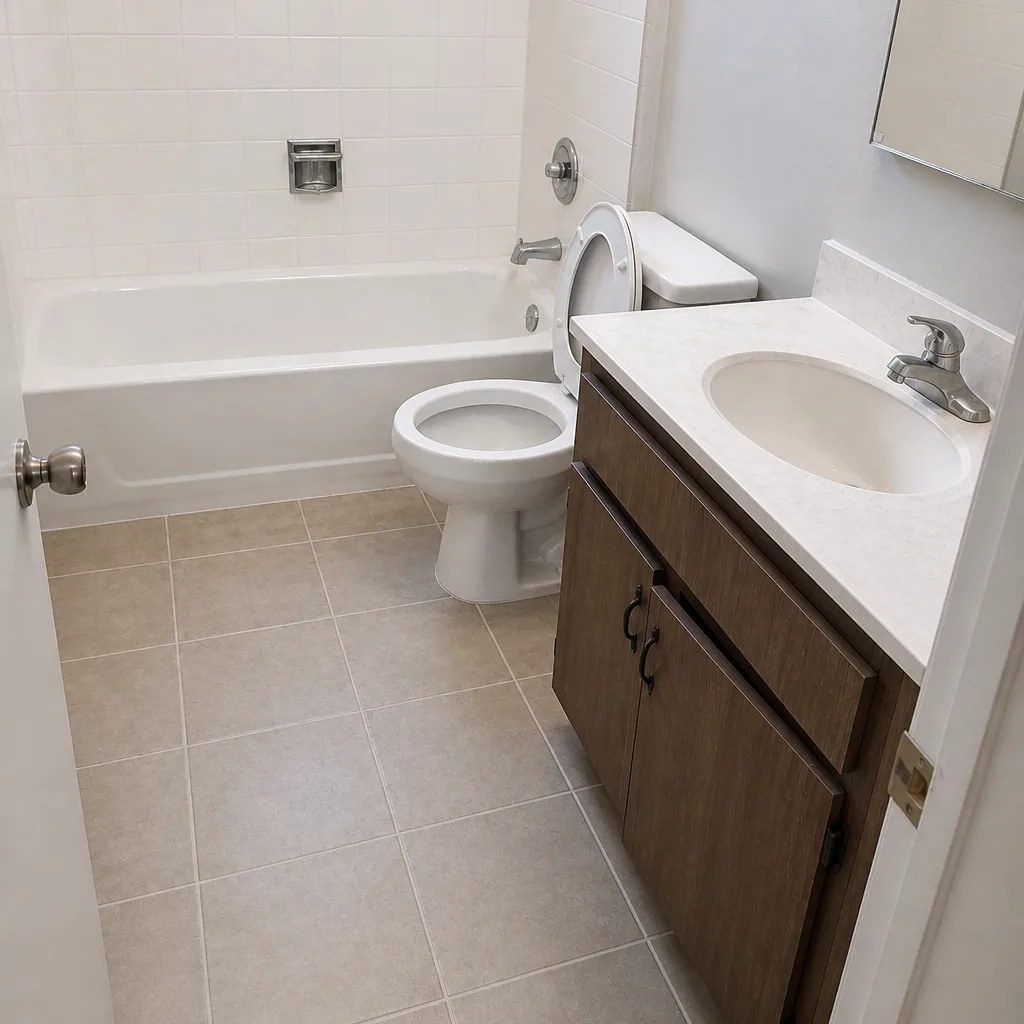 After
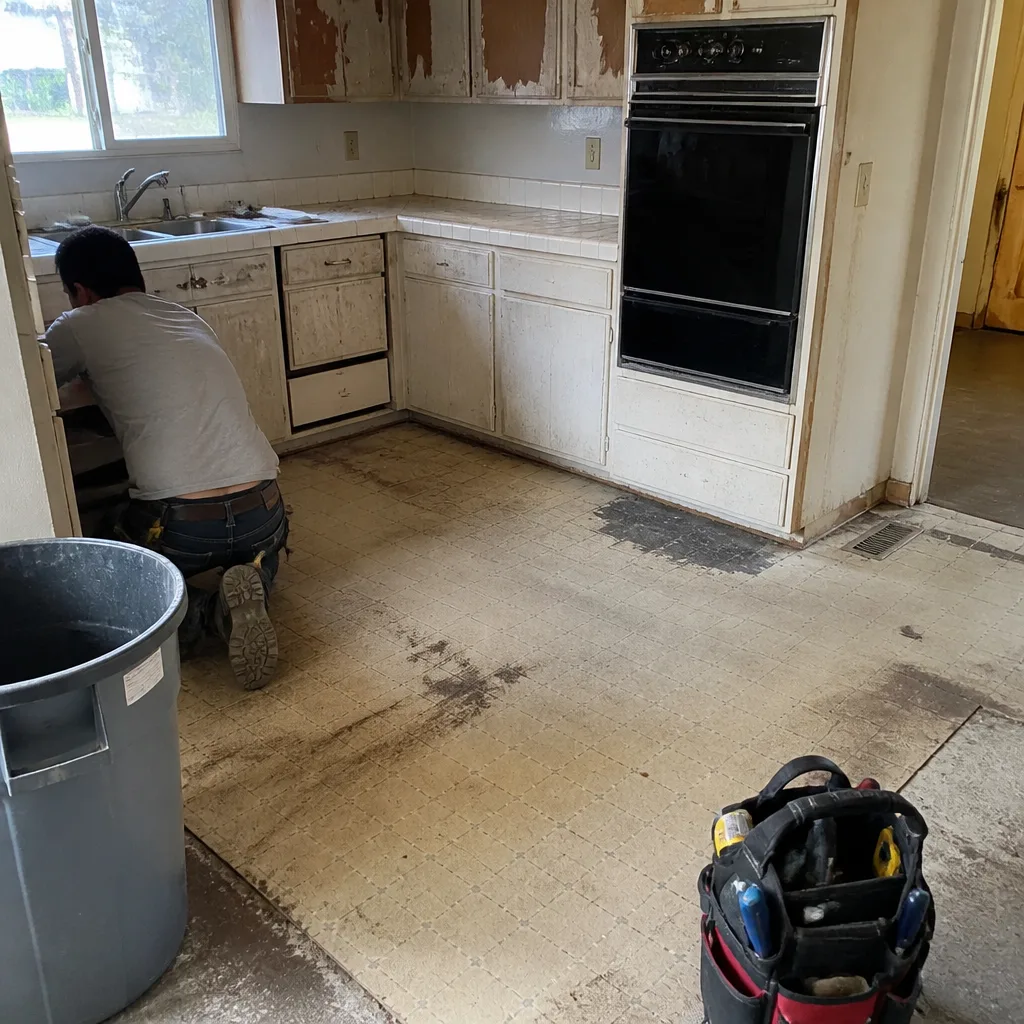 Before
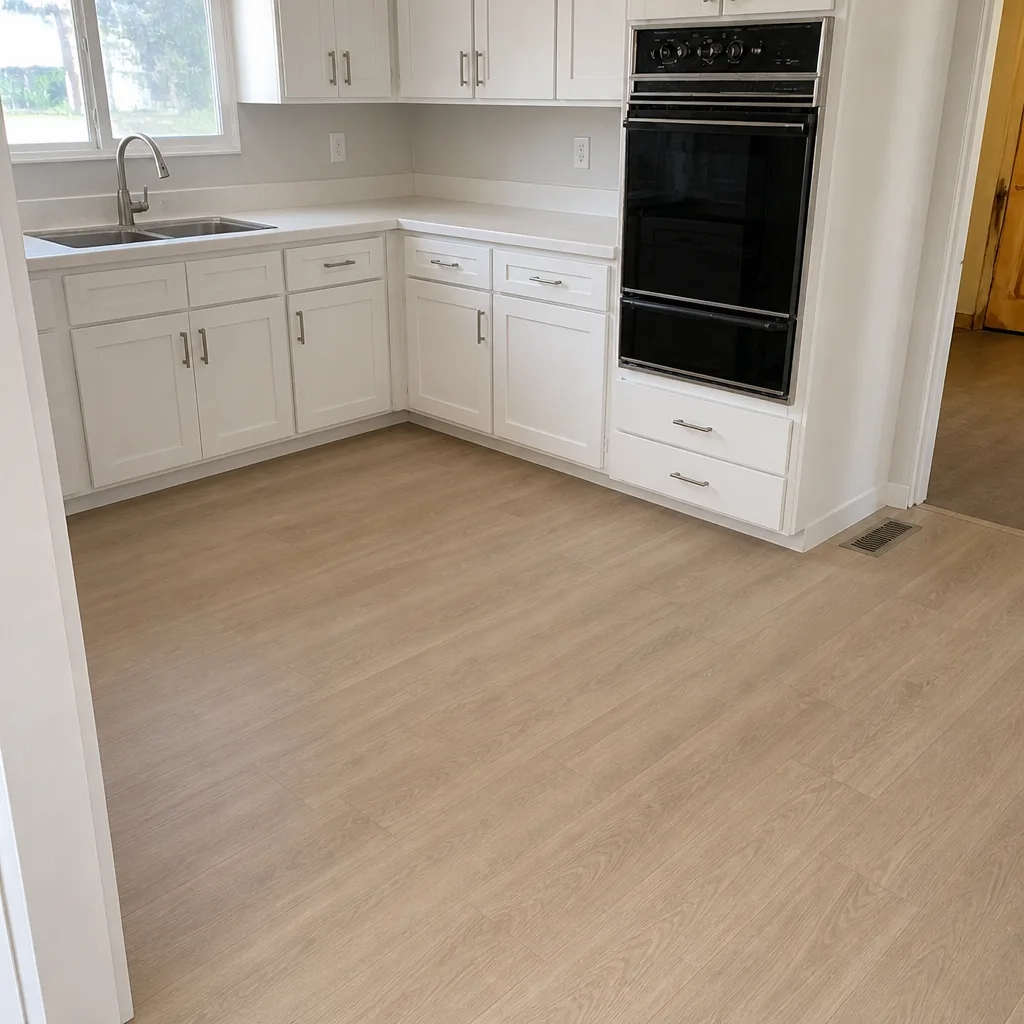 After
Replacement Cost & What’s Included
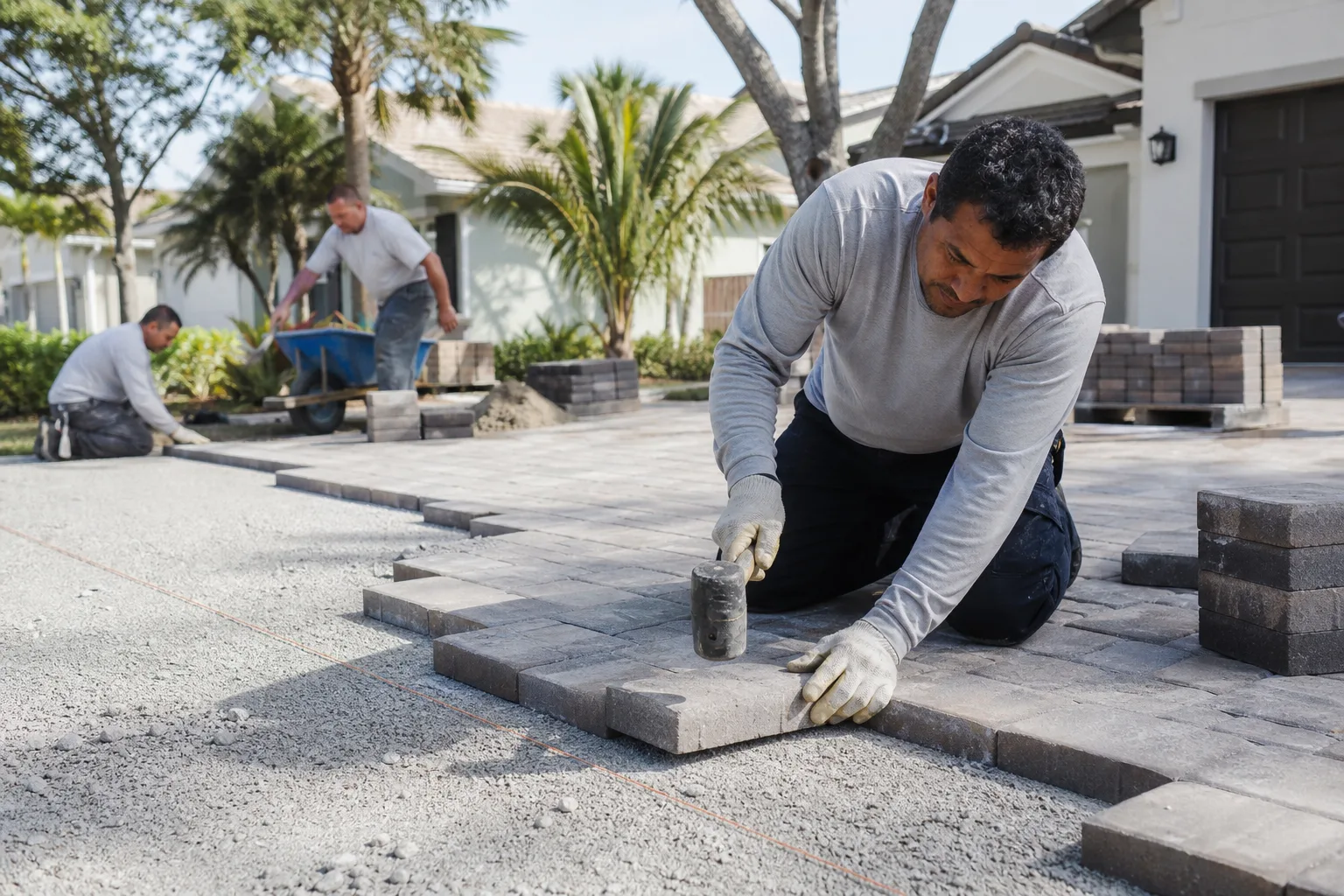
Here’s what the work actually runs in Fremont, broken down by scope. These are installed prices, parts plus labor, and they’re the same numbers we quote on site after we’ve measured.
| Scope | Installed range |
|---|---|
| Home addition, full build | $45,000 – $130,000 |
| ADU construction | $90,000 – $220,000 |
| Garage conversion to living space | $30,000 – $80,000 |
What pushes a job toward the top of the range: foundation work, extending the roofline, and relocating utilities. What keeps it at the bottom: a shell that’s already square with good footings and a repair that stays localized. Every price change we propose arrives as a written change order before any work happens, and every eligible job gets its permits pulled and its inspections signed. The completed work carries our 90-Day Done Right Promise in writing – if something isn’t right, one call brings us back. We also carry premium brands across the trades we touch, from KraftMaid and Cambria in the finish work to GAF on the roof, so you can look up what’s going in your building. We also work with Silestone for counters. Every estimate we give is line-item and free.
DIY or Call Us?
Some things you can check yourself, and we’d rather you did. Walk the perimeter looking for cracks wider than a credit card, press on the drywall near utility penetrations to feel for soft spots, and lay a level across the floor seams to see how much dip is really there. Take photos with a tape measure in frame. That’s genuinely helpful and it’s safe.
What we don’t recommend is opening up wall panels or trying to reseat structural connections on an Atlas shell yourself. The framing and connection hardware on a prefab addition carries load in ways that aren’t obvious once the drywall is closed, and pulling the wrong panel can shift the load path through the whole add-on. ADUs add another layer: they have their own electrical and plumbing systems, and those aren’t a homeowner repair in any situation. That’s the honest line for us, and we won’t talk you past it. If you’re seeing what looks like a structural symptom, call us at (833) 620-6162 and we’ll schedule a free estimate that includes a look at the actual condition.
FAQs
A well-maintained Atlas shell should hold its structure for decades, but in Fremont’s clay soil and rainy winters, expect to address sealant at the utility penetrations every few years and to check the foundation for settling within the first ten. The structure itself is built to last; it’s the seals and the footing contact with expanding clay that need attention over time, and that’s true regardless of what brand is on the plate.
In many cases, yes – a sticking door or a hairline crack usually gets fixed rather than rebuilt, and that’s meaningfully cheaper. Repairs make sense when the damage is cosmetic or isolated to a seam. Replacement is the right call when the framing has shifted or the footings have moved, because patching over a moving structure just buys you a year before the problem comes back. We’ll tell you which one you’re looking at after we’ve measured. Call (833) 620-6162 for a free estimate and a straight answer.
A localized repair usually runs a few days to a week, while a full addition or ADU build runs multiple weeks to a few months depending on scope and the inspection schedule. The biggest variable is the city permit timeline, not the labor. Because every job has its permits pulled and inspections signed, we build in that time up front rather than discovering it mid-job.
We start from the data plate on your structure, then go to the manufacturer’s supply chain for an OEM part if that generation is still in production, and to a quality aftermarket equivalent when it isn’t. Either way, you get a written line-item quote showing exactly what’s being ordered and why. We don’t claim to stock parts or carry them on a vehicle – we order what your building actually needs, and we show you the spec before we buy. Call (833) 620-6162 to set up your free estimate.
Written by the team at Barrett & Sons Construction Fremont, serving Fremont and nearby areas.