
Free written scope consultation - allowances, timeline, and change-order rules on paper before a single trade is scheduled
James Hardie Kitchen Remodeling: The Fremont Owner’s Guide
James Hardie kitchen remodeling in Fremont typically runs $14000 – $45000 for a full project and $9000 – $20000 for a smaller kitchen, with cabinet installation alone at $4000 – $13000. We install James Hardie fiber-cement products alongside KraftMaid cabinetry, Cambria and Silestone counters, and we work in Fremont kitchens where the original 1950s and 1960s layouts meet modern code. Most owners discover a failure the same way: a backsplash tile pops loose, a bead of caulk keeps splitting above the range, or the fiber-cement panel behind the counter starts to wick moisture and show a chalky white bloom after a wet winter. That bloom is called efflorescence, and in Fremont’s marine-air climate it’s one of the first signals a seal or substrate detail was missed.
Key Takeaways
- James Hardie fiber-cement in a Fremont kitchen needs the right substrate and a sealed edge, or moisture finds it.
- Full kitchen projects here run $14000 – $45000; smaller kitchens $9000 – $20000.
- We are an independent contractor, not affiliated with James Hardie, and we pull permits on every eligible Fremont job.
- Every price change arrives as a written change order before work proceeds.
Which James Hardie Models This Applies To
James Hardie doesn’t make a “kitchen part” the way a faucet cartridge is a part. What fails in a kitchen is the fiber-cement panel product, and the two you’ll find behind a Fremont backsplash or on a soffit are HardieBacker (the cement backer board under tile) and HardiePanel (exterior siding, sometimes used as a finish interest wall). The exterior line has a clear model history: HardiePlank lap siding, HardiePanel vertical siding, and HardieShingle. Each has its own thickness and edge profile.
Here’s the compatibility gotcha that trips people up. HardieBacker comes in 1/4-inch and 1/2-inch thicknesses, and the 1/4-inch is not rated for floor or heavy-load use, only walls and counters. If a previous remodel used 1/4-inch behind a kitchen tile backsplash with a heavy stone, the panel can flex and the tile cracks along the grout. The 1/2-inch is the right call there. Check the printed edge stamp on the panel: it lists the thickness and the product name, and that stamp is how you confirm you’re matching the right board. OEM HardieBacker is the safest match. Quality aftermarket cement board exists, but the fiber-cement density and moisture resistance differ from Hardie’s formula, so we don’t swap brands mid-project. Identifying the right part is a matter of reading the stamp, measuring the panel edge, and matching the substrate spec to what’s actually going over it.
Styles & brands we work with
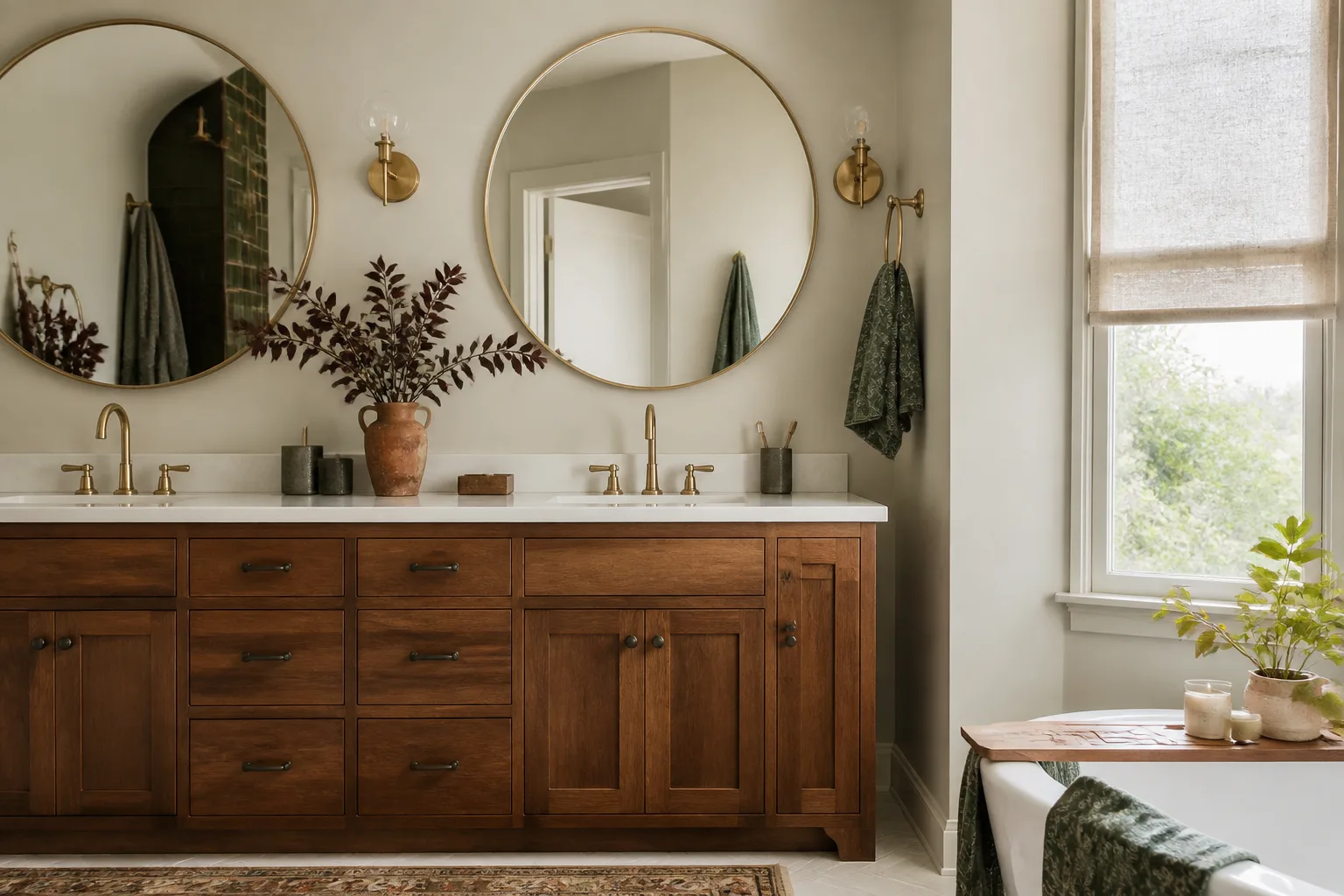
- Kitchen remodeling
- Bathroom remodeling
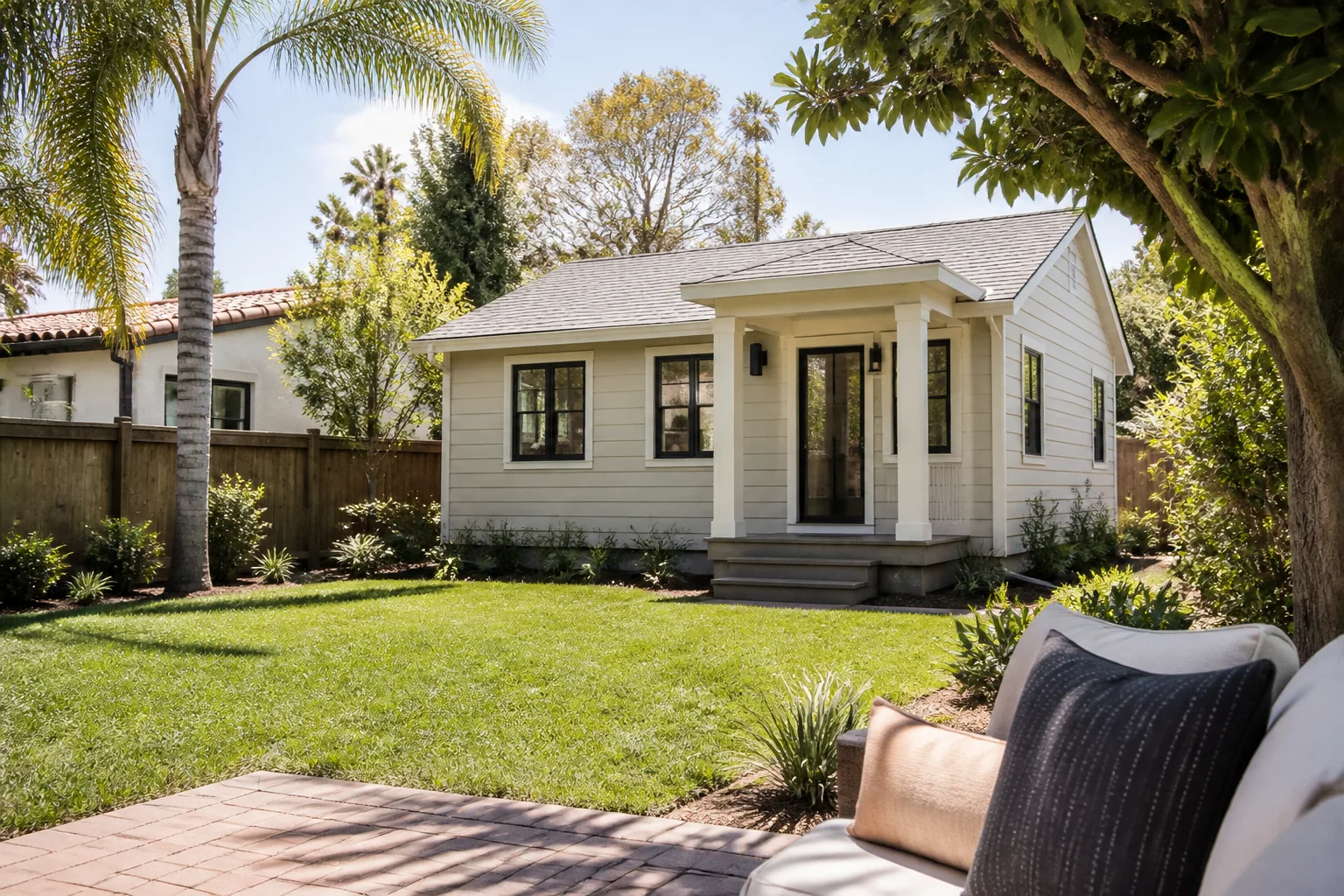
- Home additions & ADU
- Roofing
- Windows & doors
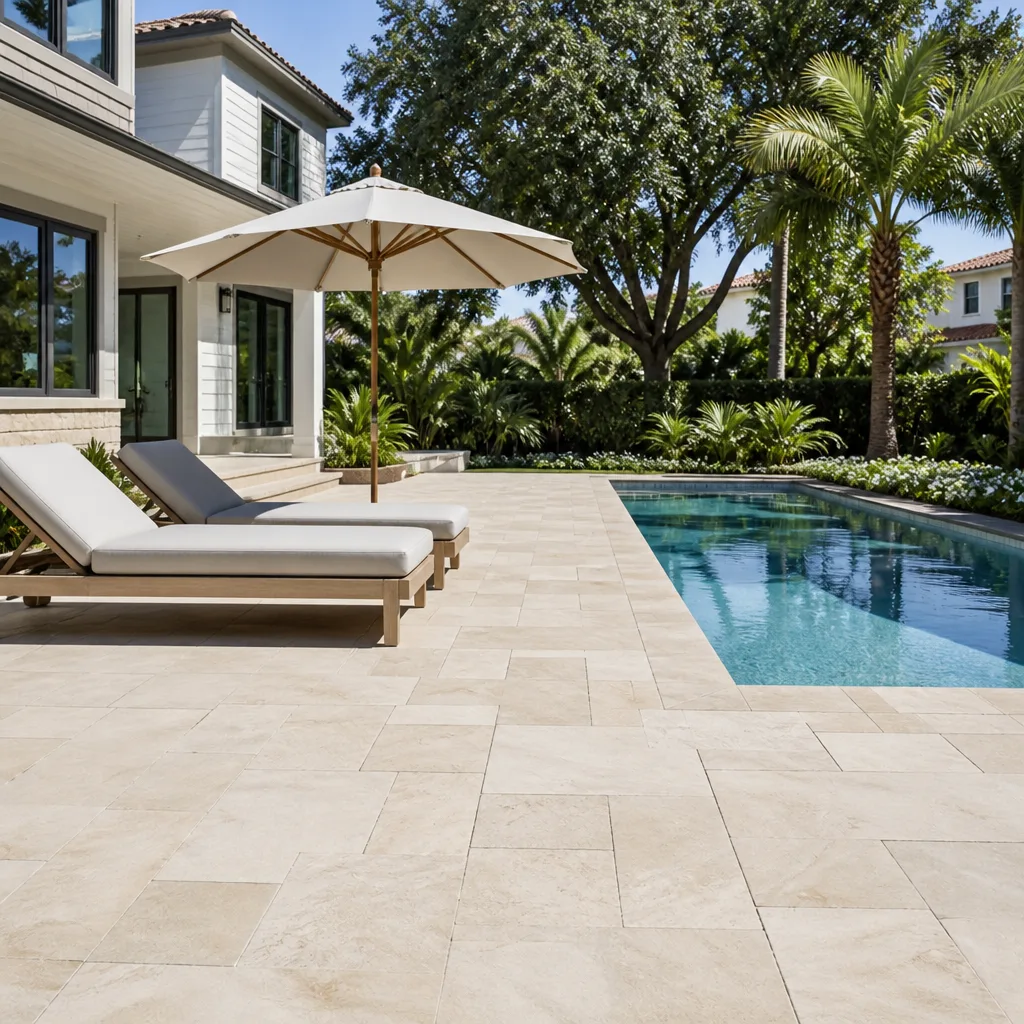
- Driveway & pavers
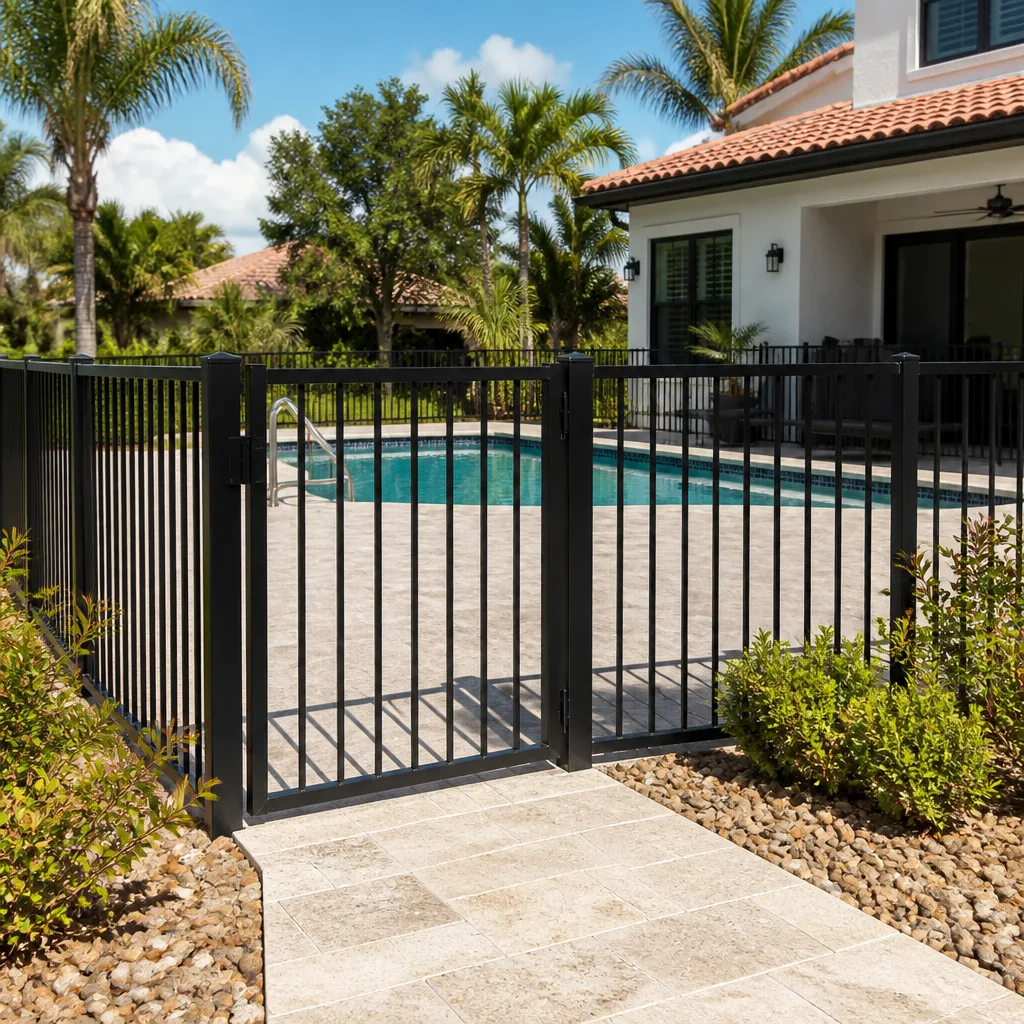
- Fence
Signs Your James Hardie Kitchen Remodeling Is Failing
Fremont sits between the bay and the hills, so kitchens here see humid mornings and dry afternoons, and that cycle works on fiber-cement and the joints around it. Here’s what failing looks like:
- Chalky white staining on the panel edge. That’s efflorescence, mineral salts pushed out as moisture moves through unsealed cement board. It usually means the cut edge was never sealed before tile went on.
- Tile pulling loose from the backsplash. Often the backer board was the wrong thickness or wasn’t screwed to the studs at the spacing Hardie specifies. Flex in the panel telegraphs up through the thinset.
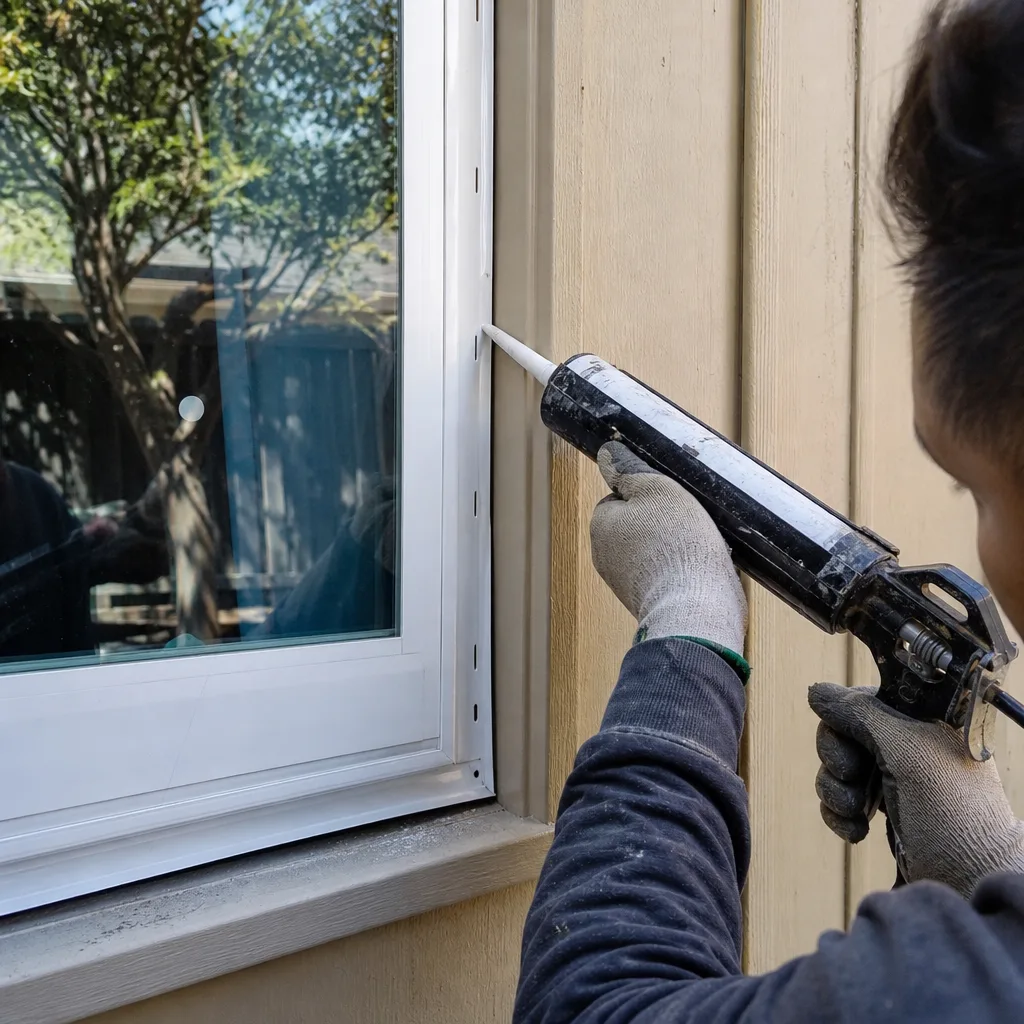
- Caulk line splitting above the range or sink. Every wet-season expansion opens a gap that was too small to begin with. Repeated splitting means the joint is moving more than the caulk can absorb, which points to a substrate problem, not a caulk problem.
- Soft or crumbly spots behind a counter. A slow leak from a supply line or dishwasher drain wicks into fiber-cement and softens it over months. By the time you see a stain on the cabinet toe kick, the panel behind has been wet a while.
- Visible cracks running along panel seams. HardieBacker needs a specific joint treatment, and skipped mesh tape or the wrong thinset is the usual cause in Fremont kitchens we open up.
See the difference
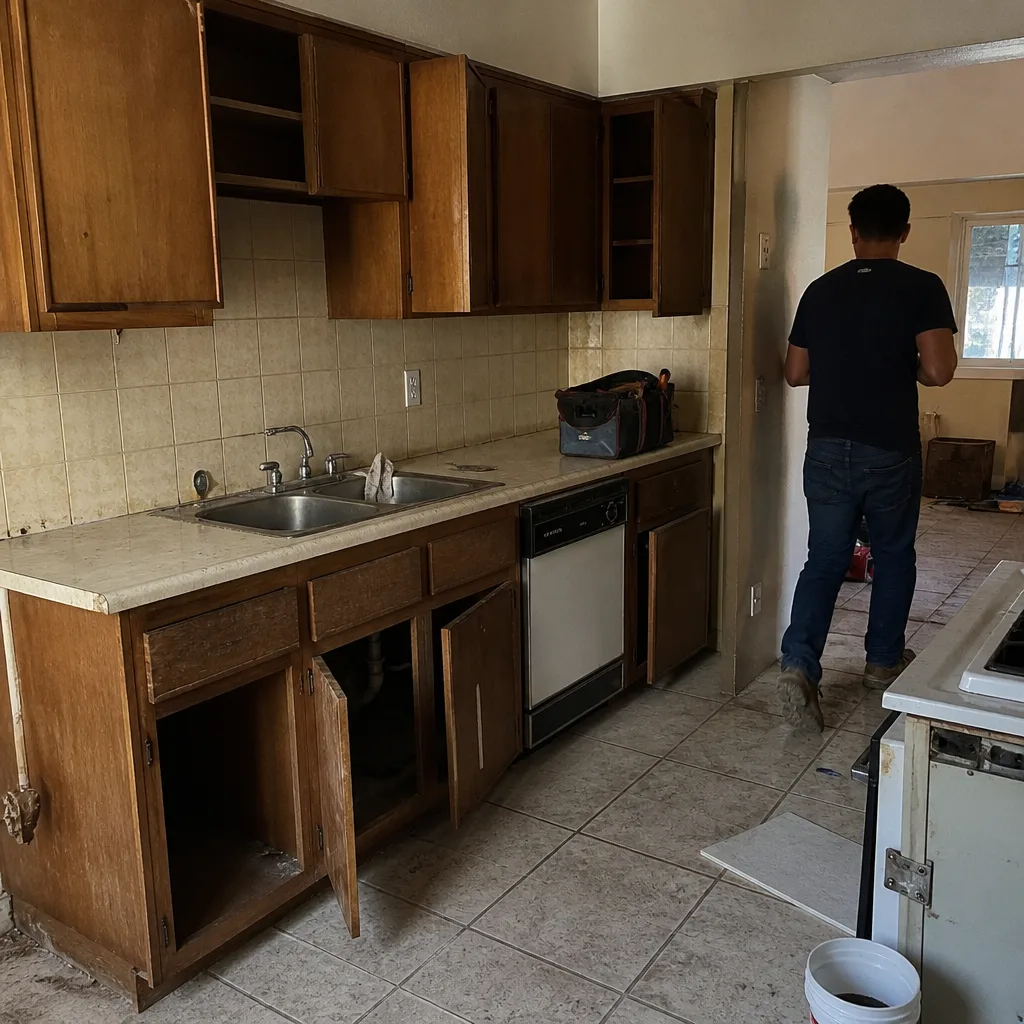 Before
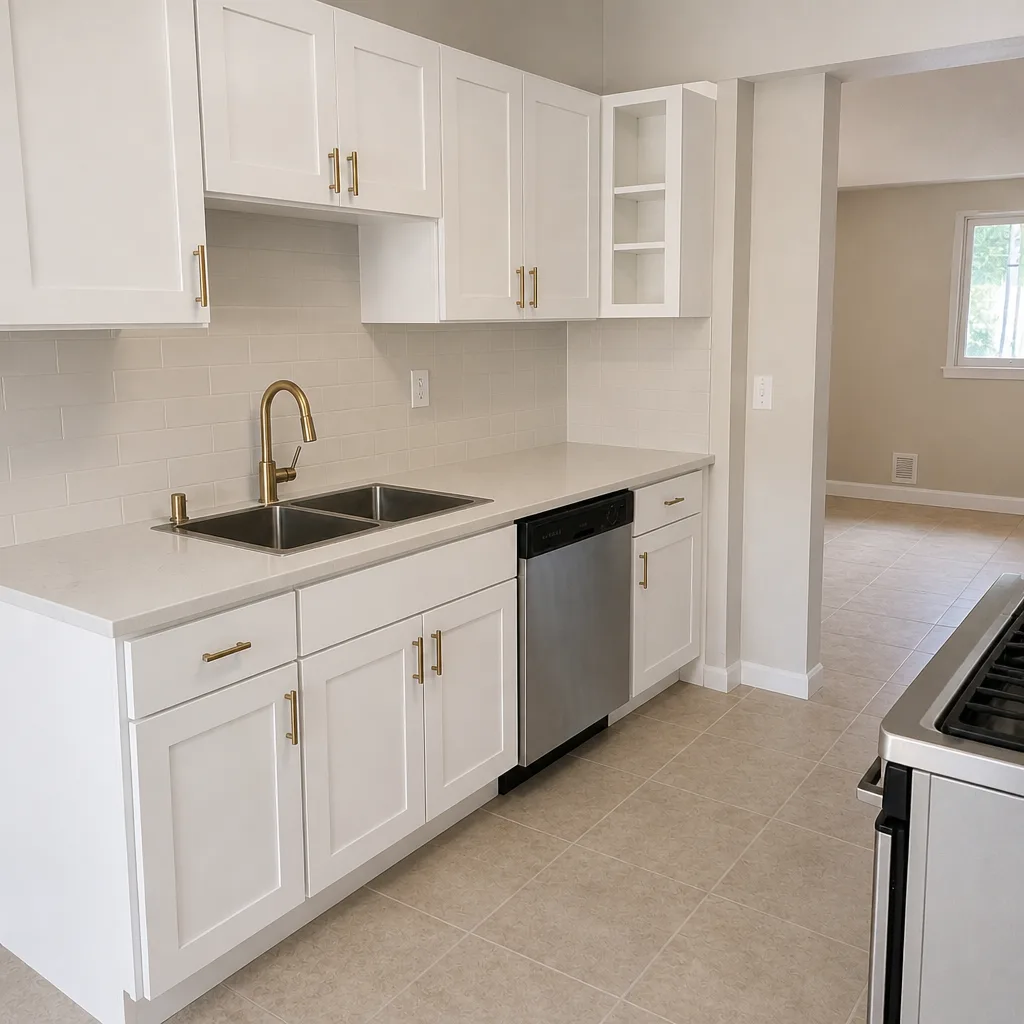 After
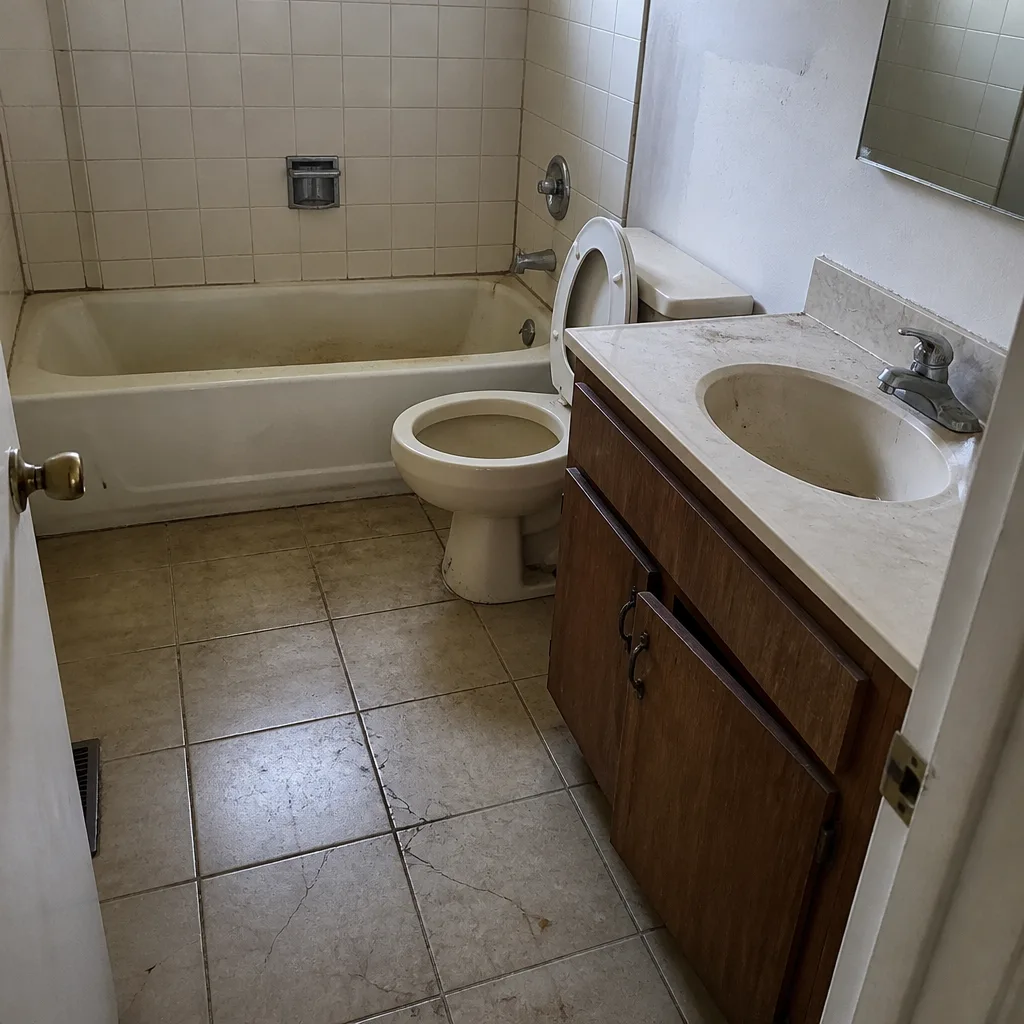 Before
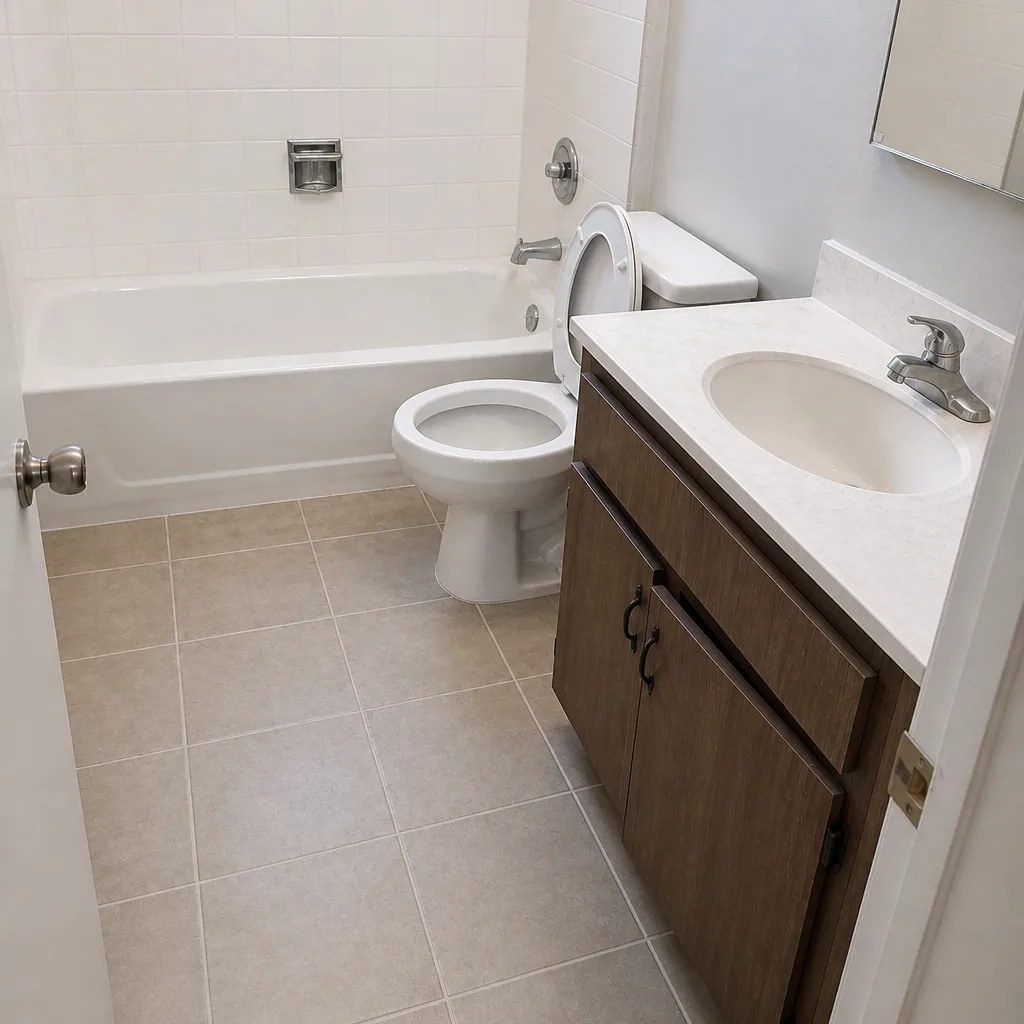 After
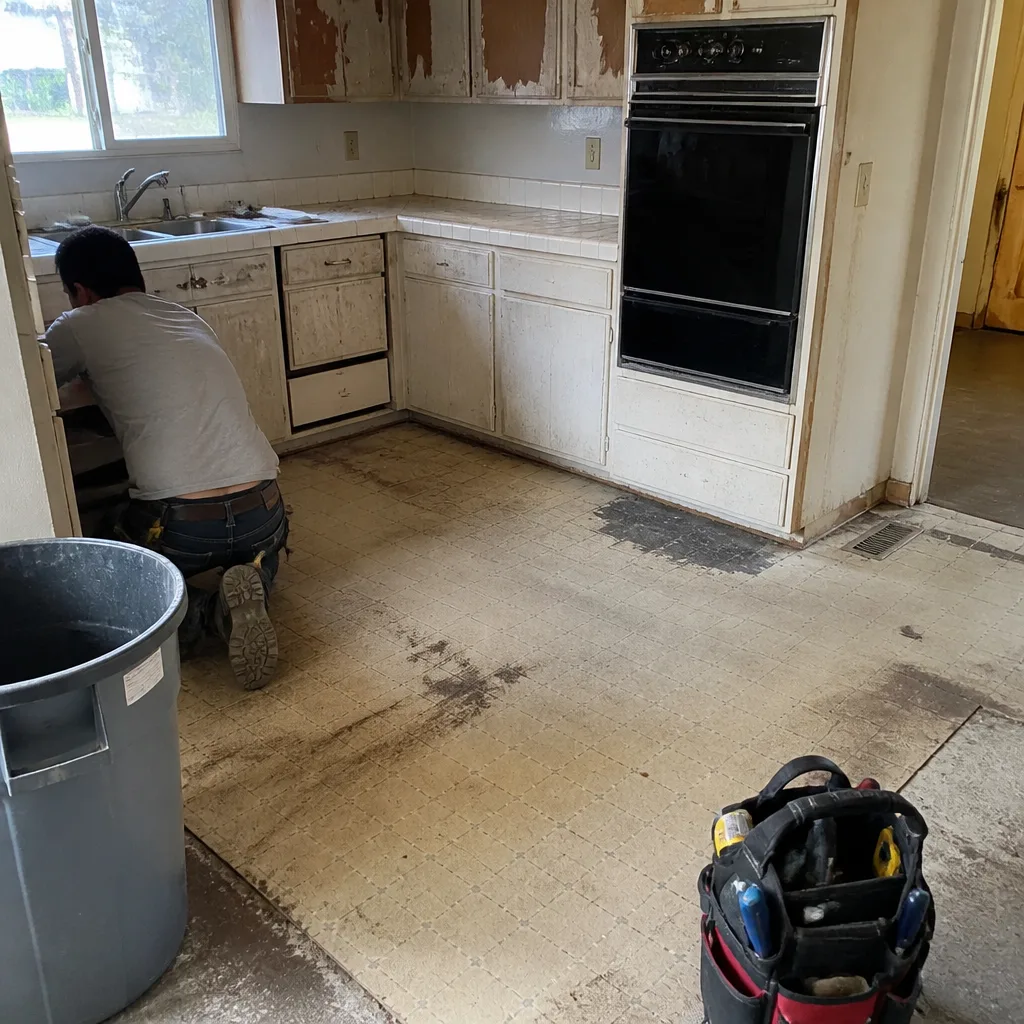 Before
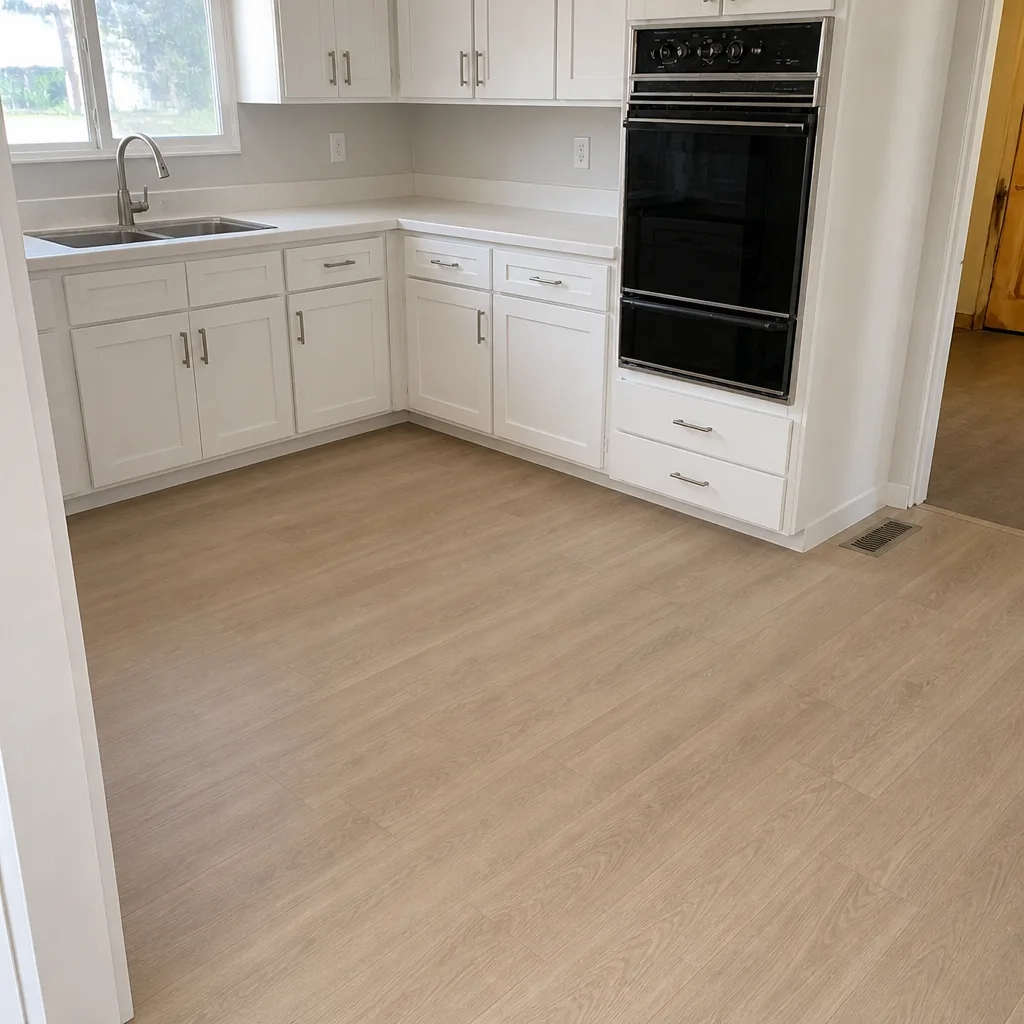 After
Replacement Cost & What’s Included
What you’ll actually pay for James Hardie work in a Fremont kitchen depends on how much comes out and goes back. Here are the installed ranges we quote:
| Scope | Installed range (Fremont) |
|---|---|
| Full kitchen remodel | $14000 – $45000 |
| Small kitchen remodel | $9000 – $20000 |
| Cabinet installation | $4000 – $13000 |
| Countertop installation | $2000 – $6500 |
| Backsplash installation | $800 – $2500 |
| Kitchen island installation | $3000 – $10000 |
What drives the range: whether the old backer board comes out clean, whether you’re moving plumbing or electrical, and what finish goes over the fiber-cement. Parts and labor are quoted line by line so you see both. The work is backed by the written 90-Day Done Right Promise, and you get a written change order before any scope change touches the job, because an allowance that isn’t on paper is a surprise waiting for a date.
DIY or Call Us?
You can safely do the checking yourself. Read the panel stamp, measure thickness at a cut edge, note where caulk keeps splitting, and snap a photo of any bloom or soft spot. What gets people in trouble is the replacement. Fiber-cement dust is a real respiratory hazard and needs a proper respirator and wet-cutting, not a shop vac in a closed kitchen. Cutting HardieBacker to fit around a sink cutout or a range hood, then getting the joint treatment and thinset right so the tile doesn’t crack in two years, is a job that rewards having done it before. Add to that pulling the permit and passing inspection, and the DIY math usually stops making sense. If your Fremont kitchen has any of the symptoms above, call Barrett & Sons at (833) 620-6162 for a free estimate. Our crew members are background-checked and we’re a live person on the phone 24 hours a day. And you can take $40 Off Any Repair Over $200, or ask for the free second opinion on any written estimate.
FAQs
How long does James Hardie fiber-cement last in a Fremont kitchen? Indoors and sealed properly, a HardieBacker substrate outlasts the tile on top of it, easily 20 to 30 years. The failure you’ll see is at the joints and cut edges, not the panel face, which is why sealing those matters more than the board itself.
Can the failing panel be repaired instead of replaced? Sometimes. A single popped tile over a sound substrate is a repair. A soft, bloomed, or cracked panel section behind a wet area is replacement, because you can’t re-adhere tile to compromised board and expect it to hold. We’ll tell you which one you have after looking. Call (833) 620-6162 and estimates are free.
How long does a backsplash or substrate swap take? A backsplash and substrate replacement in a Fremont kitchen usually runs two to four days including cure time. A full kitchen remodel with cabinets and counter is weeks, not days. We give you the schedule in writing before we start. Call for an exact timeline.
How do you source the James Hardie product? We buy HardieBacker and HardiePanel through the same building-supply channels any licensed contractor uses and match the stamped thickness and product to your job. We’re independent and not affiliated with James Hardie, so we tell you straight when an aftermarket board is and isn’t a safe match. Call for a quote on your Fremont kitchen.
Written by the team at Barrett & Sons Construction Fremont, serving Fremont and nearby areas.