
Free written scope consultation - allowances, timeline, and change-order rules on paper before a single trade is scheduled
Tamko Home Additions & ADU: The Fremont Owner’s Guide
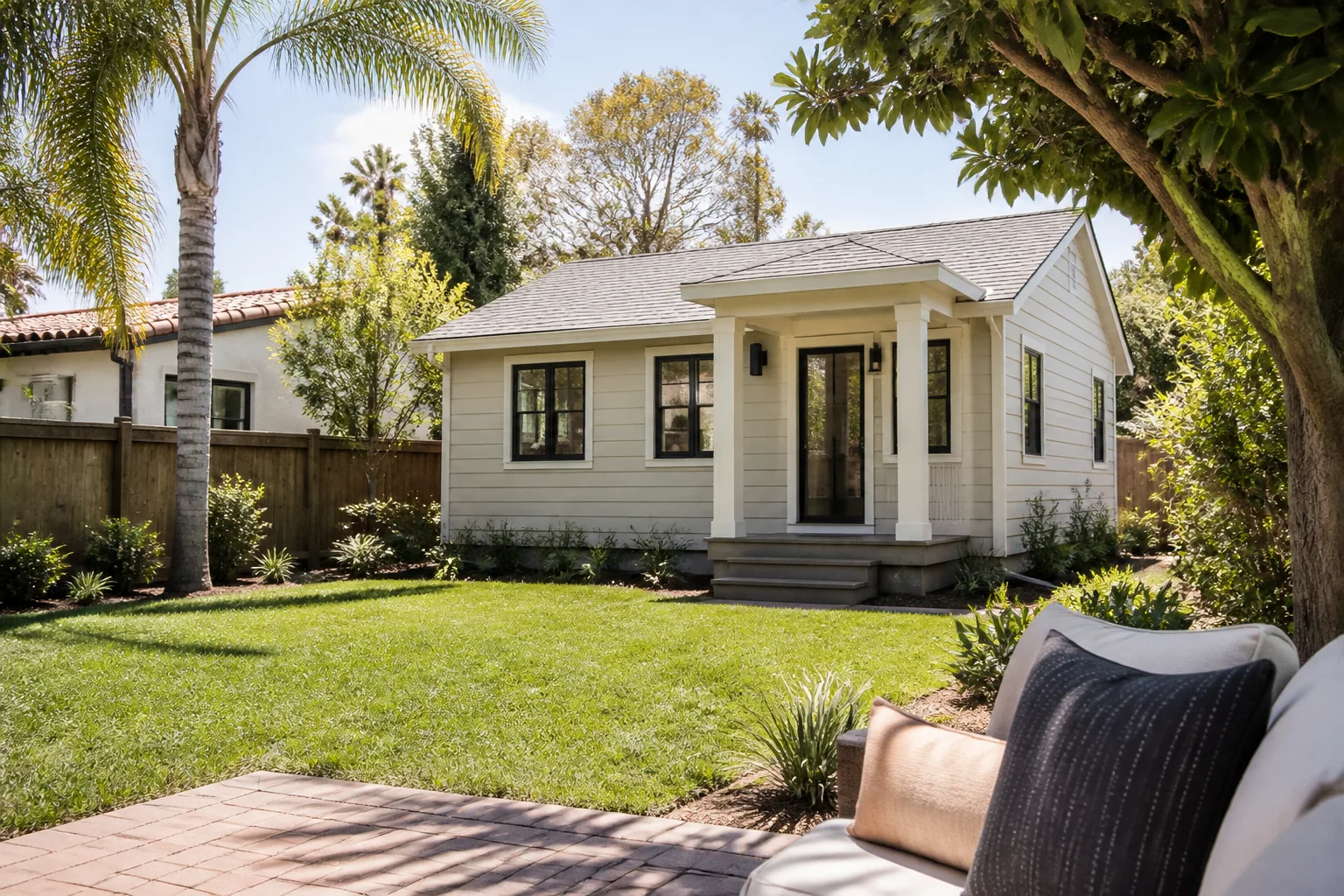
We build and install home additions and ADUs in Fremont using Tamko roofing systems and weatherproofing on the addition roof, with installed projects typically landing between $45,000 and $130,000 for an addition and $90,000 to $220,000 for a full ADU. Tamko doesn’t make the walls, the framing, or the windows; what they make is the roofing and waterproofing layer that keeps a new structure dry for decades. That roof is where we see the failures that bring owners to this page. A homeowner in Fremont discovers it after the first real winter rain, when a brown ring spreads across the ceiling of a just-finished addition and the crew that built it stopped answering calls. The Tamko shingles or underlayment on that addition failed early, and now someone has to figure out why and fix it right.
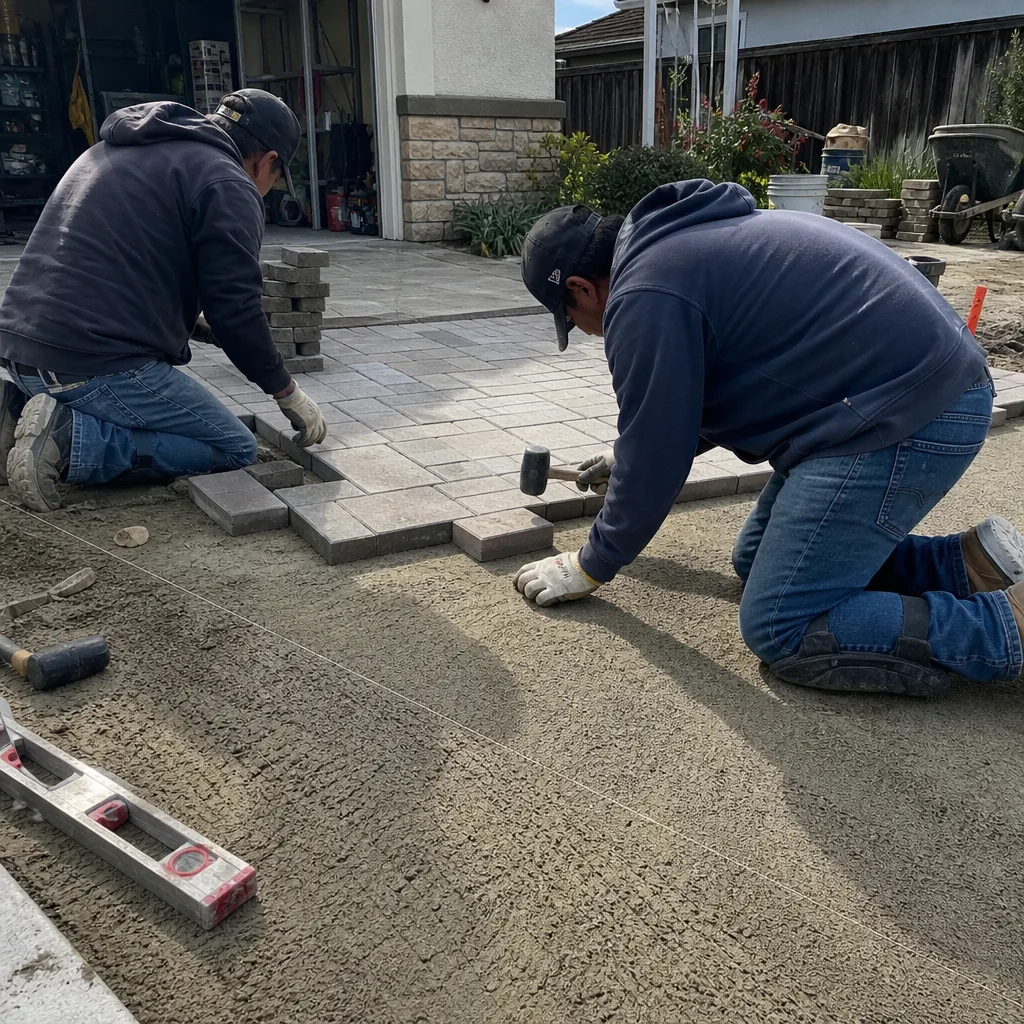
Our crew members have up to 28 years of experience with roofing systems and additions across the East Bay. We are an independent construction company. We are not affiliated with Tamko, but we know their product lines and how they fail in Fremont’s climate.
Key Takeaways
- Tamko supplies the roofing and waterproofing layer on an addition or ADU, not the structure itself.
- Installed roof system work on a Fremont addition runs in the $8,000 to $20,000 range for a full replacement of the addition roof, part of the larger $45,000 to $130,000 project figure.
- Most Tamko failures we see in Fremont trace back to installation error, not the shingle itself.
- Every eligible job includes permits pulled and inspections signed, plus our written 90-Day Done Right Promise.
Which Tamko Models This Applies To
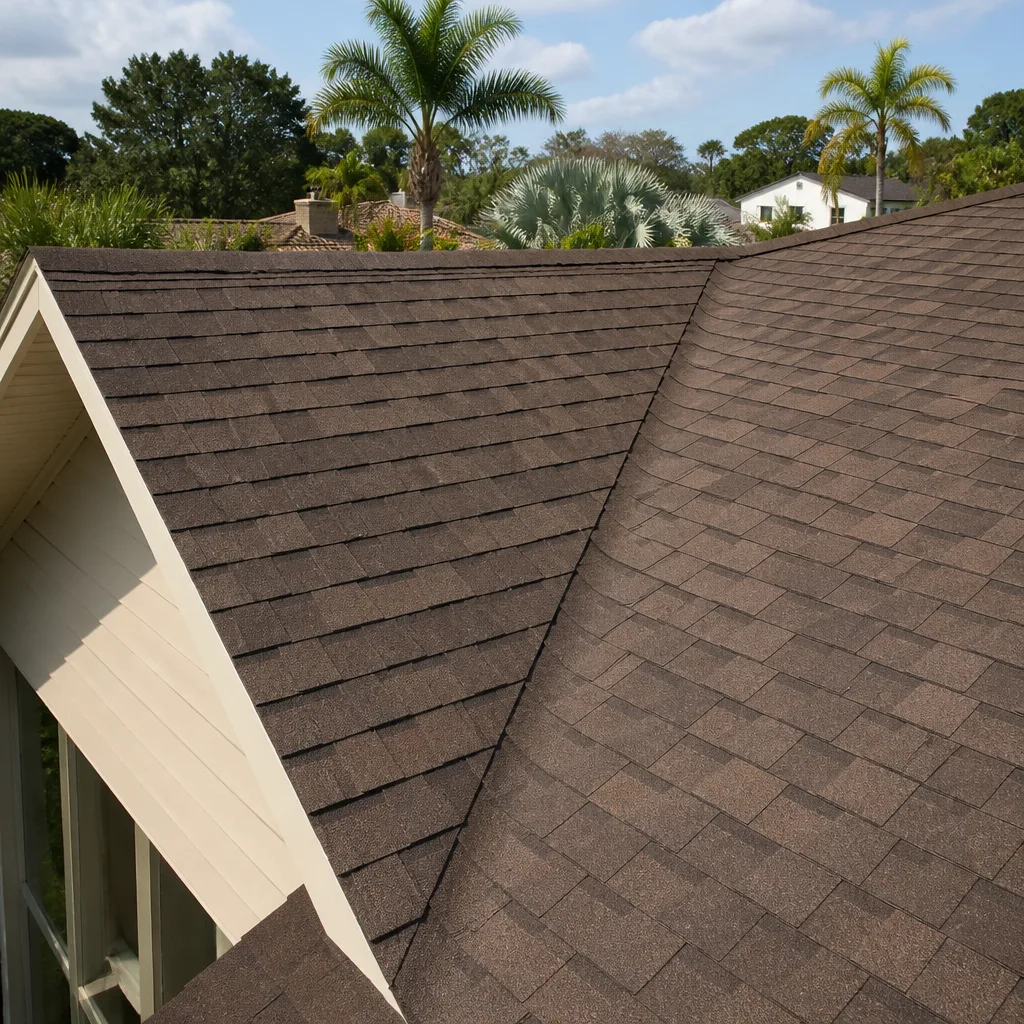
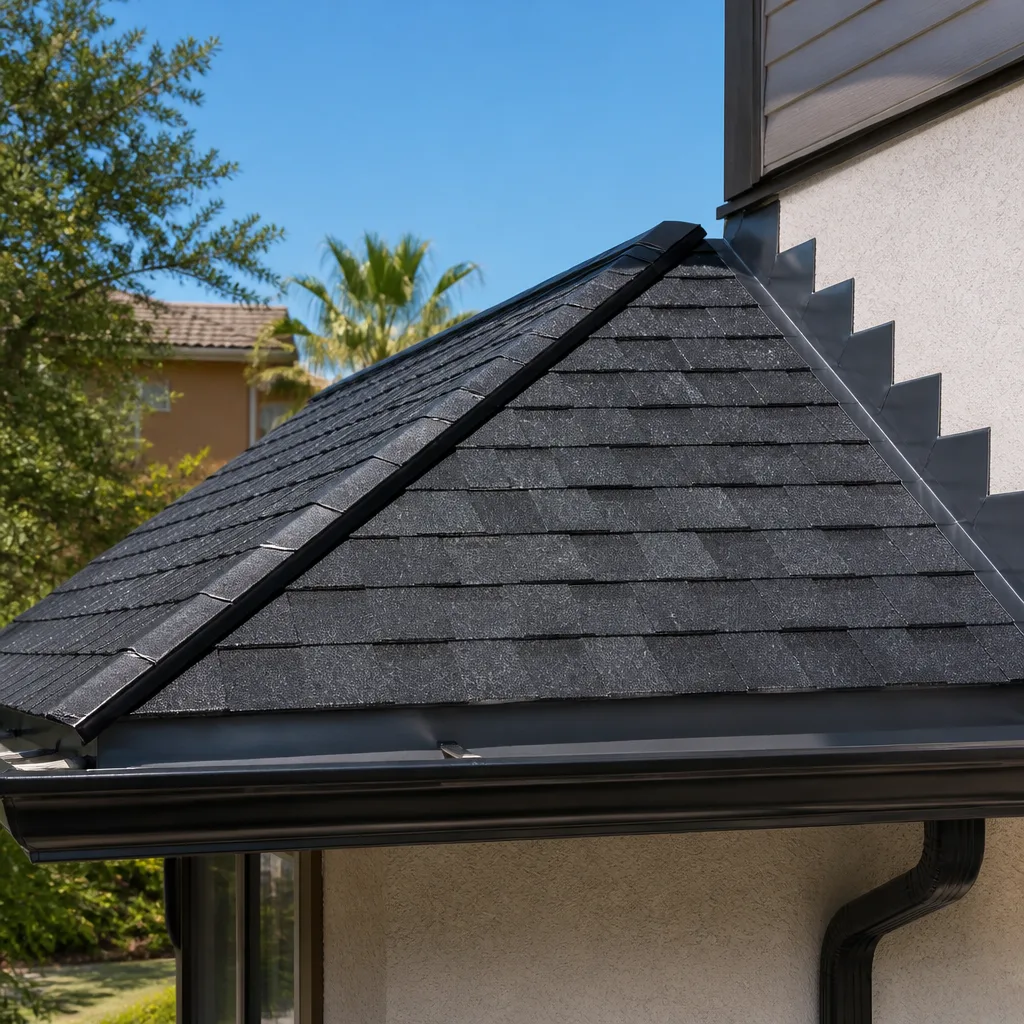
Tamko’s residential lines cover a lot of ground, and which one sits on your addition matters. The Heritage series, including Heritage and Heritage Vintage, is their laminated asphalt shingle line and the one we see most often on Fremont additions and ADUs. Their Titan XT is the impact-resistant laminated shingle, which matters here because Fremont’s foothill edges get hail and wind that a standard shingle handles less gracefully. The MetalWorks line is a stamped steel shingle that looks like slate or shake, and it turns up on higher-end ADU builds. For low-slope addition roofs, Tamko’s TAM-PRO and TW-60 modified bitumen membranes are the relevant products.
To identify what you actually have, look for the wrapper or a bundle label in the attic or garage, measure a shingle’s exposure (Heritage is a standard 5-5/8 inch exposure), and check the color and profile against a sample board. Tamko shingles can be matched by series and color name, so a repair doesn’t need to look patched.
On the OEM-versus-aftermarket question for Tamko: their shingles and underlayments are widely stocked and there is no meaningful aftermarket equivalent worth using for a like-for-like repair. The right course is matching the actual Tamko series and color, not substituting a cheaper house brand that will weather differently within two years. We don’t carry parts on a truck and don’t stock Tamko locally. We source the correct series once we know what’s on your roof.
Styles & brands we work with
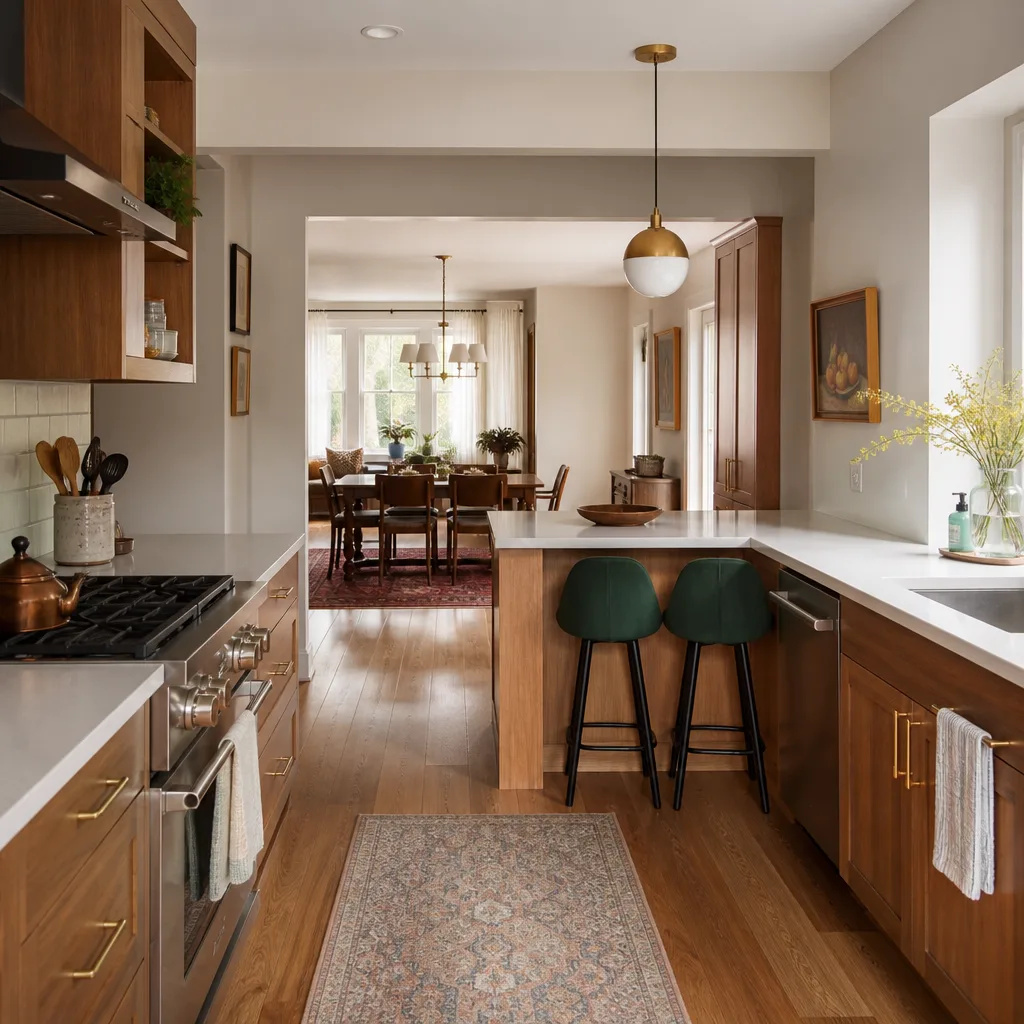
- Kitchen remodeling
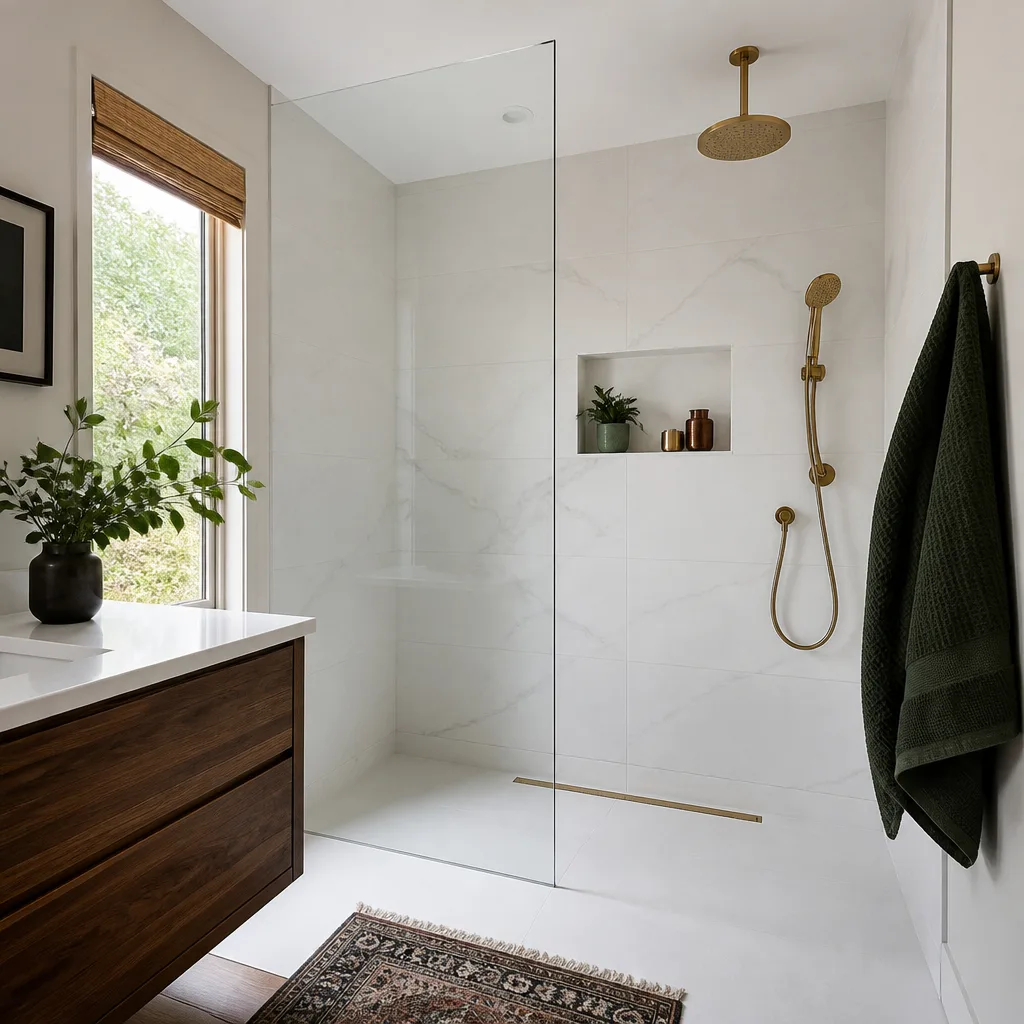
- Bathroom remodeling
- Home additions & ADU
- Roofing
- Windows & doors
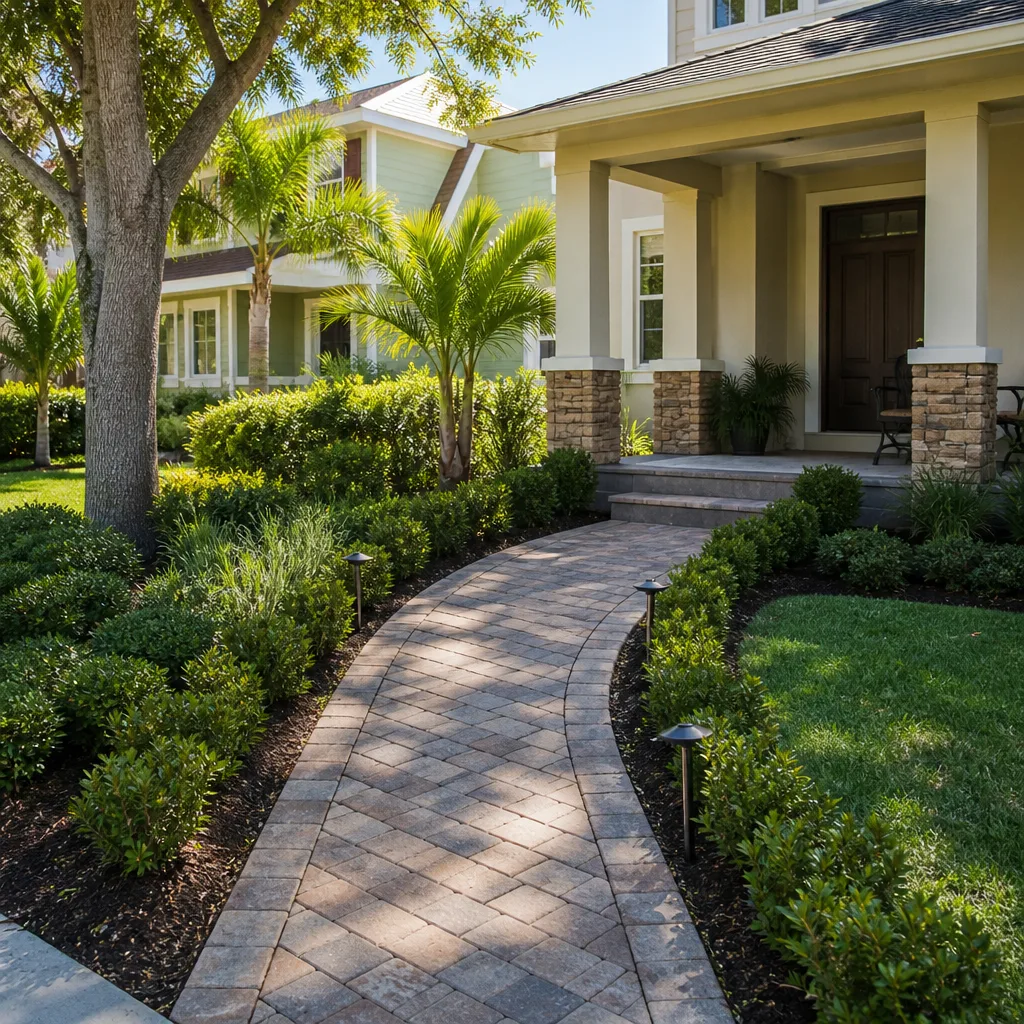
- Driveway & pavers
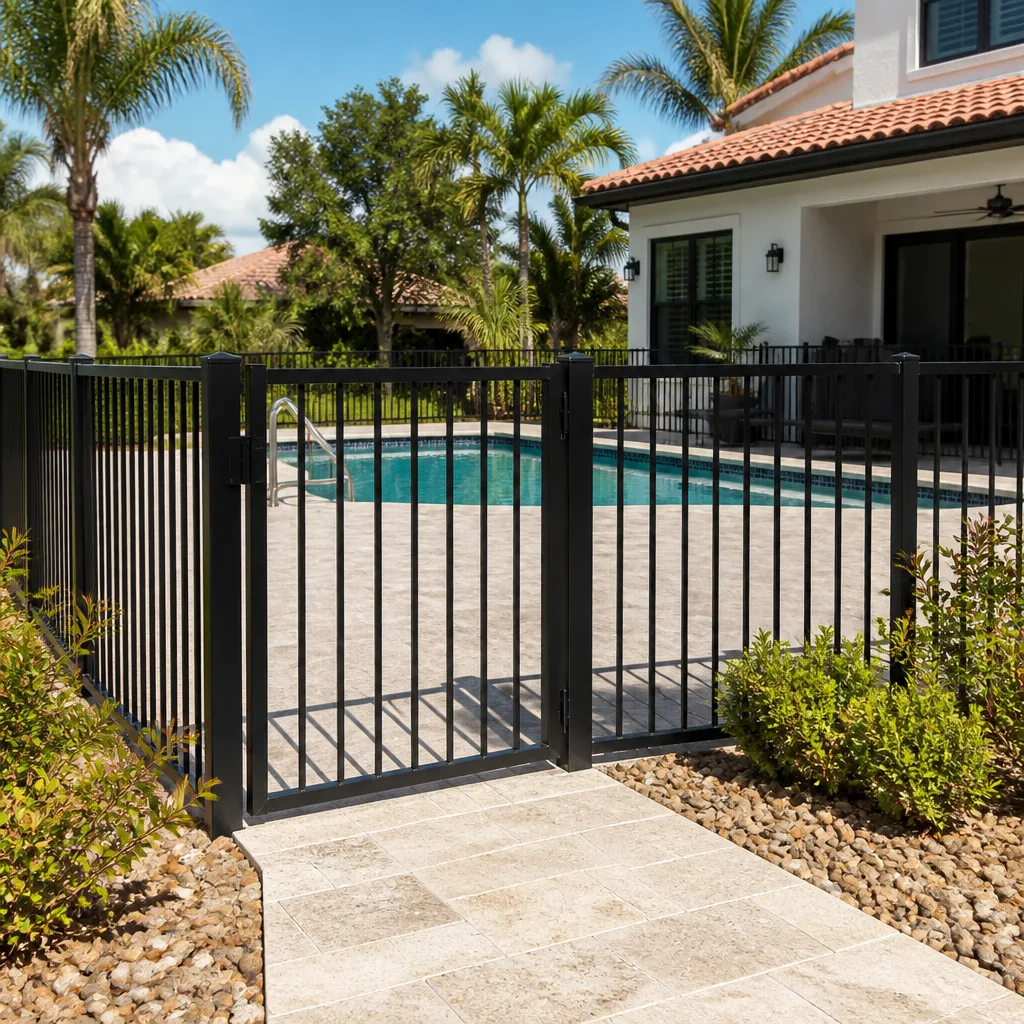
- Fence
Signs Your Tamko Home Additions & ADU Is Failing
- Granule buildup in gutters or at downspouts. Asphalt shingles shed granules over their life, but a heavy flush of grit after one season means the shingle is aging faster than it should, often from a poorly ventilated addition attic that bakes the roof deck from below.
- Curling or clawing shingle edges. When the corners lift, the shingle is losing its seal. In Fremont this usually points to inadequate attic ventilation or a nail set too high, not to defective shingles.
- Dark streaks across the addition roof. Those streaks are algae, common on north-facing slopes that stay damp. Tamko’s algae-resistant shingles resist it, but standard shingles don’t.
- Water staining on the ceiling of the addition. A brown ring or soft drywall means moisture is getting past the underlayment or a flashing detail. On an ADU this often traces to where the new roof meets the existing house.
- Lifted or failed flashing at valleys, chimneys, and wall intersections. Flashing, not the shingle, is the most common leak point on any addition roof, and it’s the first place we check.
See the difference
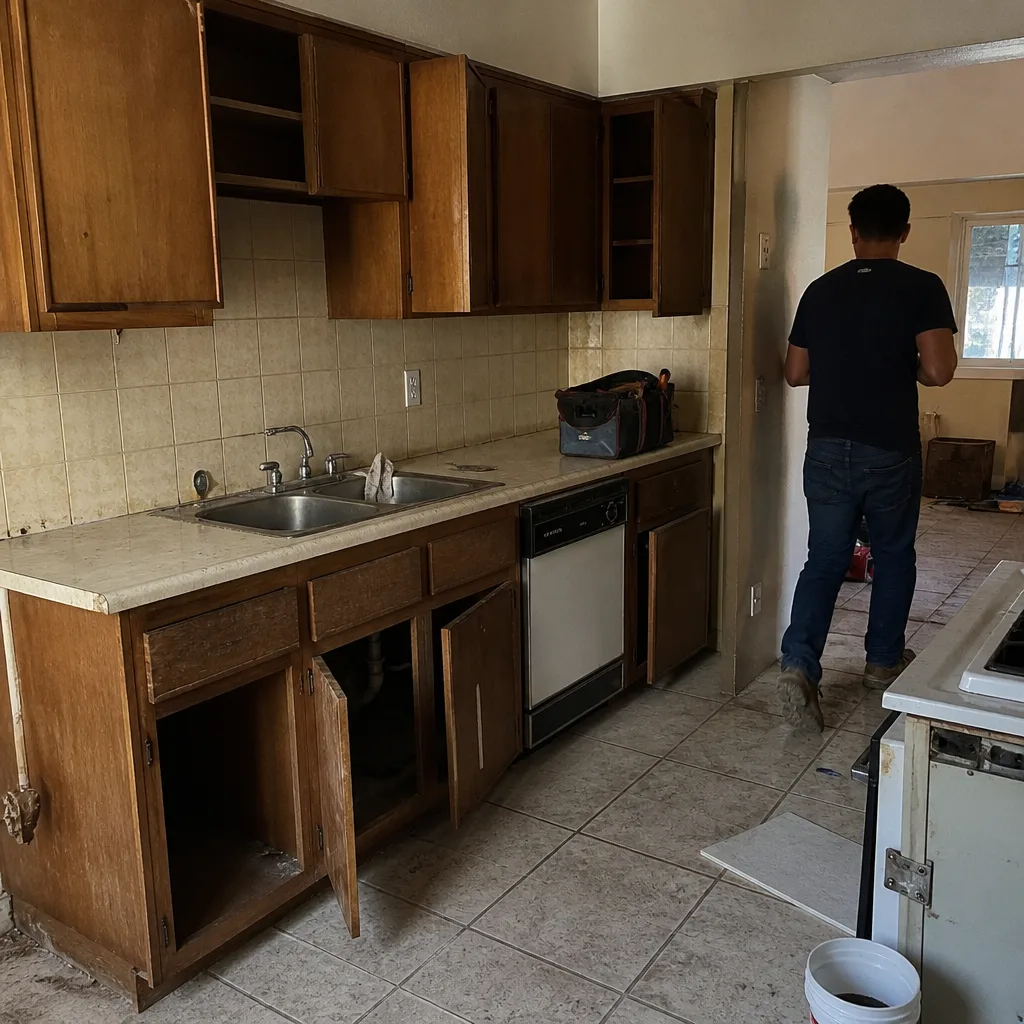 Before
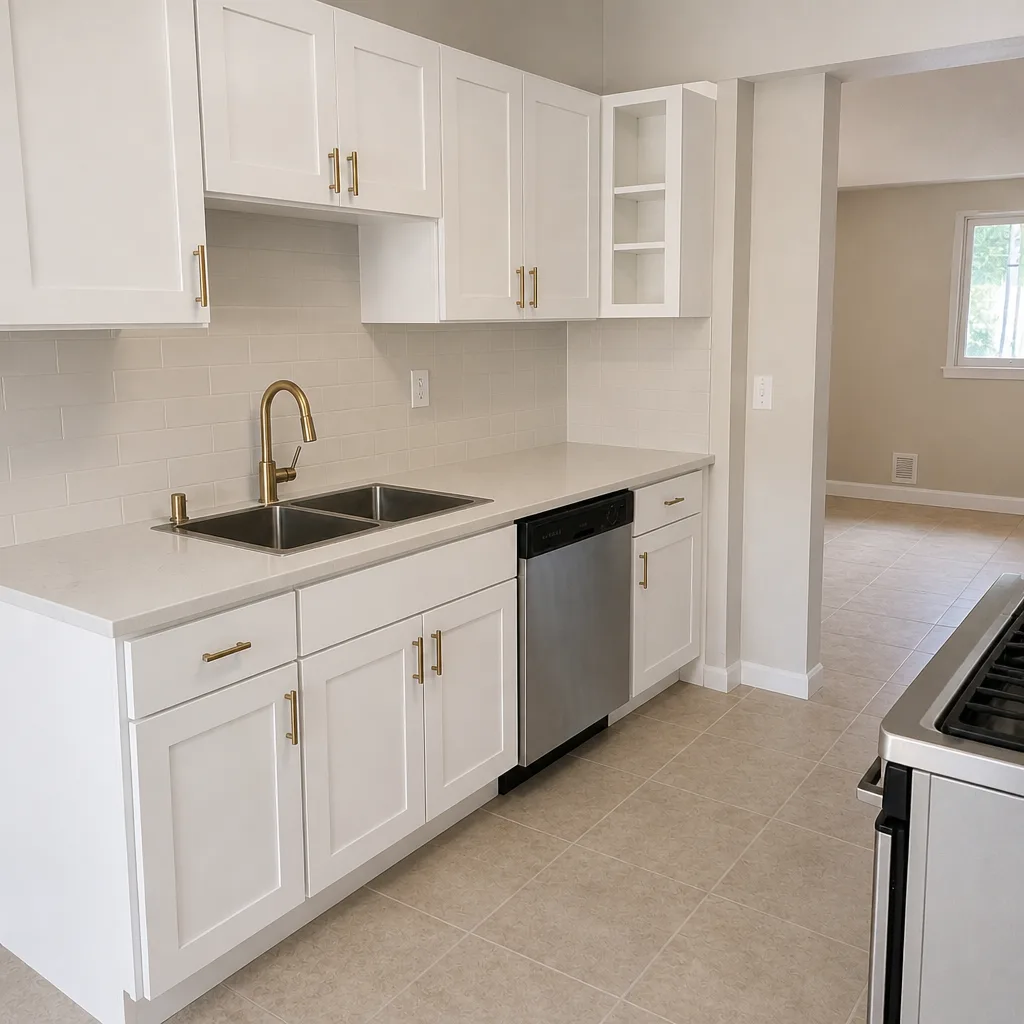 After
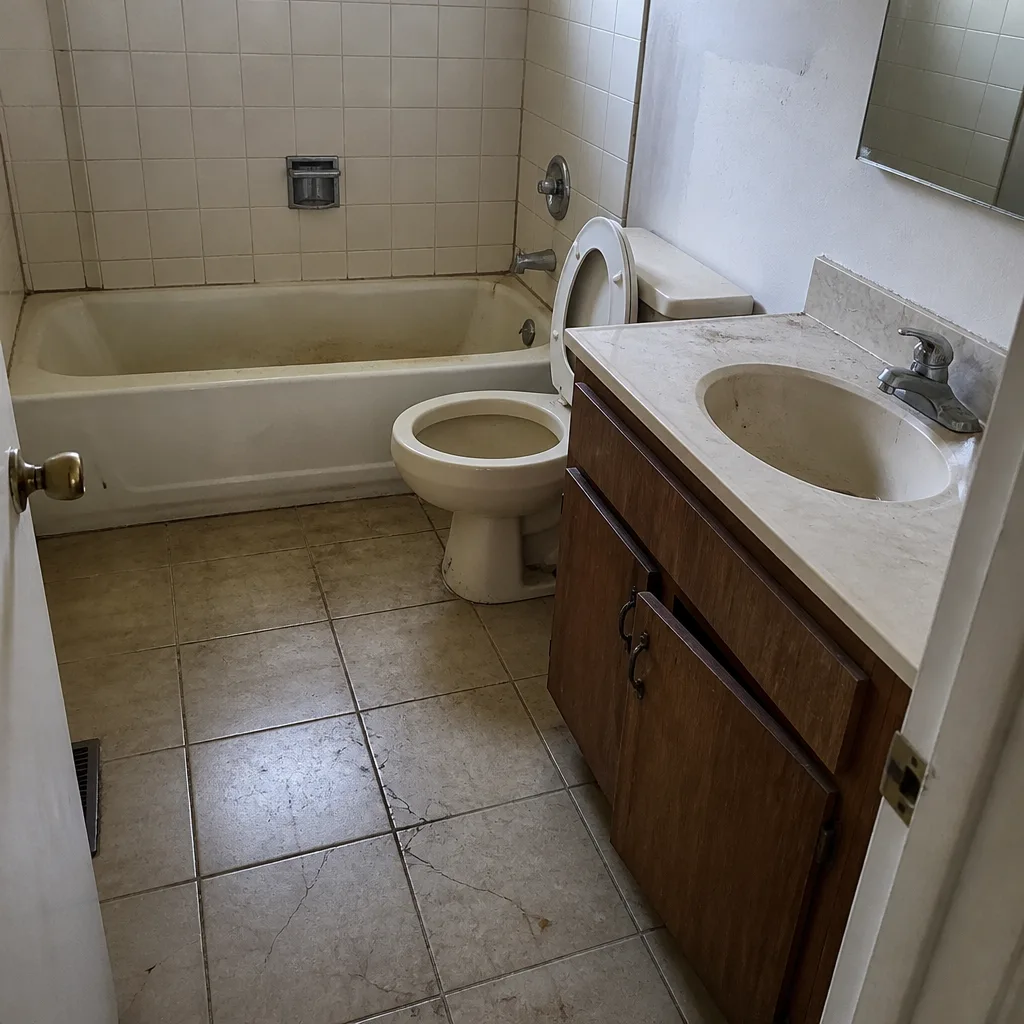 Before
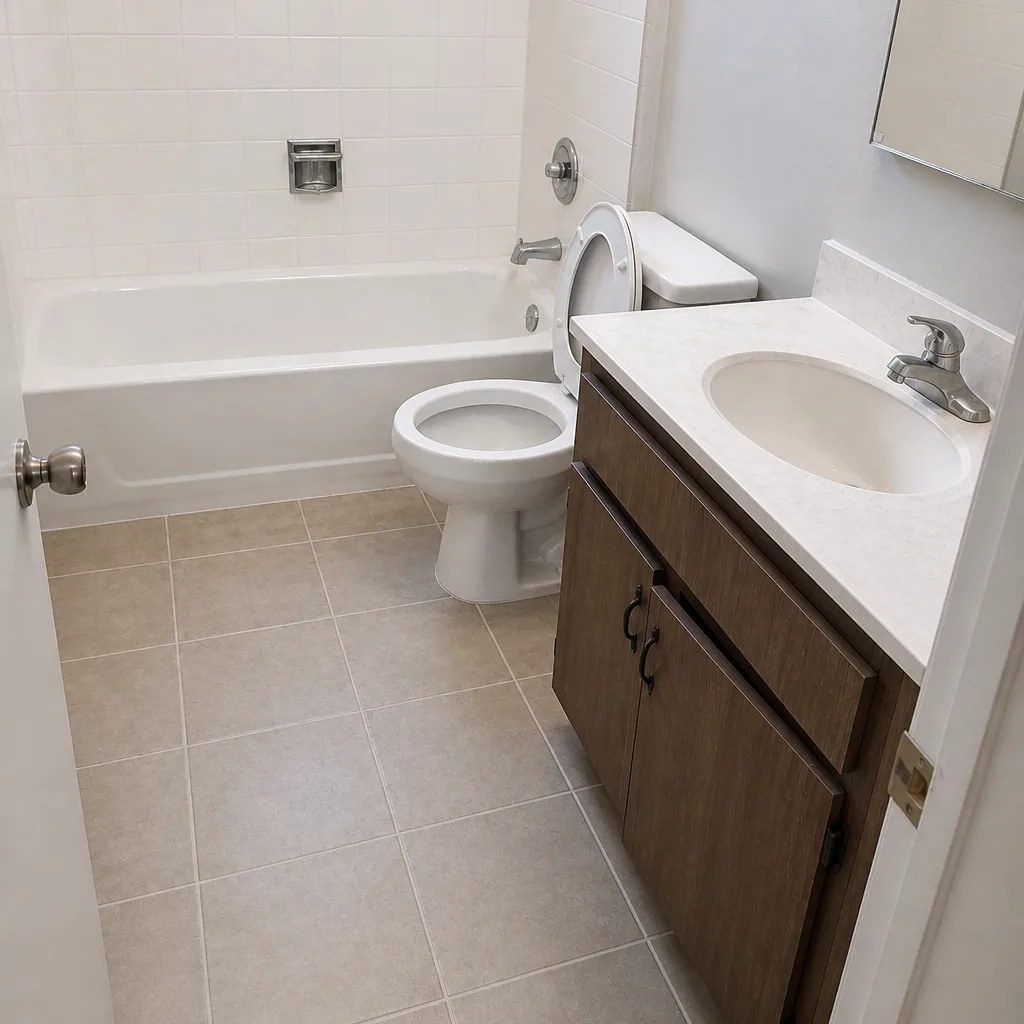 After
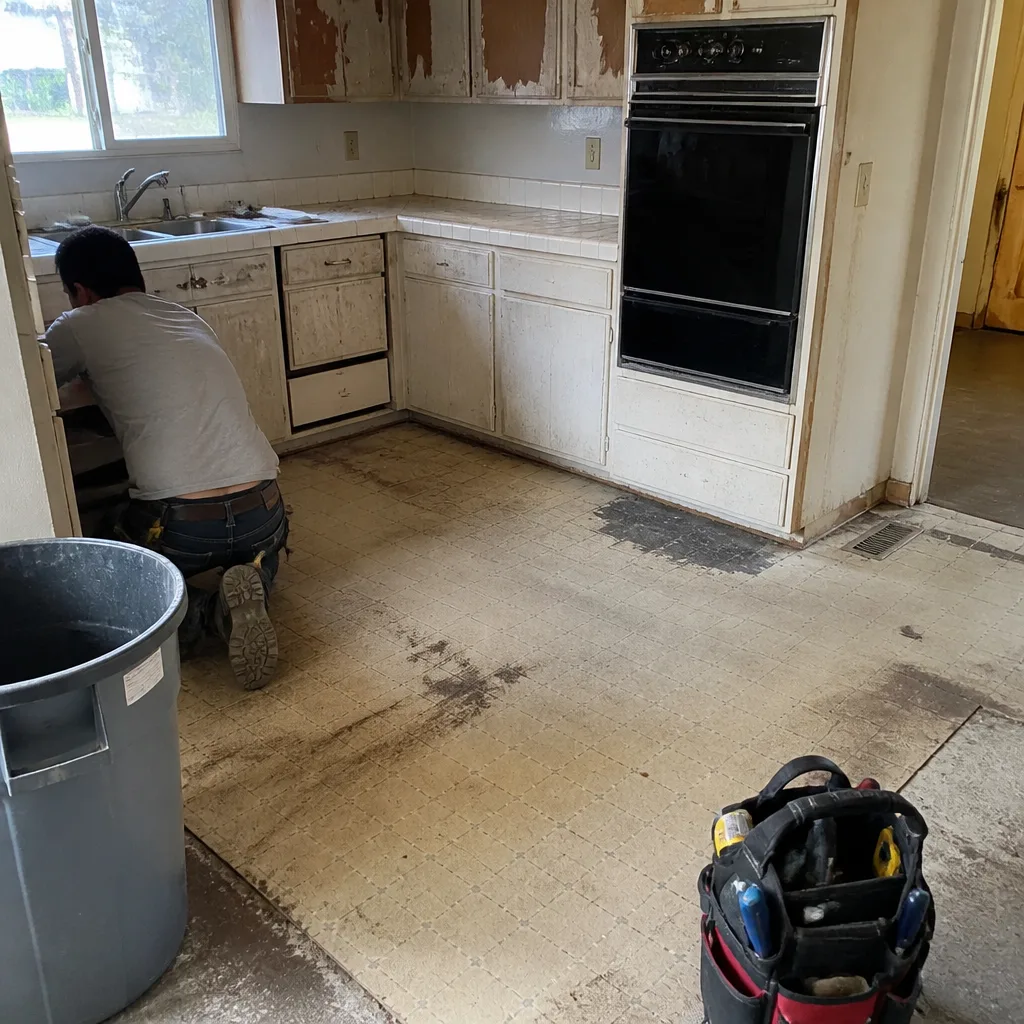 Before
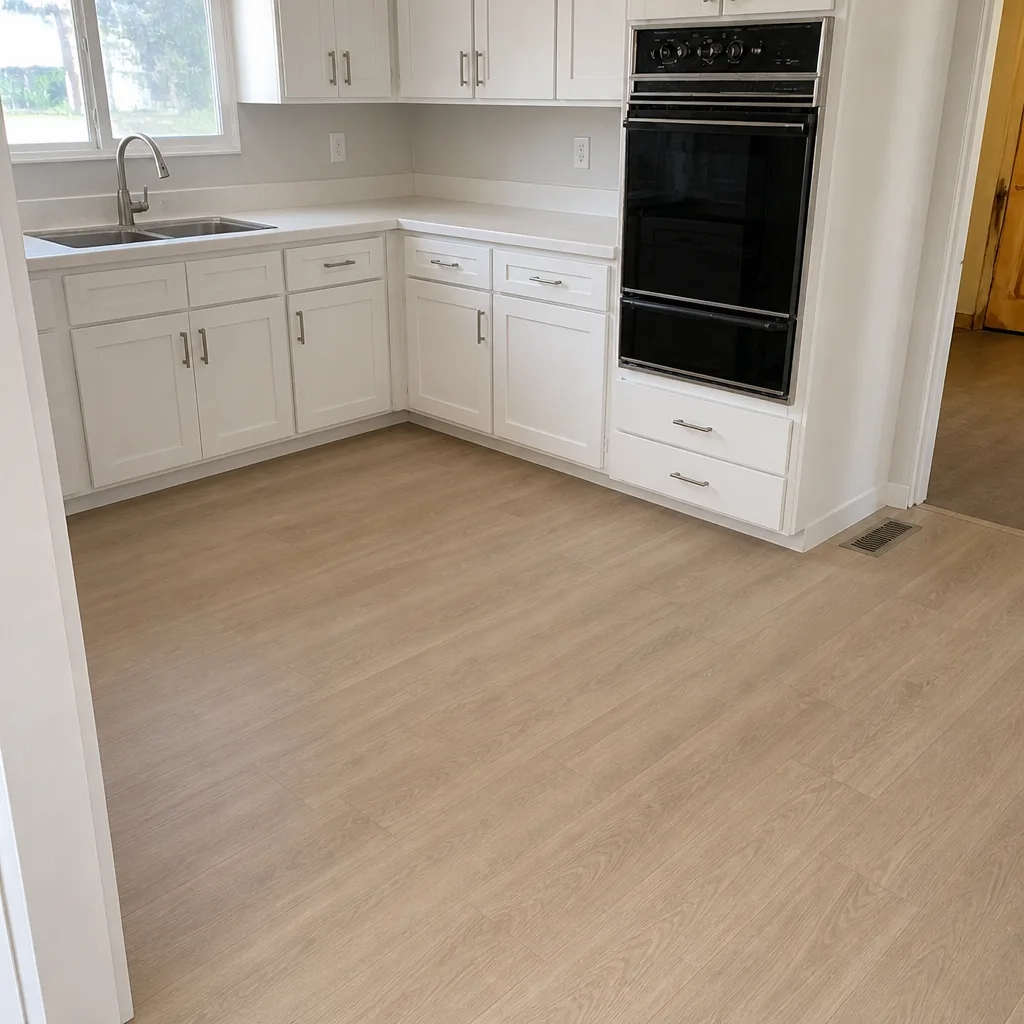 After
Replacement Cost & What’s Included
For Fremont homeowners, replacing the Tamko roof system on an existing addition typically runs $8,000 to $20,000, depending on the square footage of the addition, the pitch, how many penetrations and flashing details there are, and whether the deck needs repair underneath. A full addition project with a new Tamko roof runs $45,000 to $130,000. A full ADU build with its own roof system runs $90,000 to $220,000.
What drives the range: roof size, slope, the number of valleys and wall intersections (each one a place to get the flashing right), whether the old layer needs tearing off to the deck, and whether ventilation has to be corrected so the new shingles actually last. We quote parts and labor separately so you can see what the Tamko material costs and what the installation costs. Every price change arrives as a written change order before work moves forward. The work is backed by our 90-Day Done Right Promise, written on the contract.
We’re licensed and insured, and every eligible job includes permits pulled and inspections signed. The permit inspector works for you, not for us. That’s why we like him.
DIY or Call Us?
An owner can safely do a few things: photograph the ceiling stains, check the attic for daylight or damp decking, clear debris from the addition’s gutters, and note where the roof meets the main house. What you shouldn’t do is climb a steep addition roof to pry up shingles or redo flashing. Roof work is genuinely dangerous, and a wrong flashing detail just moves the leak and hides it.
Where DIY goes wrong most often is in the underlayment and flashing sequence. A shingle nailed back down over a bad flashing detail still leaks; you just don’t see it until the next Fremont rainy season. If you’re not sure what you’re looking at, that’s the moment to call. Call (833) 620-6162 and a live person will answer, day or night, and set up a free estimate.
FAQs
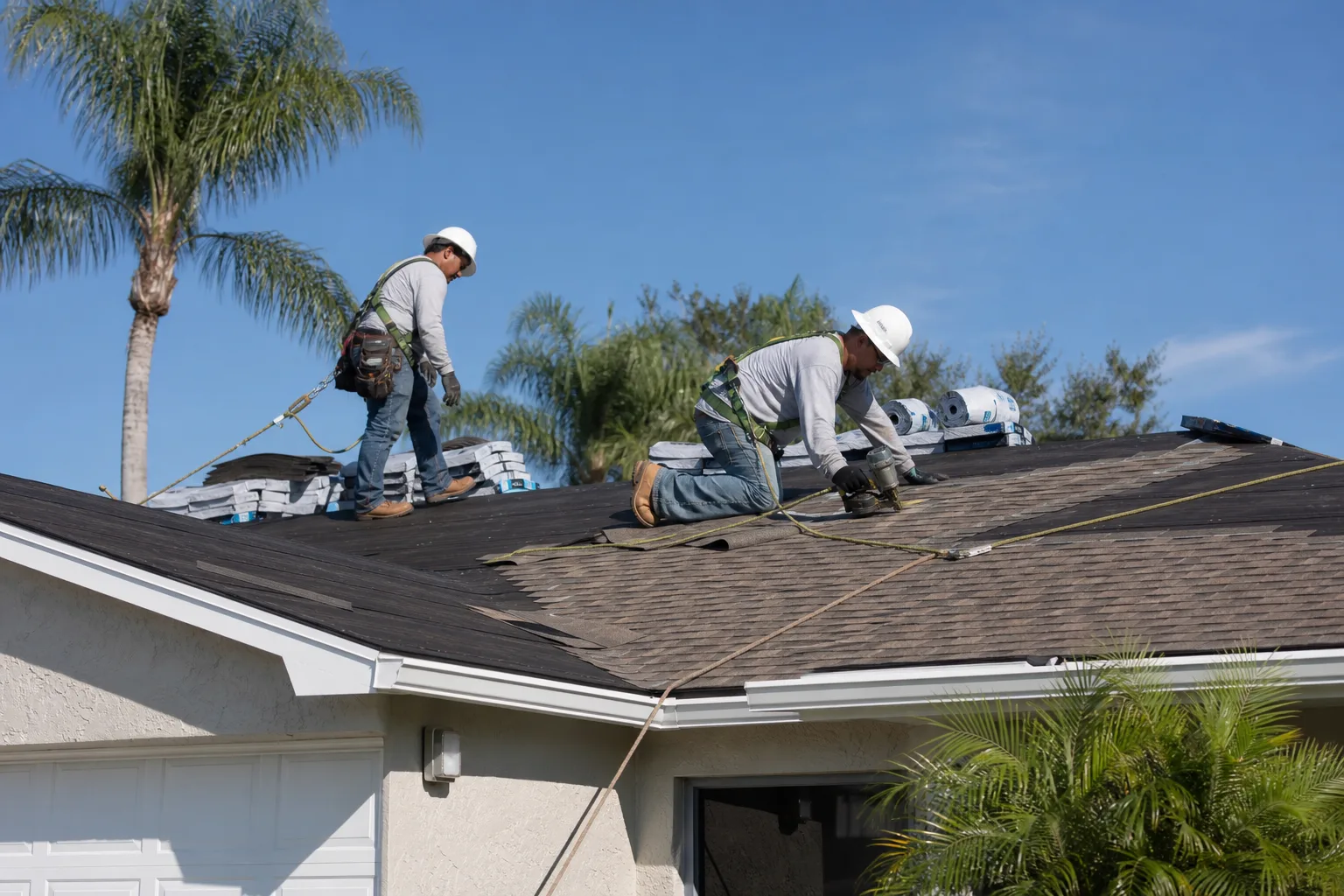
How long should a Tamko roof on a Fremont addition last? A properly installed Tamko asphalt shingle roof should give you 20 to 30 years in Fremont’s mild climate, but the real variable is installation and attic ventilation. A roof installed over a hot, poorly vented addition attic often fails in under 15 years regardless of the shingle’s rating. Call (833) 620-6162 for a free second opinion on any written estimate.
Can the Tamko roof be repaired instead of fully replaced? Yes, if the failure is isolated to a few shingles or one flashing detail, a targeted repair is often the right call and holds up well. Once granules are gone across large sections or the deck is soft, a repair just postpones the replacement. We’ll tell you honestly which one your roof needs.
How long does replacing the roof on an addition take? Most addition roof replacements we do in Fremont take two to four days once material is on site, weather dependent. A full new addition or ADU roof is part of the larger build schedule. Every scope and schedule change is confirmed in writing before it happens.
How do you source the right Tamko part? We match your existing Tamko series and color by inspecting the shingles and any label we can find, then order the correct material. We don’t carry parts on a truck and don’t stock Tamko locally, so we confirm the exact product before ordering rather than substituting a house brand that will weather differently. For kitchens and baths in your addition, we also install KraftMaid, Cambria, and Silestone. Call (833) 620-6162 to schedule your free estimate.
Written by the team at Barrett & Sons Construction Fremont, serving Fremont and nearby areas.