
Free written scope consultation - allowances, timeline, and change-order rules on paper before a single trade is scheduled
Unilock Fence Installation: The Fremont Owner’s Guide
Unilock does not manufacture fencing in the conventional sense – it makes the precast wall and pillar systems that most Fremont fence projects are built around, and the parts that fail are usually the coping caps, pier caps, wall blocks, and footing hardware that tie a fence line into those systems. A typical Unilock-compatible fence installation in Fremont runs $3,500 to $9,000 installed, depending on linear footage, height, and how much of the existing structure can be reused. We schedule estimates within a few days, not the same day.
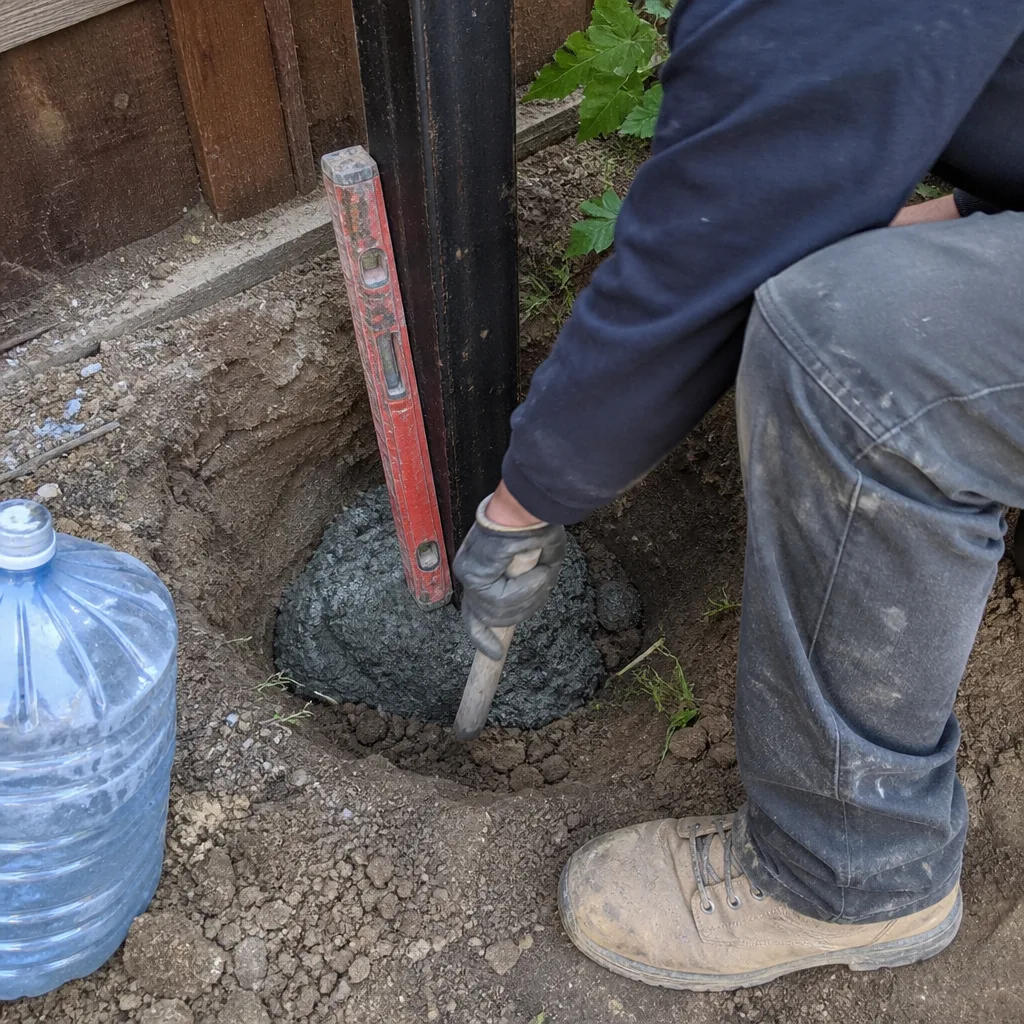
Most Fremont owners figure out something is wrong in one of two ways. Either a cap stone has started rocking underfoot when they lean on the fence, or they see a hairline crack running through a pillar cap after a wet winter. Sometimes it’s simpler: the fence gate starts dragging because the post footing has shifted. Unilock systems are engineered to tight tolerances, and when one piece moves, the pieces around it move too. That’s usually the first phone call we get.
To be clear about who we are: Barrett & Sons Construction Fremont is an independent contractor. We are not affiliated with Unilock, and we don’t represent them. We install their systems and work with their parts because they hold up in Bay Area conditions better than most alternatives we’ve handled.
Which Unilock Models This Applies To
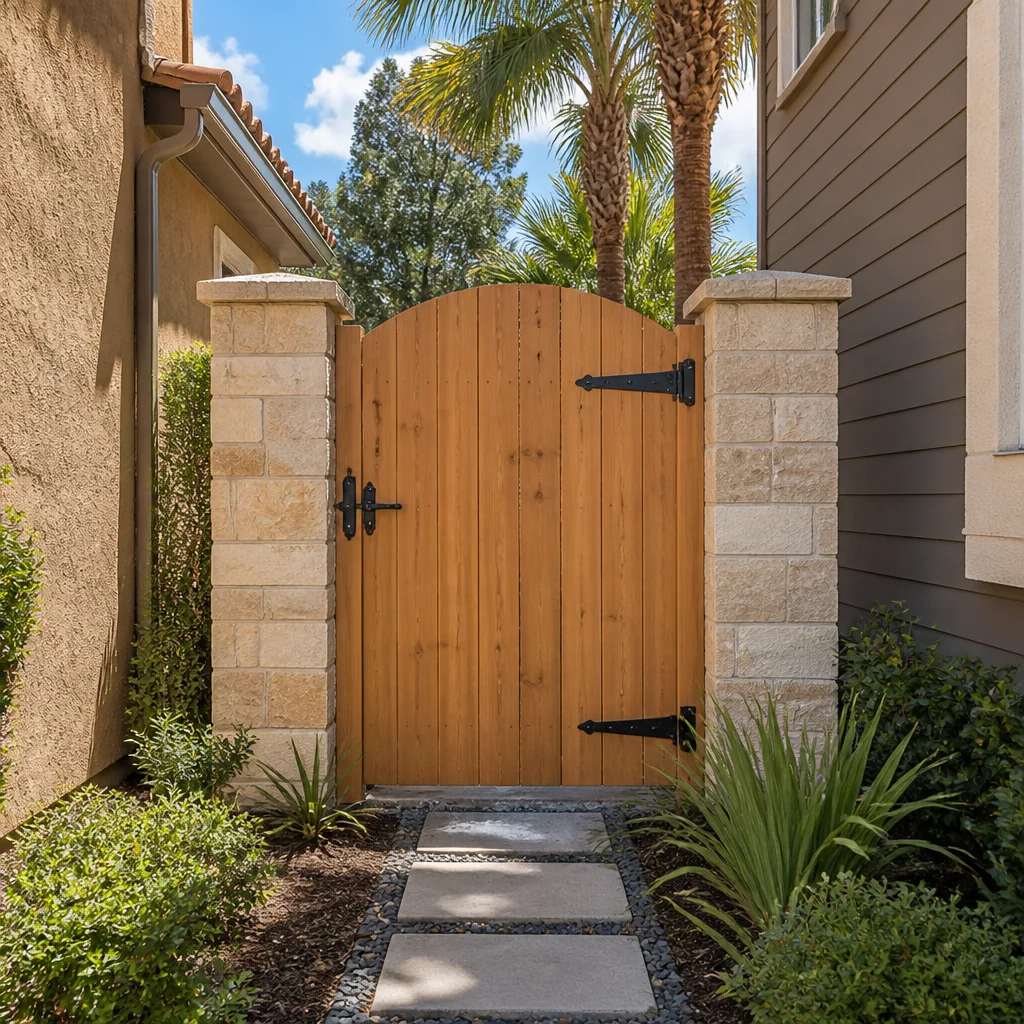
Unilock’s fence-adjacent products fall into a few families, and knowing which one you have matters before you order anything. Their Brussels Dimensional Stone and Brussels Block lines are the most common wall systems we see used for fence pillars and low walls in Fremont. Elegance and U-Cara are the newer configured wall systems, and U-Cara in particular uses a specific interlocking connection between the face panels and the corner units – if you try to substitute a standard Brussels cap on a U-Cara pier, it won’t seat properly and it will rock.
The fastest way to identify what you have is to measure. Unilock caps and copings run in specific depth and width dimensions per series. A Brussels cap is not the same depth as an Elegance cap. Pull a loose cap, measure it with a tape, photograph the underside, and note any stamped markings. That’s enough for us to match it. On the OEM-versus-aftermarket question: for structural wall blocks and load-bearing caps, go OEM. For cosmetic coping and trim where the profile is simple, a quality aftermarket equivalent can work and save money – but only if the dimensions match within a sixteenth of an inch. We’ll tell you honestly which side of that line your part falls on.
Styles & brands we work with
- Kitchen remodeling
- Bathroom remodeling
- Home additions & ADU
- Roofing
- Windows & doors
- Driveway & pavers
- Fence
Signs Your Unilock Fence Installation Is Failing
- Rocking or loose pier caps. The adhesive bed has failed, usually because water got under the cap during freeze-thaw or heavy rain cycles. Once the bond breaks, the cap collects water and the problem accelerates.
- Hairline cracks through cap stones. These typically trace back to a footing that wasn’t deep enough for Fremont’s expansive clay soils, which swell and shift seasonally. The cap takes the stress.
- Leaning fence line or sagging gate. The post anchor or footing has moved. Unilock pillar systems concentrate load at the pier, so a weak footing shows up there first.
- Efflorescence and white staining on wall blocks. Mineral salts wicking to the surface. Sometimes cosmetic, sometimes a sign of persistent moisture behind the wall that needs addressing before it freezes and spalls the face.
- Shifting or settling base course. The compacted gravel base has washed out or was never compacted to spec. When the base moves, everything above it follows within a season or two.
See the difference
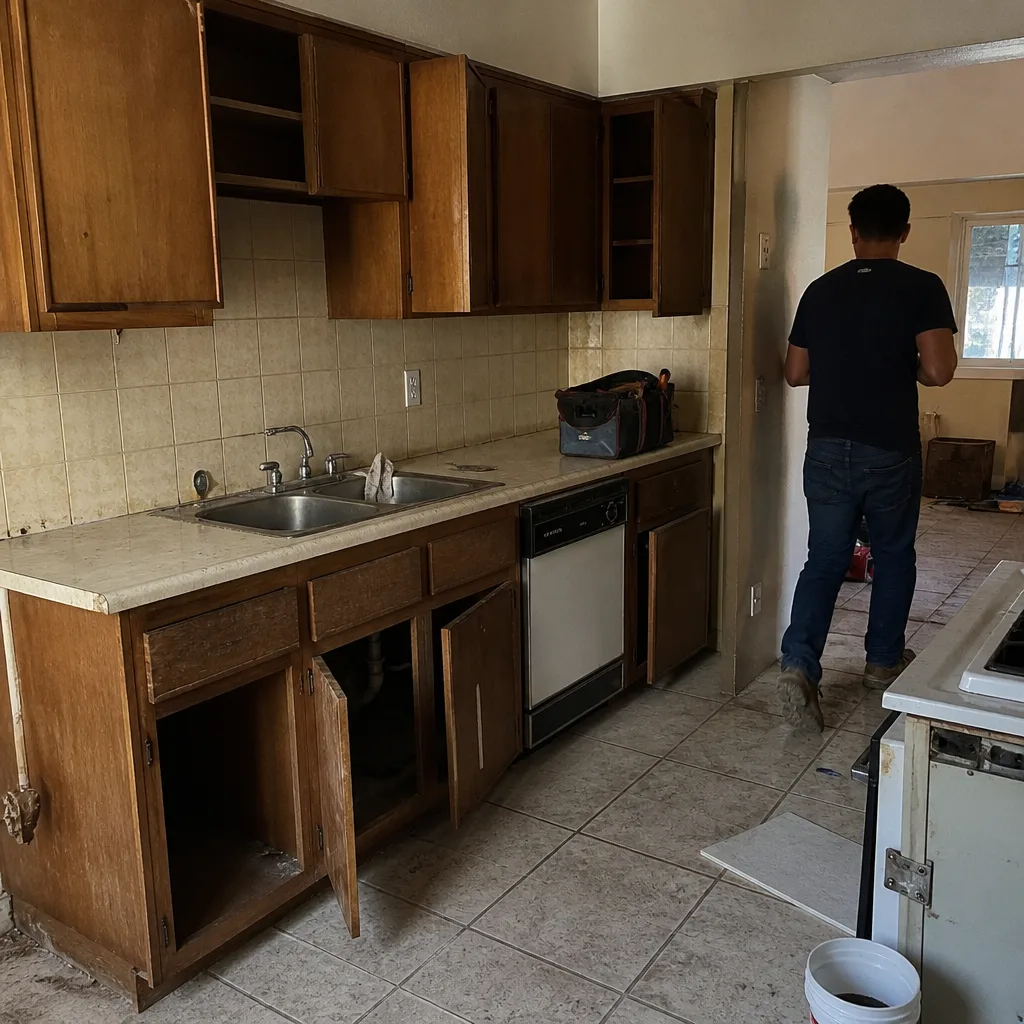 Before
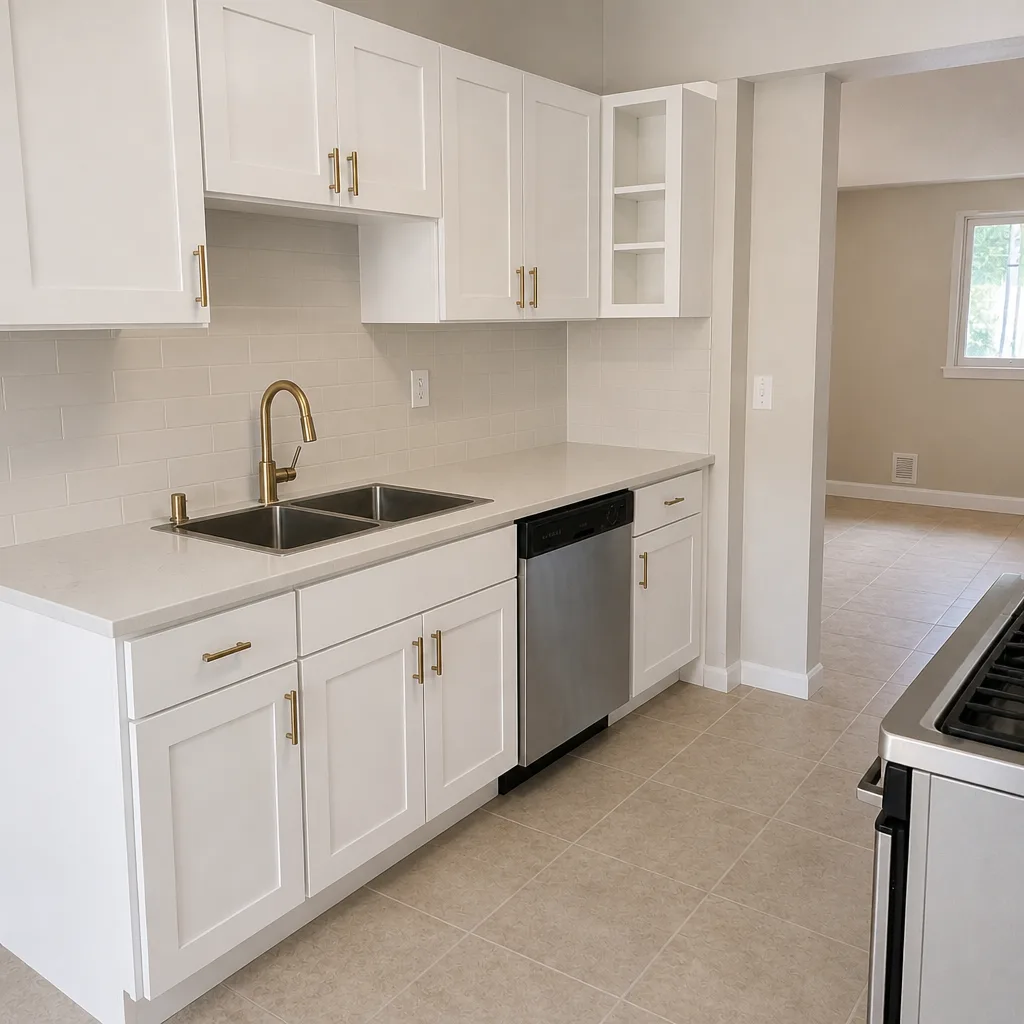 After
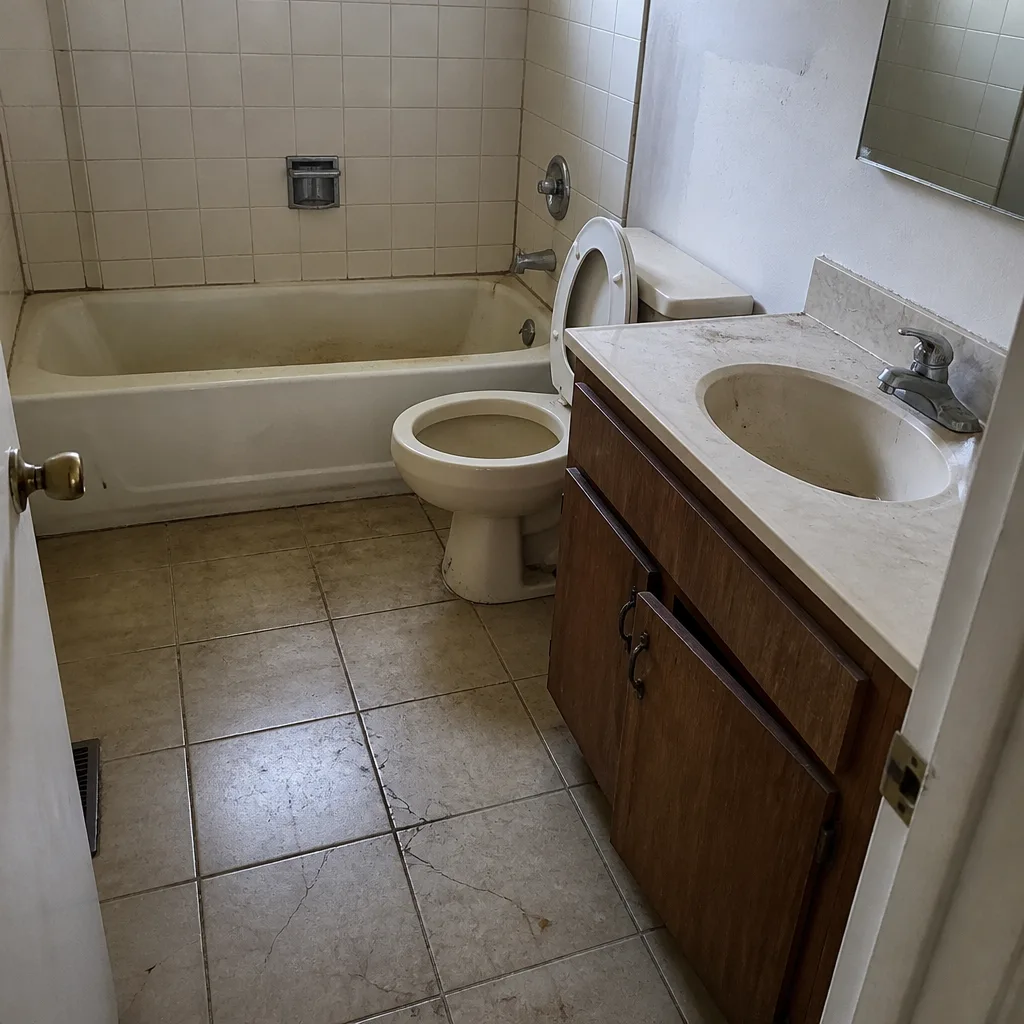 Before
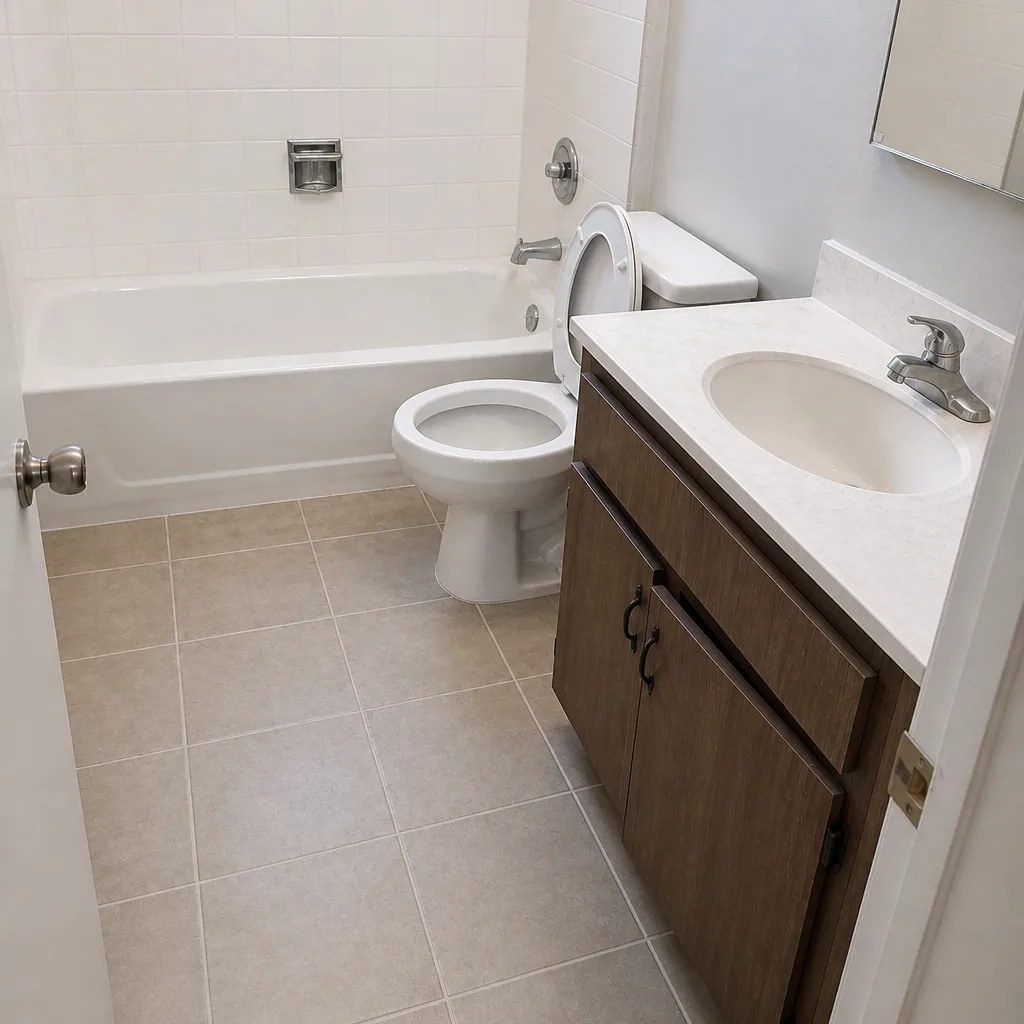 After
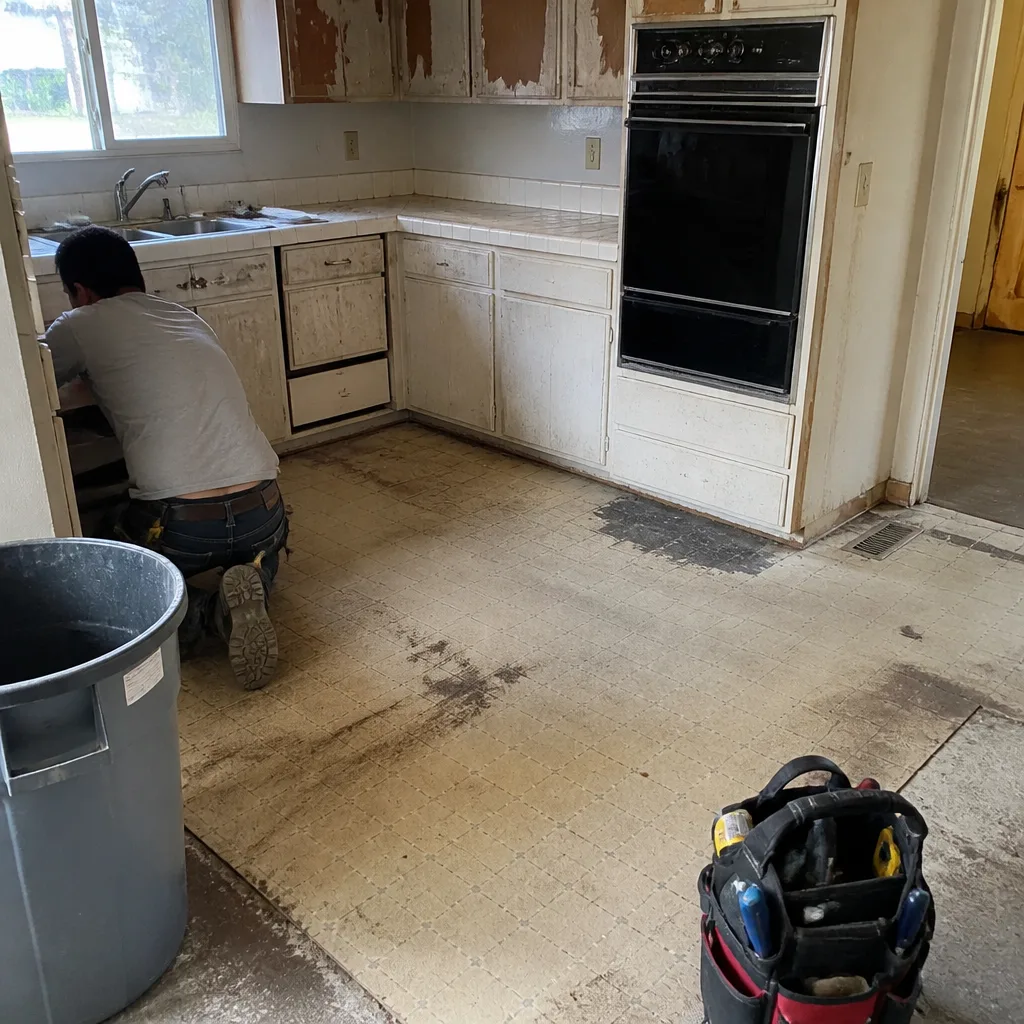 Before
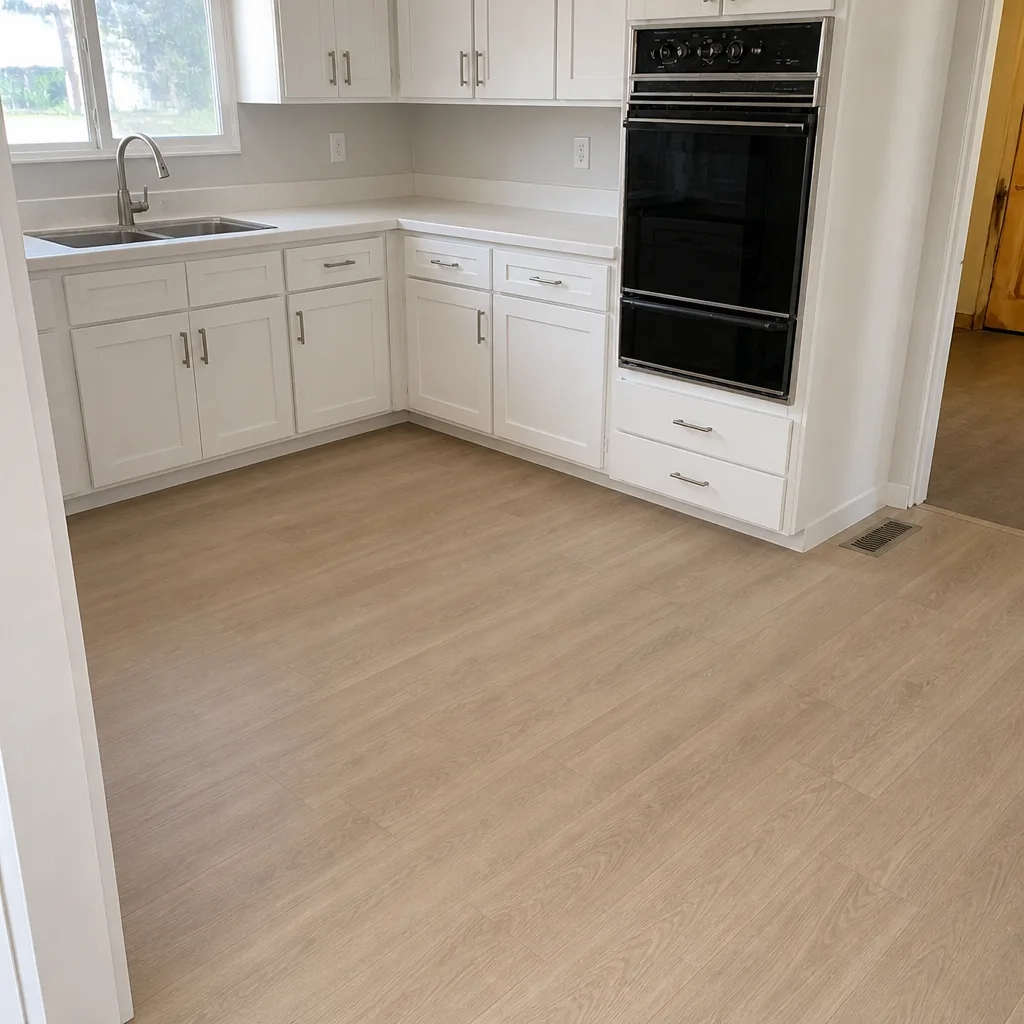 After
Replacement Cost & What’s Included
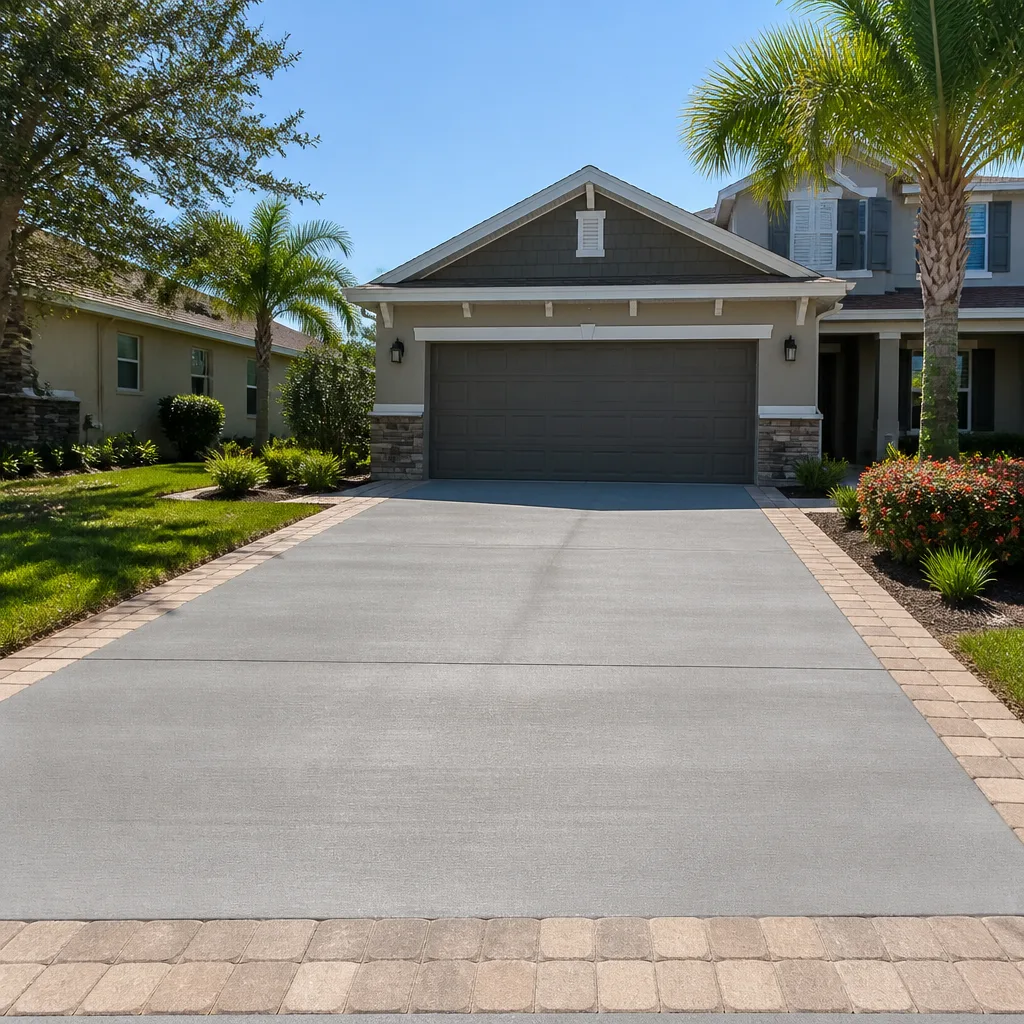
Replacing failed Unilock fence components or reinstalling a full fence line in Fremont runs $3,500 to $9,000. A partial repair – say, resetting four pier caps and re-bedding them – sits at the low end. A full reinstall with new footings, new base prep, and new wall or pillar block runs toward the top. Here’s how that breaks down:
- Cap and coping replacement, per pier: $85 to $220 installed, depending on series and adhesive method
- Pier footing rebuild: $400 to $900 per pier, including excavation and concrete
- Base course repair or replacement: $8 to $18 per linear foot
- Full fence line reinstall with Unilock pillars: $3,500 to $9,000 total
- Gate hardware and rehang: $150 to $400
Every scope lands on paper before work starts. If we open a pier and find the footing is worse than we thought, you get a written change order before we touch it – not a surprise on the invoice. Parts and labor are itemized. The work is backed by our written 90-Day Done Right Promise.
DIY or Call Us?
There’s a real split here. You can safely inspect your own fence: check for rocking caps, look for cracks, test the gate swing, and note any white staining. You can photograph and measure parts for identification. That’s useful work and we’ll help you interpret what you find.
What you shouldn’t do yourself is reset a pier footing or rebuild a base course. Those aren’t dangerous in the way that, say, gas line work is – but they’re physically demanding, they require proper compaction equipment, and a footing that’s even slightly off causes the same failure you started with within a year. We’ve seen more than a few Fremont homeowners spend a weekend resetting a pillar only to have it lean again by spring. The base prep is the whole job, and it’s invisible once finished. If you’re unsure whether your situation is a weekend fix or a call, pick up the phone and describe it to us. We’ll tell you straight. Call (833) 620-6162.
FAQs
Unilock wall blocks and caps typically last 25 to 40 years when installed over a properly compacted base with footings that account for Fremont’s clay soils. The block itself is durable – what fails early is almost always the footing, the base prep, or the adhesive under the cap, not the stone.
Often, yes. A loose cap can be re-bedded. A cracked cap can be replaced individually. A leaning pier usually needs the footing addressed, but the block can frequently be reused if it comes apart cleanly. We’ll tell you what’s repairable and what isn’t before you spend anything.
A cap and coping repair is usually a half-day to a full day. A pier footing rebuild takes a day plus cure time. A full fence line reinstall typically runs three to five days depending on linear footage and site access.
We source through Unilock’s dealer network and match by series, dimension, and finish from your measurements and photos. We don’t stock parts and we don’t carry an inventory – we order what your project needs, verify it on delivery, and bring it to site. We’ll also work with KraftMaid, Cambria, and Silestone on other parts of your home if those come up, but for fence work it’s Unilock-specific sourcing only.
Barrett & Sons Construction Fremont has been doing this work since 1998, and our technicians bring up to 28 years of experience to every job. Permits are pulled on every eligible project, and the permit inspector works for you, not for us – that’s why we like him. Call (833) 620-6162 for a free estimate. A live person answers, day or night. We also publish our standing offers: $40 off any repair over $200, a free second opinion on any written estimate, no trip charge inside the county, and a permanent 10% senior and veteran discount.
Written by the team at Barrett & Sons Construction Fremont, serving Fremont and nearby areas.