Last updated November 17, 2026






Free written scope consultation - allowances, timeline, and change-order rules on paper before a single trade is scheduled
Seasonal Construction Care for Fremont: Year-Round Homeowner’s Guide
Fremont gets roughly 15 inches of rain a year, but nearly all of it lands in a four-month window between November and March. That single fact reshapes how you should care for a house here. Caulk, roof penetrations, and drainage lines that look perfectly fine in July can be quietly failing by the first real storm, and you won’t see the damage until March, when it’s already behind the drywall. This guide walks through the seasonal rhythm we’ve learned to work around in Fremont: the fall window that matters most, what the dry summer does to wood and sealers, and the specific checks worth doing before each turn of the weather.
Quick Answer
Seasonal construction care in Fremont comes down to timing: do your exterior prevention work in the September – October window before the rains arrive, monitor for water intrusion during the wet months, inspect concrete, retaining walls, and fences after the last big storm, and schedule roofing and exterior painting in May or October rather than the July heat. The mild climate hides problems longer than a harsh one would, so the calendar matters more than the effort.
Styles & brands we work with
- Kitchen remodeling
- Bathroom remodeling
- Home additions & ADU
- Roofing
- Windows & doors
- Driveway & pavers
- Fence
Table of Contents
- The September – October Window: Five Checks Before the First Rain
- Why Dry Summer Heat Opens Gaps You Sealed in Spring
- Winter Wet Season: What to Watch and When to Call
- Spring: Concrete, Retaining Walls, and Fence Posts in Clay
- Summer Scheduling: Why May and October Beat July
- A Simple Year-Round Maintenance Calendar
The September – October Window: Five Checks Before the First Rain
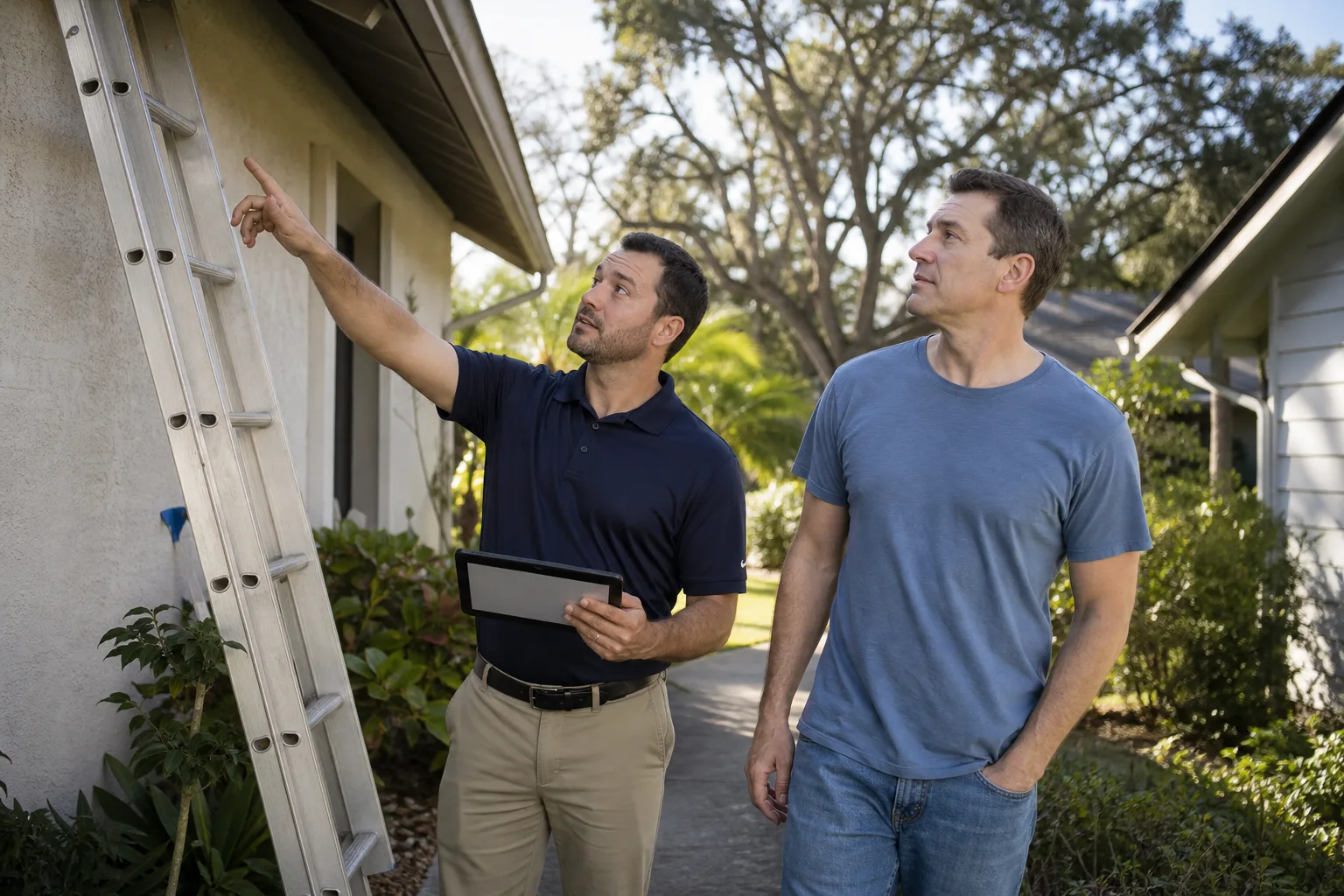
If you do nothing else on this calendar, do these five things in late September or early October. This is the narrow stretch when Fremont’s weather is still dry but the rainy season is close enough that the work actually matters. Miss it and you’re doing the same checks in a downpour, or discovering the results in February.
- Gutters and downspouts. Clear leaves and debris from every run, then flush the downspouts with a hose and watch water exit at the bottom. A clogged downspout sends water down the siding and into the foundation line instead of away from the house.
- Downspout extensions. Check that each downspout discharges at least four to six feet from the foundation. If the extension has been kicked loose or buried, water pools against the house through the whole wet season.
- Door and window caulk. Walk the exterior and press a fingernail into the caulk joints around door frames and window trim. Crumbly or separated caulk needs to be cut out and redone now, before it’s holding back rain instead of letting it in.
- Crawlspace vents. Make sure vents are open, unobstructed, and screened. In Fremont’s wet months, a blocked crawlspace vent traps moisture under the floor and shows up later as musty air and soft subfloor.
- Flatwork slope. Look at the driveway, walkways, and patio. Water should run away from the house, not toward it. If you see staining or a low spot holding water from the last rain, that’s the spot to address before the next storm.
None of these are glamorous. All of them are cheaper than the repairs they prevent. If any of the checks turn up something bigger, like a roof detail or a section of flatwork that needs re-grading, that’s the point where a professional look is worth scheduling while the weather is still on your side.
Why Dry Summer Heat Opens Gaps You Sealed in Spring
Here’s a pattern that surprises a lot of homeowners in Fremont. You caulk the trim in April, everything looks tight, and by August you’re finding cracks in the same joints. This isn’t bad caulk. It’s the wood moving.
Fremont’s dry inland summers pull moisture out of wood framing and trim. As the wood shrinks, joints that were snug in the wet spring open up. Caulk applied in April gets stretched as the material contracts through the summer, and by fall it’s either failed or on its way. That’s why the smart move here is to re-caulk in late September, after the wood has finished its summer contraction and settled into its driest dimensions, rather than in spring when the material is still swollen from winter moisture.
Which gaps to prioritize:
- Horizontal joints at the top of door and window trim, where water sits longest.
- Any joint facing the prevailing winter weather on the west and south sides of the house.
- Corners where two trim boards meet and open up as they dry at different rates.
- Around penetrations: hose bibs, dryer vents, outdoor outlets, and cable entries.
We’ve watched this play out on dozens of Fremont homes. The late-fall re-caulk isn’t a bigger job than the spring one, it’s just better timed. When the work calls for more than caulk, like trim replacement or a window that’s letting water past the frame, that’s a good moment to look at the windows themselves. We install Andersen and Marvin for exactly this reason: verifiable brands, not mystery units off a van.
Winter Wet Season: What to Watch and When to Call
Once the rains start, your job shifts from prevention to monitoring. Most winter water intrusion in Fremont announces itself early if you know where to look. Here are the interior spots worth checking during and right after heavy rain events:
- Ceiling and wall corners under roof valleys. A faint stain or a soft spot here means a roof penetration or flashing is failing.
- Around windows, especially on the windward side. Fogging glass, water on the sill, or soft drywall below the frame.
- The base of exterior doors. Water on the threshold or a damp strip of flooring just inside.
- Crawlspace or garage floor. New dampness, musty smell, or standing water after a storm.
- Attic underside of the roof deck. Look for darker streaks or damp sheathing after a rain.
What means “call someone now” versus “watch it”: a single small stain under a roof detail that doesn’t grow is a watch-it item, documented and rechecked after the next storm. Active dripping, water running down a wall, a soft spot in drywall, or water pooling near the foundation is a call-someone-now. Water finds the cheapest path, and the longer it runs, the more of the structure it takes with it.
If a wet-season problem turns into a repair, get a written second opinion before you commit. Our Barrett & Sons Construction Fremont home page is the starting point for that call, and a free second opinion on any written estimate costs you nothing but an hour. The whole point is to know what you’re buying before a single nail moves.
Spring: Concrete, Retaining Walls, and Fence Posts in Clay
Fremont doesn’t get frost heave the way colder regions do, but the wet-dry swing in the soil here does its own damage, especially in the clay-heavy soils common in the hills and older neighborhoods. Spring is the time to inspect what winter did to the hardscape.
What to look at after the last significant rain:
- Concrete flatwork. Hairline cracks are normal. Cracks wider than a pencil, heaving sections, or slabs that have settled unevenly are not, and they usually point to a drainage problem underneath.
- Retaining walls. Look for bulging, leaning, or weep holes that aren’t draining. A wall holding back saturated clay through the wet season carries far more load than it does in summer.
- Fence posts. Grab a post and push. Movement at the base means the wood has started to rot where it meets the soil, which is a common failure point in clay. A fence that survived winter may just be loosening its grip by spring.
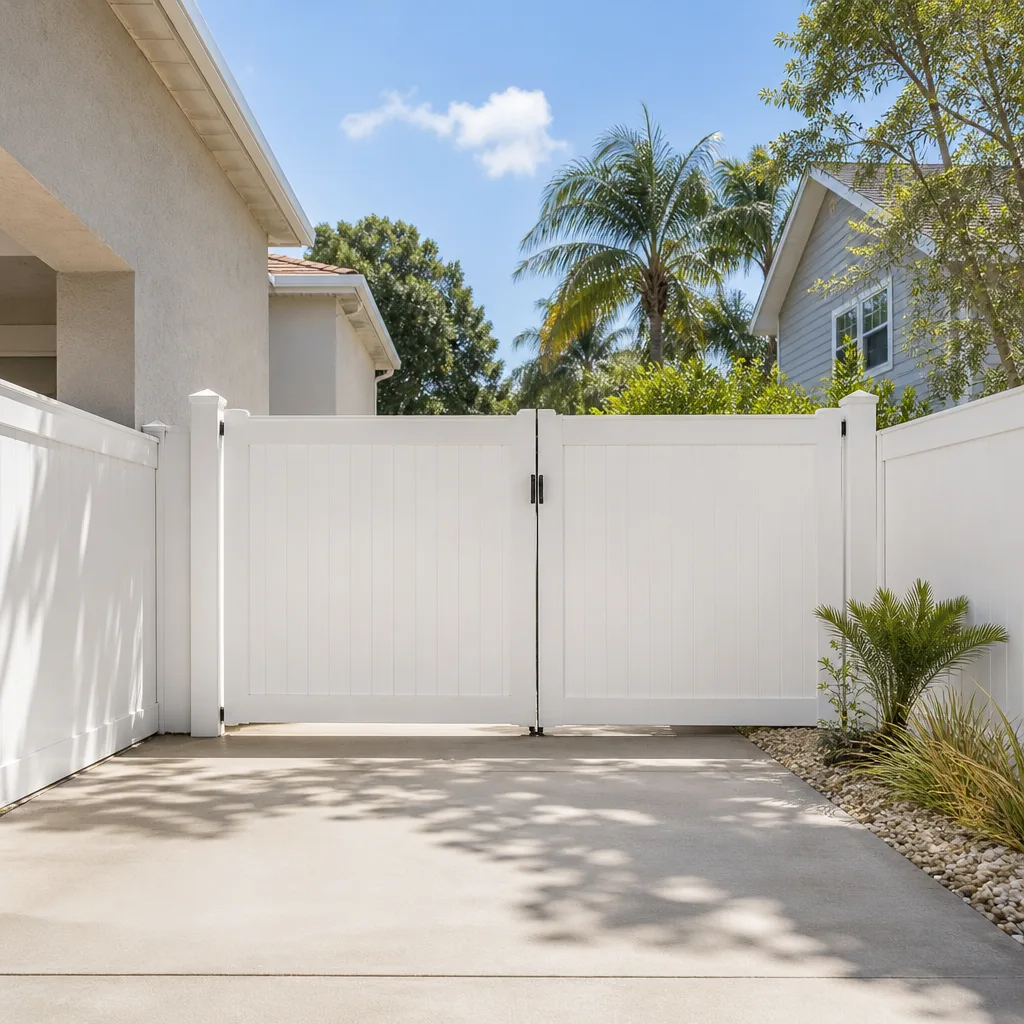
- Pavers and driveway seams. Sand between pavers washes out over the wet months. Refilling it now keeps the joints stable before the dry summer.
If a fence line needs replacing rather than patching, our Fence Installation in Fremont service covers post-setting and material choice for our soils. When the driveway itself has settled or the seams have shifted, Driveway & Pavers in Fremont walks through repair versus replacement. If a retaining wall or structural element is failing, get a professional assessment before you load it again next winter.
Summer Scheduling: Why May and October Beat July
Fremont summers run hot inland, and that heat dictates when certain exterior work should happen. Roofing, exterior painting, and anything involving adhesives or sealers are all better done in May or October than July.
The reasons are concrete. Roof shingles and sealants have an installation temperature window. Adhesive strips on window and skylight components can soften or fail when applied to a surface that’s too hot to bond properly. Exterior paint cures too fast in high heat, which leads to lap marks and a finish that doesn’t hold. And working on a dark roof under July sun is a safety problem as much as a quality one, for the crew and for the materials.
What we schedule when:
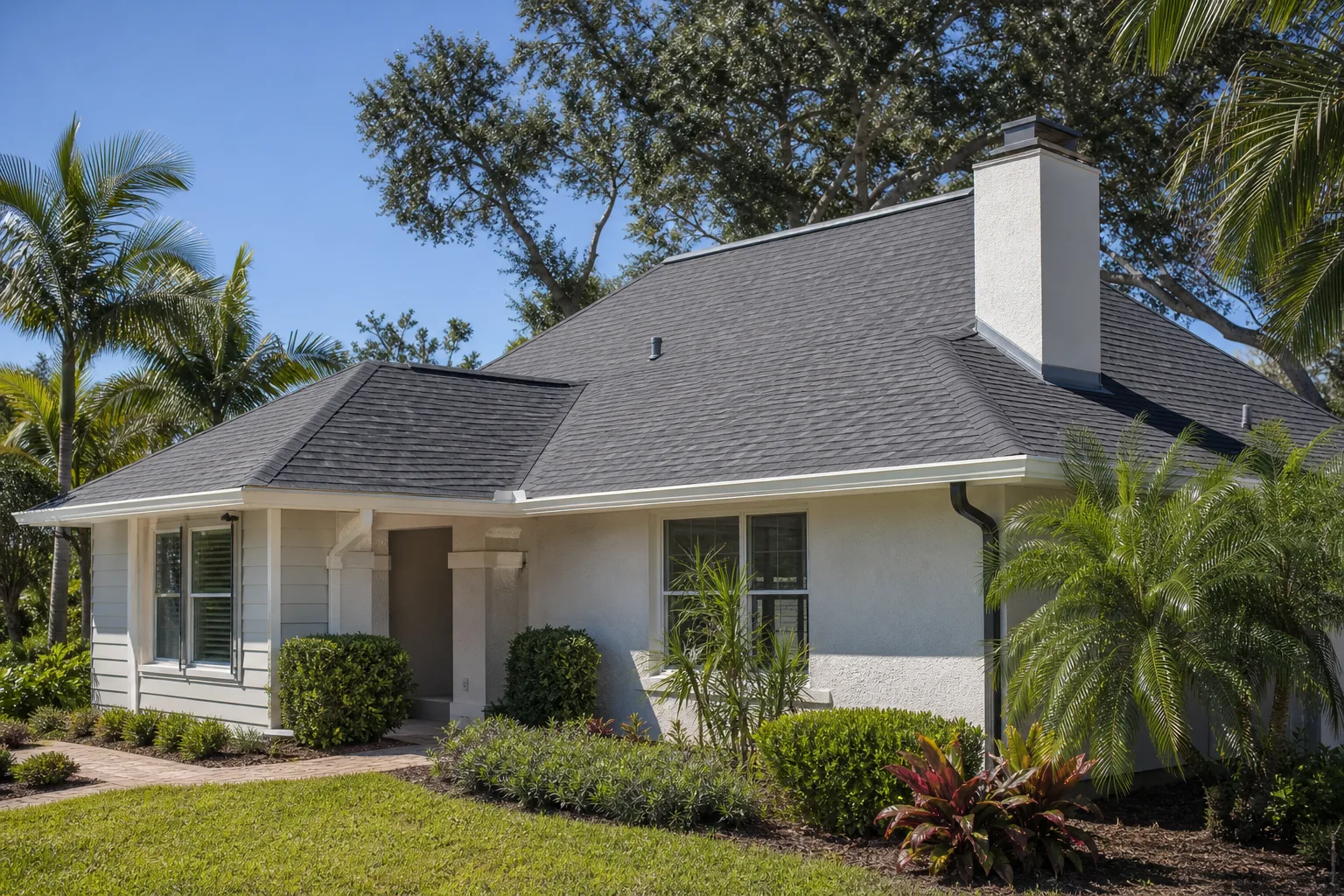
- Roofing: late spring or early fall, when the deck temperature is moderate and shingles seal down properly. GAF and CertainTeed systems are spec’d for those conditions.
- Exterior painting: May or October, avoiding the hottest stretch and the wettest one.
- Windows and doors: spring or fall, when the house can be opened up and sealants cure at the right rate. If you’re replacing windows and want to see what’s under the frame before committing, our Home Additions & ADU in Fremont page covers the bigger-scope version of that conversation.
- Hardscape: late spring or early fall, so joints and base materials settle before the wet season.
The point isn’t a rule for its own sake. It’s that the same job done in the wrong month costs more in callbacks and repair later. Timing is part of the quality.
A Simple Year-Round Maintenance Calendar
Here’s the whole guide in one place. Print it, stick it on the fridge, and use it as your yearly to-do list.
- January – March (wet season): Monitor interior spots for water intrusion after heavy rain. Keep gutters clear. Note anything suspect for the spring inspection.
- April – May: Inspect concrete flatwork, retaining walls, and fence posts after the last big storm. Refill paver joints. Schedule any roofing or exterior painting for the May window.
- June – August: Watch for the summer contraction gaps in caulk and trim. Avoid scheduling roof or adhesive work in the peak heat if you can. Recheck anything flagged in spring.
- September – October (the critical window): Do the five fall checks: gutters, downspout extensions, door and window caulk, crawlspace vents, and flatwork slope. This is the narrow stretch that prevents most winter damage.
- November – December: Transition to wet-season monitoring. Confirm downspouts are discharging away from the foundation and that drainage paths are clear.
Common Mistakes to Avoid
- Caulking in spring instead of late fall. The wood is still swollen in spring, so the joint opens again as the summer dries it out. Wait until September when the material has settled.
- Letting downspouts dump against the foundation. A downspout that ends at the wall sends the entire roof’s worth of water into the soil next to your slab. Extensions are cheap; foundation repairs aren’t.
- Ignoring hairline cracks in flatwork. Most are fine. But a crack that widens season over season is telling you the base is moving, and the fix gets bigger the longer you wait.
- Scheduling roof work in July heat. Shingles and sealants need a moderate temperature to bond correctly. A hot-weather install often means callbacks by the next wet season.
- Assuming Fremont’s mild climate means low maintenance. The mild weather hides problems longer here than in a harsh climate, which is exactly why the calendar matters more, not less.
- Signing off on a verbal scope. An allowance that isn’t on paper is a surprise waiting for a date. Insist on every scope, allowance, and price change in writing before work begins.
- Patio and wall drainage left unchecked. Retaining walls that can’t weep will bulge and lean. Check that the weep holes drain every spring.
See the difference
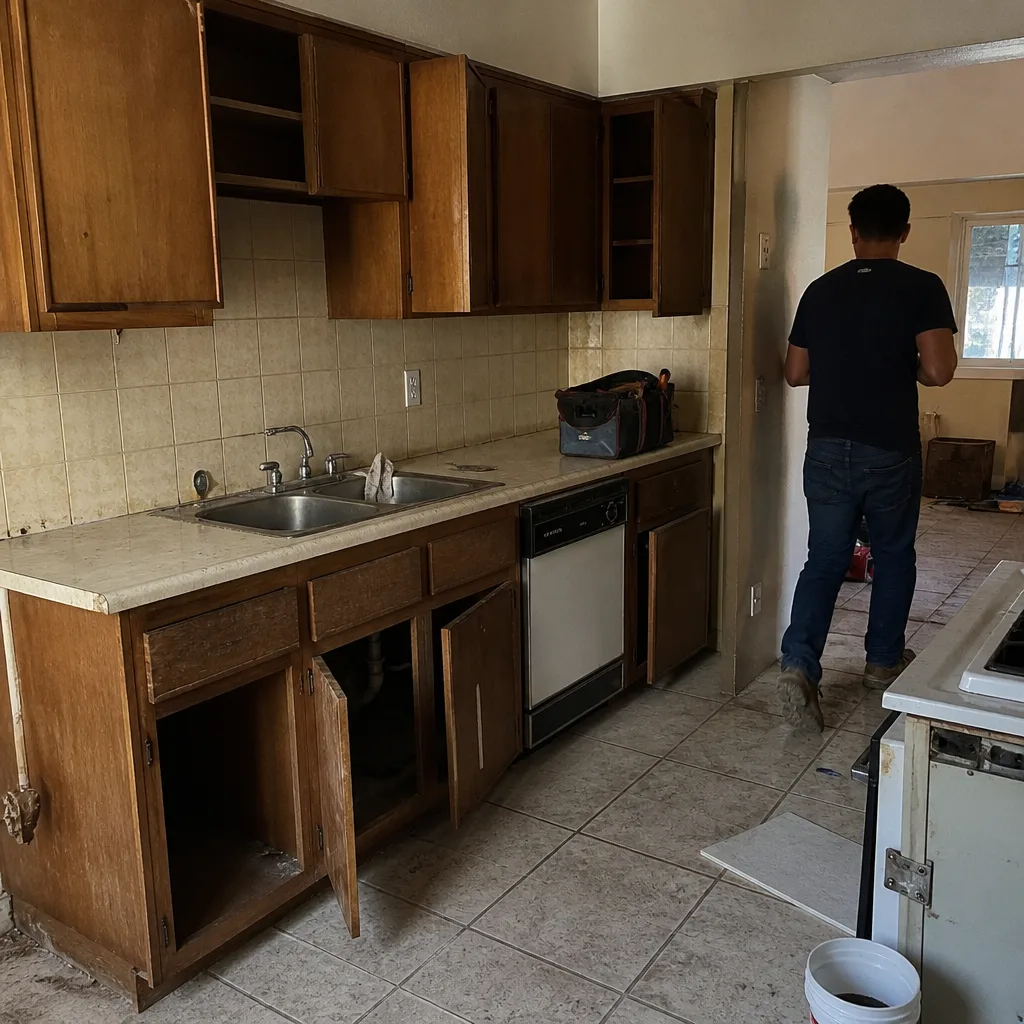 Before
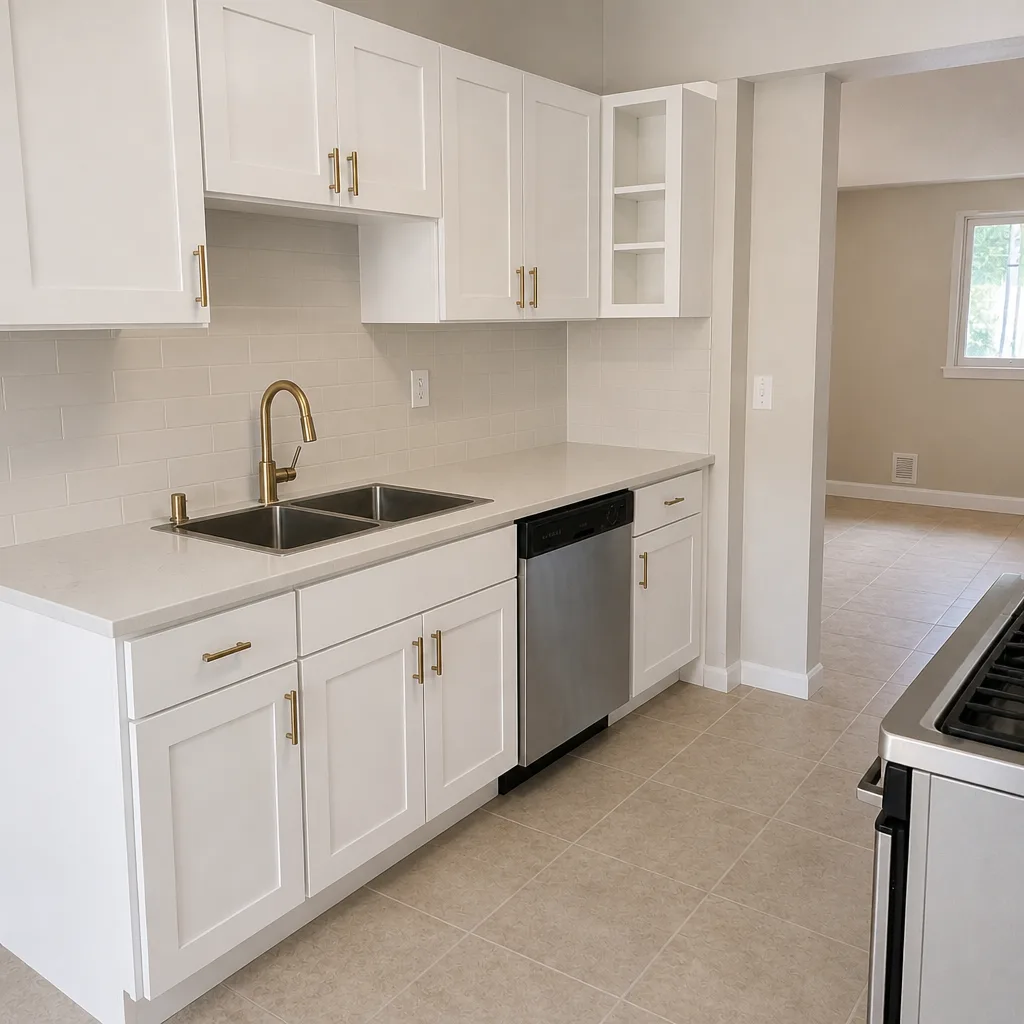 After
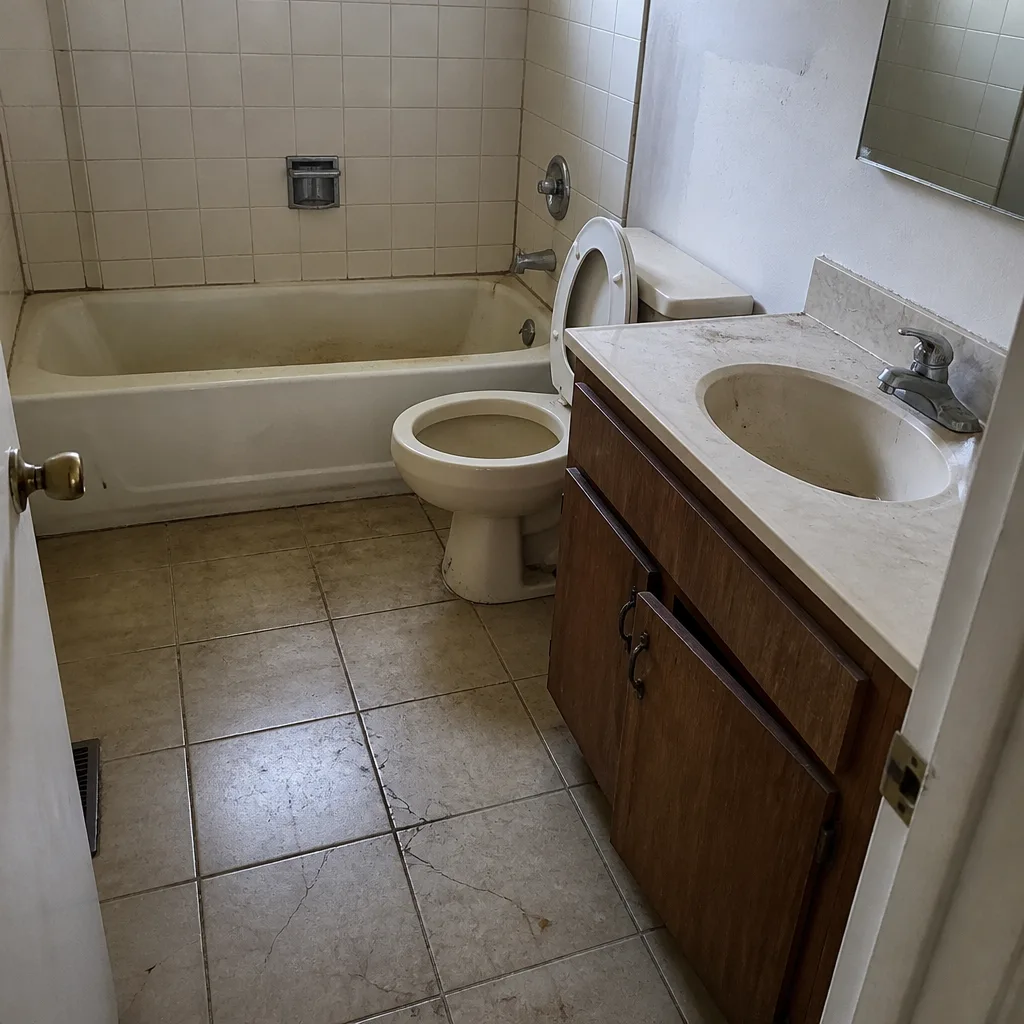 Before
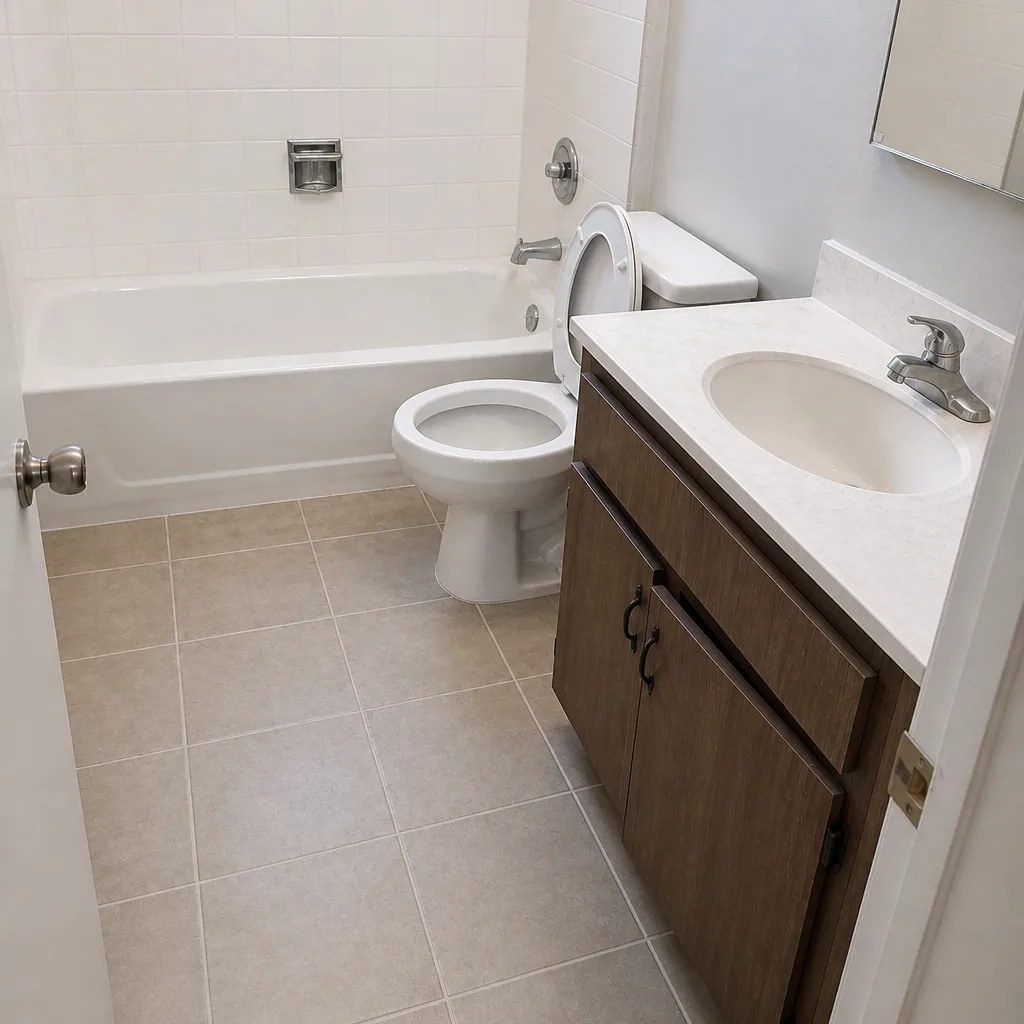 After
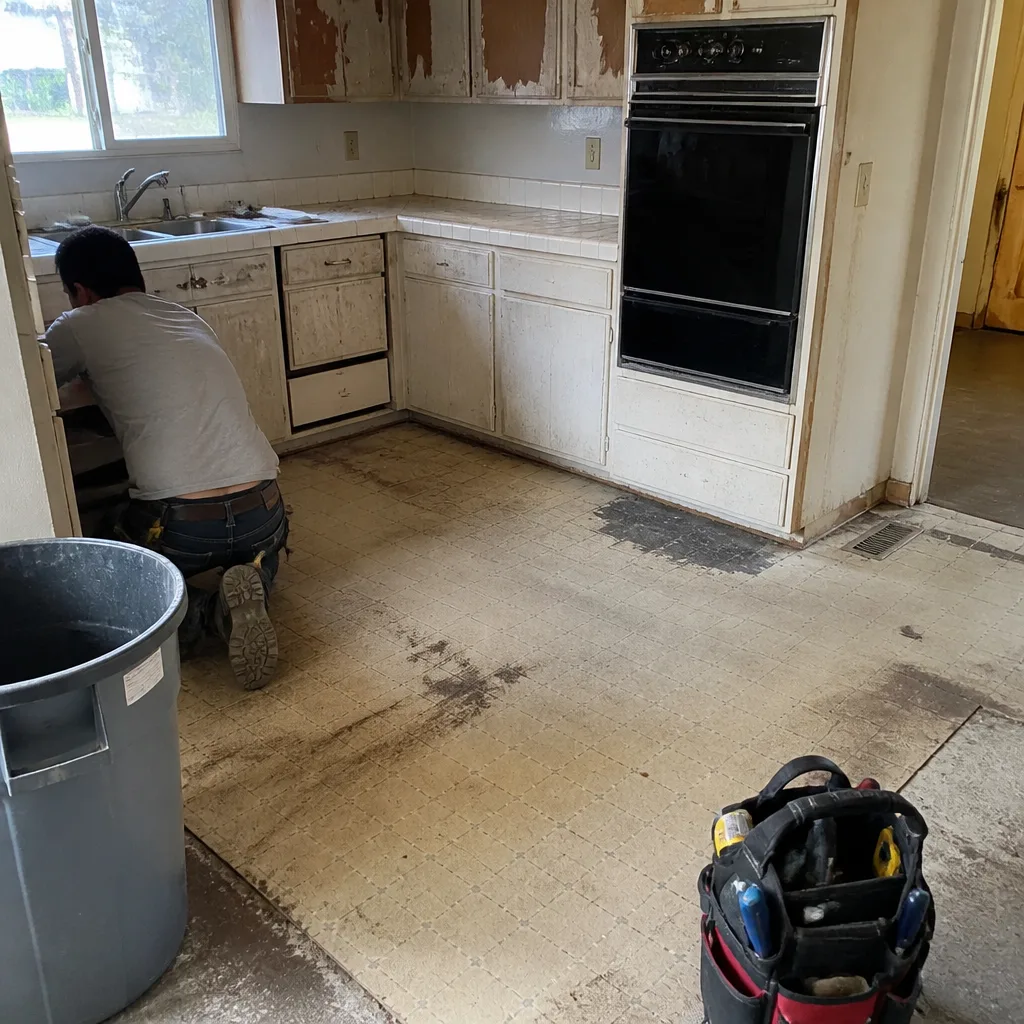 Before
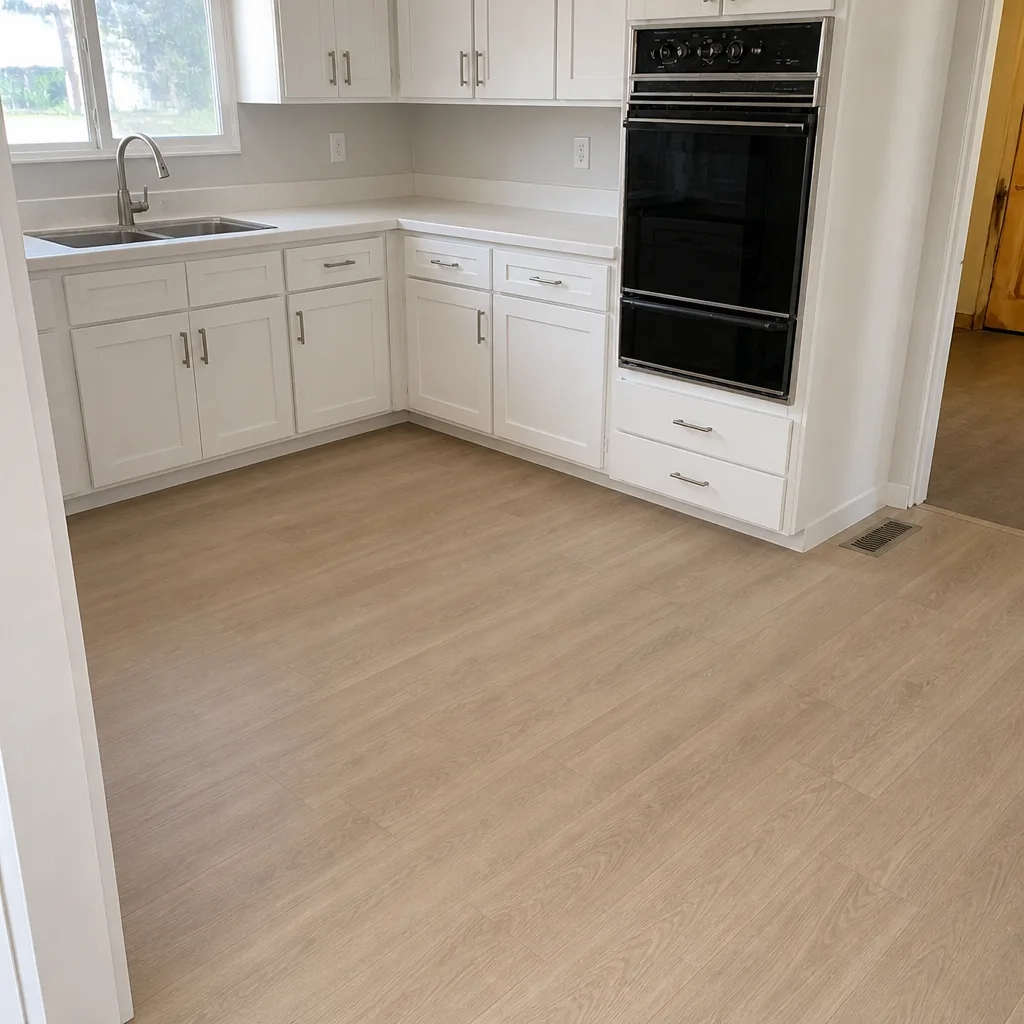 After
When to Call a Professional
Call someone for anything structural or water-related that you can’t confidently scope yourself: active water intrusion during a storm, a roof stain that grows, a soft spot in drywall, a retaining wall that’s leaning or bulging, a fence line where multiple posts are loose, or flatwork that has settled and is directing water toward the house. Those are the jobs where the wrong fix costs more than the right one, and where permits and inspections actually protect you. Barrett & Sons Construction Fremont offers free estimates in Fremont. Every eligible job gets its permits pulled and inspections signed, every price change arrives as a written change order before work proceeds, and every completed job is backed by the written 90-Day Done Right Promise. Call (833) 620-6162 to schedule your free estimate.
Frequently Asked Questions

Late September through early October. That’s the narrow window before the rainy season arrives, when you can still get on the roof, clear the gutters, re-caulk the trim, and check the drainage without fighting the weather. Getting it done now prevents most of the water damage that would otherwise show up in February. Call (833) 620-6162 if you want a professional eye on the list before the rains start.
Because the wood moves. Fremont’s dry summers pull moisture out of framing and trim, and the material contracts, which stretches and opens the caulk joints. The fix is timing: re-caulk in late September, after the wood has finished contracting, rather than in spring when it’s still swollen from winter moisture. Call (833) 620-6162 for a free estimate if a joint needs more than caulk.
Not if you can help it. May or October is better. Roofing materials and sealants have an installation temperature window, and Fremont’s peak summer heat can prevent shingles and adhesives from bonding properly, which leads to callbacks. Barrett & Sons installs GAF and CertainTeed systems and schedules around the right conditions. Call (833) 620-6162 to talk timing.
Check the ceiling and wall corners under roof valleys, the area around windows on the windward side, the base of exterior doors, the crawlspace or garage floor, and the underside of the roof deck in the attic. A small stable stain is a watch-it item. Active dripping, water running down a wall, or a soft spot is a call-someone-now. Call (833) 620-6162 for a free second opinion on any written estimate.
Push on each post. Movement at the base usually means the wood has started to rot where it meets the soil, which is a common failure point in clay-heavy areas. If multiple posts are loose, the fence line is likely due for replacement rather than patching. Call (833) 620-6162 for a free estimate on fence installation.
Not without a written change order in front of you first. At Barrett & Sons, every scope, every allowance, and every price change arrives in writing before a single nail moves. That’s the whole point of the process: no surprise invoices at the end. Call (833) 620-6162 for a free estimate with a written, line-item scope.
The Bottom Line
Fremont’s mild climate doesn’t mean low maintenance. It means the problems hide longer, which is why the calendar is the most important tool you have. Do the five exterior checks in the September – October window before the first rain. Watch the interior spots during the wet months and know the difference between a watch-it and a call-now. Inspect concrete, retaining walls, and fence posts after the last storm. Schedule roofing and exterior painting for May or October, not July. Follow the rhythm and most of what goes wrong on a house here never gets the chance to start.
Barrett & Sons Construction is owner-operated and has served local communities for over 29 years. A live person answers the phone every day, and a free estimate comes with a written scope, a line-item price, and change orders in writing before anything changes. Our technicians have up to 28 years of experience, and every completed job is backed by the 90-Day Done Right Promise. Call (833) 620-6162 to schedule your free estimate.
Written by the team at Barrett & Sons Construction Fremont.