Last updated November 17, 2026






Free written scope consultation - allowances, timeline, and change-order rules on paper before a single trade is scheduled
Windows & Doors Warning Signs Every Homeowner Should Know
A door that sticks in January and swings free by May isn’t a hardware problem. It’s your house moving. In Fremont, where the soil runs heavy with clay and adobe, that movement has a direction and a reason, and the door frame is telling you about it months before a foundation specialist would. Windows and doors are the only parts of your house that give you this early warning system for free. The trick is knowing which signals are ordinary seasonal noise and which ones are the first line of a five-figure repair bill. This guide names the specific signs, tells you what each one means, and shows you how to check your own Fremont home this weekend.
Quick Answer
The warning signs that matter most are interior paint bubbling near window casings, visible sill erosion and caulk separation from the ground, diagonal cracking at door corners, and drafts you can map with your hand on a cold morning. Each one points to a specific failure – water intrusion, frame rot, foundation movement, or a failed seal – and most of them are cheap to fix early and expensive to ignore. If you’re seeing two or more of these at once, it’s time for a professional look, not a repaint.
Styles & brands we work with
- Kitchen remodeling
- Bathroom remodeling
- Home additions & ADU
- Roofing
- Windows & doors
- Driveway & pavers
- Fence
Table of Contents
- Seasonal Swelling vs. Progressive Frame Rot: The Touch Test
- What Paint Bubbling Near a Window Casing Is Really Saying
- Draft Mapping: Finding the Windows and Doors Bleeding Your Heating Dollars
- Exterior Warning Signs You Walk Past Every Day
- How Fremont’s Clay Soil Racks Your Door Frames
- A 10-Minute Self-Inspection You Can Do This Weekend
- Common Mistakes to Avoid When the Signs Show Up
Seasonal Swelling vs. Progressive Frame Rot: The Touch Test
Wood moves. It absorbs moisture in the wet months and releases it in the dry ones, and in an older Fremont home with original fir or pine frames, a door that binds a little in February and frees up in June is doing exactly what wood does. That’s seasonal expansion. It’s normal. You don’t need to do anything except keep an eye on it.
The problem is that progressive frame rot looks almost identical from the inside until it’s too late. The way to tell them apart is a touch test, and it takes about thirty seconds per window.
- Press your thumbnail into the bottom rail of the frame, right where the sill meets the vertical jamb. Healthy wood resists and springs back. Rotten wood gives, and you’ll feel the difference instantly – like pressing into a cork.
- Tap the frame with the handle of a screwdriver along the bottom and the corners. A solid frame produces a sharp, consistent tap. Rot produces a dull thud, and it will sound different from the rest of the frame.
- Look for a soft, dark patch where the frame meets the sill. Paint can hide a lot, but rot almost always shows through as a slightly sunken, discolored spot. If you find one, poke it with a small screwdriver – if the tip sinks in easily, the rot is already inside.
Seasonal swelling reverses itself. Rot doesn’t. If the touch test tells you the wood is soft, the repair is much smaller now than it will be after another wet season in Fremont. When frames have gone soft enough that a full replacement makes more sense than a repair, this is exactly the kind of work we handle, and we install Andersen and Marvin windows for Fremont homes where the frames need to be replaced properly rather than patched. You can see the full scope on our Barrett & Sons Construction Fremont home page.
What Paint Bubbling Near a Window Casing Is Really Saying
Bubbling or peeling paint around window casings is the single most misread signal in a house. Most homeowners see it, assume it’s a paint problem, and repaint over it. That’s a mistake, because the paint is a symptom, not the cause, and there are exactly two causes worth knowing about.
- Condensation. Warm, moist indoor air meets a cold window frame, and the moisture collects on the surface, working its way under the paint film. This happens most on single-pane or older double-pane windows in winter, especially in kitchens and bathrooms. The paint bubbles from the inside of the window opening, and it tends to appear in the same place every year.
- Water intrusion. Water is getting in from outside, through a failed seal, a cracked caulk line, or a flashing problem, and it’s soaking the wood from behind. The paint bubbles from the outside face of the casing, usually near the top corners or the sill, and it gets worse every year instead of resetting.
Here’s how to tell which one you’re dealing with before you buy a can of paint. Run your hand along the top of the casing on a cold morning. If it’s dry but the paint is bubbling, that’s condensation. If you can feel moisture at the top corners on a dry day, or if the bubbling comes back within a season of repainting, water is coming in from outside. Condensation is a ventilation problem. Water intrusion is a flashing and sealing problem, and it will rot the wall cavity from the inside if you leave it.
We’ve seen this on more Fremont homes than we can count, particularly on the older single-story houses around Centerville and Irvington where the original windows are still in place. Repainting without finding the source just resets the clock. For a second set of eyes before you paint over something, our crew offers a free second opinion on any written estimate – call (833) 620-6162 and we’ll take a look.
Draft Mapping: Finding the Windows and Doors Bleeding Your Heating Dollars
Every house has drafts. The problem is that most homeowners either ignore them or assume they need all-new windows when the fix is a $9 roll of weatherstripping. Draft mapping tells you the difference.
Do this on a cold morning when the indoor-outdoor temperature difference is at least 20 degrees. That’s the condition where a draft becomes obvious. You don’t need any special tools – the back of your hand is sensitive enough to feel air moving that a draft detector might miss.
- Light an incense stick or use a thin strip of tissue and hold it near the frame edges – along the top of the door, the sides, and the bottom sweep. A draft that flutters the tissue is coming past the weatherstripping or the door sweep.
- Run your hand slowly around the frame perimeter, not the center of the glass. A draft from the weatherstripping feels like a steady bleed of cold air right at the joint. A draft from the glass itself feels like a broad chill across the whole window, and that means the seal has failed between the panes.
- Check the corners and mullions last. These are the weakest points on any window frame, and in Fremont homes older than about thirty years, they’re where weatherstripping compresses first.
If the draft is at the joint, it’s weatherstripping and a door sweep – a quick fix. If the whole window feels cold or fogged between the panes, the sealed glass unit has failed and no amount of caulk will fix it. That’s a window replacement, not a repair. Knowing which one you have before you call anyone keeps you from buying windows you don’t need.
Exterior Warning Signs You Walk Past Every Day
The most expensive problems are the ones you can see from your driveway. Every Fremont homeowner walks past these three warning signs every day, and most of them don’t register until the damage is inside the wall.
- Sill erosion. The exterior window sill is a slanted piece of wood or stone designed to shed water. Look at it from the ground. If it’s been worn away, if it’s cupping or splitting, or if the paint has worn back to bare wood, water is no longer shedding off it – it’s sitting on it and soaking in. Sill erosion is the number one cause of frame rot we see, and it’s a cheap repair when it’s caught before the wood goes soft.
- Caulk separation patterns. Walk the outside of the house and look at the caulk lines around every window and door. A clean, continuous bead means the seal is intact. If you’re seeing cracks, gaps, or places where the caulk has pulled away from the frame in a consistent pattern – usually the top and bottom of the frame – that tells you the frame is moving relative to the siding, and the caulk is just the first thing to split. A random bad spot is a maintenance item. A pattern is a structural clue.
- Flashing rust stains. Flashing is the metal piece above a window or door that directs water away from the opening. If you see a rust-colored streak running down below the flashing, or a brown stain on the siding or brick, that means water has been sitting behind the flashing. Where there’s a stain, there’s water. Where there’s water, there’s usually rot behind the wall.
If your inspection turns up window, door, or flashing problems, they often come as a package with other exterior work. It’s worth knowing how those pieces fit together with the rest of your house, and our Fence Installation in Fremont and Driveway & Pavers in Fremont pages cover how proper exterior grading and drainage protect the same openings from below.
How Fremont’s Clay Soil Racks Your Door Frames
If you’ve ever wondered why the interior doors in a Fremont house behave differently from the doors in a cousin’s house over in the hills, the answer is in the ground. The clay-heavy and adobe soil that defines so much of Fremont swells when it’s wet and shrinks when it dries, and that cycle moves foundations. As the foundation moves, the frame above it moves with it, and the door frame starts to rack out of square.
Here’s what that looks like in practice. Look closely at the corners of your interior door openings, especially the top corners. A diagonal crack running outward from the corner of the door frame toward the ceiling is the classic signature of foundation movement – the frame is being pushed or pulled, and the drywall is cracking along the stress path. A vertical crack running straight up the wall from the corner is usually just drywall settling or a thermal stress crack, and it’s not a door or foundation problem.
We see specific patterns in specific parts of Fremont. Homes in the flat, clay-heavy neighborhoods around Centerville and Irvington tend to show door-racking at the corners of the house that face the direction of seasonal soil expansion. Older houses near Niles often show a diagonal crack at more than one door, which usually means the movement is house-wide and not isolated to one wall. On the hillside streets, the pattern is often a sloping door or a door that won’t stay open, which points to a different kind of movement entirely.
A sticking door isn’t automatically a foundation problem. But a diagonal crack at multiple door corners, combined with doors that stick seasonally across the whole house, is worth having checked. If the movement is severe enough that foundations need attention alongside the doors and windows, that work falls under our Home Additions & ADU in Fremont capability. Our crew offers free estimates and we’ll tell you plainly whether it’s a door problem or a foundation problem before we quote anything.
A 10-Minute Self-Inspection You Can Do This Weekend
You don’t need a professional to spot most of this. Walk your house with a clipboard, a flashlight, and the back of your hand. Here’s the sequence that covers the highest-risk signals in the least time.
- Start at the front door. Shut it and look at the gap between the door and the frame at the top, along both sides, and at the bottom. The gap should be even. If it’s tight at the top and wide at the bottom, or vice versa, the frame has moved.
- Walk every interior door and push down on the top corner on the hinge side while it’s closed. If the door moves more than a fraction of an inch against the strike plate, the frame is loose.
- Do the thumbnail test on every window frame, bottom rail and corners first. Note any soft wood.
- Run your hand along the interior paint near every window casing on a cold morning. Note any bubbling or moisture.
- Go outside and check the sill, caulk, and flashing on every window from the ground. Note erosion, cracks, or rust stains.
- Do the incense or tissue draft test on the largest windows and the two most-used exterior doors.
Whatever you find, write down the location and take a photo. A contractor can use that list to give you a more accurate estimate, and you’ll have a record for the next time the same issue shows up. If the list turns up more than two or three items, call a professional.
Common Mistakes to Avoid
- Repainting over paint bubbling without finding the cause. Bubbling paint is a symptom. If it’s water intrusion, you’re sealing moisture inside the wall cavity, and the rot gets worse under a fresh coat. Find the source first, then paint.
- Assuming a sticking door always needs a new door. In Fremont’s clay soil, a sticky door is more often a racked frame or a foundation issue. Replacing the door without addressing the frame usually leads to the same door sticking six months later.
- Buying replacement windows before you’ve done the draft test. A draft at the frame joint is a $10 weatherstripping job. A fogged glass unit is a replacement. Confusing the two means either wasting money on new windows or living with a draft you could have fixed in an hour.
- Caulking over a failed flashing. Caulk is a sealant, not a flashing repair. If you see rust stains below a flashing, the flashing needs to be repaired or replaced, not buried under a tube of caulk.
- Ignoring diagonal cracks at door corners because the door still works. A door that closes now can stop closing in a season. Diagonal cracking is information about movement, and the time to look at it is while the repair is small.
- Letting a contractor talk you out of a permit for window or door replacement. Window replacement is permitted work in most Fremont jurisdictions when it changes the opening or the structural envelope, and the permit inspector works for you, not for the contractor. The last contractor most customers used told them permits were optional. They were wrong.
- Patching a rotten sill without addressing the frame above it. Sill rot almost always runs up into the bottom rail and jamb. A patch job buys you a season, not a repair.
See the difference
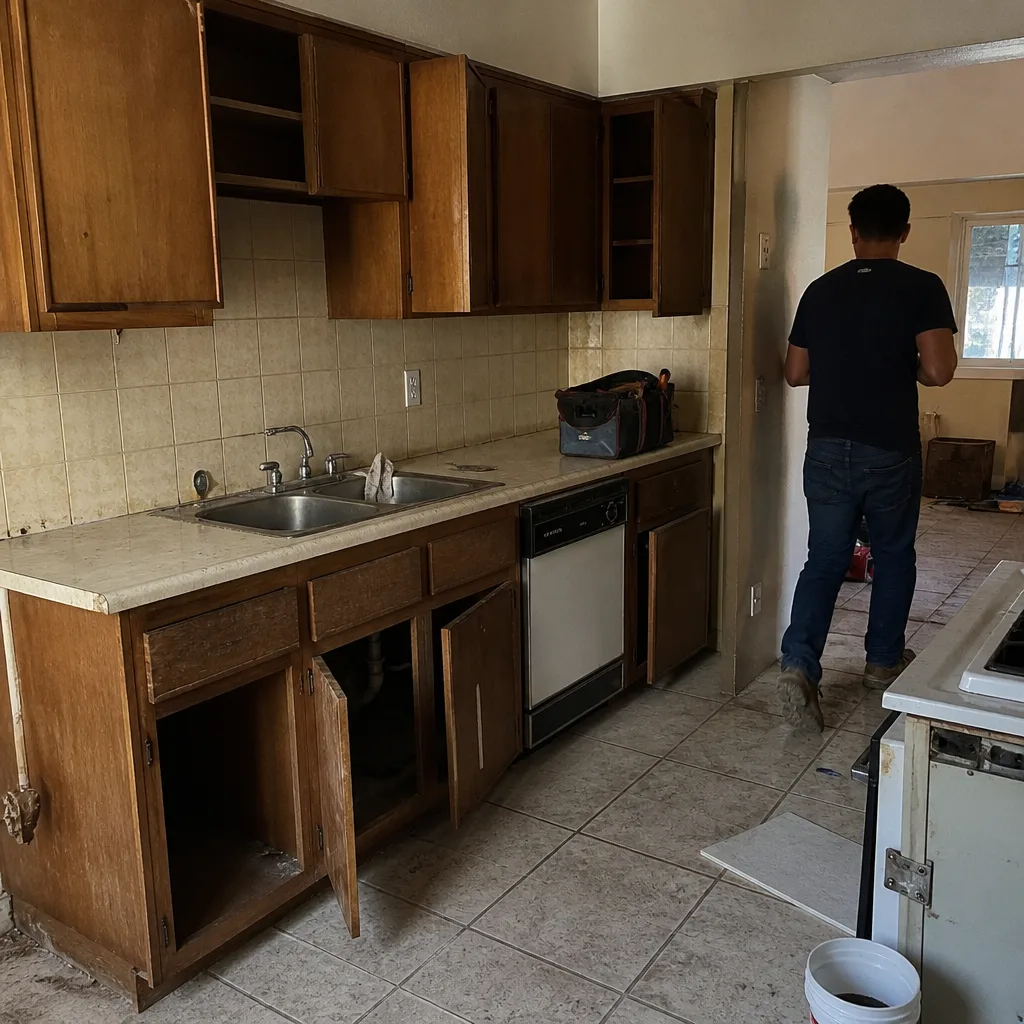 Before
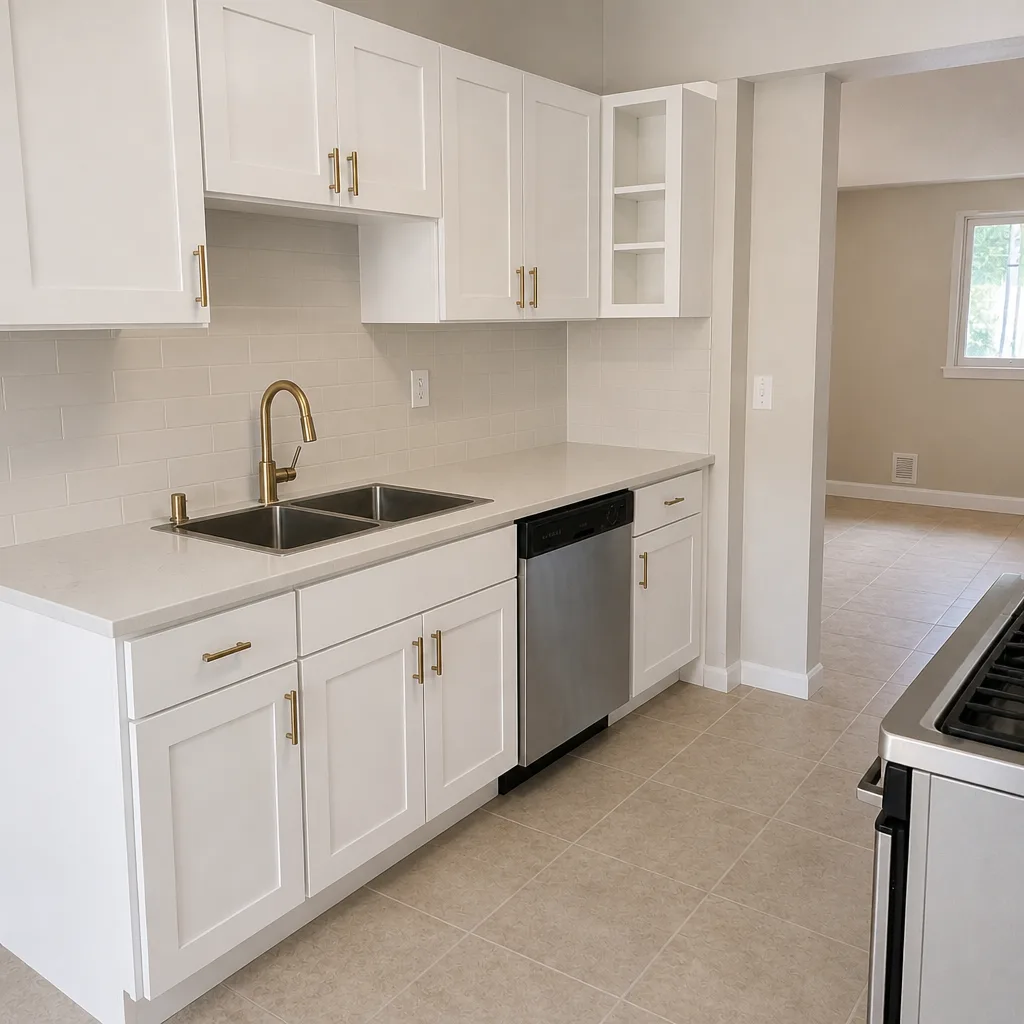 After
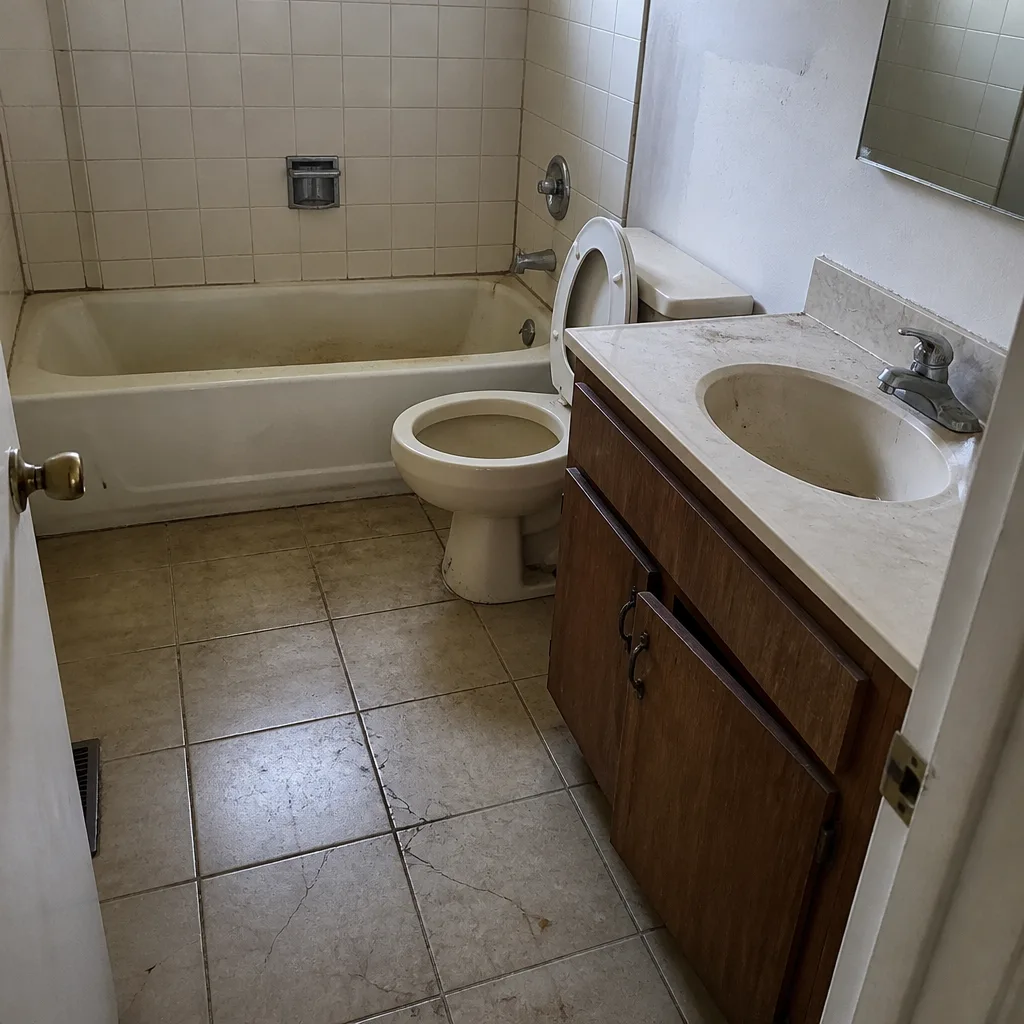 Before
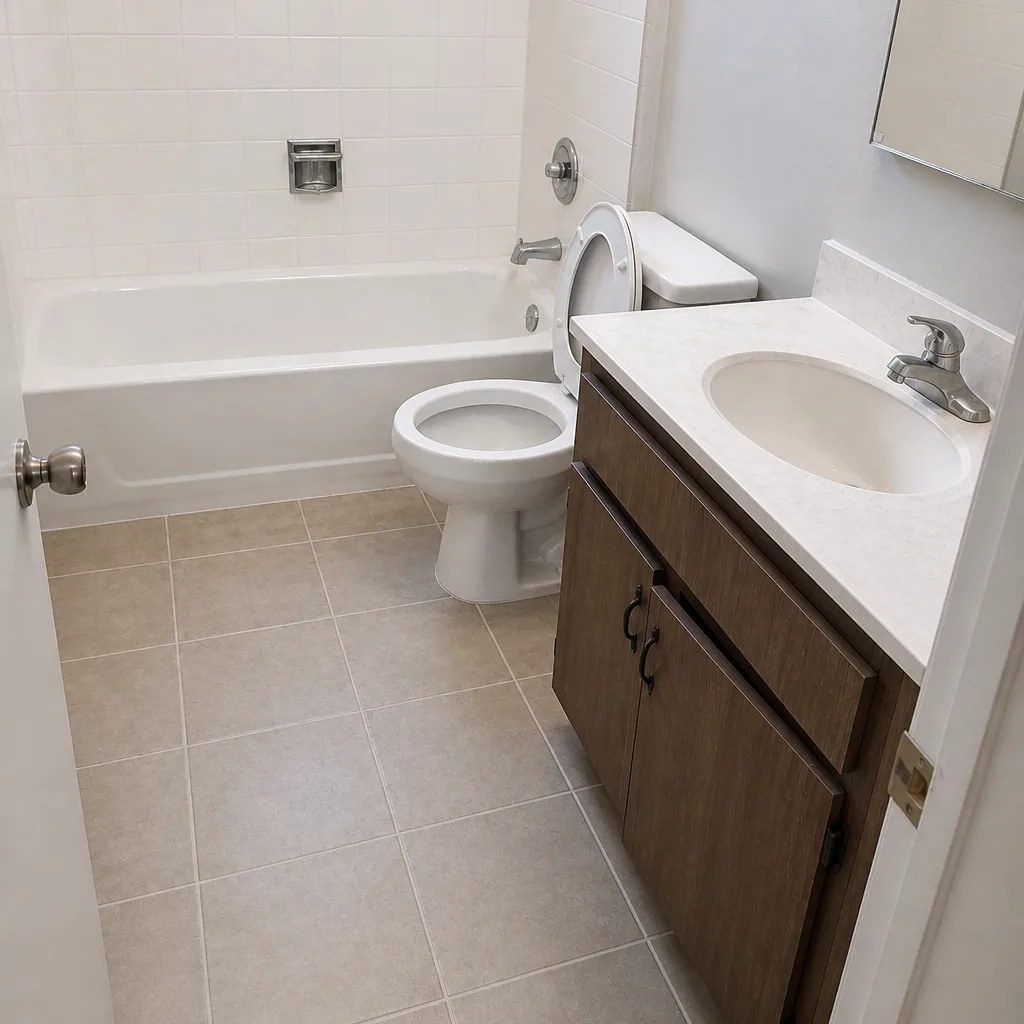 After
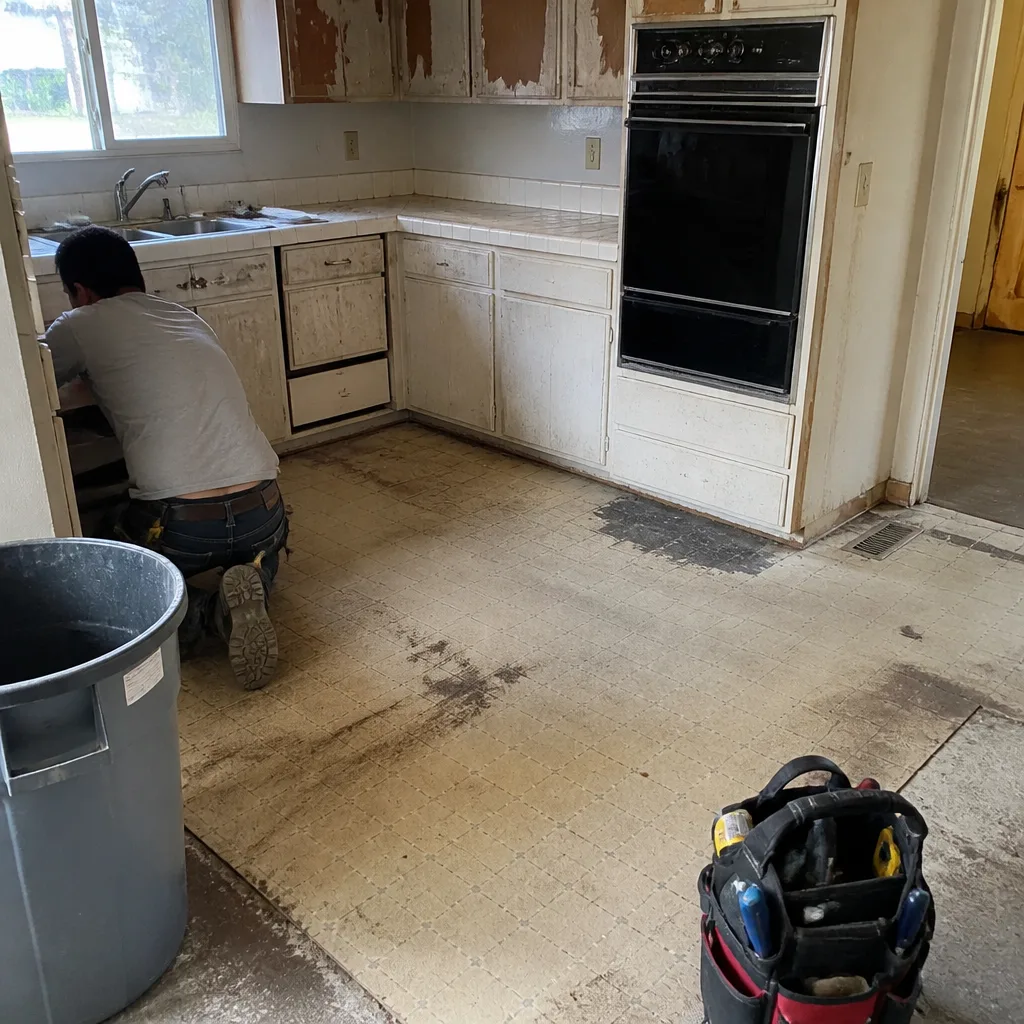 Before
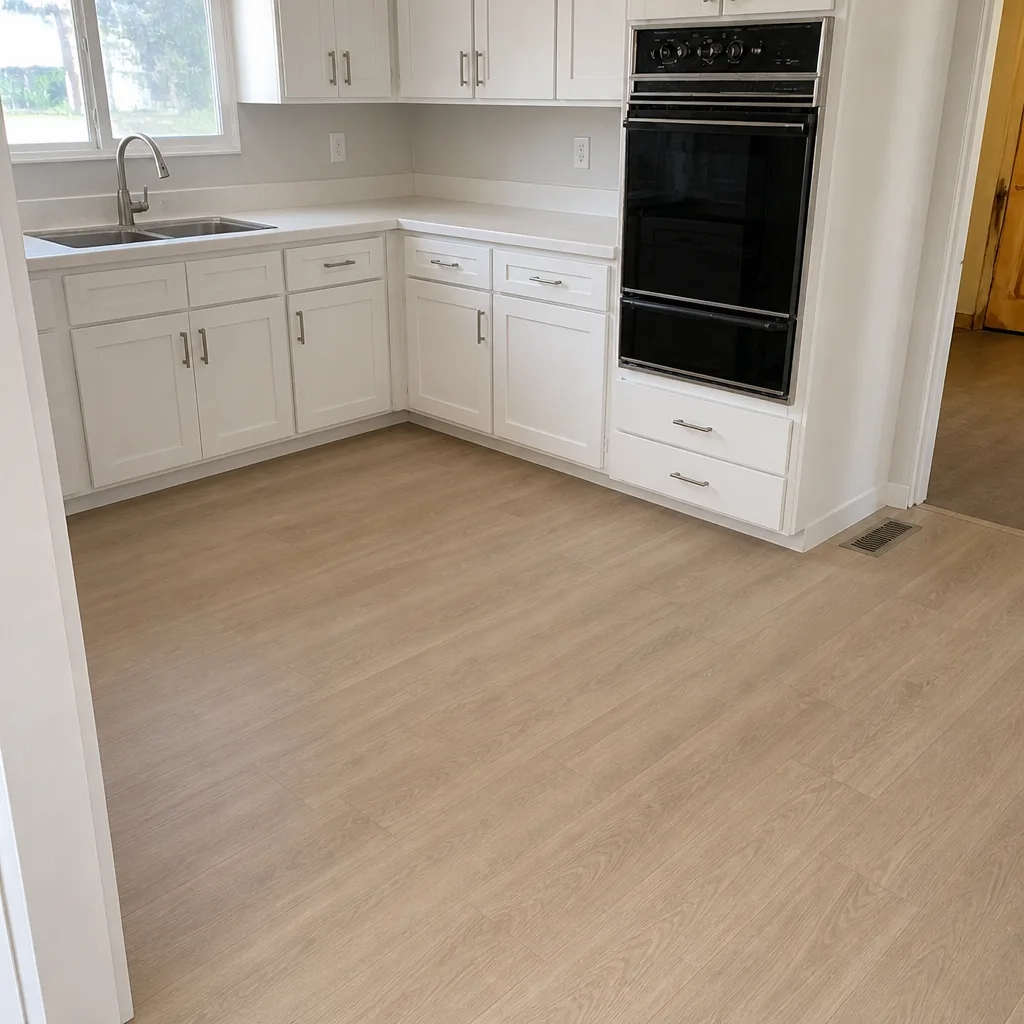 After
When to Call a Professional
Call a professional when the warning signs overlap. One sticky door in February is a seasonal thing. Three or four positive signs at once – soft frames, bubbling paint near a casing, drafty joints, and diagonal cracking at more than one door corner – means something structural is happening and it’s worth a look. Call when you find rot that your thumbnail sinks into, when you see rust stains below a window flashing, or when a window won’t close and latch properly. Those are signs that water or movement has already done damage inside the wall or the foundation, and the sooner it’s caught, the smaller the repair. Barrett & Sons Construction Fremont offers free estimates in Fremont – call (833) 620-6162 and we’ll walk the house with you.
Frequently Asked Questions

A door that sticks in one season and frees up in another is normal wood movement. A door that sticks and stays stuck, or a door that’s accompanied by diagonal cracks at the frame corners, points to foundation or frame movement and should be checked. In Fremont’s clay soil, multiple sticky doors across the house are the classic pattern.
No – it’s often condensation, especially on older single-pane windows in kitchens and bathrooms. To tell the difference, feel the casing on a cold morning. Dry casing with bubbling paint means condensation. Moisture or bubbling that returns within a season of repainting means water is intruding from outside. Call (833) 620-6162 if you’re unsure, and our crew can do a free second opinion.
Often yes, especially when the replacement changes the opening size, the structural envelope, or the exterior appearance. The permit is there to protect you, and the inspection confirms the work was done correctly. We pull every eligible permit and get the inspection signed.
They mean water is already getting behind the flashing and staying there. Where there’s a stain, there’s moisture, and where there’s moisture behind a flashing there’s usually rot in the wall cavity. Get it looked at before the next rainy season.
If the draft is at the frame joint or the door sweep, yes – weatherstripping and a new sweep are cheap, quick fixes. If the draft is through the glass itself, or if the window is fogged between the panes, the sealed unit has failed and the window needs to be replaced. The draft test tells you which one you’re dealing with.
It depends on whether the rot has reached the wall cavity, how many windows are affected, and whether the frame can be repaired or has to be replaced. The only honest answer is a written, line-item quote after someone has looked. Call (833) 620-6162 for a free estimate – we’ll give you the price in writing, and any change to the scope comes in writing before we start. If you’re also on the lookout for other signs around the house, our Fence Installation in Fremont guide covers the exterior connections that protect the same openings.
The Bottom Line
Windows and doors don’t fail quietly. They give you paint bubbling, soft frames, drafty joints, eroded sills, caulk that splits in a pattern, and diagonal cracks at door corners – and each of those signals points to a specific, fixable problem. The difference between a $200 repair and a five-figure repair is usually whether you acted on the sign in the first season or the third. Walk your house this weekend, write down what you find, and if more than two items show up, call for a second opinion. In Fremont’s clay soil, movement is a fact of life – but a door that sticks all year isn’t the same thing as a door that sticks in February. Knowing which one you’re looking at is the whole game. Keep an eye on your foundation and drainage too; our Home Additions & ADU in Fremont team handles the structural work when the signs are past the point of a repair.
Call Barrett & Sons Construction Fremont at (833) 620-6162 for a free estimate. Every eligible job gets permits pulled and inspections signed, every price change comes in a written change order before work moves, and every completed job is backed by the written 90-Day Done Right Promise.
Related Reading from Barrett & Sons
- Barrett & Sons Construction Fremont home
- Driveway & Pavers in Fremont
- Fence Installation in Fremont
- Home Additions & ADU in Fremont
Written by the team at Barrett & Sons Construction Fremont.