Last updated November 17, 2026


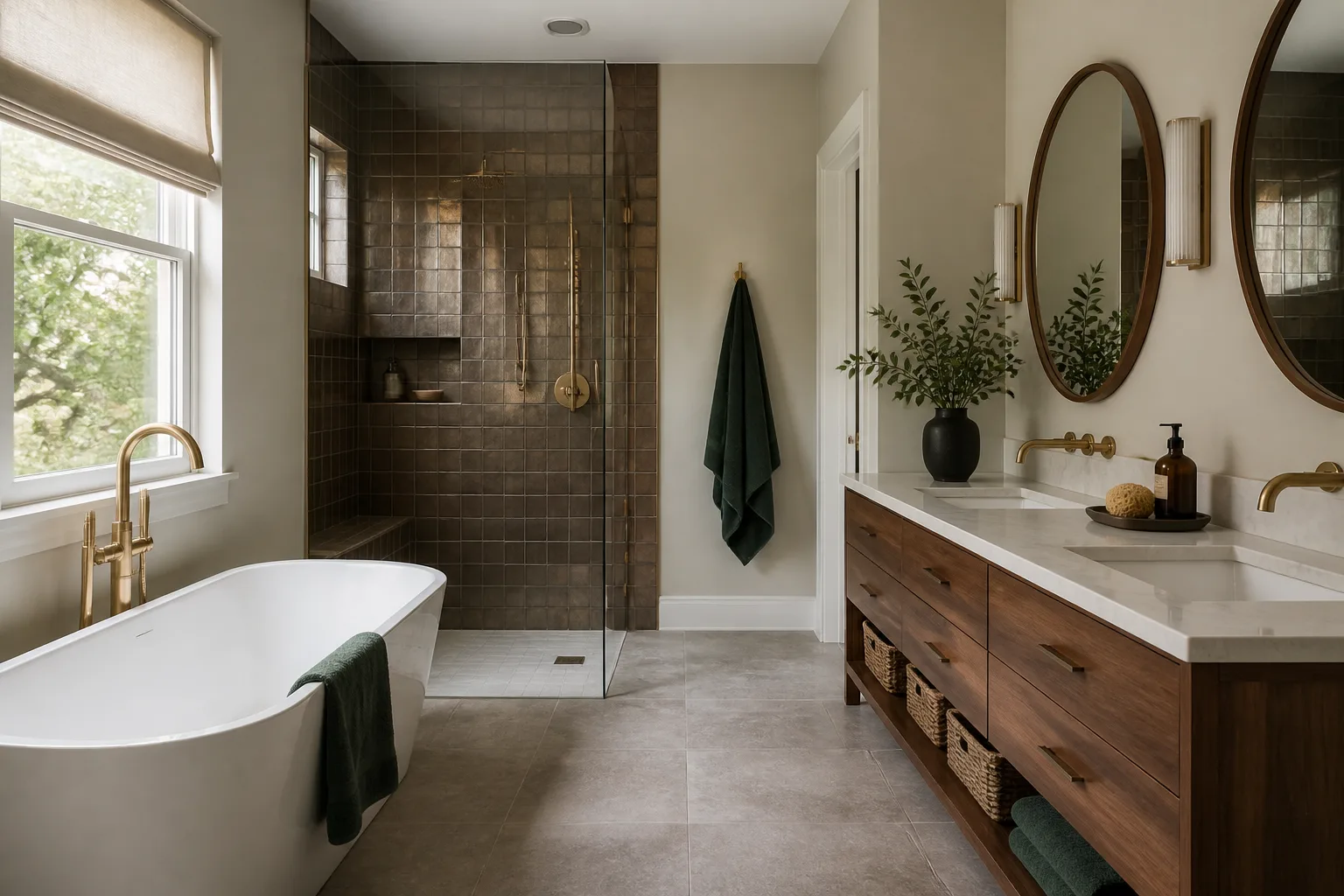
Free written scope consultation - allowances, timeline, and change-order rules on paper before a single trade is scheduled
Choosing the Right Construction Brand: A Buyer’s Guide for Fremont
A contractor can tell you the truth – “we’re installing a name-brand roof” – and still be putting the manufacturer’s bottom-tier product line over your head. Every major building brand sells three tiers under the same logo: entry-level, mid-grade, and premium. The brand name on the contract tells you almost nothing. The spec sheet tells you everything. This guide is about reading that spec sheet: how to spot which tier of a brand you’re actually buying, which ratings matter in Fremont’s climate, and how to get the real product specification – not just a logo – written into your contract before you sign.
Quick Answer
When choosing construction material brands in Fremont, match the product tier to your actual exposure, not to the logo on the truck. Premium tiers are worth paying for on roofing underlayment, windows in coastal-exposure homes, and exterior paint; mid-grade performs fine on most interior trim and interior doors. The single most valuable step is to get the manufacturer and specific product line written into your contract – a contractor who won’t put the spec in writing is telling you they’re installing the cheap tier.
Styles & brands we work with
- Kitchen remodeling
- Bathroom remodeling
- Home additions & ADU
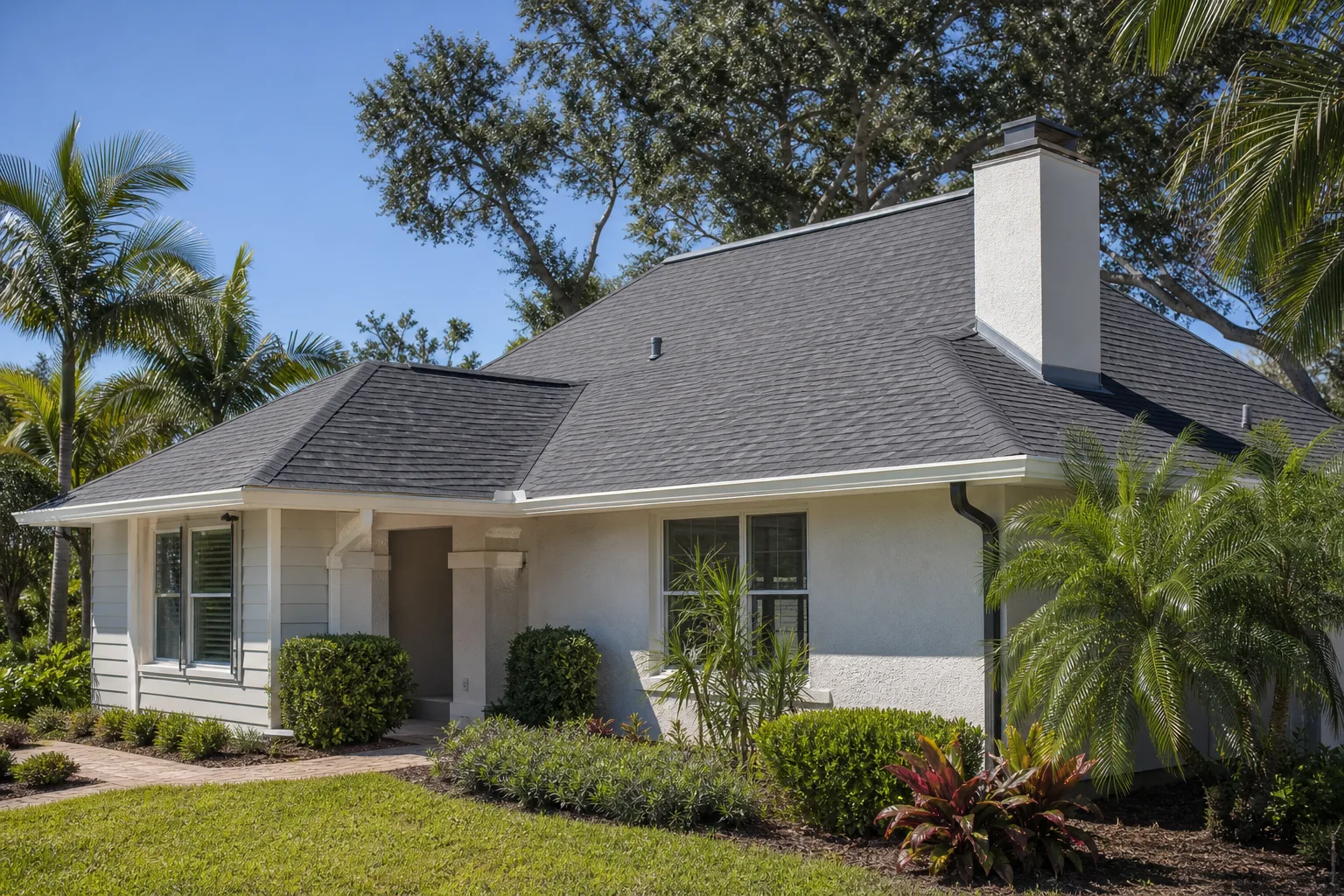
- Roofing
- Windows & doors
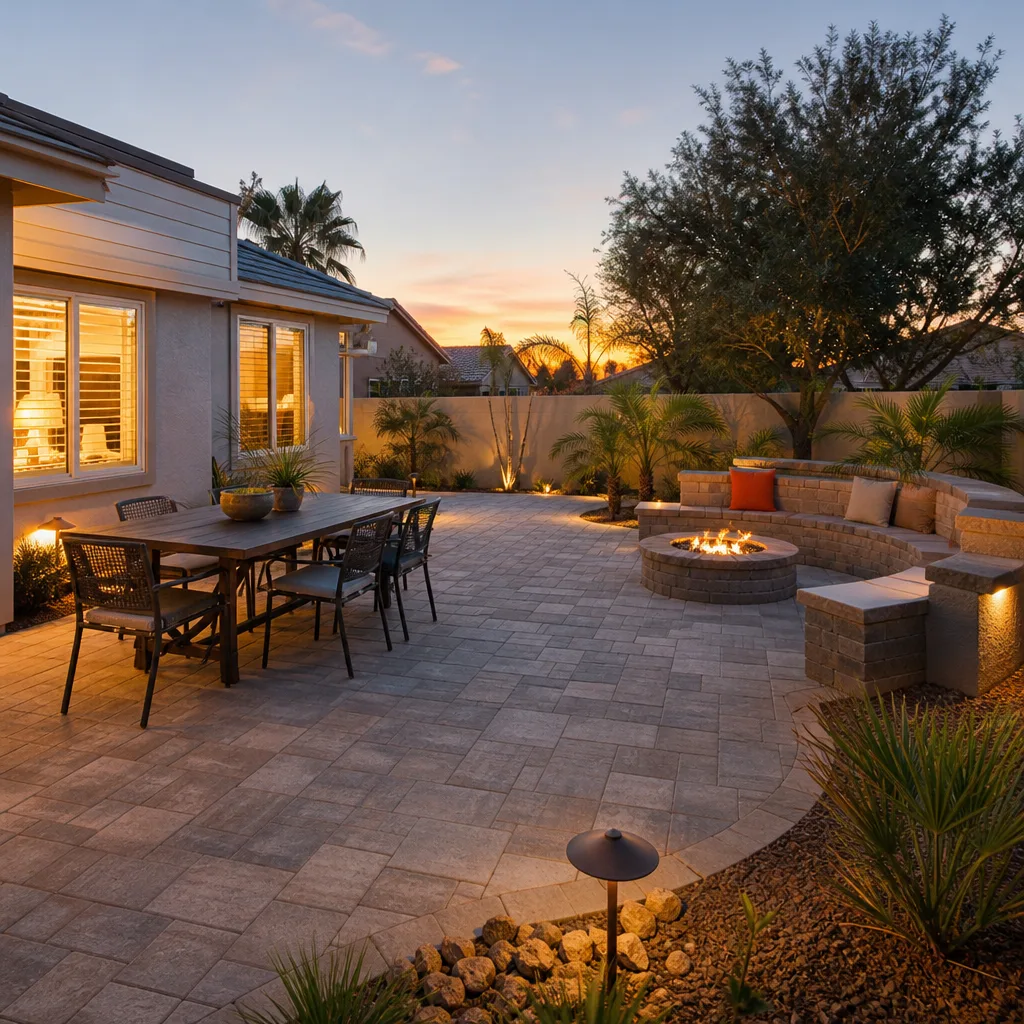
- Driveway & pavers
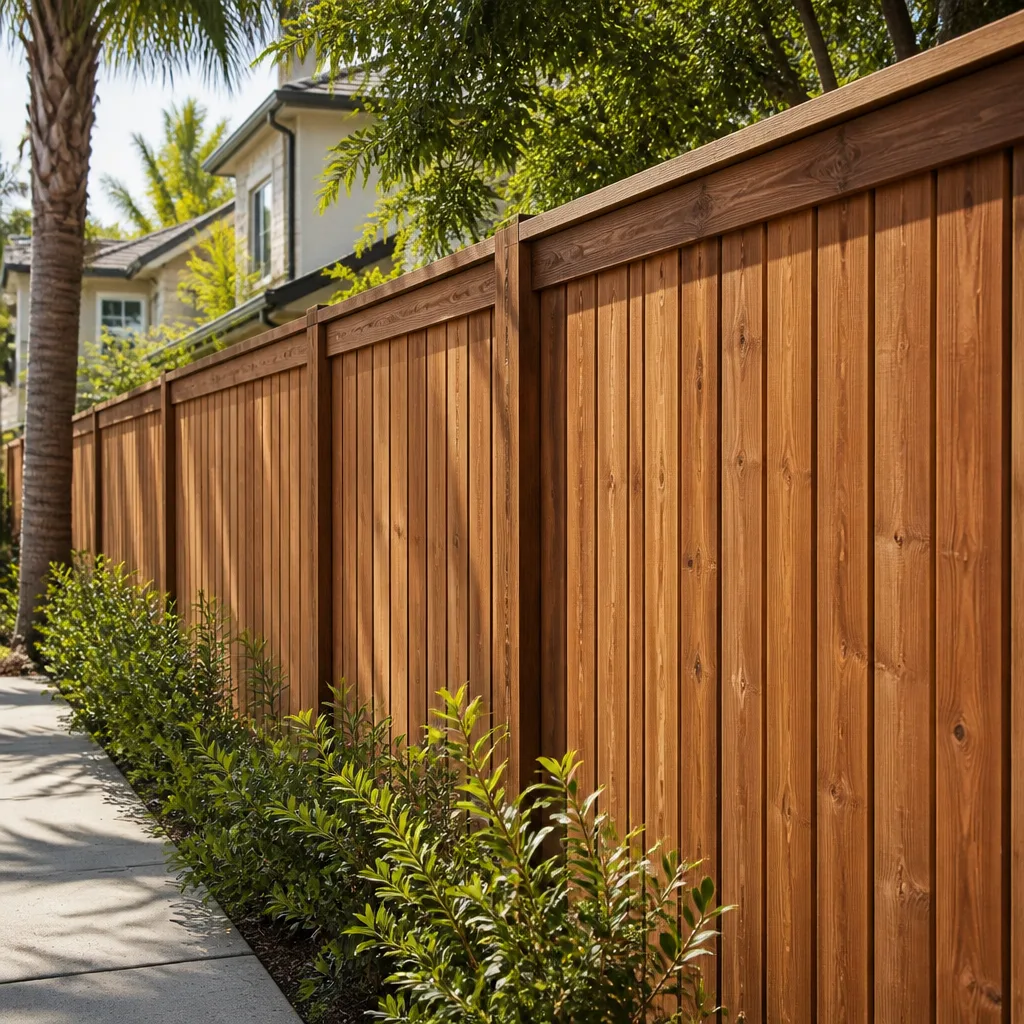
- Fence
Table of Contents
- Why every brand has three tiers (and which one you’re getting)
- How to read a material spec sheet and find the tier
- Why the same brand performs differently in Fremont’s climate
- The warranty gap between builder-grade and premium lines
- Where premium is worth it in Fremont (and where it isn’t)
- How to get the real specification in writing
- Common mistakes to avoid
- Frequently asked questions
Why Every Brand Has Three Tiers (And Which One You’re Getting)
Major building manufacturers run the same marketing machine across three product lines: a builder-grade tier sold mostly to high-volume production builders, a mid-grade tier for remodeling and replacement work, and a premium tier with the longest warranties and the tightest tolerances. All three carry the same brand name on the package. The difference lives in the model number, the series name, and the warranty length.
Here’s the part homeowners rarely hear. A roofing company can quote a GAF or CertainTeed roof, come in lower than three competitors, and still be installing the entry-tier line. The brand is real. The product is real. It’s just the bottom of what that brand makes. GAF’s own lineup runs from an entry line up through premium architectural shingles, and CertainTeed layers a similar ladder. Same for windows: a national name means little until you know which series you’re buying.
The practical rule for a Fremont homeowner is simple: never accept a brand name as the answer to “what are you installing?” Accept a brand and a product line. If a contractor can name the brand but not the series, that’s a signal – and usually not a good one.
- Entry/builder-grade: lowest cost, shortest warranty, thinnest materials. Fine for rental turnover, weak for a home you plan to keep.
- Mid-grade: the practical workhorse for most replacement jobs. Solid lifespan, reasonable warranty, better real-world performance in the Bay Area climate.
- Premium: top-tier materials, longest warranties, tightest installation tolerances. Worth paying for where exposure is highest.
How to Read a Material Spec Sheet and Find the Tier
You don’t need to become a materials engineer to spot the tier. You need to know where to look. Here’s the process we walk Fremont homeowners through before a contract is signed.
- Ask for the spec sheet by product line, not just brand. “A GAF roof” isn’t a spec. “GAF Timberline HDZ in a specified color” is.
- Find the series or model name at the top of the sheet. Roofing shingles name a series; windows name a series and a model code; exterior doors name a collection. That word is your tier marker.
- Check the warranty length on the spec sheet. Entry lines typically carry shorter warranties; premium lines carry longer ones. Warranty length is often the fastest tell.
- Look at the thinnest measurable number. On roofing, that’s shingle weight or thickness. On windows, that’s glass thickness, frame material, and the U-value and SHGC ratings.
- Compare that number to the manufacturer’s own product ladder on its website. Every major brand publishes a comparison chart. If your spec lands on the bottom row, you know exactly what you’re buying.
We’ve seen Fremont homeowners pay premium money for entry-tier product simply because nobody checked. Do the check. It takes fifteen minutes. If you want to see how we assemble a project from the ground up – with every scope and allowance in writing – start with Barrett & Sons Construction Fremont home.
Why the Same Brand Performs Differently in Fremont’s Climate
Manufacturer marketing is written for a national audience. Fremont weather is not national average. East of the hills, in the warm inland pockets toward Niles and the canyons, summer sun is intense. Toward the bay side of town, closer to the water influence, you get salt-laden air and cooler, wetter mornings. Across the whole city you get thermal cycling – warm days, cool nights – that expands and contracts material joints thousands of times across a roof’s life.
That combination, sun and salt and cycling, is what makes the tier matter so much here. A builder-grade shingle that performs fine in a mild, dry climate ages faster under Fremont’s UV load. Entry-tier window glass and seals degrade faster under the salt-and-sun combination. And exterior trim takes the worst of it: constant expansion and contraction that finds every weak paint film and shortens the life of every low-grade caulk line.
The ratings that matter for Fremont:
- For roofing: shingle weight and thickness, the underlayment spec (the layer that actually stops leaks), and the manufacturer’s wind rating for the shingle system.
- For windows: U-value (heat loss), SHGC (heat gain from sun), and the frame and seal design. In higher sun and salt-exposure homes, the premium window line’s better seals pay back over time.
- For exterior paint and trim: UV resistance and elasticity. Premium exterior paint stays flexible through thermal cycling that cracks cheaper films.
- For exterior doors: finish warranty, because the door face is where sun and salt hit hardest.
These aren’t marketing numbers. They’re the values that decide how a roof, window, or door actually behaves over its life in Fremont. If you’re weighing a fence or hardscape project too, our guide to Fence Installation in Fremont covers which premium brands (Belgard and Techo-Bloc among them) make sense where the sun is harshest.
The Warranty Gap Between Builder-Grade and Premium Lines
Within the same brand family, the warranty difference between the entry line and the premium line can be significant. Premium lines typically carry longer coverage on materials and tighter written standards for what counts as a covered failure. Entry lines often carry shorter, thinner coverage. That gap is real, and it matters most in exactly the climate conditions Fremont homes face.
Here’s the part the brand won’t tell you: warranties are routinely voided by installation shortcuts that are invisible once the job is closed up. The manufacturer’s warranty covers their product, not the way your contractor installed it. Miss the manufacturer’s required underlayment spec, skip the specified nailing pattern, install windows out of the required flashing sequence, and the warranty can be voided – and you’ll never see it until you need to make a claim years later.
That’s why installation accountability is the real warranty value. A premium product installed wrong is worse than a mid-grade installed right. In our experience, the underlayment spec is the single most commonly compromised layer on a roofing job – and it’s the layer you can’t see after the shingles go on. If you’re planning a larger project, the permit and inspection process behind Home Additions & ADU in Fremont keeps the installed work visible to an independent inspector – which is exactly where short cuts get caught.
This is why our written scope is itemized line by line, and why every eligible job gets its permits pulled and its inspections signed. The permit inspector works for you, not for the contractor.
Where Premium Is Worth It in Fremont (And Where It Isn’t)
Not every category needs the top tier. Paying premium on every line is a way to overspend as surely as paying entry-level on everything is a way to under-build. Here’s how we break down the trade-offs for Fremont homes.
Worth paying for the premium tier
- Roofing underlayment. It’s the actual leak barrier, and it’s hidden the moment the shingles go down. Here, this is the single highest-value premium upgrade on the whole job.
- Windows in coastal- and sun-exposed homes. Better seals and better glass hold up longer under salt air and UV load.
- Exterior paint. Flexible, UV-resistant premium paint survives Fremont’s thermal cycling noticeably longer than cheaper films.
- Exterior doors facing the strongest sun. Finish warranty is the tell.
Where mid-grade performs essentially the same
- Interior trim and interior doors. Indoors, there’s no salt, no UV load, no cycling. Mid-grade is fine.
- Most interior finish upgrades where the wear is driven by day-to-day use, not climate.
Brands like PGT, CGI, and CWS each build a product ladder with a real premium rung. The right move isn’t to pick the brand by name; it’s to pick the rung based on where the product will sit and how it will be exposed. That’s the whole game.
How to Get the Real Specification in Writing
The spec only protects you if it’s on paper and signed before work begins. Here’s a step-by-step we recommend to every Fremont homeowner before signing any construction contract.
- Require the manufacturer and product line by name. “A name-brand roof” isn’t enough. Get the series, the color, and the underlayment spec written in.
- Require the warranty terms to be attached, not summarized. The manufacturer’s own warranty document should be in the packet.
- Require every allowance to be itemized in writing. An allowance that isn’t on paper is a surprise waiting for a date, not a number.
- Require any change in scope to come as a written change order before it happens. No verbal “we’ll handle it later” updates.
- Confirm permits and inspections are in the scope. If a contractor says permits are optional, that’s a final warning sign.
If a contractor resists putting the product specification in writing – or gets vague when you ask for the series name – that resistance is data. It means they either don’t know which tier they’re installing or they don’t want you to. Either one is a reason to walk. Before you sign anything, look up the contractor’s license and standing with the state, and ask for a written second opinion on any estimate you’re comparing.
Common Mistakes to Avoid
- Accepting a brand name as the whole spec. “Andersen” or “GAF” tells you nothing about which tier you’re getting. Ask for the series, every time.
- Assuming premium means the highest price bid. The highest bid isn’t automatically the premium tier. Compare the spec sheet to the price, line by line.
- Ignoring the underlayment on a roofing job. It’s the layer you can’t see, and it’s the layer that stops the leak. It’s also the most common place short cuts hide.
- Taking a phone quote without a written scope. A number on the phone and a number on the final invoice are two different things. Get it in writing up front.
- Skipping permits on an “eligible” job. An unpermitted installation can void a manufacturer’s warranty and surprise you at resale. Confirm the permit is in the scope before work starts.
- Failing to attach the manufacturer’s warranty document. A one-line warranty summary in a contract isn’t the warranty. Get the actual document.
- Paying premium on every line. Mid-grade is the right call for interior trim and interior doors. Spend the premium where Fremont’s climate actually stresses the material.
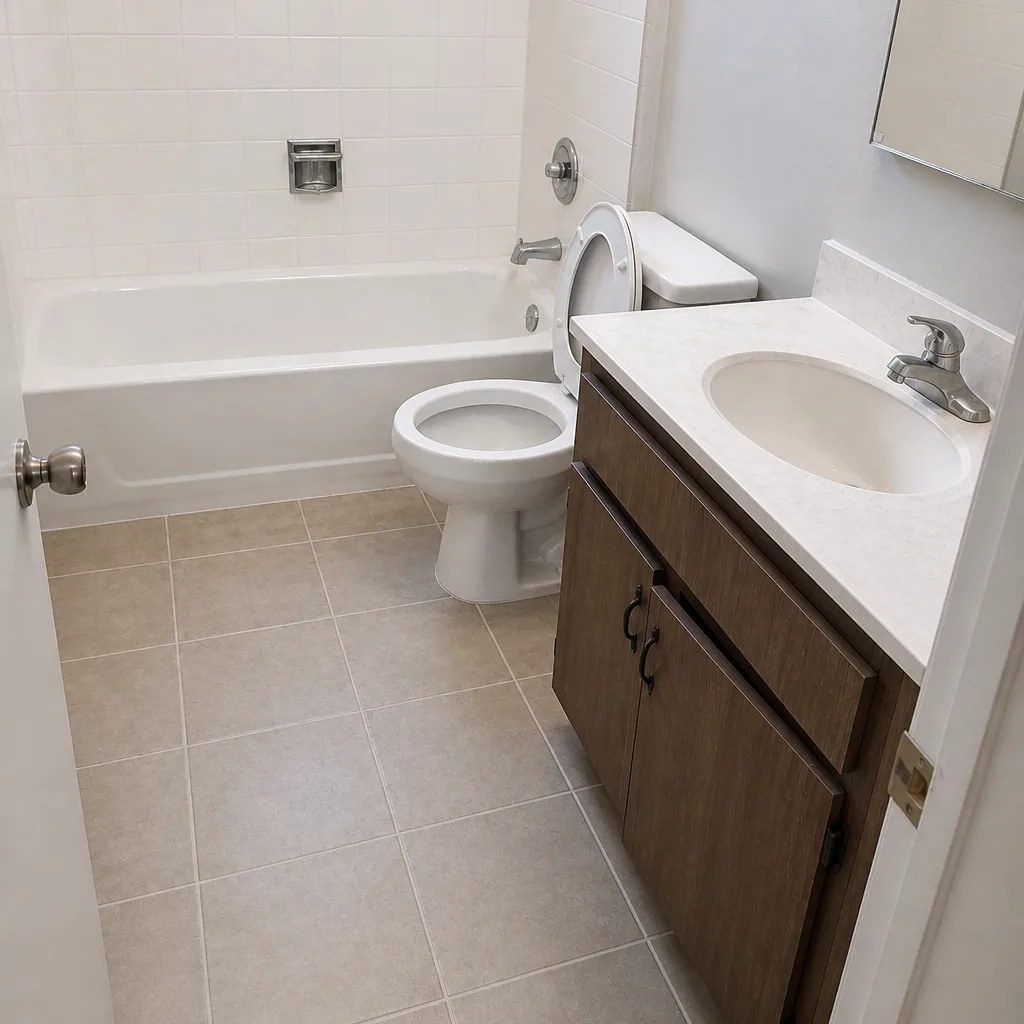
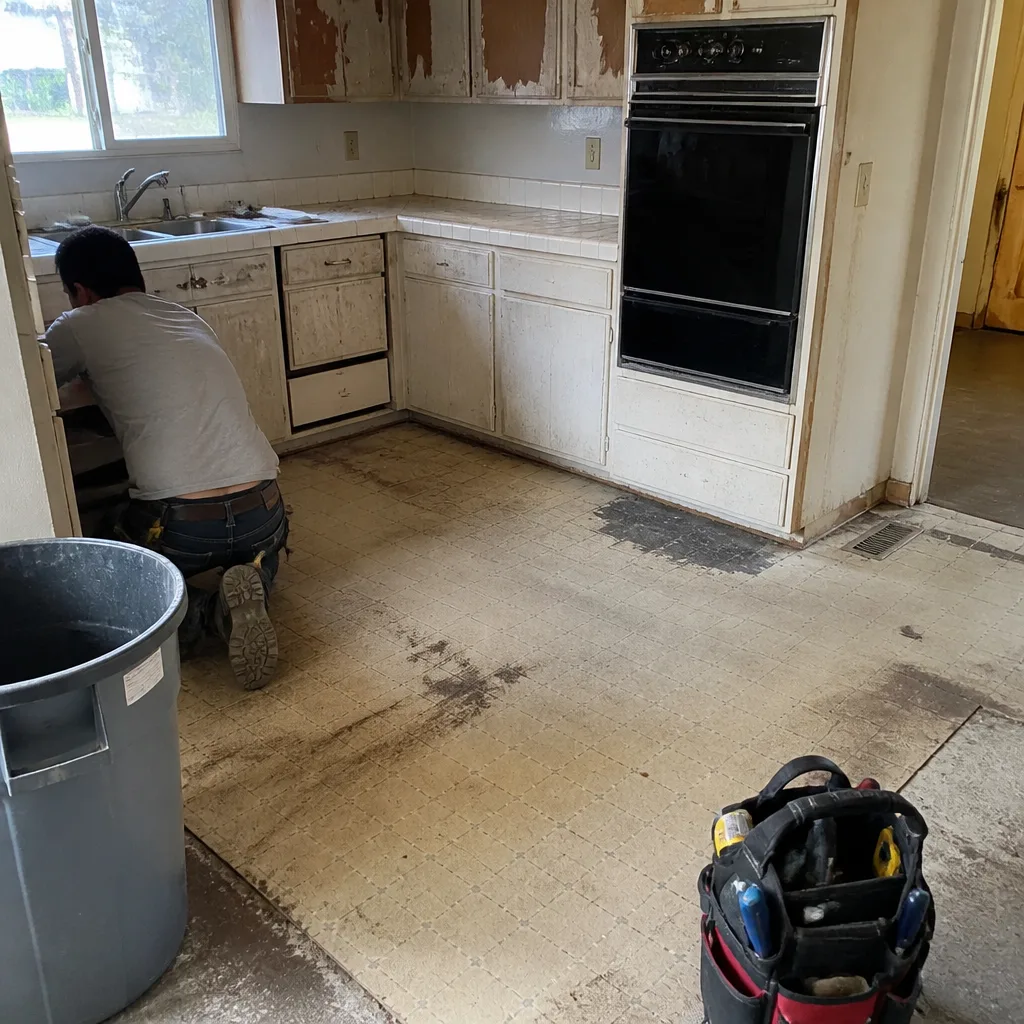
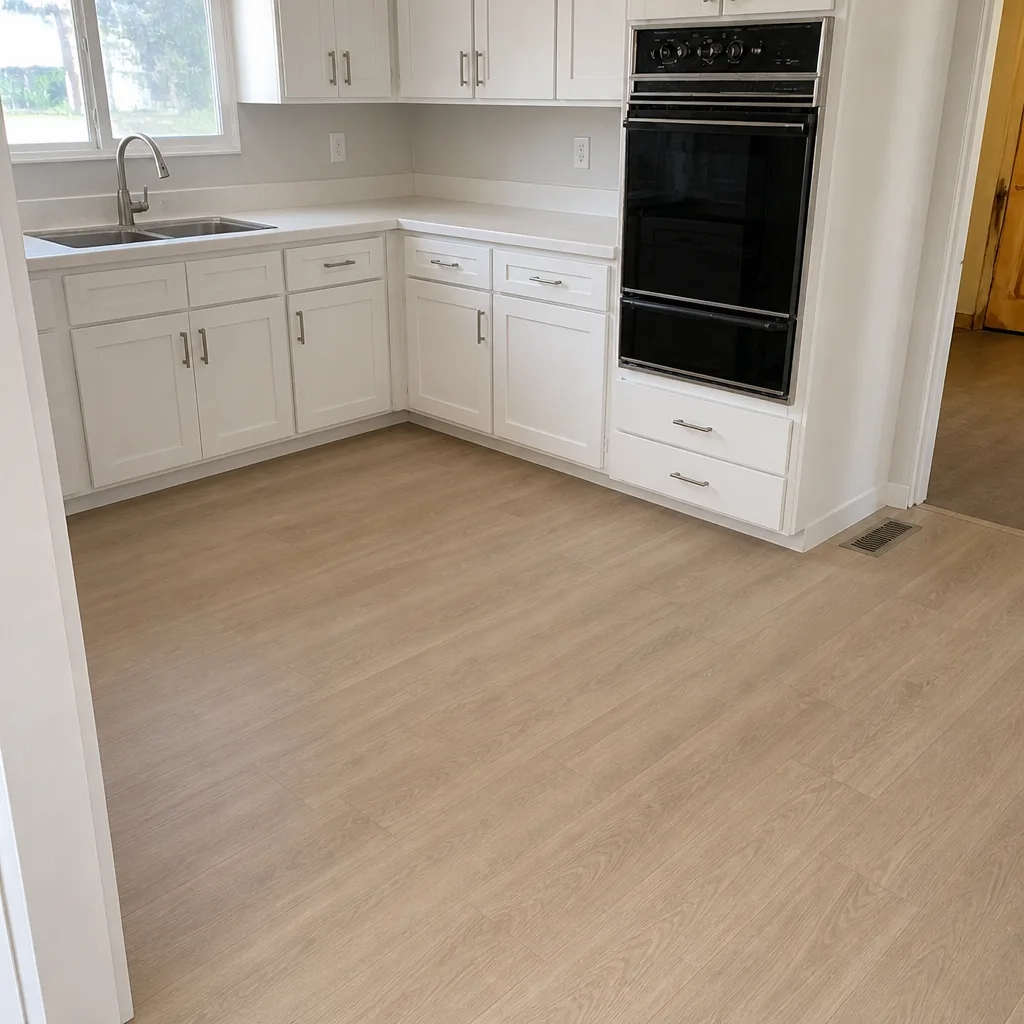
See the difference
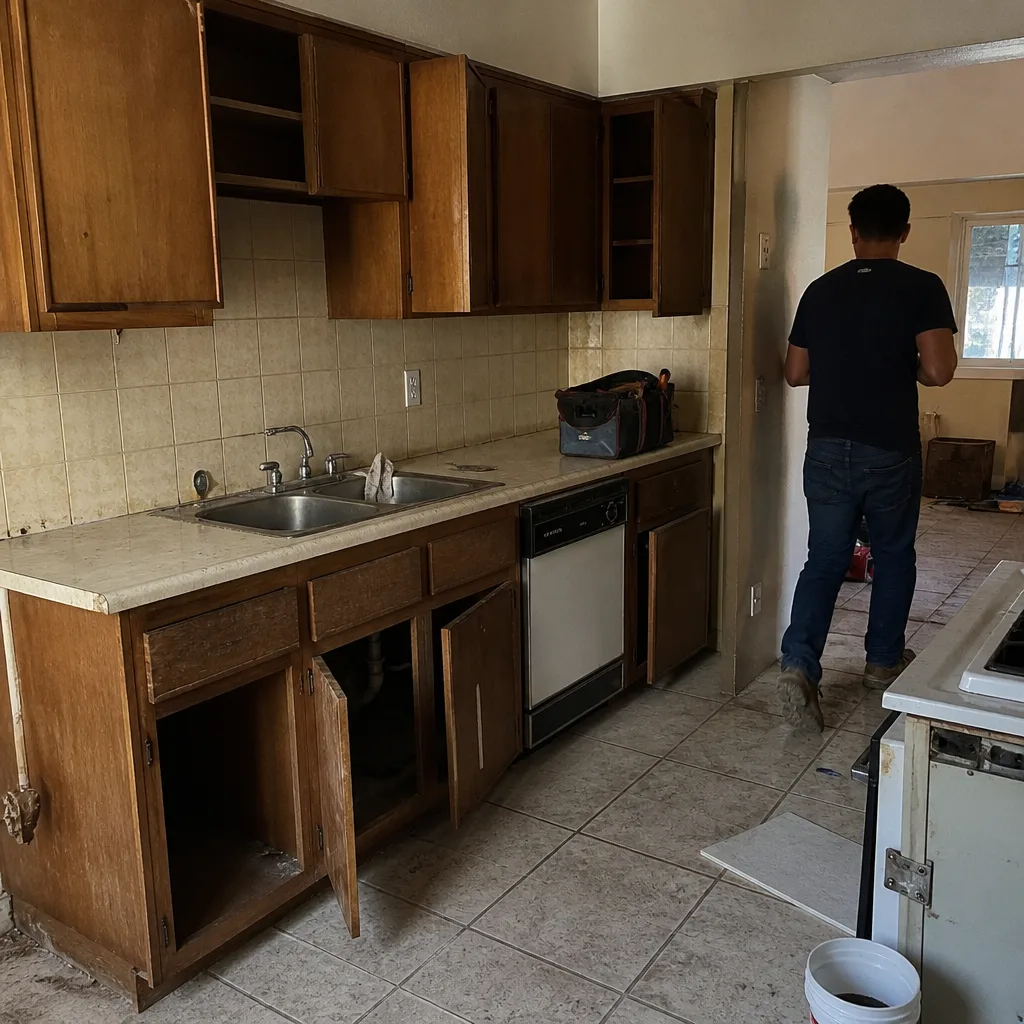 Before
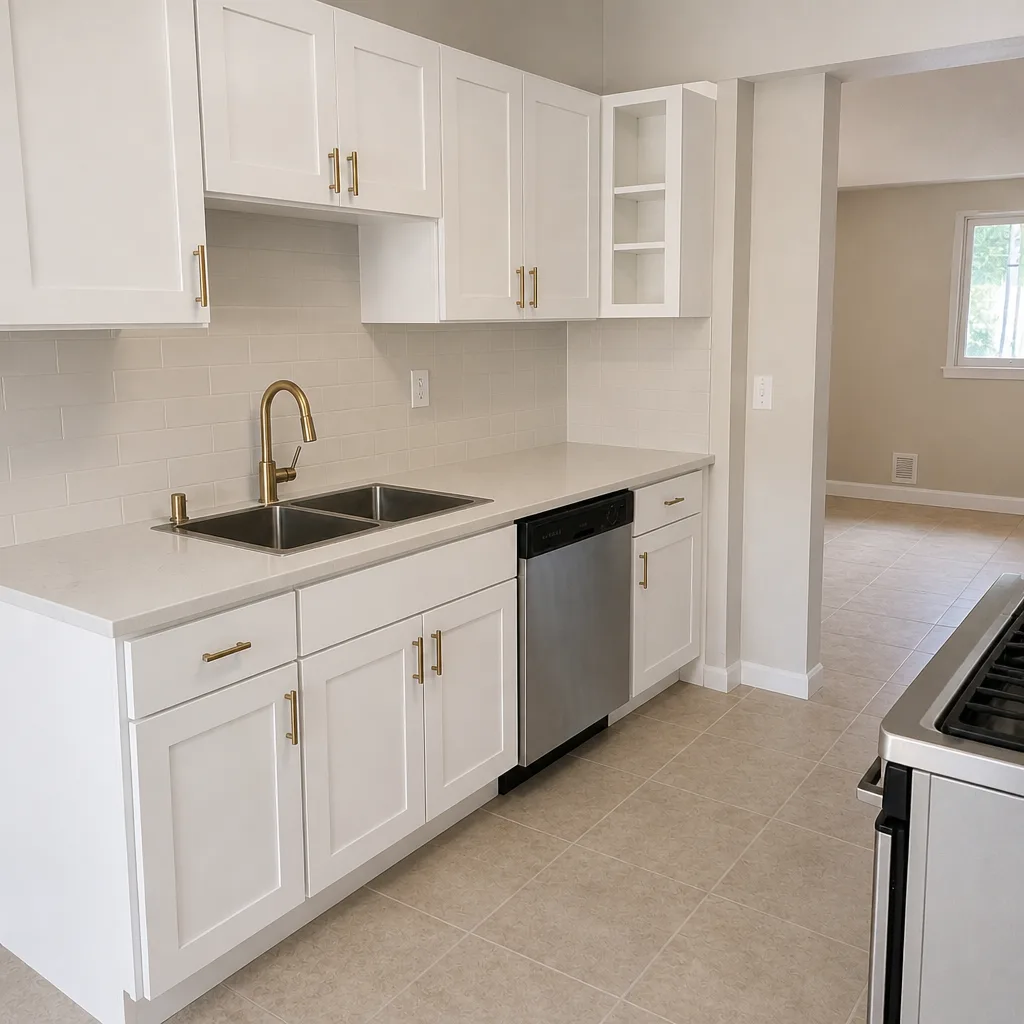 After
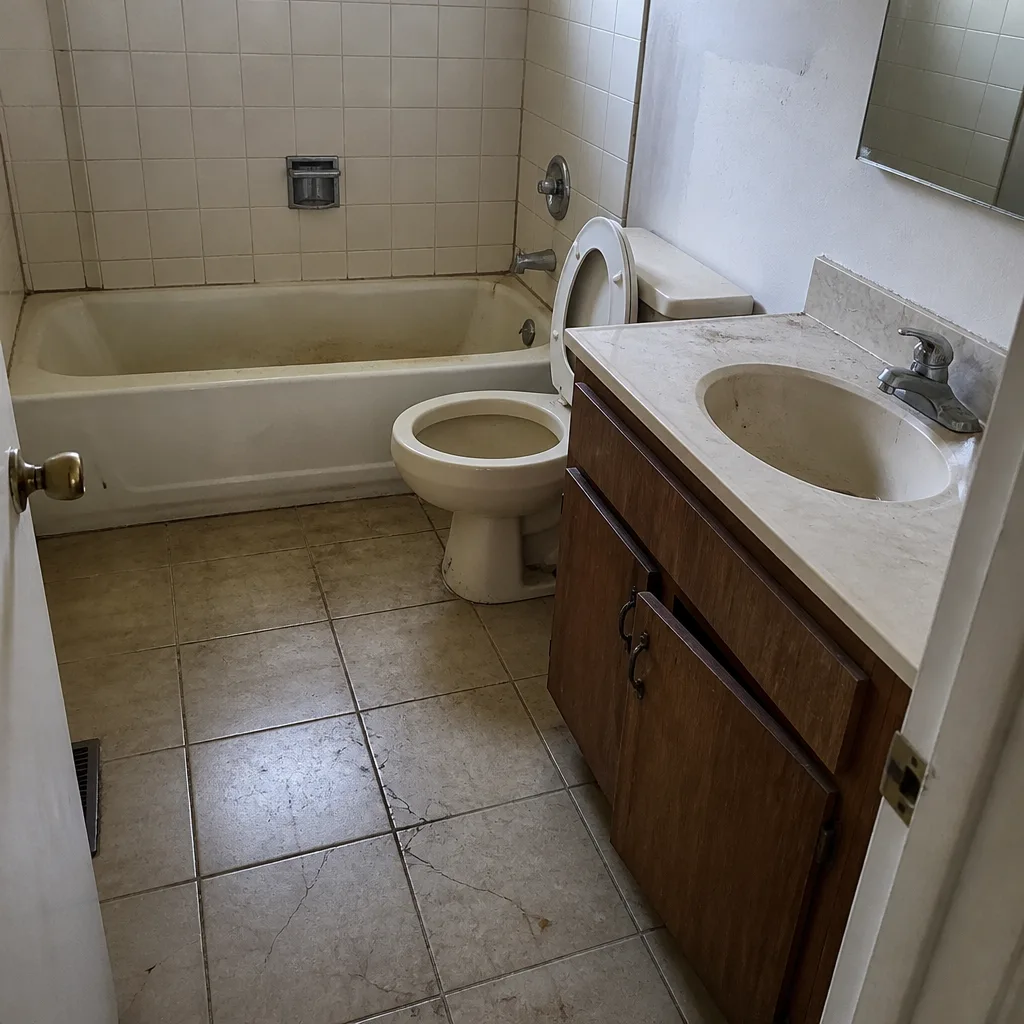 Before
 After
 Before
 After
When to Call a Professional
Some of this work is genuinely risky to get wrong. Roofing means working at height, and a shingle spec that misses the manufacturer’s underlayment requirement can void your warranty for life. Window and exterior-door installation involves flashing sequences and seal details that are easy to get wrong and expensive to fix later. Exterior paint and trim requires proper prep and the right film for the sun and cycling. And any scope that touches structure or requires a permit should never be a solo project. Our crews have up to 28 years of experience and we’ve seen every short cut that gets discovered too late.
If you’re ready to price a project or get a real product specification in writing, Barrett & Sons Construction Fremont offers free estimates in Fremont – call (833) 620-6162.
Frequently Asked Questions
The best brands for Fremont are the ones you can specify to the exact tier – KraftMaid and Cambria in kitchens, GAF and CertainTeed on roofs, Andersen and Marvin on windows, Belgard and Techo-Bloc on hardscapes. The brand name matters less than the product line; pick the premium rung where the Fremont climate stresses the material. Call (833) 620-6162 for a free estimate and we’ll walk you through the spec.
You know by reading the spec sheet, not the logo. Look for the series or model name at the top of the sheet, check the warranty length, and find the thinnest measurable number (shingle weight, glass thickness, paint flexibility). Compare that against the manufacturer’s own published product ladder. If a contractor can’t name the series in writing, that’s your answer – call us for a second opinion.
Almost nothing – a premium product installed wrong performs worse than a mid-grade product installed right, and it can void the manufacturer’s warranty. That’s why our written scope includes the installation spec and every applicable job gets permits pulled and inspections signed. The permit inspector works for you, not for the contractor. Call (833) 620-6162 to see how we write a scope.
No change in scope, no change in price – every change arrives as a written change order before any work happens. That’s the whole point of writing the spec up front. An allowance that isn’t on paper is a surprise waiting for a date, so we itemize every allowance in writing. Call (833) 620-6162 for a written, line-item estimate.
We pull permits and get inspections signed on every eligible job. It’s not a line-item upsell; it’s how the work gets checked by someone who works for you. A contractor who says permits are optional is telling you something important about how they build. Call (833) 620-6162 to confirm permit scope on your project.
Premium is worth it on roofing underlayment, on windows in sun- and salt-exposed homes, and on exterior paint. Fremont’s UV load and thermal cycling punish entry-tier materials in those categories more than anywhere else. Interior trim and interior doors are fine at mid-grade. Call (833) 620-6162 for a free estimate that specifies the exact product line for each.
The Bottom Line
Brand names are a starting point, not a guarantee. Every major building brand sells an entry tier, a mid-grade tier, and a premium tier under the same logo, and the spec sheet – not the logo – tells you which one is going on your Fremont home. Pay the premium where the climate stresses the material: roofing underlayment, windows in exposed homes, exterior paint. Save on interior trim and interior doors. And get the manufacturer, product line, and installation spec written into your contract before work starts. A contractor who resists that request has told you everything you need to know.
Written by the team at Barrett & Sons Construction Fremont.