Last updated November 17, 2026
Free written scope consultation - allowances, timeline, and change-order rules on paper before a single trade is scheduled
The Complete Driveway & Pavers Guide for Fremont Homeowners
Most paver guides start with the surface. In Fremont, the conversation has to start six inches underground. A good share of this city sits on clay-heavy Expansive Group E soils, and those soils can move your driveway like a slow-motion earthquake before you ever notice a crack. You’ll see a driveway that looked perfect for two summers and then alligator-cracks across the whole slab by year five, and the pavers themselves were never the problem. The ground underneath was. This guide covers what the national how-to sites skip: base depth for Fremont’s soil, what a two-day rainstorm does to an uncompacted base, when the city wants a permit, and which paver material survives a west-facing driveway. By the end, you’ll know what to ask before anyone breaks ground on your Fremont property.
Quick Answer
A driveway in Fremont needs a deeper, better-compacted base than the national minimums most guides quote, because the region’s expansive clay soil swells when it’s wet and shrinks when it’s dry. Budget on the understanding that base prep is often 30 to 40 percent of the job’s real value, and ask every contractor for their written base spec and compaction test results before you sign. If a bid prices pavers but doesn’t mention base depth, soil classification, or a permit, that’s your first red flag.
Styles & brands we work with
- Kitchen remodeling
- Bathroom remodeling
- Home additions & ADU
- Roofing
- Windows & doors
- Driveway & pavers
- Fence
Table of Contents
- Why Fremont Soil Changes Everything
- How Deep Should Your Base Be in Fremont?
- What Rainstorms Do to a Weak Base
- Fremont Permit Rules for Driveway Work
- Choosing Paver Material for a West-Facing Driveway
- Questions to Ask Any Contractor Before Work Starts
- Common Mistakes to Avoid
- Frequently Asked Questions
If you’re ready to price the whole project rather than just read about it, our Driveway & Pavers in Fremont page breaks down scopes and what a written estimate from us looks like.
Why Fremont Soil Changes Everything
Here’s the counterintuitive part. Fremont homeowners often spend more money choosing between three paver colors than they spend thinking about the ground beneath those pavers. That’s the wrong priority. Most of the city falls into USDA Hydrologic Soil Group D, with substantial areas of Expansive Group E clays. Those soils have a high shrink-swell potential, which means they gain volume when they take on water and lose it when they dry out. Over a Fremont season, that’s a lot of movement.
A driveway is a rigid or semi-rigid surface sitting on top of that moving ground. If the base wasn’t designed for it, the slab or the paver field takes the stress instead. That shows up first as hairline cracks along the joints, then as settled edges where the apron meets the street, then as a pool of standing water in the middle that you can’t explain.
We’ve watched this play out across town. In the older neighborhoods near Niles and Centerville, the lots tend to be tighter and the drainage is often routed toward the street, which concentrates water under the driveway apron. Out in the Ardenwood and Warm Springs areas, the newer builds frequently sit on fill that was compacted to the builder’s spec, not yours. Neither one is a reason to avoid pavers. Both are a reason to insist the base gets engineered for the actual soil on your lot.
What you should ask for: the soil classification for your address, a base depth that responds to that classification rather than a single number pulled off a national chart, and a written spec before the first shovel goes in. If the answer is “we always do four inches,” that person is quoting a guide, not your property.
How Deep Should Your Base Be in Fremont?
National guides typically quote a compacted base of four inches for a driveway. In Fremont, that number is often too thin for the soil and the traffic. Here’s the spec we use and what you should look for in any bid you’re comparing.
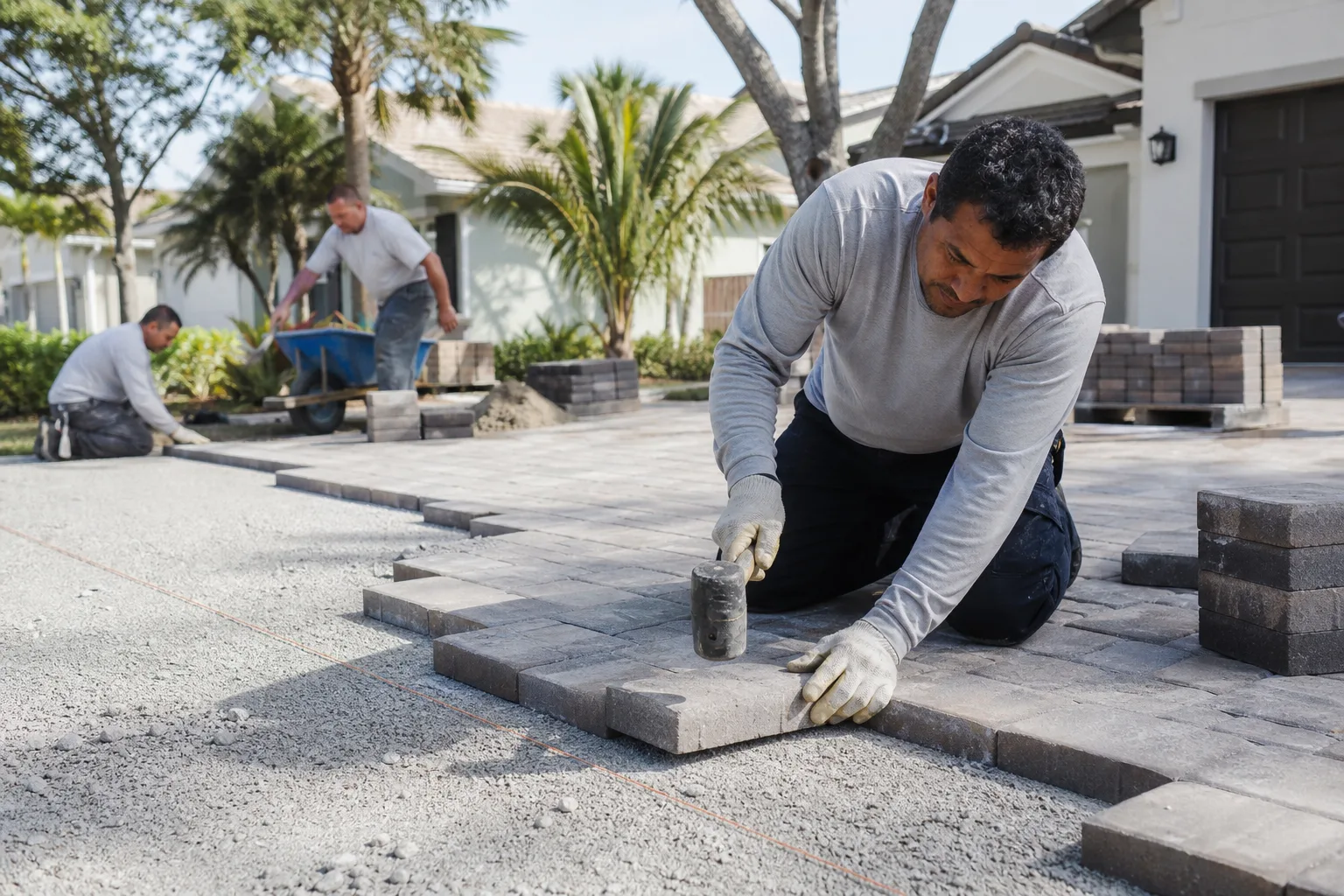
- Stripping and subgrade. Remove organic material and any soft spots until you hit firm native soil. This is the step everyone skips to save a day. Don’t let them.
- Geotextile separation fabric. A woven fabric between the subgrade and the base keeps fine clay particles from migrating up into your aggregate. It’s cheap relative to the rest of the job and it protects the base.
- Base depth by use. For a residential driveway in Fremont’s clay, we’re typically looking at six to eight inches of compacted class-2 aggregate base, sometimes more where the soil is worst and where heavy vehicles park. Four inches is a footpath. It’s not a driveway.
- Compaction in lifts. The base gets laid in two- or three-inch lifts, and each lift is compacted before the next one goes down. One deep lift compacted once is the same as no compaction at all.
- Compaction testing. Ask for a nuclear density test or a proof-roll paragraph in the contract stating the minimum compaction percentage. You want a written number, not a promise.
- Edge restraint and drainage. Pavers need an edge restraint that’s spiked or glued into a concrete curb, and the whole field needs a slope that sheds water toward a drain or the street. Water under a driveway is what kills it.
These steps cost more upfront. They also decide whether your driveway still looks right at year fifteen or needs replacing at year eight. If base prep is quoted as 30 to 40 percent of your total, that’s not a padded bid. That’s a bid for a driveway that lasts.
What Rainstorms Do to a Weak Base
Fremont gets most of its rain in a handful of concentrated winter storms, and a two- or three-day event dumps a year’s worth of water in a week. That pattern is exactly what stresses an uncompacted base. Dry clay shrinks. Water hits. It swells. Then it dries and shrinks again, and every cycle pushes and pulls at the base material sitting above it.
Where the base is loose or under-compacted, that water finds the weak spots. It moves through fines that never bonded. It finds the low corner the stakes missed. It pools under the edge restraint and softens the subgrade. Then the next dry spell leaves a void behind, and your pavers settle into it. You’ll see it first as a small puddle that doesn’t drain, then as a dip that catches the car tire every time you pull in.
The spec to ask for before work starts:
- Compacted base in engineered lifts with a stated minimum density, not just a stated depth.
- A minimum slope across the field, usually around 2 percent, so water runs off rather than through.
- Positive drainage at the apron and edges, tied into an existing drain, swale, or the street, and noted on the plan.
- A written compaction test result for the base before pavers go down. This is the single best proof your base isn’t just a pile of gravel in a hole.
A base that holds up in a dry July isn’t the test. The test is January, when a two-day storm charges through. If the contractor can’t tell you the slope, the compaction density, and where the water is going, they haven’t thought about Fremont weather yet.
Fremont Permit Rules for Driveway Work
Some driveway work in Fremont needs a permit and some doesn’t, and a lot of contractors will tell you permits are optional because that’s the easier conversation. They’re not. Here’s the general territory, though the exact call always comes down to scope and the City of Fremont’s current rules.
- Encroachment permit. If your work touches the public right-of-way, the sidewalk, the curb, or the driveway apron at the street line, you likely need an encroachment permit. Replacing the apron almost always involves this one.
- Grading permit. Significant changes to grade or soil movement on the lot can trigger a grading permit. Reshaping your yard to slope water away from the house is the common trigger.
- Full driveway replacement. A like-for-like swap inside your property line may not require a permit, but changes to the apron, drainage, or grade often will. Ask the city directly, and get the answer in writing.
- Corner lots and shared driveways. These are the ones most likely to touch the right-of-way and most likely to need a permit, because there’s more public edge involved.
Our own rule is simple: every eligible job gets permits pulled and inspections signed. The permit inspector works for you, not for us, and that’s why we like him. It’s an independent set of eyes on the part of the job that’s hardest to see once it’s covered with pavers. If a contractor tries to talk you out of a permit, ask why. The answer usually tells you what they know they’ll fail.
Choosing Paver Material for a West-Facing Driveway
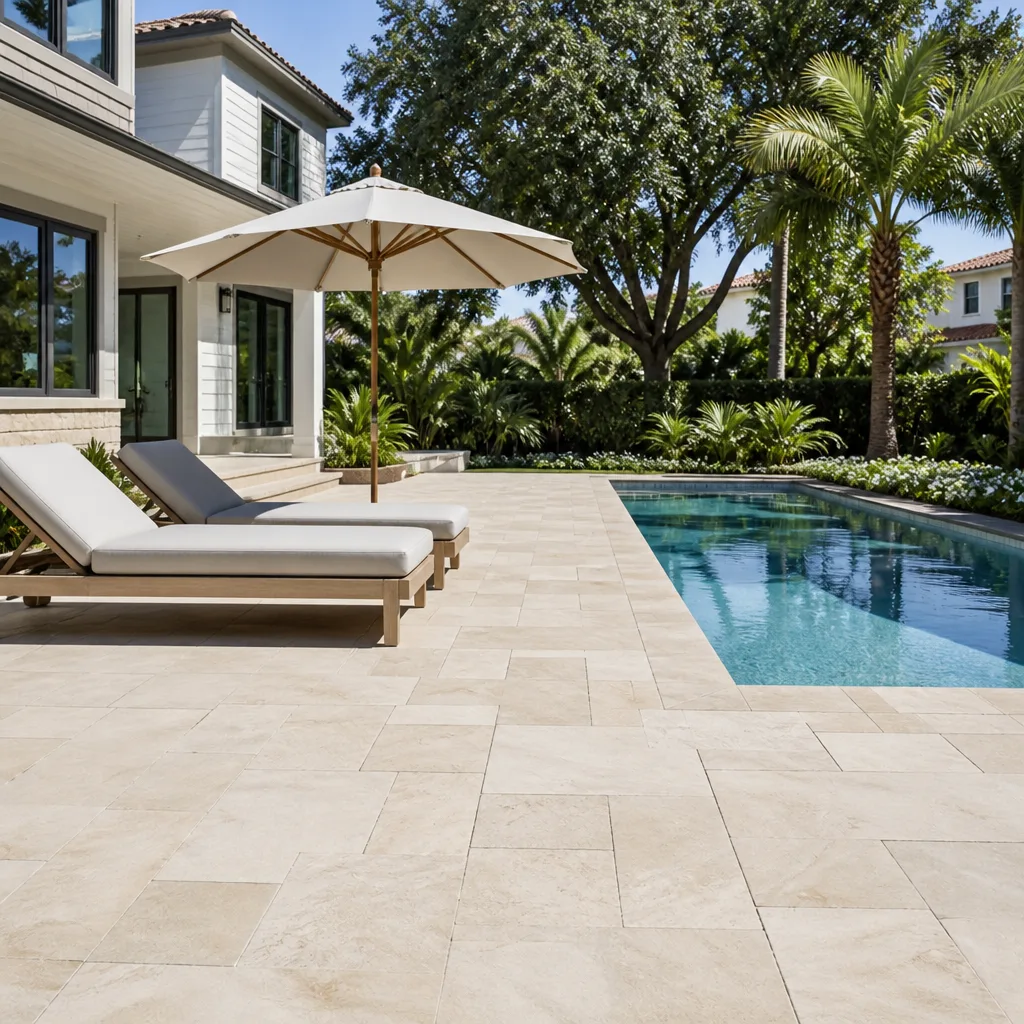
A west-facing driveway in Fremont catches direct afternoon sun coming off the Bay Plain, and it stays hot into the evening. That’s a real factor in material choice. Concrete pavers, clay pavers, and porcelain pavers each handle that heat differently.
| Material | How it handles a west-facing driveway | Tire and stain resistance | Longevity in Fremont |
|---|---|---|---|
| Concrete pavers | Holds color well; lighter tones stay cooler to the touch | Excellent, resists tire marks | 20 to 30 years or more |
| Clay pavers | Very stable in heat; color goes deep and doesn’t wear off | Good, occasional efflorescence in wet cycles | 30 to 50 years, effectively permanent |
| Porcelain pavers | Cooler surface underfoot, but requires the right installer | Excellent, wipes clean | 20 to 30 years with correct base |
Concrete pavers are the value play, and the ones from a name you can look up are worth the small premium over mystery-brand pavers from a truck. Clay pavers cost more but age the best in the heat. Porcelain is the premium option and it’s beautiful, but the installation has to be right because a thin porcelain field set on a weak base will crack where a concrete paver would only shift. We install Belgard and Techo-Bloc hardscape lines because the specs are published, the finishes hold up, and you can verify them yourself before the job. If you’d like to see these lines against your actual driveway, get a written estimate and we’ll walk you through the difference.
Questions to Ask Any Contractor Before Work Starts
These are the questions that separate a contractor who knows Fremont soil from one who’s quoting a national guide. Ask them on the walkthrough and note which answers come back in writing.
- “What’s the soil classification for my address, and what base depth does that call for?” A real answer references your lot and a number. A vague answer is the wrong answer.
- “How do you compact the base, and how do you test it?” You want lifts, density, and a test. “We tamp it by hand” is not the same as compaction testing.
- “How does water leave the driveway?” Slope, drainage, and the apron tie-in. Get it on the plan.
- “Does this job need a Fremont permit, and will you pull it?” The answer should be a clear yes, no, or “I’ll confirm with the city and get back to you in writing.”
- “What does your quote include, and what could change the price?” The scope, the allowances, and the change order process. Every price change should arrive as a written change order before the work happens. An allowance that isn’t on paper is a surprise waiting for a date.
- “What’s your warranty, and what does it cover?” Pavers and base are two different warranty questions. Ask both.
Ask anyone on your street, or look up the license number yourself. Tom Barrett publishes his name, address, and license number so you can. A written answer on a bid beats a verbal promise every time, because the written one survives the handshake.
Pavers are often part of a larger outdoor plan, and if you’re thinking about the whole yard, our Fence Installation in Fremont page covers the fence and gate side of the same project. And if the driveway work is really the first step toward a bigger plan for the property, our Home Additions & ADU in Fremont page is where most homeowners go next.
Common Mistakes to Avoid
- Letting the contractor skip the compaction test. The base is the part you’ll never see again, and a verbal promise that it’s “packed down solid” leaves you no proof what those six inches actually are.
- Quoting pavers before the base is spec’d. A bid built on a paver price and a base depth of “four inches, that’s what we always do” is a bid for a driveway that’ll need replacing before the pavers have aged out.
- Ignoring the apron and edge drainage. In Fremont, water concentrates at the street line and along the edge restraint. If your plan doesn’t route it, that’s the first place the pavement will fail.
- Choosing the palest or darkest color without thinking about heat. A west-facing driveway takes Bay Plain sun all afternoon. Lighter tones run cooler, darker tones soak up the heat. The choice matters more here than on a shaded driveway.
- Skipping the permit to save time. A replacement that touches the right-of-way needs the city’s eyes on it. The homeowner who skipped it usually finds out when they try to sell.
- Taking a verbal scope change mid-job. Any change from the original bid should be a written change order with a price on it before the crew touches it. If it isn’t, the surprise invoice lands at the end.
- Forgetting the subgrade soft spots. A soft patch in the existing soil will swallow your new base. Whoever’s digging needs to probe for it and fix it before any aggregate goes down.
See the difference
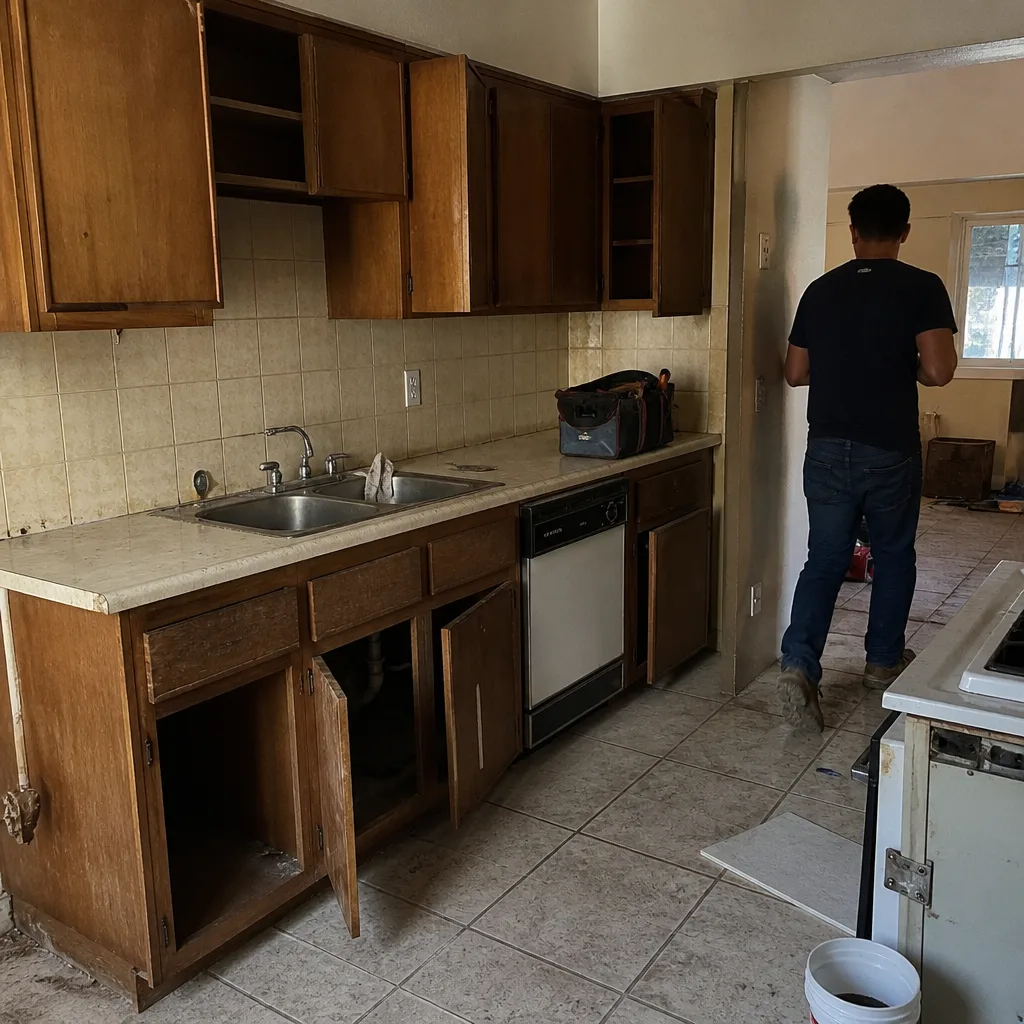 Before
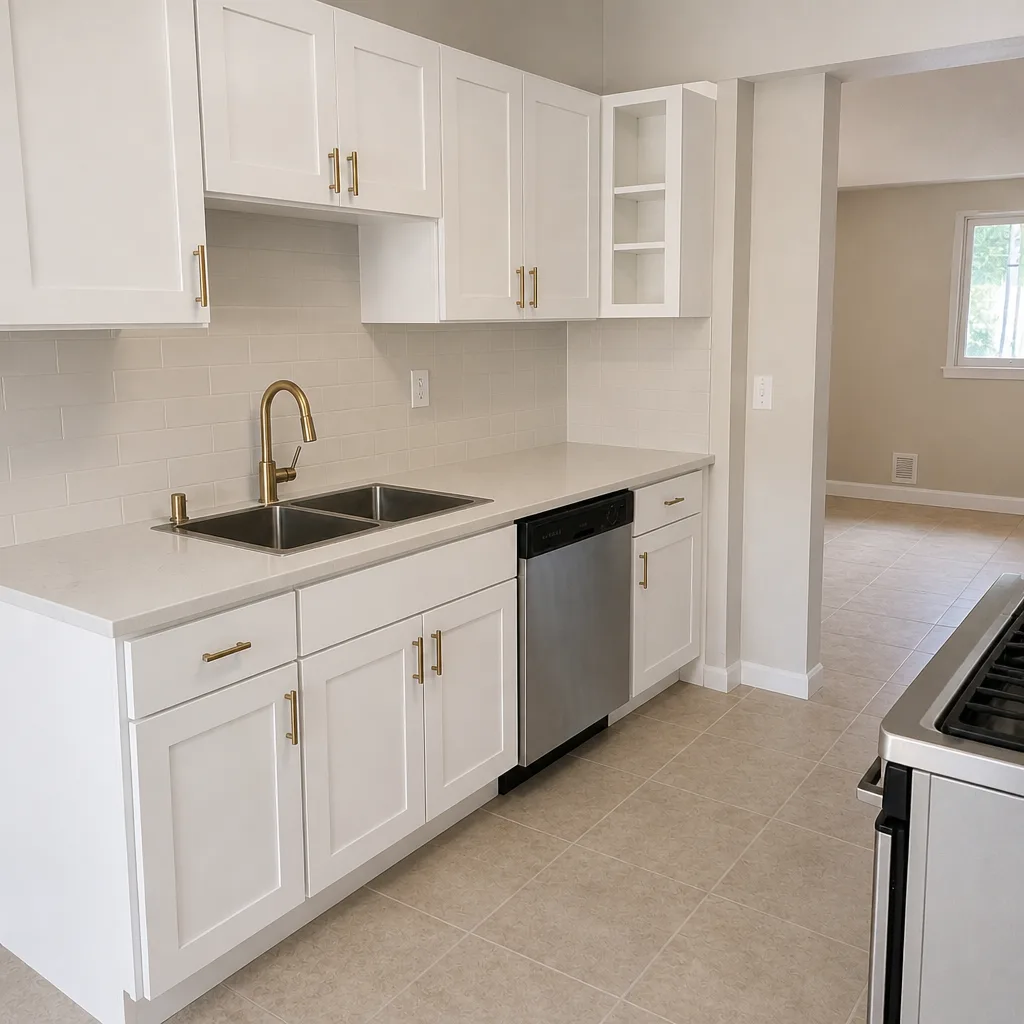 After
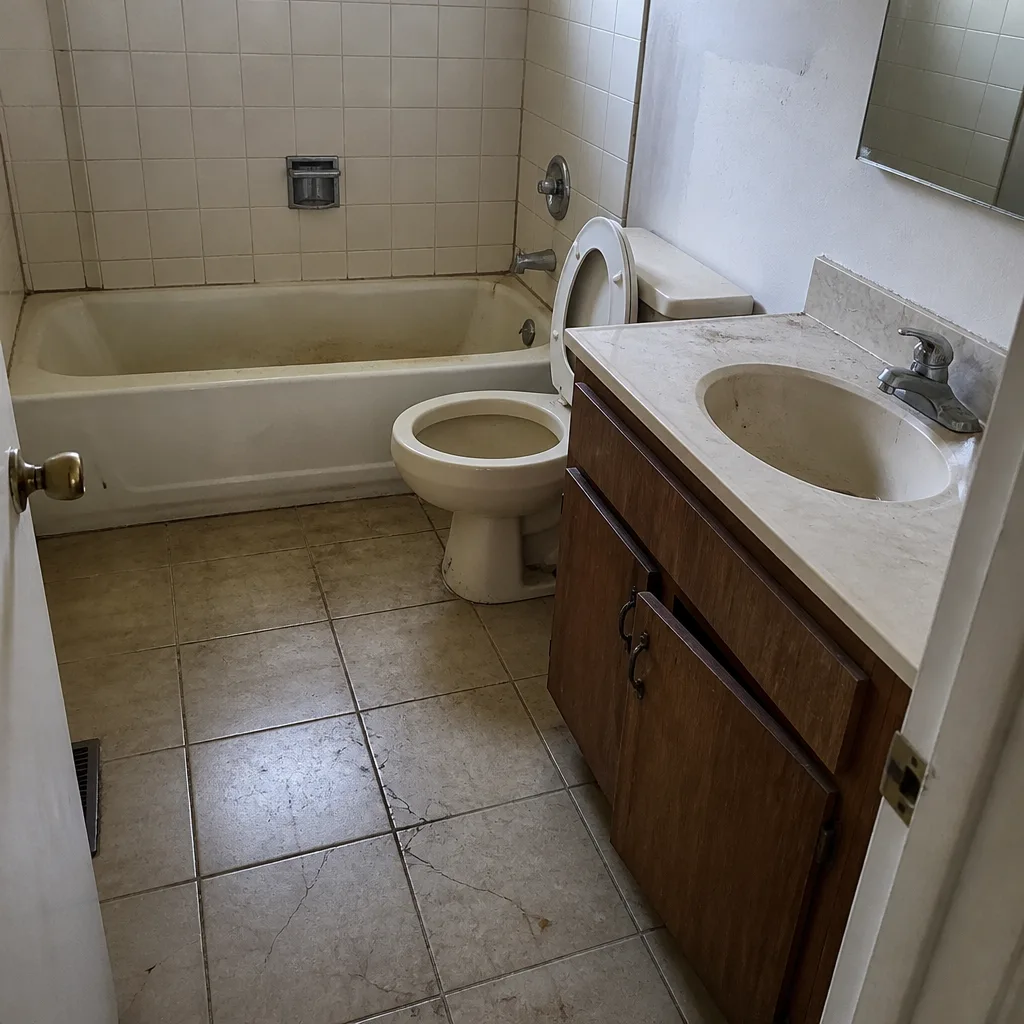 Before
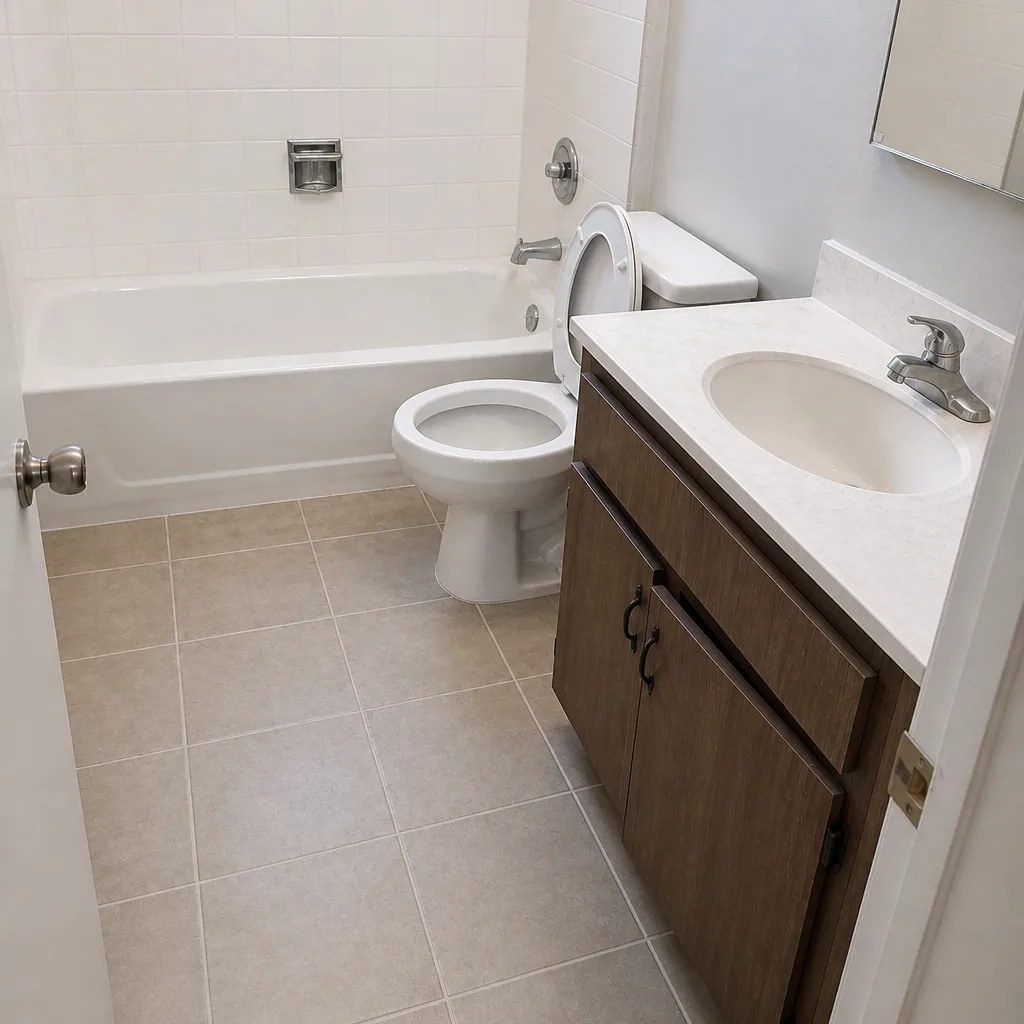 After
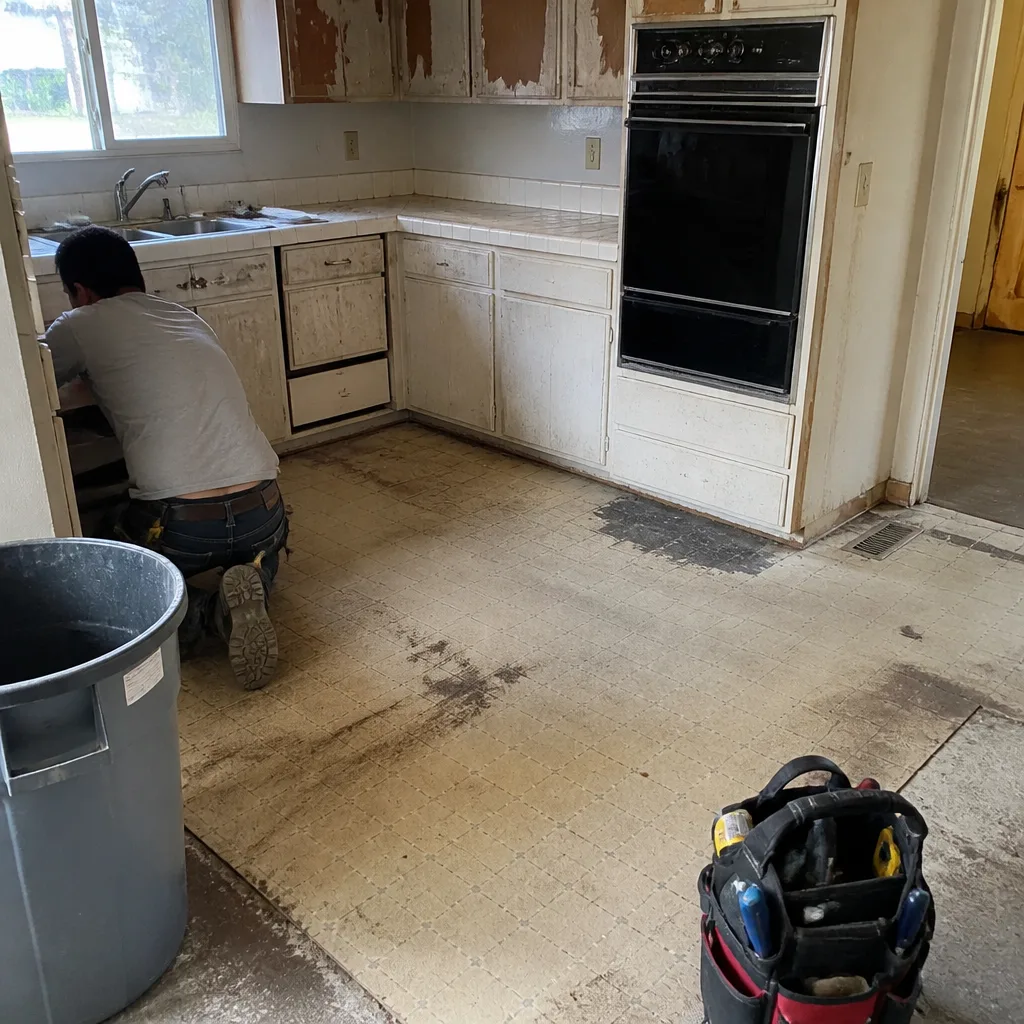 Before
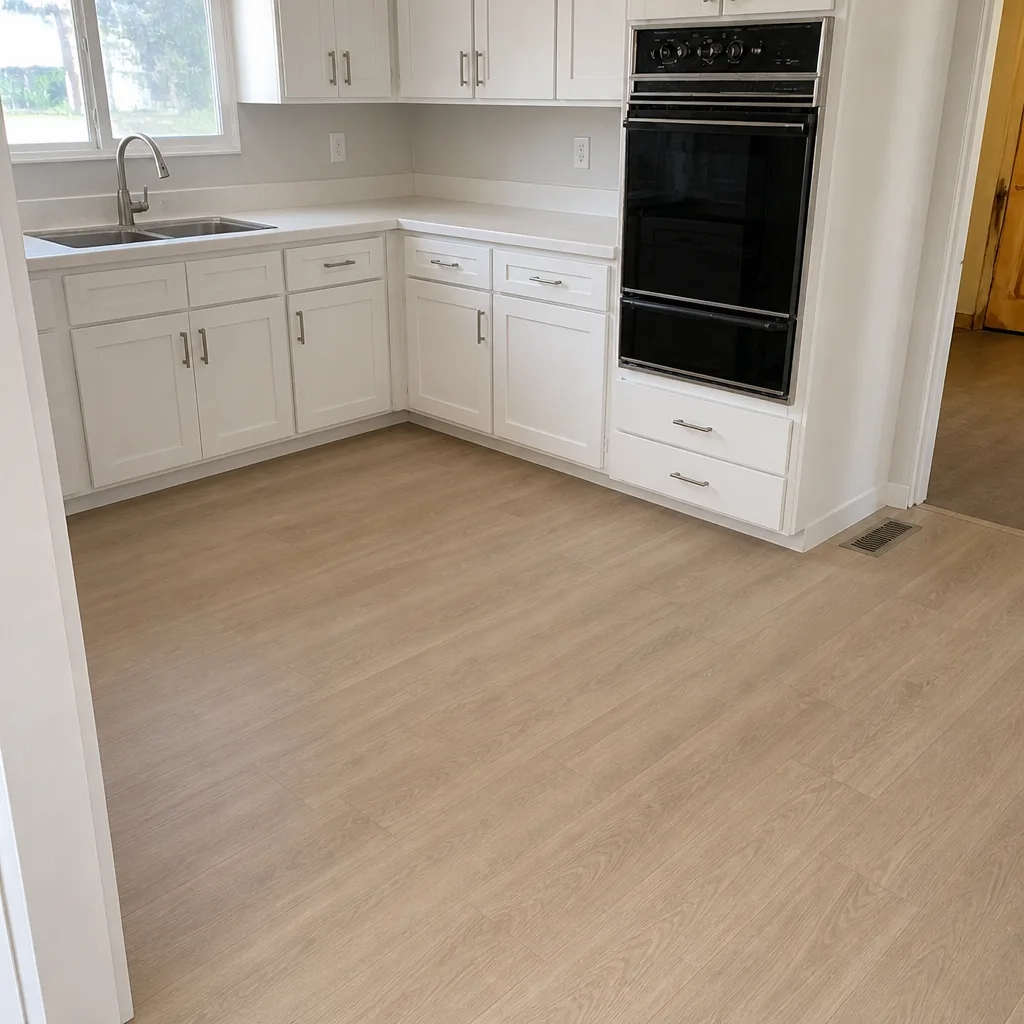 After
When to Call a Professional
Some jobs a homeowner can handle. A paver driveway in Fremont soil is not one of them. If you’re seeing standing water that pools at the street line after a rain, or settled edges where the apron meets the street, or cracks that keep reappearing after you’ve patched them, the base has already moved and it needs to be diagnosed, not covered up. Areas built on fill, particularly newer construction around Warm Springs, deserve a professional review before you spend money on a surface. And if you don’t know the soil classification on your own lot, the honest answer is to get someone who does to look at it before you price pavers. Barrett & Sons Construction Fremont offers free estimates in Fremont with a written scope and base spec. Call (833) 620-6162 to schedule one. Every eligible job gets permits pulled and inspections signed, and any price change arrives as a written change order before work starts.
Frequently Asked Questions
A residential paver driveway in Fremont typically runs in a wide range depending on square footage, paver material, and how much base work the soil demands, with base prep often adding 30 to 40 percent on top of a bare paver price. The clearest way to know is a written, line-item estimate for your specific lot. Call (833) 620-6162 for an exact quote, and estimates are free.
It depends on scope. Work that touches the public right-of-way, the apron, or the grade typically needs an encroachment or grading permit from the City of Fremont, while a like-for-like swap entirely inside your property lines may not. Confirm with the city for your specific plan, and get the answer in writing before work starts.
Deeper than the four inches most national guides quote. Because much of Fremont sits on expansive clay soil, six to eight inches of compacted aggregate base is a common target for a residential driveway, sometimes more depending on soil and traffic. Ask for the base depth in writing and ask how it will be compaction-tested.
A typical residential driveway takes several days to a couple of weeks, and Fremont projects usually stretch toward the longer end because the base prep and compaction take real time. Weather and permit inspections also set the pace. A written schedule in the estimate is the best way to know what to expect.
Only if something changes the scope, and any change arrives as a written change order before work proceeds, never as an invoice at the end. If a contractor’s quote has ambiguous allowances or limits on base depth, the price can drift. We put the base spec, the scope, and every allowance in writing from the start.
Concrete pavers are the classic value choice and handle the heat well, while clay pavers cost more up front and hold color the longest. Porcelain is worth considering if you want a cooler surface and are willing to pay for the install precision it requires. All three work when the base under them is right for Fremont soil.
The Bottom Line
Fremont’s aggressive clay soil is the single biggest reason a driveway that looked great at year two is crumbling by year fifteen. The pavers you pick matter, but the base that carries them matters more. Get the soil classification, insist on a deeper base than the national minimum, ask for compaction testing in writing, sort the permit before anyone digs, and match the material to a west-facing driveway that takes Bay Plain heat all afternoon. If a bid skips the base prep or can’t answer a permit question, that’s the signal to keep looking. Get a free estimate with a written scope from us and start the conversation with the ground rather than the surface.
Get a Free Estimate
If your Fremont driveway is due for a real answer instead of a guess, call (833) 620-6162 for a free estimate. We’ll walk the lot, review the soil and base, put the scope, the allowances, and every price change in writing before any work happens, and pull the permits and sign the inspections on every eligible job. You can also start from our Barrett & Sons Construction Fremont home page to see everything we do across the property.
Barrett & Sons is owner-operated, founded in 1998, and Tom and his sons are on-site most days. Calls are answered by a live person 24 hours a day, 7 days a week. Published offers include $40 Off Any Repair Over $200, a Free Second Opinion on Any Written Estimate, No Trip Charge Inside the County, and a permanent 10% Senior & Veteran discount. Every completed job is backed by the written 90-Day Done Right Promise: if it’s not done right, one call brings Tom back. Our technicians have up to 28 years of experience.
Written by the team at Barrett & Sons Construction Fremont.