Last updated November 17, 2026



Free written scope consultation - allowances, timeline, and change-order rules on paper before a single trade is scheduled
Fence Installation Warning Signs Every Homeowner Should Know
The most expensive fence mistake in Fremont doesn’t happen on installation day. It happens the week before, when a homeowner says yes to a verbal quote and a handshake and then watches the number climb every week until the job is done. In our experience, the bad fence jobs announce themselves long before a shovel touches dirt. They show up in how a contractor talks about permits, prices, and how deep the concrete goes. This guide walks through the conversation red flags we’ve learned to spot from 29 years of watching fences go up and, sometimes, come right back down. By the end you’ll know exactly what to listen for.
Quick Answer
The clearest warning signs of a bad fence contractor are vague pricing, a refusal to pull permits, and rushed site walks. If a bidder won’t put an itemized quote in writing or tells you a Fremont fence doesn’t need a permit, walk away. These flags predict cost overruns and early post failure far more reliably than a shoddy-looking truck.
Styles & brands we work with
- Kitchen remodeling
- Bathroom remodeling
- Home additions & ADU
- Roofing
- Windows & doors
- Driveway & pavers
- Fence
Table of Contents
- Why a Verbal Quote Is the First Red Flag
- The Permit Lie: “We Don’t Need One For That”
- Concrete Depth and the Clay Soil Problem
- What a Real Itemized Quote Looks Like
- Rushed Site Walk vs. a Proper One
- The Mid-Job Payment Pressure Trap
- Common Mistakes to Avoid
- Frequently Asked Questions
Why a Verbal Quote Is the First Red Flag
A fence contractor who won’t put a number on paper is telling you something. It’s not that they’re too busy. It’s that a verbal price can move, and a written one can’t without your signature. When we quote a fence in Fremont, every scope, allowance, and price change is spelled out before work starts. That’s not us being formal. It’s the difference between a fixed price and a moving target.
Here’s how the verbal-quote trap usually plays out. A neighbor gets a phone number from a friend, calls, and hears a ballpark. Say $28 a linear foot. The crew shows up, walks the yard, then mentions the gate is extra, the old fence removal is extra, the corner post on the slope needs a “custom solution,” and suddenly the job is 40% higher. The homeowner has already told the family the fence is happening. Backing out feels awkward. So they pay.
The fix is simple and it costs nothing: ask for the quote in writing before anyone lifts a shovel. If the answer is “we’ll figure it out as we go,” you’ve got your answer. Barrett & Sons has built its name on the opposite habit. An allowance that isn’t on paper is a surprise waiting for a date, and a written change order before any scope change touches the job keeps everyone honest.
This is also why we recommend Barrett & Sons Construction Fremont home as the place to start if you’re comparing bids. It lays out how we work before you ever pick up the phone. If a contractor bristles at giving you the same in writing, that tells you plenty.
The Permit Lie: “We Don’t Need One For That”
This one comes up constantly in Fremont, and it’s almost always wrong. Alameda County and the City of Fremont have specific rules about fence height and placement, and most residential fences over a certain height, or any fence near a property line or corner sight triangle, require a permit. A contractor who waves off permits is either unfamiliar with the local code or hoping you won’t check.
The cost of skipping the permit lands on the homeowner, not the contractor. If a neighbor complains or the city spots the fence, you can be looking at a stop-work order, a fine, and the cost of tearing out and rebuilding to code. A fence that violates setback rules along a corner lot in the Centerville district, for instance, may have to come down entirely. The contractor is long gone by then.
Here’s what a permit-aware process should look like in Fremont:
- The bidder asks about your property line. Fences sit on or near the line, and the rules depend on where the line actually is.
- They mention height limits. Front yard, side yard, and back yard fences are treated differently under local code.
- They talk about corner lots and sight triangles. Fences near an intersection have their own restrictions.
- They pull the permit and schedule the inspection. On every eligible job, permits get pulled and inspections signed.
The permit inspector works for you, not for the contractor. That’s exactly why a good contractor welcomes the inspection. It’s a free second set of eyes on the work, and it’s on record.
Concrete Depth and the Clay Soil Problem
This is the warning sign most homeowners never think to ask about, and it’s the one that costs the most down the road. A fence post should be set at least one-third of its total length underground. So an 8-foot post needs roughly 32 inches of buried post in a properly sized hole. Posts set shallower than that, or set with a couple of shovelfuls of concrete, will fail in the clay-heavy soil common across much of the Bay Area within two to three years. We’ve seen it happen again and again in neighborhoods like Ardenwood and the Mission foothills, where the ground shifts with the seasons.
Clay soil holds water and moves. When the wet season hits, the clay swells and pushes on the post. When summer dries it out, the clay shrinks and pulls away. A shallow post rocks back and forth in that cycle until the concrete cracks and the post leans. No amount of decorative cap or pretty pickets will save a fence built on that foundation.
You can spot the red flag in conversation, before any digging. Listen for how a contractor talks about the posts:
- Good sign: “We’ll go about a third of the post length into the ground with a proper footing, and we’ll account for the slope.”
- Red flag: “Two feet is plenty, nobody every complains.”
- Red flag: “We don’t use much concrete, it’s just a fence.”
- Red flag: Any answer that skips over the question of grade and drainage.
Ask the question directly: how deep will the posts go, and how much concrete per hole? A bidder who can answer in specifics is probably building to last. One who dodges is not.
What a Real Itemized Quote Looks Like
A vague “materials plus labor” number is a setup for a moving target. You have no way to compare it to another bid, no way to know what’s included, and no leverage when the price changes. A written, itemized quote is the tool that keeps you in control. Ask any contractor who can’t produce one why, and listen carefully.
A proper itemized quote for a Fremont fence should break out the line items separately, so you can see exactly what you’re paying for. Ours typically look like this:
- Linear footage and material type. Wood, vinyl, composite, ornamental iron, each priced by the foot.
- Post count and footing spec. How many posts, how deep, how much concrete.
- Gates. Each gate priced separately, with hardware named.
- Removal and haul-away of the old fence, if there is one.
- Permit fees and inspection costs, if applicable.
- Brand names. Materials you can look up, not mystery brands off a van.
We carry premium brands like Belgard and Techo-Bloc on our hardscape and fence-adjacent work, so the quote can name exactly what gets installed. When you can look up the brand, the spec, and the price per foot, you can compare apples to apples. For more on how a written estimate should look for related outdoor work, see our page on Driveway & Pavers in Fremont.
Rushed Site Walk vs. a Proper One
The site walk is where a contractor either takes you seriously or doesn’t. A rushed walk takes five minutes. A proper one takes twenty or more and involves real measurements. You’ll know the difference the moment you see it, and you should treat a rushed walk as the warning sign it is.
Here’s what a proper site walk should include in Fremont:
- Measuring the actual run. Not estimating by eye, not counting paces. A tape measure or a wheel, foot by foot.
- Checking grade changes. Fremont lots slope, and a fence that ignores grade will step awkwardly or fail at the low point where water pools.
- Locating the property line. A contractor who builds to the wrong line creates a neighbor problem that can cost thousands to fix.
- Identifying the soil. Clay-heavy soil needs a different footing plan than sandy soil.
- Looking at existing utilities. Gas, water, and cable lines run where fences go more often than you’d think.
- Asking about use. A privacy fence for a dog is a different build than a decorative front-yard fence.
If a bidder never once asks about grade, drainage, or your property line, they’re planning to build the easiest fence, not the right one. In our experience, the walk sets the tone for the whole job. Take the time to find a contractor who takes the walk seriously.
The Mid-Job Payment Pressure Trap
A legitimate contractor never demands full payment before final inspection. That’s a rule you can hold to no matter who you hire. When someone asks for the whole job in cash up front, or applies pressure to pay for the “next phase” before the last phase is inspected, that’s your cue to slow down. Money is your only leverage. Spend it in stages that match the work actually done.
The usual pressure play sounds like this: the crew shows up, tears out the old fence, and suddenly the story changes. Materials cost more than expected, or the truck needs fuel, or there’s a “rush fee” to get the posts set before rain. They want the balance now. Once it’s paid, you’ve lost your ability to insist on the work being finished right.
A fair payment schedule ties money to milestones, and it’s the one we use:
- A modest deposit to order materials and schedule the crew.
- A progress payment after posts are set and inspected, if the job calls for it.
- The final payment only after the fence is complete and, where a permit applies, the inspection is signed off.
Written change orders matter here too. If the price goes up mid-job, it should come to you in writing, with a reason, before anyone touches the job. Knowing the schedule in advance keeps you in control from day one.
A Few More Signals to Watch For
The conversation warnings come first, but a few more signals are worth naming. A bidder who won’t give you references from Fremont jobs, or who can’t tell you the brand of material they’ll install, is hiding something. So is one who won’t let you look up their license number. A contractor proud of their work publishes their name, their address, and their license number so you can check before you sign anything.
Crew members matter too. Ask who’s actually doing the work. If the owner’s crew shows up, background-checked and carrying the company’s name, that’s a good sign. If strangers arrive in an unmarked truck and the person who quoted the job is nowhere to be found, that’s a warning. A name-on-the-truck operation is accountable in a way a dispatched crew isn’t.
Finally, watch for anyone who won’t put the workmanship guarantee in writing. A 90-Day Done Right Promise should be on the contract, not spoken. If something’s wrong, you want a name and a number to call, not a promise made at the curb. You can read more about how we handle fences on our Fence Installation in Fremont page.
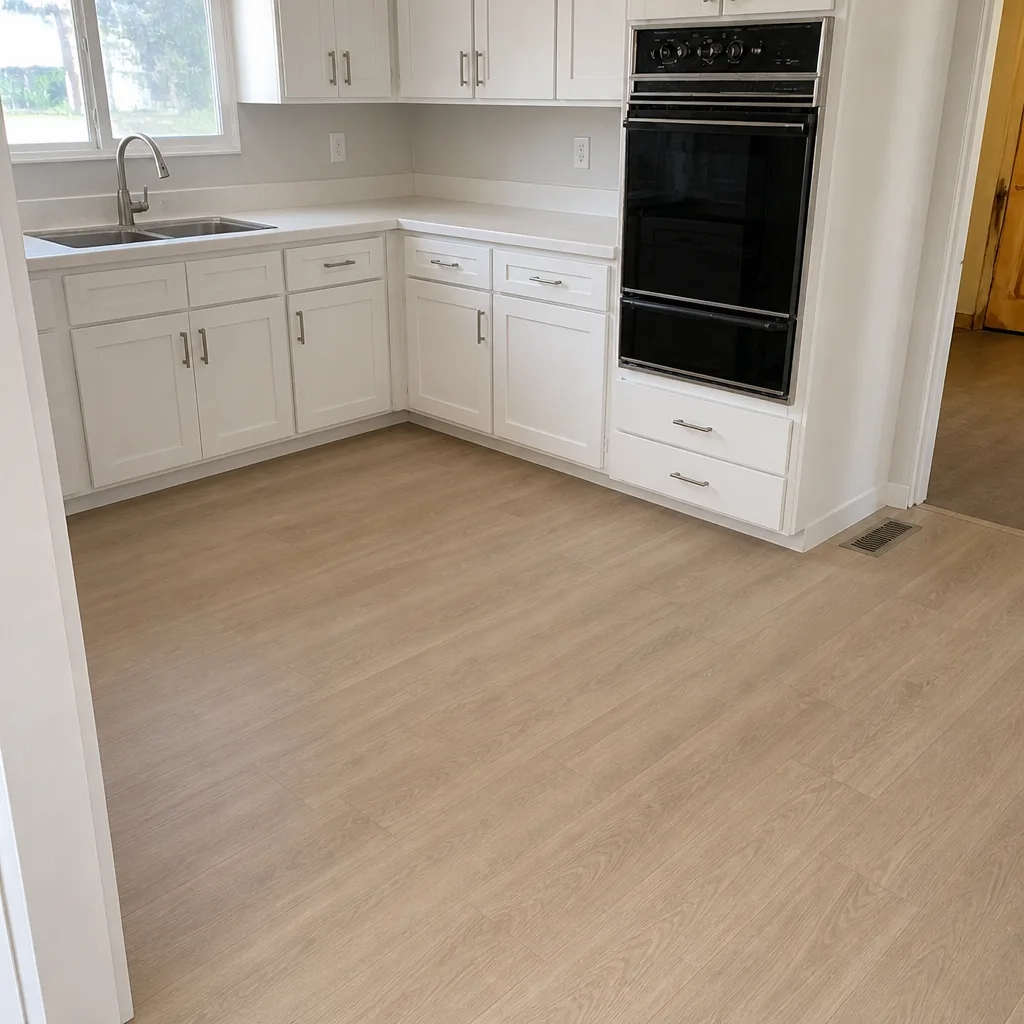
See the difference
 Before
 After
 Before
 After
 Before
 After
Common Mistakes to Avoid
- Saying yes to a verbal quote. A number that isn’t on paper can move every week. Insist on a written, itemized estimate before work starts.
- Believing “no permit needed.” Fremont fences often require a permit under local height and setback rules. Skipping it exposes you, not the contractor.
- Skipping the concrete depth question. Posts set less than a third of their length underground will fail in Bay Area clay soil within a couple of years.
- Accepting a “materials plus labor” price. Vague numbers are impossible to compare and easy to inflate. Break out the line items.
- Letting a rushed site walk slide. If a bidder doesn’t measure the run or check grade, they aren’t taking the job seriously.
- Paying the full bill before inspection. Legitimate contractors tie payment to milestones and settle up only after the last inspection is signed.
- Not checking the license. A reputable contractor publishes their name, address, and license number. Look them up.
When to Call a Professional
Hire a professional for any fence that touches a property line, needs a permit, sits on sloped or clay-heavy ground, or requires a custom gate or ornamental ironwork. Those jobs carry real structural and legal risk if done wrong. If you’re replacing a fence after storm damage or a neighbor dispute, or if you’re fencing around a new addition or ADU, call in a pro before anyone digs. Barrett & Sons Construction Fremont offers free estimates in Fremont. Call (833) 620-6162 to schedule yours, and we’ll walk the property with you, measure the run, and put every line item in writing before work starts. If you’re planning a bigger backyard project, our team handles Home Additions & ADU in Fremont as well, so the fence matches the plan.
Frequently Asked Questions
Fence installation in Fremont typically runs $25 to $65 per linear foot depending on material, with wood at the lower end and ornamental iron or premium composite at the higher end. Gates, old-fence removal, and permits add to the total. Call (833) 620-6162 for an exact quote. Estimates are free, and we put every line item in writing.
Often, yes. Fremont and Alameda County have specific height and setback rules, and many fences, especially those over a certain height or near a corner sight triangle, require a permit. A contractor who says “we don’t need one” without checking is a red flag. Call us and we’ll confirm what your specific job needs.
A fence post should be set at least one-third of its total length underground. An 8-foot post needs roughly 32 inches buried in a properly sized concrete footing. Shallower posts fail in Bay Area clay soil within two to three years. Ask any bidder this question directly and listen for the specifics.
A refusal to put the quote in writing is the clearest sign. A verbal number can move, and vague “materials plus labor” pricing is a setup for a moving target. If a bidder won’t itemize the quote or pull the permit, walk away. Call (833) 620-6162 for a written estimate you can compare against the rest.
It shouldn’t change without your signature. Legitimate contractors issue a written change order before any scope change touches the job. If a price goes up mid-job and nobody hands you paper first, that’s the trap to avoid. Our policy is written change orders before work proceeds, every time.
A typical residential fence in Fremont takes one to three days, depending on footage, material, and whether a permit inspection is required. Your contractor should give you a realistic timeline in the written quote. Call us to talk through your specific job and get a plan in writing.
The Bottom Line
The warning signs of a bad fence job show up in conversation, not on the job site. Vague pricing, a refusal to pull permits, a rushed site walk, shallow concrete, and mid-job payment pressure are all things you can spot before anyone digs. The homeowners who avoid the expensive mistakes are the ones who ask for everything in writing, check the license, and tie payment to milestones. If a bidder won’t do those things, the fence won’t be the last problem. Call Barrett & Sons Construction Fremont at (833) 620-6162 for a free estimate, and we’ll show you what a proper quote looks like before you commit to anything.
Written by the team at Barrett & Sons Construction Fremont.