Last updated November 17, 2026

Free written scope consultation - allowances, timeline, and change-order rules on paper before a single trade is scheduled
Home Additions & ADU Warning Signs Every Homeowner Should Know
By the time you notice the structural warning signs of a bad addition – the floor that dips near the hallway, the bedroom door that stopped latching, the hairline crack climbing the drywall – you’re already 18 months and $80,000 into the wrong contractor. The real warning signs showed up on day one, in the contract, in the payment schedule, and in the answer you got when you asked to see the permit. The work didn’t fail first. The paper trail did. In this guide we’ll walk through the contractual and behavioral red flags that let you screen out a bad builder before the first shovel turns soil, with the local details that matter in Fremont and across Alameda County.
Quick Answer
The biggest warning signs of a bad addition or ADU contractor are contractual, not technical: a promise to pull permits later, a down payment above 10% before permit approval, no current liability and workers’ comp certificates, subcontractors the general contractor can’t name or license, and a job site where the permit card isn’t posted. Any one of these is a reason to slow down. Two or more is a reason to walk.
Styles & brands we work with
- Kitchen remodeling
- Bathroom remodeling
- Home additions & ADU
- Roofing
- Windows & doors
- Driveway & pavers
- Fence
Table of Contents
- “We’ll Pull Permits Later” Is the Most Expensive Promise You’ll Hear
- Why Insurance Certificates Matter Before Demo Starts
- The Payment Schedule Red Flag That Predicts Everything
- What Your GC’s Subcontractor List Should Look Like
- Reading a Mid-Construction Job Site Like a Pro
- Allowances and Change Orders: Where Surprises Are Born
- Fremont-Specific Signals of a Real Local Builder
- The Final Walkthrough Red Flags
“We’ll Pull Permits Later” Is the Most Expensive Promise You’ll Hear
Those four words – we’ll pull permits later – are the single most expensive sentence in residential construction. A permit isn’t paperwork you file when convenient. It’s the legal authorization to build, and skipping it turns your finished addition into a liability the day the inspector drives past. In Alameda County, the cost to legalize unpermitted work after the fact typically runs well past the original permit fee, because you’re now paying for an as-built drawing, a structural engineer’s evaluation, potential demolition of concealed work, and re-inspection at every stage. The city can require the drywall come off so the framing and electrical can be seen. What looked like a $4,000 permit becomes a $30,000 to $60,000 correction.
We’ve watched Fremont homeowners try to sell a house with an unpermitted bonus room off the back. The appraiser won’t count the square footage. The title company flags it. The buyer’s lender refuses to finance it. You end up either tearing it down or paying an attorney to negotiate. Every builder on our side of the Bay knows the permit inspector isn’t working against us; he’s working for you. That signature at the bottom of the inspection card is the only document that proves your addition is safe and legal.
What a legitimate permit process looks like in Fremont:
- Permit application filed with the city before demolition or site grading begins.
- Plans stamped by a licensed architect or engineer and reviewed by the Building Division.
- Permit card posted on the site, visible from the street, with the job address and scope stated.
- Sequential inspections scheduled and signed at framing, rough-in electrical, rough-in plumbing, insulation, and final.
- Copies of all signed inspection slips delivered to you at closeout.
If any of those steps is fuzzy, ask why. A builder with nothing to hide can answer in one sentence.
Why Insurance Certificates Matter Before Demo Starts
Ask any homeowner who has been sued by an injured worker whether they wished they’d checked the insurance certificate. The answer is always yes. A contractor without current liability insurance and workers’ compensation exposes you, the property owner, to direct financial exposure the moment someone is hurt on your property. Your homeowner policy may not cover a subcontractor’s employee who falls off scaffolding at your addition. The lawsuit usually names both the contractor and the homeowner, and your attorney bills by the hour while the case moves.
Here’s what to request in writing before the first hammer swings:
- Certificate of general liability insurance showing limits naming you as additional insured for the project duration.
- Workers’ compensation certificate covering every crew member who will be on site.
- Expiration dates that extend past your project’s expected finish, not just past the signing date.
- Direct phone number for the carrier, so you can verify the policy is real and active – fake certificates exist.
Any legitimate builder in Fremont will hand these over without a pause. If the response is “our insurance is handled by the office” with no follow-up document in a day, that’s a contractor who either doesn’t have the coverage or doesn’t want you reading it. Either answer is your answer to walk.
The Payment Schedule Red Flag That Predicts Everything
A contractor who demands more than 10% down before permit approval, or 50% before work starts, is telling you something about their finances. They need your money to fund the job they just promised you – or worse, to fund the previous job they haven’t finished. Front-loaded payment requests are the leading predictor of a builder who will disappear halfway through your addition, or who will slow-walk your project while they chase cash elsewhere. This isn’t a moral judgment. It’s math. If they don’t have operating capital to float materials for a week, they don’t have the working capital to finish your ADU.
A healthy payment schedule for a Fremont addition looks roughly like this:
- Deposit: 5-10% at contract signing, tied to permit filing.
- Rough framing: 20-25% when framing inspection is signed.
- Rough trades: 20-25% when electrical, plumbing, and mechanical rough-ins pass.
- Drywall and finishes: 25-30% at drywall completion.
- Final: 10-15% retained until every inspection is signed and the punch list is closed.
Notice the last line. A final payment of 10% held until everything is signed protects you. A builder who won’t agree to hold 10% back is a builder who knows they may not earn it. In our experience, the contractors who fight hardest about retaining money are the ones who know the punch list will be long. The builders who sign without argument are the ones who plan to close it out clean.
What Your GC’s Subcontractor List Should Look Like
An addition or ADU general contractor who can’t name their structural, electrical, and plumbing subcontractors – and produce a current license number for each – hasn’t assembled a real team. They’re planning to scramble. On the day framing is ready, they’ll cold-call whoever’s available, and you’ll get a rotating cast of subs who have never worked together, don’t know the plan set, and won’t be there for the next phase. That’s how a project drifts from a 6-month build to a 14-month one.
A legitimate GC in Fremont will hand you a subcontractor roster at contract signing, not six weeks in. Ask these five questions:
- What is the CSLB license number for each named subcontractor?
- How many jobs have these subs done with you in the last two years?
- Who is the on-site supervisor, and will they be on site daily?
- What’s the backup plan if the framer is delayed three weeks?
- How do you handle sub scheduling conflicts between two active jobs?
Answers that ramble, hedge, or come back to “we’ll find the right people when the time comes” tell you everything. A real team is named before the permit is pulled, not after. When we build an addition in the Warm Springs or Ardenwood neighborhoods, the crews who show up on day one are the ones we’ve worked with on the last dozen builds. That’s what “team” means.
Reading a Mid-Construction Job Site Like a Pro
Small signals on a job site predict the final quality of your addition more reliably than any photo in a brochure. The permit card posted and visible from the street tells you the job is legal. Materials stacked on pallets and tarped against the fog and winter rain tells you the builder is protecting your investment, not just moving fast. A secured site after hours – gates chained, materials locked, no exposed ladder leaning on a wall – tells you the builder takes safety and theft seriously. When we drive past a Fremont job site in the Niles district and see plywood stacked bare in the rain, we know what the punch list is going to look like.
Walk the site once a week with this checklist:
- Permit card visible and current. If it’s not posted, ask where it is.
- Materials protected. Wood, drywall, and cabinet boxes should be off the ground and covered.
- Site secured at end of day. No open trenches, no exposed nails, no unlocked entry.
- Debris managed. A dumpster emptied weekly, not overflowing for a month.
- Clean workmanship on things you can see. Straight plumbing, level framing, tidy cuts – because the things you can’t see are done by the same hands.
None of these guarantee a good build. But a site with three or more of these warning signs is a site that’s already drifting. Catch it early or you’ll see the drift in your drywall six months after closeout.
Allowances and Change Orders: Where Surprises Are Born
An allowance that isn’t on paper is a surprise waiting for a date. The most common version of this scam is invisible to homeowners until it’s too late: a contract lists “flooring allowance: $4,000” but doesn’t specify the square footage it covers, the brand, or the format. When you select the Silestone or Caesarstone countertops you actually wanted, and they cost more than the allowance was set to absorb, you get a change order for the difference. Not fraud – just the loophole the contract was built to leave open.
A legitimate allowance in a Fremont addition contract specifies four things:
- The square footage or quantity the allowance covers.
- The brand name and line the number was built on.
- The date by which selections must be made to hold the number.
- How the difference is calculated if you go over.
Change orders follow the same principle. Every scope change, every price adjustment, every extra, arrives in writing before work happens. Never after. If your builder tells you “we’ll settle up at the end,” that’s not a change order, it’s a blank check with your address on it. We’ve seen a Fremont homeowner get a $22,000 invoice at closeout for “miscellaneous extras” that were never discussed. Nobody should be surprised by a bill at the end of a project this large.
Fremont-Specific Signals of a Real Local Builder
Fremont is a tricky place to build an addition. The city spans a range of soil and grading conditions – the Oakland Hills clay on the north end, the older Mission San Jose lots with legacy plumbing, the newer Centerville and Irvington infill where lot lines are tight and neighbors watch every variance. A builder who hasn’t worked these streets doesn’t know that the frost line here doesn’t matter but the seismic retrofit requirements absolutely do, and that certain older neighborhoods have specific foundation detailing your structural engineer needs to account for. That local knowledge shows up in the bid, not just in the finished build.
Signals of a real Fremont builder, not an out-of-town operator:
- Familiar with the city’s Build Permits portal and current plan review timelines.
- References from projects within a 15-minute drive, not five towns over.
- Can name recent Fremont inspections they’ve taken a client through.
- Knows the current seismic, energy code, and Title 24 requirements cold.
- Actually lives nearby and will answer the phone at 7am on a Tuesday.
We live twenty minutes from most of the additions we build. If something’s wrong, we want to know about it that week, not after the inspector finds it. That’s not a sales line – it’s how you sleep at night on a project this large. If you want to see what that looks like in practice, take a look at how we approach home additions and ADUs in Fremont, or how the front of your property gets handled on a Driveway & Pavers in Fremont job. Same crews, same paper trail.
The Final Walkthrough Red Flags
The final walkthrough is when the last warning signs show themselves – or don’t. A builder pushing you to sign off before every inspection is signed and every punch list item is corrected is a builder with something to hide. The final walkthrough is your leverage. Don’t release the retention payment until it’s clean. The last 10% you hold back is worth more than any 90-day follow-up promise, because it means the builder has real money on the line to do the final work right.
What a clean final walkthrough requires:
- Every signed inspection card in your hand, not promised by email.
- Every punch list item closed, not “we’ll schedule it.”
- Operation demonstration of every system: HVAC, plumbing, electrical breakers labeled.
- Warranty paperwork for installed brands – Kohler fixtures, Moen faucets, appliance coverage – handed over in a binder.
- As-built drawings and any change order documentation filed together.
If any of that’s missing, don’t close out the job. A real builder wants the walkthrough to be thorough, because it protects both sides.
Common Mistakes to Avoid
- Signing before you read the allowance line items. An allowance without a brand and square footage is an open door for a change order surprise. Read every line or don’t sign.
- Accepting the “permits later” promise. There is no later. Either the permit is filed before demo or you’re already paying to legalize the work.
- Paying more than 10% before permit approval. This one signals a builder who is funding your job from the money you just handed over.
- Skipping the insurance certificates. Ten minutes of verification on a liability and workers’ comp policy protects you from a lawsuit that could take years to resolve.
- Hiring a GC who can’t name the subs. A “team” assembled on the day of the pour is not a team, it’s a gamble with your foundation.
- Ignoring the job site for weeks at a time. Walk the site once a week. Tarped materials, posted permits, and secured sites are the monthly report you didn’t have to ask for.
- Releasing final payment before the punch list closes. Hold the retention. The 10% is your leverage, and it’s what gets the small stuff done.
See the difference
 Before
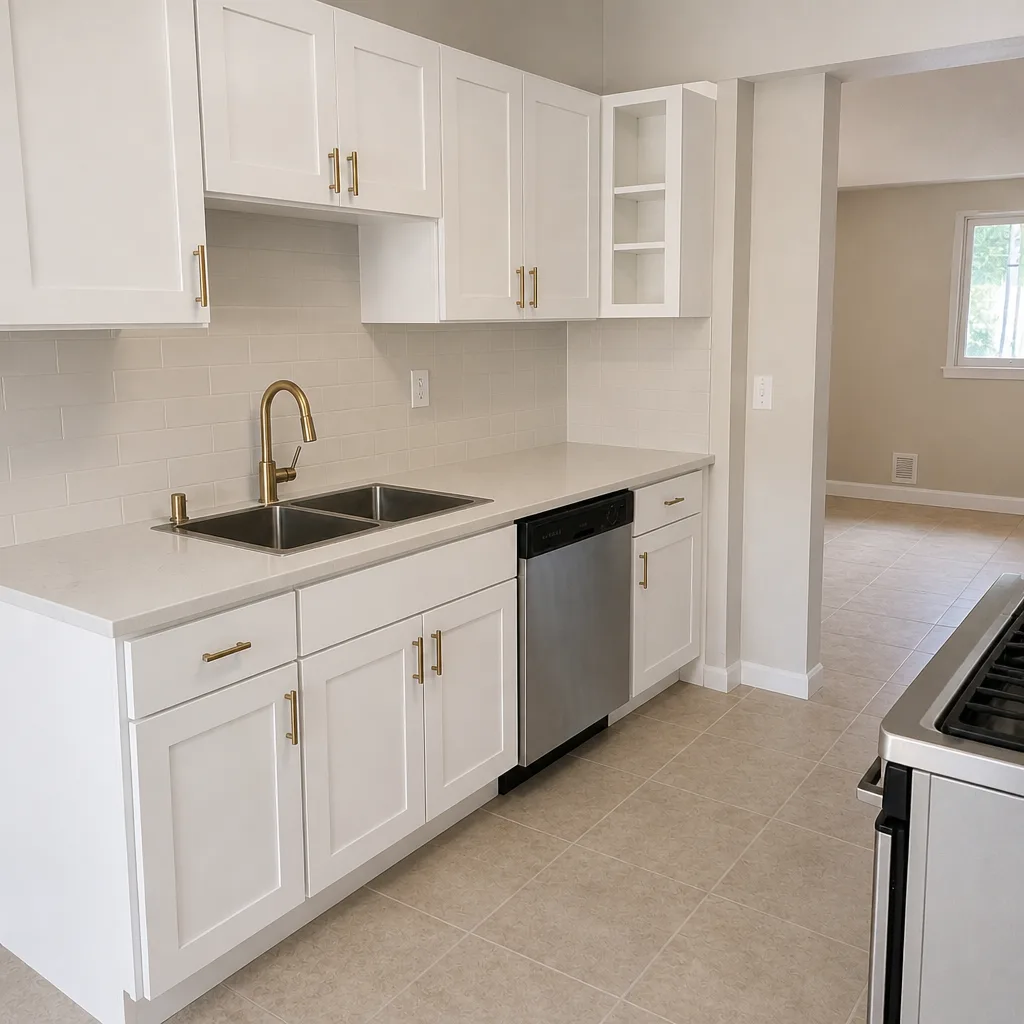 After
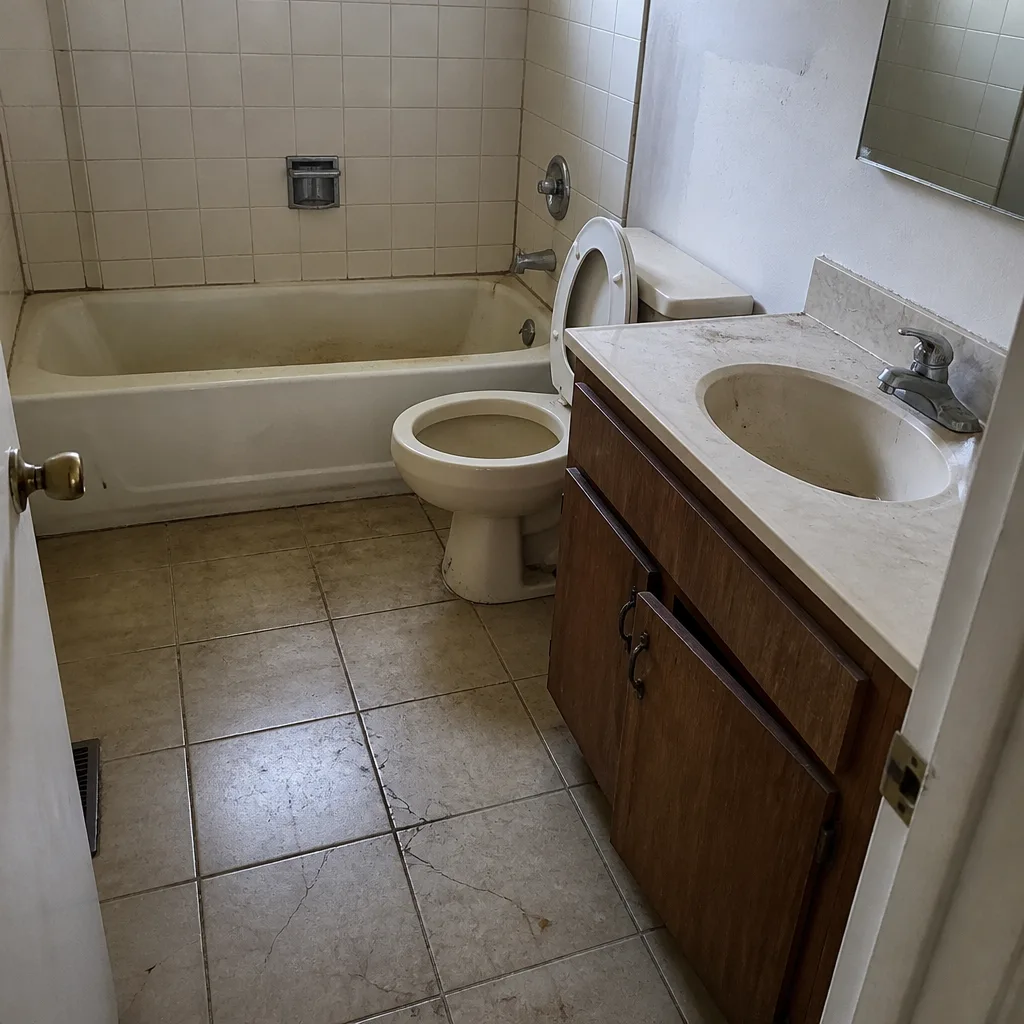 Before
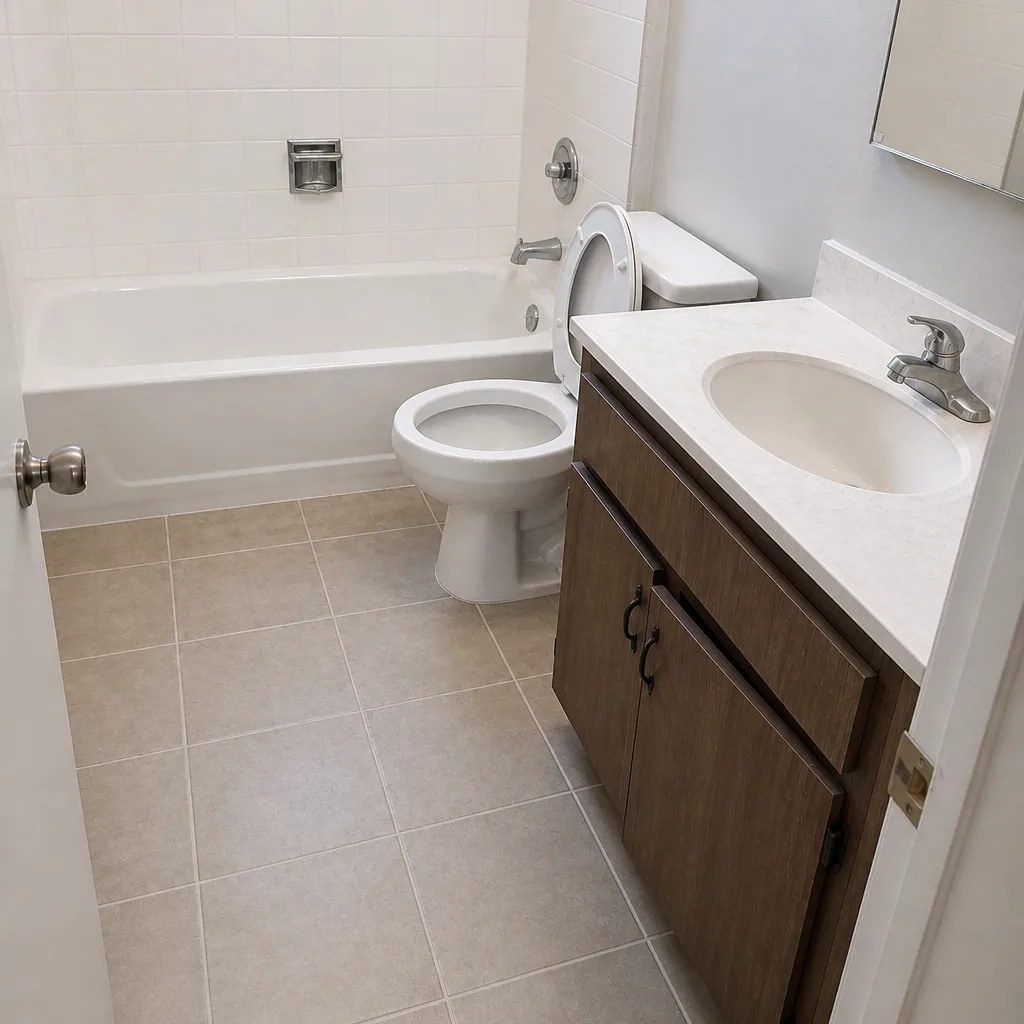 After
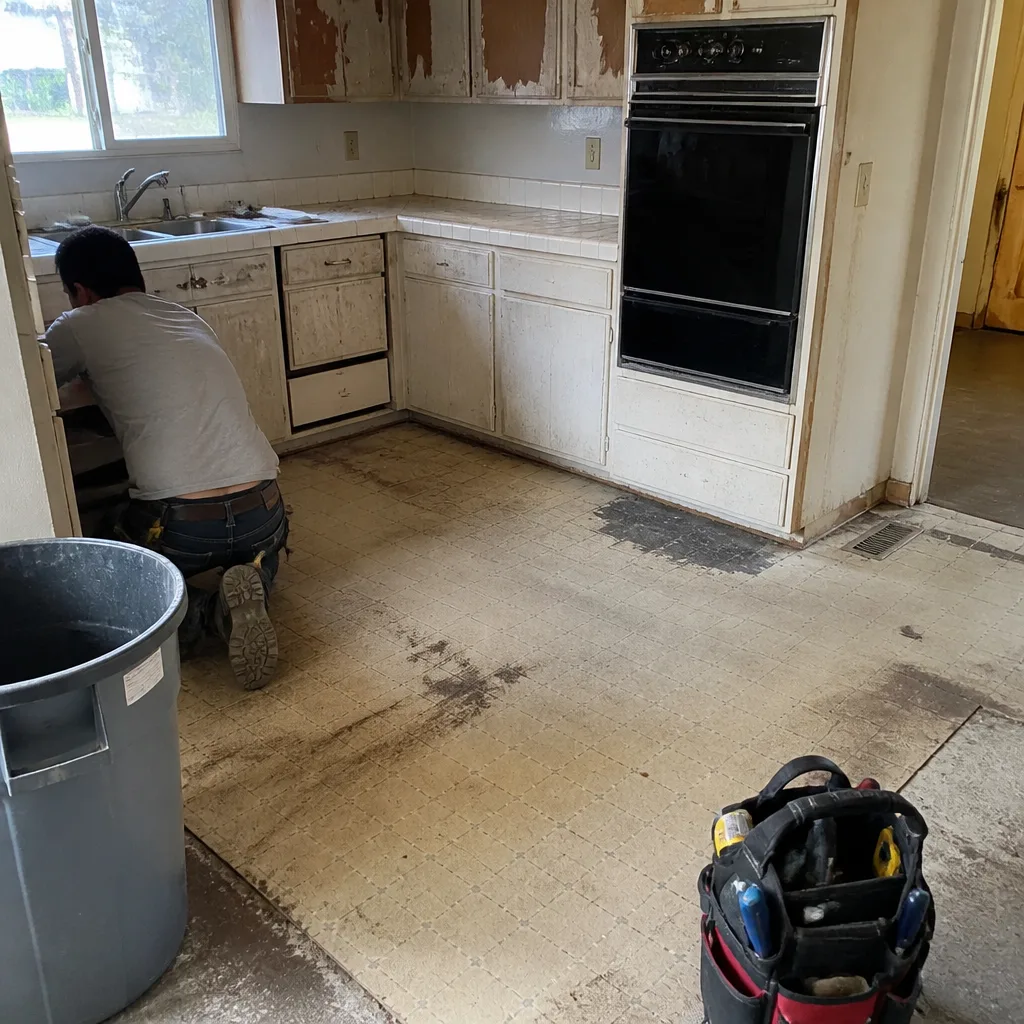 Before
 After
When to Call a Professional
If you’re planning an addition or ADU in Fremont and any of the warning signs in this guide have already appeared on your current project, call us before the next phase starts. A builder who front-loaded your payment, skipped the permit file, or can’t produce insurance certificates isn’t going to suddenly clean up their act during drywall. We’ve walked into plenty of halfway-abandoned projects in the Tri-City area, and the fix is always cheaper the earlier it happens. The same is true if you’re still in the planning stage: bring us in before you sign. A free second opinion on a written estimate costs you nothing and has saved homeowners in Fremont tens of thousands of dollars. If you’re also comparing exterior work or a fence line, our teams handle Fence Installation in Fremont with the same written scope. Barrett & Sons Construction Fremont offers free estimates – call (833) 620-6162 to schedule yours.
Frequently Asked Questions
Legalizing unpermitted work in Alameda County typically runs $25,000 to $60,000 for a modest addition, and can exceed that if structural corrections or partial demolition are required. The larger variable is time: plan review, engineering, and re-inspection can add 6 to 12 months to the process. Call (833) 620-6162 for a free estimate on getting a disputed addition back into compliance – estimates are free.
No more than 10% before permit approval, and never more than 30% before the first inspection is signed. Fremont’s building department reviews can take several weeks, and a legitimate builder prices that into the schedule rather than demanding more money to cover their cash flow. If a contractor insists on 50% upfront, that’s the conversation to walk away from. Call (833) 620-6162 to talk through what a fair payment schedule looks like on your project.
Yes. Every ADU in Fremont requires a building permit, and most also require a planning review for setback, height, and lot coverage compliance. Skipping the permit is not a shortcut – it makes the unit uninsurable and can prevent it from being legally rented. Call (833) 620-6162 for a free estimate that includes the permit filing in the scope.
Ask for the certificate of insurance and call the named carrier directly to confirm the policy is active. Required coverage includes general liability naming you as additional insured, and workers’ compensation covering every crew member on site. Expiration dates must extend past your project’s expected finish. Call (833) 620-6162 for a free second opinion on any estimate or insurance certificate you’ve already been given.
A typical Fremont ADU takes 6 to 9 months from permit issuance to final inspection, depending on size, utilities trenching, and weather. Permit review itself can take 3 to 5 months before the clock even starts. Anyone promising a 90-day ADU is cutting corners on inspections or schedule. Call (833) 620-6162 for a free estimate with a realistic written timeline.
A well-run job site has the permit card posted and visible, materials tarped and off the ground against the winter fog and rain, the site secured at end of day, and a numbered dumpster emptied weekly. Those small signals predict the final quality of the build far better than any brochure photo. Call (833) 620-6162 to schedule a free estimate on your addition.
The Bottom Line
The warning signs of a bad addition or ADU contractor show up in the contract, the payment schedule, and the paperwork – not in the finished walls. By the time the floor dips and the door won’t latch, you’re eighteen months in and out of options. Screen early: demand the permit before demo, verify liability and workers’ comp certificates before anyone steps on site, keep the down payment at 10% or less, insist on a named subcontractor roster, and hold the final 10% until every inspection is signed. Every scope, every allowance, every price change in writing. That’s the whole game. For homeowners in Fremont who’d rather hear all of it twice now than argue about it later, our team is one call away. Barrett & Sons Construction Fremont home is where you’ll find us, and (833) 620-6162 is where you’ll reach a live person.
Written by the team at Barrett & Sons Construction Fremont.