Last updated November 17, 2026








Free written scope consultation - allowances, timeline, and change-order rules on paper before a single trade is scheduled
Windows & Doors Maintenance Schedule: What to Do and When
A vinyl window is warranted for 20 to 30 years, but most of them lose their seal somewhere around year 10 to 15. The gap between those two numbers almost always comes down to whether anyone cleaned the weep holes and lubricated the hardware during years 2 through 7, when the damage is invisible and easy to ignore. Nobody hands you a maintenance calendar when the install crew drives off, so most Fremont homeowners find out the hard way – a fogged pane, a sticky slider, a swollen door that won’t latch in January. This guide builds the schedule you were never given, around the specific stressors Fremont homes face: wet winters, dry summers, and hardware that quietly wears out while you’re not looking.
Quick Answer
Clean weep holes and tracks twice a year, lubricate moving hardware once a year with a silicone or dry-film product, inspect and touch up exterior caulk and door sweeps every fall before the rains, and photograph everything with a date. That’s the whole schedule in one sentence. Do those four things on a set calendar and your windows and doors will reach the lifespan they were built for instead of failing at the halfway mark.
Styles & brands we work with
- Kitchen remodeling
- Bathroom remodeling
- Home additions & ADU
- Roofing
- Windows & doors
- Driveway & pavers
- Fence
Table of Contents
- Why Windows and Doors Fail Before Their Warranty Runs Out
- Spring: What to Check After Fremont’s Rainy Season
- Weep Holes and Tracks: The Most Neglected Item on the List
- The Lubrication Schedule by Hardware Type
- Fall Prep: Caulk, Thresholds, and Door Sweeps Before the Rains
- How Maintenance Records Protect Your Warranty
- The Full 12-Month Calendar at a Glance
- Common Mistakes to Avoid
Why Windows and Doors Fail Before Their Warranty Runs Out
Windows and doors are a system, the same way a roof or a water heater is a system. They have moving parts, weather seals, drainage paths, and hardware that needs service intervals. The difference is that nobody schedules the service, so the parts fail on their own timetable instead of yours.
Seal failure is the big one. The insulated glass unit in a modern window is a sealed sandwich of glass, spacer, and desiccant, and it holds a pocket of argon or air that keeps your home efficient. When moisture gets into the frame and the seal breaks down, the unit fogs from the inside and you can’t clean it away. That fog is the visible end of a process that started years earlier with clogged drainage and dirty tracks holding water against the frame.
In Fremont, we see this play out two ways. Homes on the flat, older side of town – the neighborhoods around Centerville and Irvington – tend to have aluminum sliders from the 1970s and 1980s that are already past their first seal. Homes up in the hills and out toward Niles deal with more wind-driven rain against the west and south elevations, which stresses the weather seals and caulk joints harder. Either way, the maintenance is the same and the schedule is the same.
The counter that no national window company will tell you: the warranty usually covers manufacturing defects, not neglect. If a claims adjuster finds packed weep holes and corroded hinges, that fogged glass becomes a customer-pay replacement. A two-hour annual routine is what keeps the warranty live.
Spring: What to Check After Fremont’s Rainy Season
Spring is the most important inspection window of the year in Fremont because the rains have just stopped and the evidence of water intrusion is still visible. Wait until July and the same evidence has dried, faded, or been painted over. Do this walkthrough in March or April, on a dry day, with a flashlight and your phone camera.
- Look for water staining on interior trim and drywall. Brown rings, bubbling paint, or soft spots under a window sill are the tell. Photograph anything you find with the date.
- Check for fogging between the panes. Any haze or condensation trapped inside the glass means the seal is already gone. Note which units so you can track them over the season.
- Press on the sill and frame at the lower corners. Soft wood or a spongy feel at the bottom corners of a window frame means water has been sitting there. That’s a repair, not a cleaning.
- Inspect exterior caulk joints around every frame. Look for cracks, gaps, or caulk that has pulled away from the siding or stucco. Note the worst ones.
- Test every window and door for smooth operation. If a slider drags, a casement crank binds, or a door catches on the strike plate, write it down now, before the dry summer heat makes it worse.
- Check the door thresholds and sweeps. Look for daylight under the door, torn sweep bristles, or a threshold that has lifted away from the slab.
This is also the season to look up. If you’re already scheduling a look at your Barrett & Sons Construction Fremont home services and thinking about exterior work, the same walkthrough that catches window leaks will catch roof flashing issues before they show up in your ceiling.
Weep Holes and Tracks: The Most Neglected Item on the List
Weep holes are the small slots or hooded openings at the bottom of a window or door frame that let water drain out. They are the single most neglected maintenance item on sliding windows and doors in the Bay Area, and when they clog, the water has nowhere to go but into the frame.
Dirt, pollen, spider webs, and the film that builds up from years of window cleaner all find their way into those slots. Once a weep hole is blocked, a hard rain pushes water against the frame instead of out the bottom. The glass seal takes the hit first, then the wood or drywall behind the frame. By the time you see the fog or the stain, the water has been building up for months.
Cleaning them is a ten-minute job per window. Do it twice a year, in spring and fall:
- Use a stiff plastic brush, a toothbrush, or a pipe cleaner to break up the debris.
- Flush the track and weep holes with a cup of water and watch that it drains out the exterior side.
- Blow out the slot with a can of compressed air if the dirt is stubborn.
- Never widen a weep hole or drill a new one. The size is engineered for a reason.
While you’re at it, vacuum out the tracks. Grit in the bottom track of a slider acts like sandpaper on the rollers and the frame every time you open the window. A shop vac with a narrow nozzle does the job in a couple of minutes. Clean the tracks at the same time as the weep holes, and you’ll spend five minutes more total for years of smoother operation.
The Lubrication Schedule by Hardware Type
The wrong lubricant will do more damage than no lubricant at all. Petroleum-based products like standard WD-40 or grease attract dirt, gum up over time, and degrade vinyl and plastic components inside sliding hardware. What you want is a silicone spray or a dry-film PTFE lubricant that goes on thin and stays slick without collecting dust.
Match the product to the hardware. Each type has its own needs and its own failure point:
- Aluminum tracks and rollers on sliding windows and doors: a dry-film PTFE spray. Aluminum tracks collect grit, so apply once a year in spring, wipe the excess, and vacuum before you spray. Never grease an aluminum track – the grease traps dust and turns into a paste.
- Vinyl frames and slides: a silicone spray only. Petroleum products and vinyl don’t get along, and a greasy product left on the frame attracts mold in a wet climate. One light application a year is enough.
- Steel hinges on hinged doors and casement windows: a few drops of light machine oil or a lithium grease, once a year. Wipe away the excess so it doesn’t drip on the floor or stain trim. If a hinge is already stiff or squeaking, oil it now before it starts wearing the pin.
- Casement cranks and locking hardware: a small amount of silicone grease on the gear teeth and the lock mechanism, once a year. Dry-metal contact on a crank is what strips the gears.
Once a year is the schedule for most hardware. In Fremont, where we get a wet season and a hot dry season, a second light application on the exterior doors in fall is worth the ten minutes. If a piece of hardware is already grinding or hard to turn, oiling won’t fix it – it means a part has worn out and needs replacing. That’s the point where a pro should take a look.
Fall Prep: Caulk, Thresholds, and Door Sweeps Before the Rains
Fall is the second must-do inspection of the year, and it’s the one that prevents interior damage. The rain is coming and you want the exterior envelope buttoned up before it arrives. Twenty minutes on thresholds and door sweeps is what stands between you and a water stain on the floor in January.
Work through the exterior of every window and exterior door:
- Re-caulk any cracked or pulling joints around frames. Remove the old bead with a putty knife, clean the surface, and apply a paintable exterior silicone or polyurethane caulk. Prioritize the top and sides of every frame where wind-driven rain hits.
- Check the door threshold. The threshold should sit tight against the floor. If it has lifted, water gets under the door and into the subfloor. A loose threshold is a repair, not a re-caulk.
- Inspect the door sweep. Look for daylight under the door with the lights off, or torn bristles on a brush sweep. A worn sweep lets in wind, water, and pests. Replace it before the rain.
- Test the weatherstripping. Run your hand along the door opening with the door closed and feel for drafts. Replace any weatherstripping that has compressed or torn.
- Check the exterior door sill and the frame base for rot. Poke it with a screwdriver. If it’s soft, water has been in there and the repair is bigger than a caulk tube.
Fremont’s wet season runs roughly November through March, with the heaviest rain often in the January and February window. If you only do one exterior inspection a year, do it in October. If you’re also having exterior work done – a fence that took the winter hard, a driveway that’s draining poorly – that same fall push is the right time to talk about Fence Installation in Fremont or a Driveway & Pavers in Fremont project so it’s done before the ground stays wet.
How Maintenance Records Protect Your Warranty
If a unit fails and you make a warranty claim, the manufacturer may ask for proof of maintenance. A dated photo of a clean weep hole, a freshly caulked frame, or a neat bottle of silicone spray on the windowsill is worth more than a folder of receipts. It shows the unit was serviced, and it shows the date.
What to document, and why:
- Dated photos of each window and exterior door, twice a year. A phone photo with the timestamp on shows the condition of the unit at that moment. Keep them in a folder named by year.
- A one-page list of what you did and when. “Spring 2026: cleaned weep holes and tracks on all sliders, lubricated rollers with PTFE spray.” That’s the log.
- Product names for caulk, silicone, and lubricant. If there’s ever a question about what was applied, you have the answer.
- The original purchase and install paperwork. Warranty length, brand name, and date of install. If you’re buying a home in Fremont with new windows, ask for it during inspection.
A dated photo is what protects you. A receipt only proves you bought something. A photo with a date proves the unit was maintained on schedule, and that’s what a claims reviewer is looking for.
The Full 12-Month Calendar at a Glance
Here’s the schedule in one place. Pin it to the shop wall or the inside of the utility closet door.
- March/April (after the rains): full interior and exterior inspection. Look for water stains, fogged glass, soft wood at the lower corners, and cracked caulk. Photograph everything with the date. Clean weep holes and tracks on every slider. First lubrication of the year.
- May/June: re-caulk any joints flagged in spring. Touch up paint around exterior frames if needed. Replace any failed weatherstripping.
- August/September: check door sweeps and thresholds before the rains. Test every lock and handle for smooth operation. Second light lubrication on exterior doors.
- October: the pre-rain push. Re-caulk any new cracks, replace door sweeps, tighten thresholds, and test weatherstripping with a hand for drafts.
- December through February: monitor. Look for fogged glass, water stains, or sticking doors during the rainy months. Note anything you find for spring repair.
That’s the whole schedule. Two inspections, two cleanings, one or two lubrication passes, and a folder of dated photos. Two hours a year, maybe three, and you avoid the failure that runs you $500 or more per window when a seal goes.
Common Mistakes to Avoid
- Using WD-40 on sliding hardware. The standard product is petroleum-based and attracts dust, and it degrades plastic rollers and vinyl. Use a dry-film PTFE or silicone spray instead.
- Widening a weep hole with a drill. The size is engineered. Open it up and you change how water drains and how the frame sheds wind-driven rain.
- Caulking over a wet or dirty joint. Caulk won’t stick to a wet surface or a dusty one, and it’ll fail in the first Fremont rain. Clean and dry the joint first.
- Ignoring a fogged pane. Fog between the panes means the seal is gone. If you catch it early, you might be under warranty. If you wait three years, you’re paying for the replacement.
- Cleaning glass with a pressure washer. Water gets driven past the weather seals and into the frame, and that’s exactly what causes the water intrusion you’re trying to prevent.
- Skipping the tracks after the weep holes. Grit in the track wears the rollers and the frame. If you clean the holes, vacuum the track, too.
- Not keeping records. A warranty claim without a dated photo of a clean, serviced unit is a hard sell. Photograph every service.
See the difference
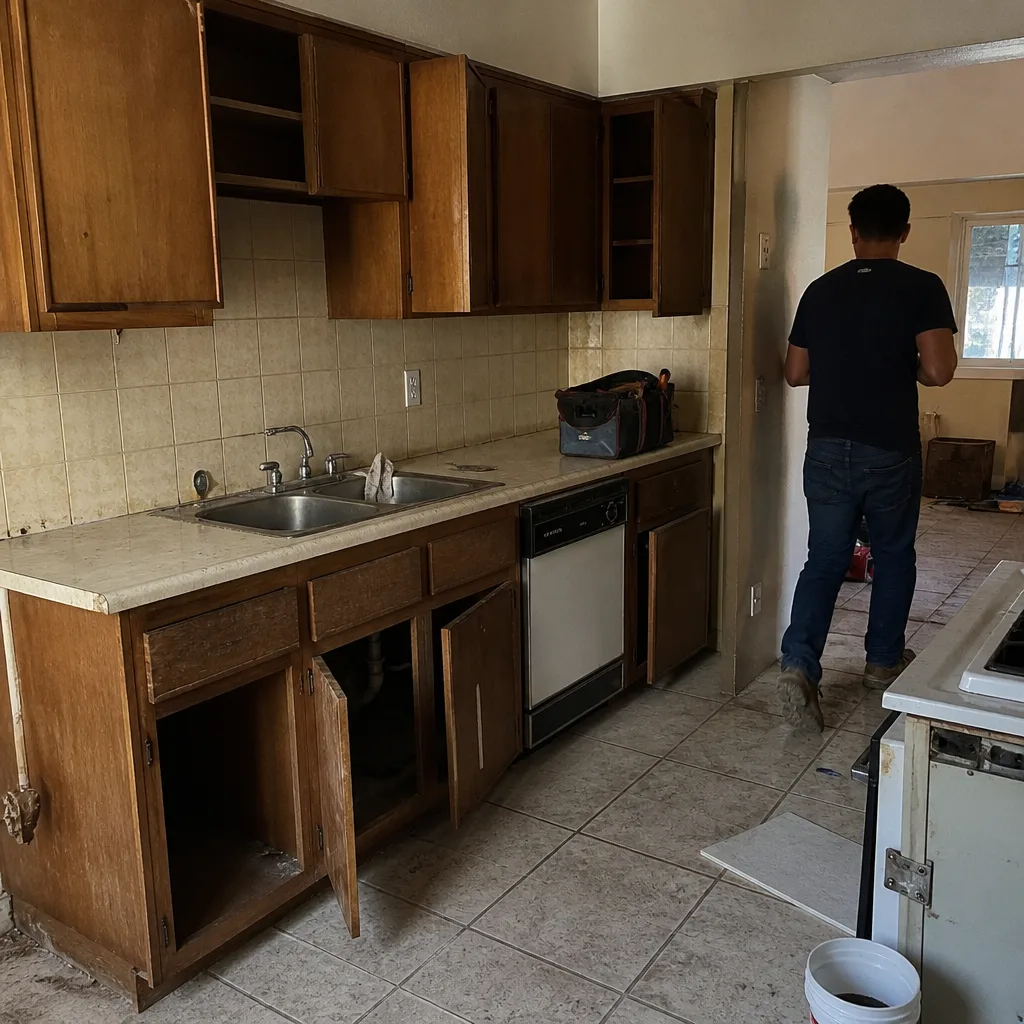 Before
 After
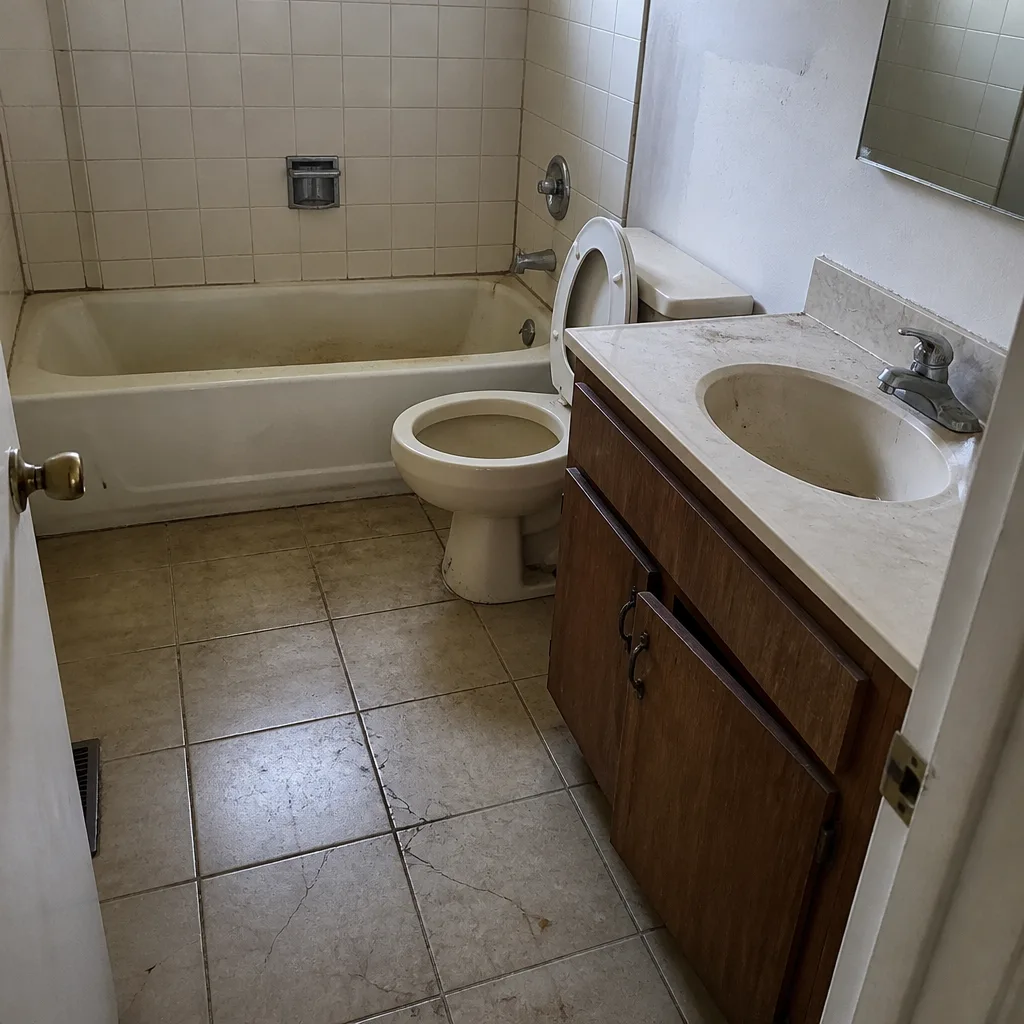 Before
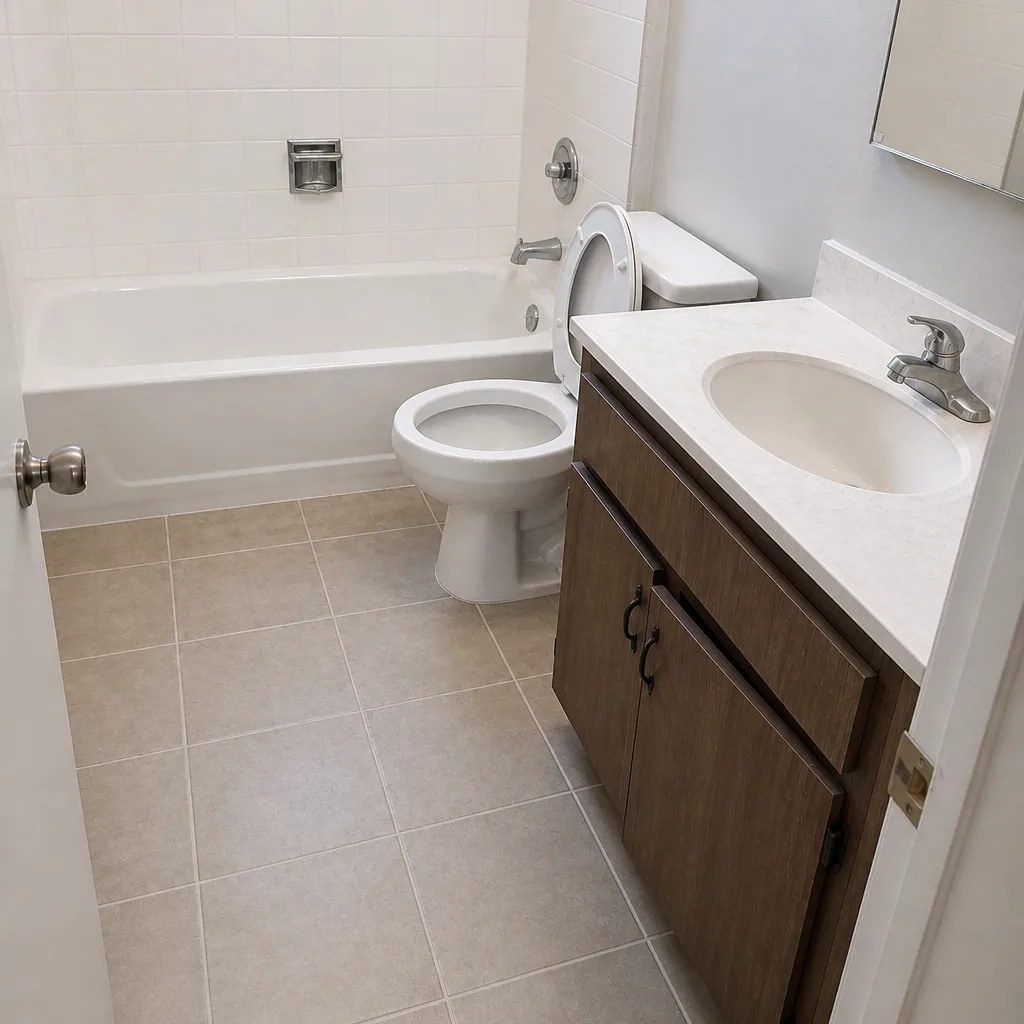 After
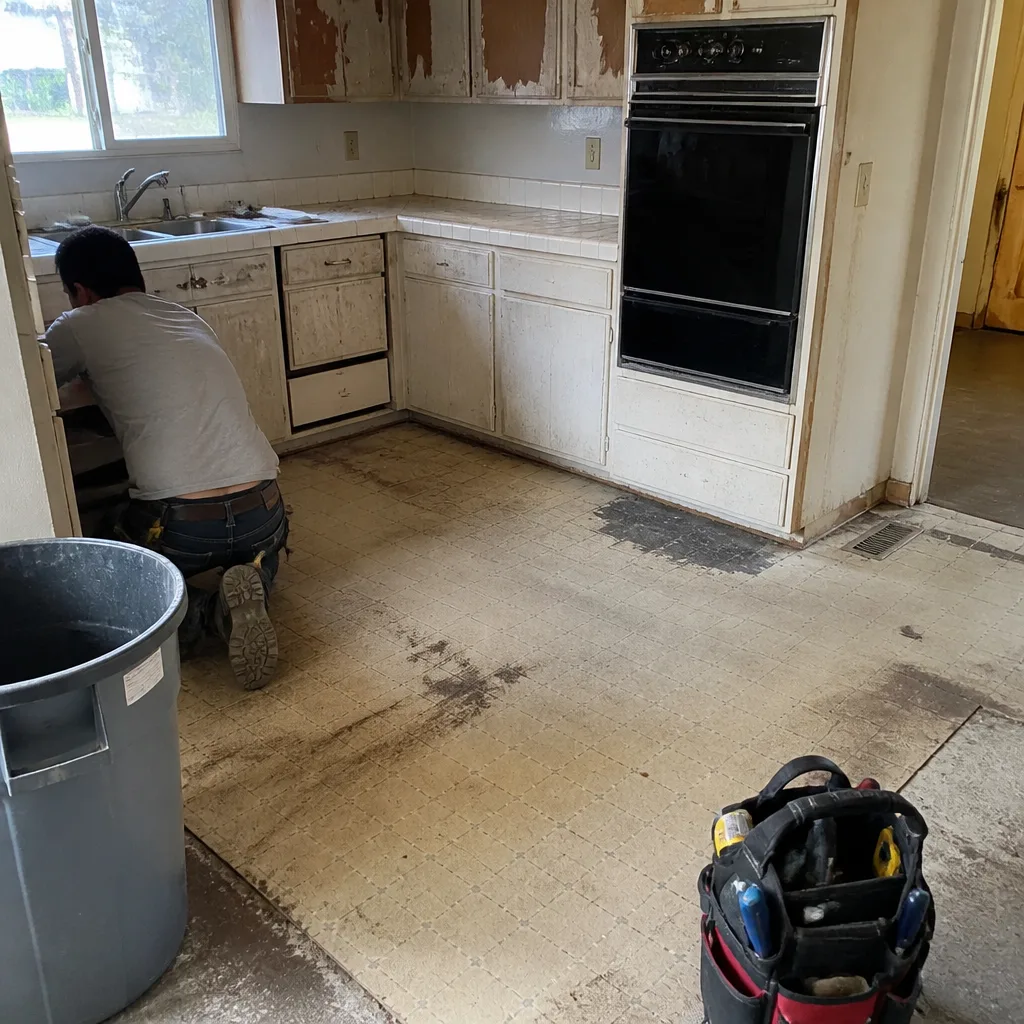 Before
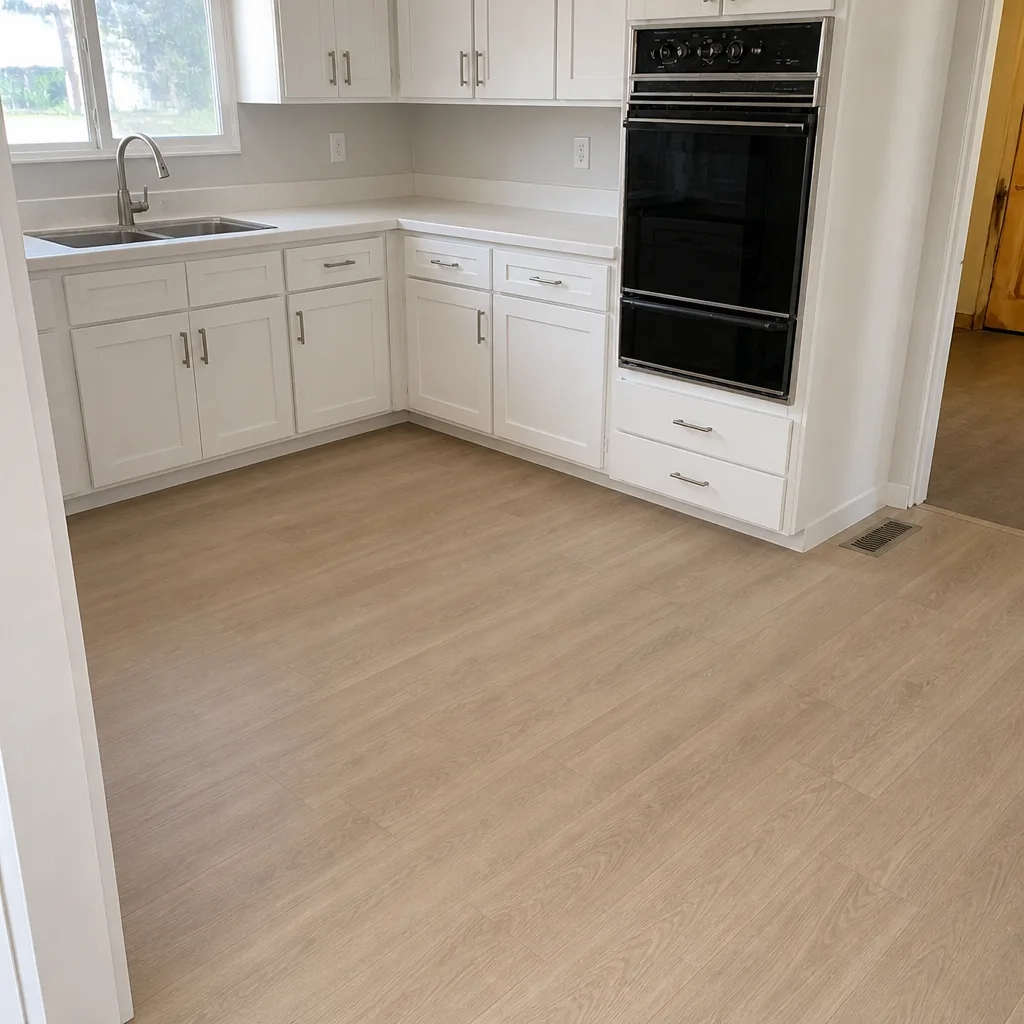 After
When to Call a Professional
Most of this list is homeowner work with a rag, a vacuum, and a can of silicone spray. Some of it isn’t. Call a pro if you find fogging between the panes on more than one unit, soft or spongy wood at the corner of any window frame, water staining on interior drywall, a door that has swollen and won’t latch, or a threshold that has lifted. Those are repair signals, not maintenance. A failed seal on a second-story window or a door with a rotting sill also involves trim work and sometimes structural repair, and that’s not a Saturday afternoon job.
Barrett & Sons Construction Fremont offers free estimates in Fremont – call (833) 620-6162. Windows and doors are one of the trades we handle, and we install Andersen and Marvin units when a replacement is the right call. Our technicians have up to 28 years of experience, every eligible job gets permits pulled and inspections signed, and any price change arrives as a written change order before we touch the job.
Frequently Asked Questions

Twice a year, in spring after the rains and again in fall before them. Weep holes clog with pollen, dirt, and spider webs, and a clogged hole pushes water against the frame instead of out the bottom. The job takes about ten minutes per window with a stiff plastic brush.
A dry-film PTFE spray on aluminum tracks and a silicone spray on vinyl frames. Petroleum-based products like standard WD-40 attract dust and degrade plastic and vinyl components, so avoid them on any sliding hardware. One application a year in spring is enough.
It can be, if the unit is still inside the manufacturer’s warranty period and maintenance is documented. Fog between the panes means the insulated glass seal has failed, and that’s a repair or replacement either way. Photograph the unit with a date and call us for a free second opinion on any written estimate.
If you can see daylight under the door with the lights off, or the bristles on a brush sweep are torn or worn flat, replace it. A worn sweep lets in wind, water, and pests, and it’s a cheap fix that prevents water damage during the rainy season in Fremont.
Only the joints that need it. Inspect every exterior frame in fall, and re-caulk any joint that’s cracked, pulling away from the siding, or missing. A sound bead of exterior paintable silicone or polyurethane will last several years if it’s applied to a clean, dry surface.
Yes. A dated photo of a clean weep hole or a freshly serviced frame proves the unit was maintained on schedule, and that’s what a claims reviewer looks for. A receipt only shows you bought something. Keep the photos, the log, and the original install paperwork together.
The Bottom Line
Windows and doors don’t fail because they’re bad products. They fail because nobody gave you a service schedule. Two inspections a year, spring and fall, with a weep-hole cleaning and a lubrication pass, is all it takes to hit the 20 to 30 years the warranty promises instead of the 10 to 15 most Fremont homes get. Keep a dated photo of every service. If you find fogging, soft wood, or interior water stains, call a pro. That’s the whole system, and it fits in a folder and a Saturday morning.
If you’re ready for an estimate on window or door work – replacement, repair, or a whole-home project that includes a Home Additions & ADU in Fremont – call (833) 620-6162. Barrett & Sons Construction Fremont is owner-operated, and a live person answers the phone 24 hours a day, 7 days a week. Every eligible job pulls permits and signs inspections, every price change comes as a written change order before work moves, and every completed job is backed by our 90-Day Done Right Promise. Our published standing offers include $40 Off Any Repair Over $200, a Free Second Opinion on Any Written Estimate, No Trip Charge Inside the County, and a permanent 10% Senior & Veteran discount. We’re proud to serve local communities for over 29 years.
Written by the team at Barrett & Sons Construction Fremont.