Last updated November 17, 2026

Free written scope consultation - allowances, timeline, and change-order rules on paper before a single trade is scheduled
The Complete Windows & Doors Guide for Fremont Homeowners
Two homes in Fremont, barely two miles apart, can need completely different windows. A house tucked into the Niles hills sits in fog most summer mornings and takes a hard afternoon sun hit. A house near Mission San Jose bakes in inland heat and then cools fast at night. Same city, same zip-adjacent address, opposite window specs. That’s the thing most “California windows” advice gets wrong: it treats the whole Bay Area as one climate. It isn’t. This guide covers what actually matters for your block, from U-factor to permits to rebates.
Quick Answer
For most Fremont homes, the right window is a dual-pane unit with a low U-factor for fog-cooled bay-side neighborhoods and a lower solar heat gain coefficient (SHGC) for sun-exposed inland blocks. Fremont window and door replacement generally requires a permit when you change size, change the egress path, or swap materials – and even like-for-like swaps often need one under current state code. Match the frame material and glass rating to your specific microclimate, not to a generic Bay Area label.
Styles & brands we work with
- Kitchen remodeling
- Bathroom remodeling
- Home additions & ADU
- Roofing
- Windows & doors
- Driveway & pavers
- Fence
Table of Contents
- How Fremont’s climate zones change which ratings matter
- U-factor and SHGC: what to actually look for on your block
- Frame materials in Fremont conditions: vinyl, fiberglass, wood, aluminum
- Fremont permit requirements for window and door replacement
- Egress and safety glass: when a swap triggers full review
- The brands we carry and why they fit Fremont
- PG&E and BayREN rebates: how to document and qualify
- Doors: entry, patio, and slider choices that hold up here
How Fremont’s Climate Zones Change Which Window Ratings Matter
Fremont doesn’t have one climate. It has three that push against each other. The bay side – think Niles, the flats near the water, parts of Centerville – gets fog-soaked mornings and mild afternoons. The inland side toward the Tri-Valley runs hotter in summer and swings harder at night. And the Delta wind funnels through the hills, especially in the warm months, driving dust and pushing air against exposed walls.
Those differences map onto how the state and the energy code think about your house. California’s climate zone designations and the CEC’s building energy rules don’t treat Fremont as a single uniform block. Your exact position affects how much heating and cooling load your windows carry, which in turn decides whether you should be shopping for a low U-factor (heat retention in cool, foggy months) or a low SHGC (keeping solar heat out during hot inland afternoons).
What this means in practice:
- Fog-cooled bay-side homes usually want a lower U-factor to hold heat in during damp, gray stretches, and can tolerate a higher SHGC because direct sun is limited.
- Inland and hill homes facing afternoon sun benefit most from a lower SHGC to cut solar gain and ease the cooling bill.
- Wind-exposed Delta-facing walls put more stress on frame seals and weatherstripping, so build quality on the frame matters as much as the glass rating.
Getting this backward is common. A homeowner buys a great low-SHGC window meant for a hot block, installs it on a foggy Niles wall, and wonders why the house feels cold and drafty in June. The glass isn’t bad. It’s mismatched to the block.
U-factor and SHGC: What to Actually Look For on Your Block
Two numbers on the label do most of the work. U-factor measures how fast heat escapes (lower is better for keeping heat in). SHGC measures how much solar heat gets through (lower keeps more sun heat out). The trick is that the “right” number depends on where in Fremont you live, not on a statewide average.
- U-factor: In fog-cooled bay-side neighborhoods, aim lower – this keeps the house warmer through gray, damp months without overworking the furnace.
- SHGC: For sun-baked inland and hill homes, aim lower to reject afternoon solar gain. On shaded or foggy blocks, you can go higher and still be comfortable.
- Visible transmittance (VT): Higher lets in more daylight. Worth balancing against SHGC on inland homes you’re trying to keep cooler.
- Air leakage: Look for a low air-leakage rating. In windy Delta-exposed spots, a leaky frame undoes good glass.
Here’s the practical rule we use: pick the glass for the wall it’s going into. A south- and west-facing wall on an inland Fremont lot is a different job than a north-facing wall two streets over. Treat each elevation on its own. If you’re also planning bigger structural changes, the same thinking applies to a Home Additions & ADU in Fremont, where window orientation drives comfort and code compliance together.
Frame Materials in Fremont Conditions: Vinyl, Fiberglass, Wood, Aluminum
Glass gets all the attention, but the frame decides how long the window lasts here. Fog, wind-driven dust, and big day-night temperature swings are hard on frames. What performs well in a dry inland climate can underperform near the bay.
- Vinyl: Affordable, low maintenance, and a solid choice for mild, foggy bay-side homes. But cheap vinyl can get brittle and warp with repeated heat cycling. On hotter inland blocks, the quality of the vinyl matters a lot – thin extrusions move, thick ones hold.
- Fiberglass: This is where the premium earns its keep in Fremont. Fiberglass frames expand and contract far less than vinyl under temperature swings, resist moisture, and hold their shape in both the fog zone and the hot inland zone. For a home exposed to Delta wind and big temperature swings, fiberglass is often the smarter long-term buy.
- Wood: Beautiful, and a good match for older Fremont housing stock. It needs real maintenance in damp, foggy air, so plan on periodic painting and sealing.
- Aluminum: Durable and slim, but conducts heat and cold readily. Needs a thermal break to perform well here; old single-pane aluminum is a common upgrade candidate.
The honest version: vinyl is fine for many bay-side homes and gets stretched on hot inland blocks, while fiberglass costs more up front and holds up better through the full range of Fremont conditions. We’ll tell you which side of that line your house falls on.
Fremont Permit Requirements for Window and Door Replacement
This is the part most homeowners get burned on. Permit rules for windows and doors aren’t optional, and “like for like, so no permit needed” is a line some contractors use because it’s faster and cheaper for them, not because it’s true. State code and local review often require a permit even for swaps that keep the same opening size.
When a permit is typically triggered:
- Changing the size of the opening – wider, taller, or repositioned windows and doors.
- Changing the egress path – any bedroom window or door that serves as a fire escape.
- Changing the material or type – for example, swapping a fixed window for an operable one, or a single door for a slider.
- Any change that affects structural framing around the opening.
- Like-for-like swaps – frequently still require a permit under current state energy and safety rules, so confirm before you assume it’s exempt.
We pull permits and get inspections signed on every eligible job. The permit inspector works for you, not for us – that’s exactly why we like the process. It puts a second set of eyes on the work and gives you a paper trail. If a contractor tells you permits are optional, that should tell you something about everything else they’ll tell you.
Egress and Safety Glass: When a Swap Triggers Full Review
A bedroom window isn’t just a window – it may be the way you get out in a fire. That’s why swapping a bedroom window can pull the whole opening into a full review even when the size looks unchanged. Egress rules govern how big the opening is, how high off the floor it sits, and how easily it opens.
Where this bites in Fremont:
- A homeowner replaces an old operable bedroom window with a new one and doesn’t check that the clear opening still meets egress dimensions.
- A door swap in a bedroom or basement changes how easily the space can be exited.
- Safety glazing rules apply to glass near floors, doors, and stairs – swapping a panel can trigger a safety-glass requirement you didn’t plan for.
This is a place where a five-minute check before you buy saves a headache later. We measure the opening, confirm egress compliance, and build the requirement into the scope in writing before anything is ordered. No surprises at inspection.
The Brands We Carry and Why They Fit Fremont
We carry Andersen and Marvin windows because they’re brands you can look up, and because their product lines cover the range Fremont homes actually need. Alongside those, familiar lines like Milgard and Simonton come up often, and the differences matter in a fog-prone environment.
A Milgard Tuscany and a Simonton unit are both solid vinyl windows, but they’re built differently. The Tuscany line is known for a beefier frame profile and better weather sealing, which helps in fog and wind. The Simonton lines are competitive and can be a good value, but the frame construction and sealing details differ, and on a foggy bay-side wall those differences show up over years, not days. Neither is “bad.” They just fit different blocks and budgets.
What we won’t do is hand you a mystery brand off a van and call it premium. The same principle applies across every trade we touch – KraftMaid and Cambria in kitchens, GAF and CertainTeed on roofs, Belgard and Techo-Bloc on hardscapes. Materials you can look up, installed by crews whose names and faces you’ll see again.
PG&E and BayREN Rebates: How to Document and Qualify
Fremont homeowners can often reduce the cost of a qualifying window or door upgrade through PG&E and BayREN programs. The catch is documentation. Rebates aren’t automatic, and a job done without records can leave money on the table.
How to qualify, step by step:
- Confirm the program and current terms before you buy. Rebate amounts and eligible products change, so check the live program details first. Don’t rely on a number someone quoted you last year.
- Choose products that meet the program’s rating thresholds. The U-factor and SHGC requirements are specific. We help you pick windows that qualify for your zone.
- Pull the permit and keep it. A permitted, inspected job creates the paper trail programs want to see.
- Save the product labels and spec sheets. The NFRC ratings on the label are what prove your windows qualify.
- Keep your invoices and the completed inspection record. Submit them per the program’s instructions.
The through-line: a permitted, documented, professionally installed job is also the easiest job to get a rebate on. Cutting corners to save on the front end can cost you the rebate on the back end. If you’re upgrading other exterior elements at the same time, a Fence Installation in Fremont or new Driveway & Pavers in Fremont project can sometimes be planned alongside so the exterior work is coordinated rather than done in five separate passes.
Doors: Entry, Patio, and Slider Choices That Hold Up Here
Doors take more abuse than windows. They’re opened constantly, they face the weather head-on, and they’re where wind and water find the weakest seal. In Fremont, the door that performs well depends on which side of the house it’s on.
- Entry doors: Look for a solid core and a well-sealed frame. On wind-exposed Delta-facing entries, weatherstripping and a proper threshold make the difference between a tight door and a drafty one.
- Patio sliders: Great for light and access, but the track and rollers are where they fail. On a sun-exposed inland wall, heat cycling stresses the frame; on a foggy bay-side wall, moisture is the enemy. Quality hardware matters more than the marketing.
- French and hinged patio doors: Warmer and more solid-feeling than sliders, and they seal well when installed right. On a bedroom or basement door, remember the egress check.
Whatever the door, we install it as part of a permitted scope with the frame sealed and the opening finished. A door is only as good as the installation behind it.
Common Mistakes to Avoid
- Buying for “the Bay Area” instead of your block. A rating that’s perfect for an inland Fremont home can be wrong for a foggy Niles wall. Match the glass to the elevation and microclimate, not the region.
- Assuming a like-for-like swap needs no permit. Current state and local rules often require one even when the size is unchanged. Confirm before you order.
- Skipping the egress check on bedroom windows. A new window that doesn’t meet egress can fail inspection and force a redo.
- Going cheap on vinyl in a hot inland zone. Thin vinyl warps under heat cycling. If you’re on a sun-baked block, spend for the better frame or move up to fiberglass.
- Losing the rebate paperwork. No permit record and no product labels can mean no PG&E or BayREN rebate, even if the windows qualified.
- Hiring on a phone quote alone. A price quoted before anyone measures the opening isn’t a price – it’s a guess. Get it in writing, with the scope spelled out.
- Letting a contractor skip the inspection. An inspection is free protection for you. Anyone steering you around it is steering you toward risk.
See the difference
 Before
 After
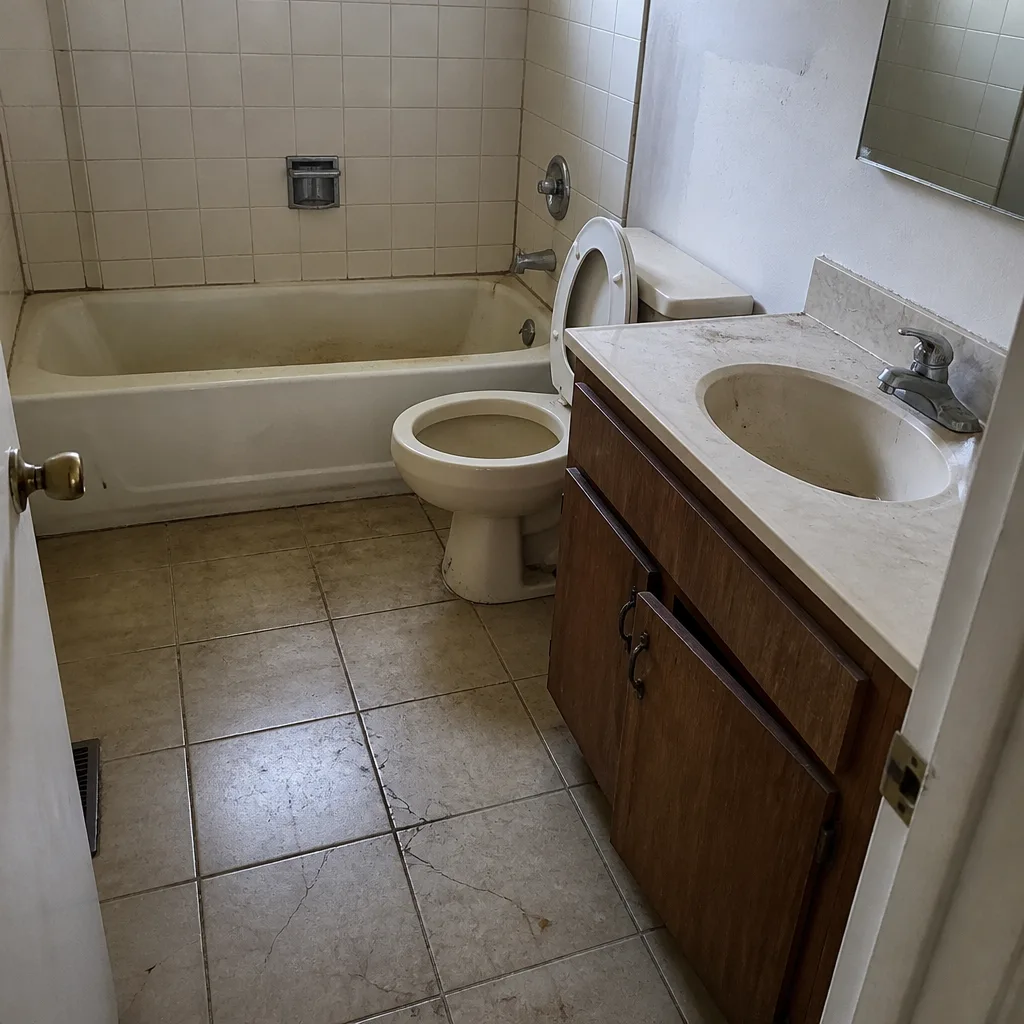 Before
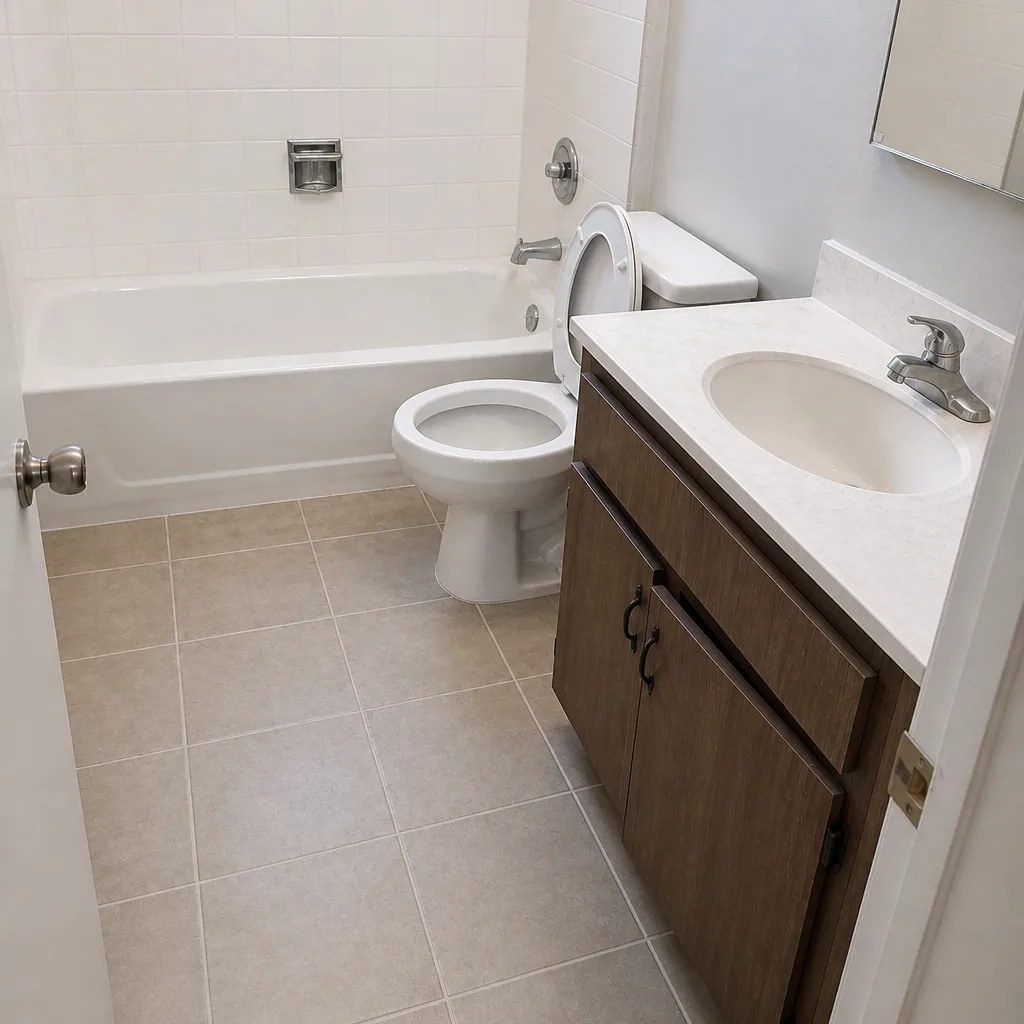 After
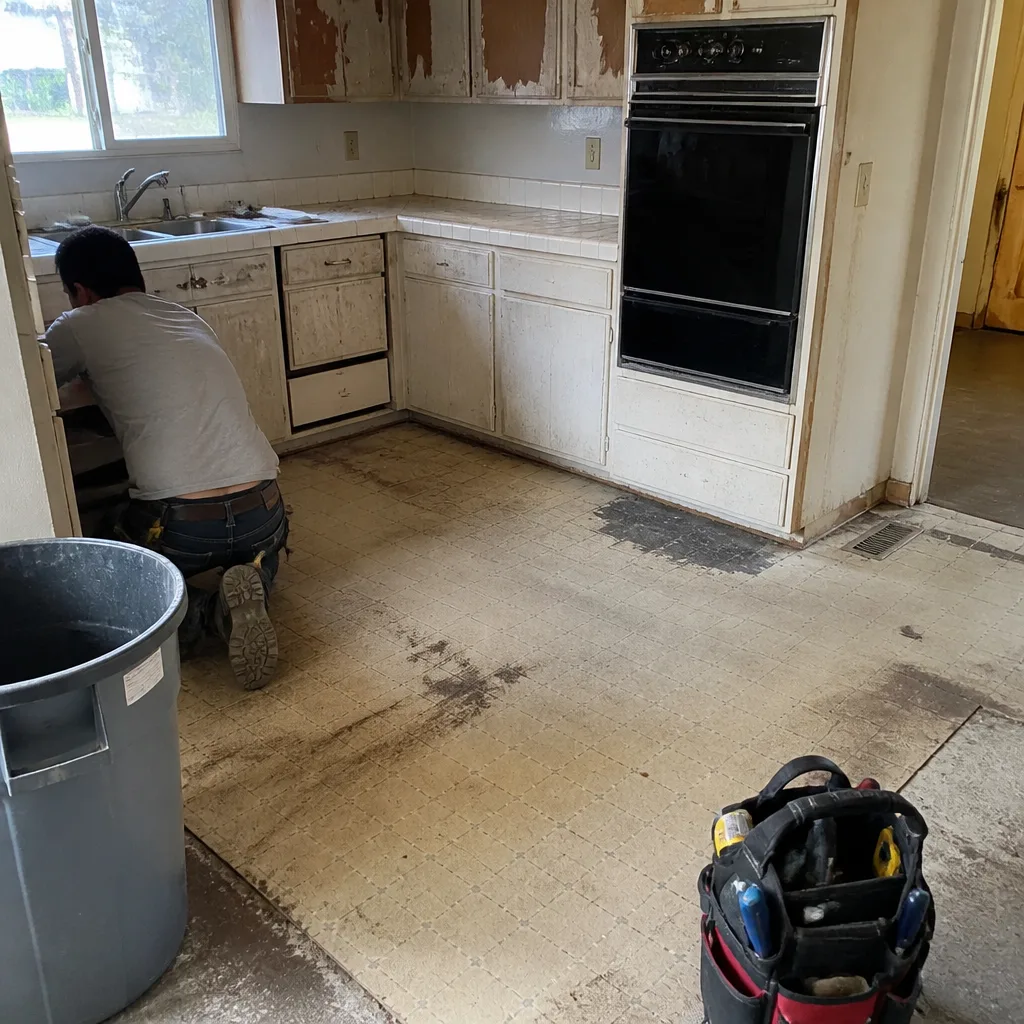 Before
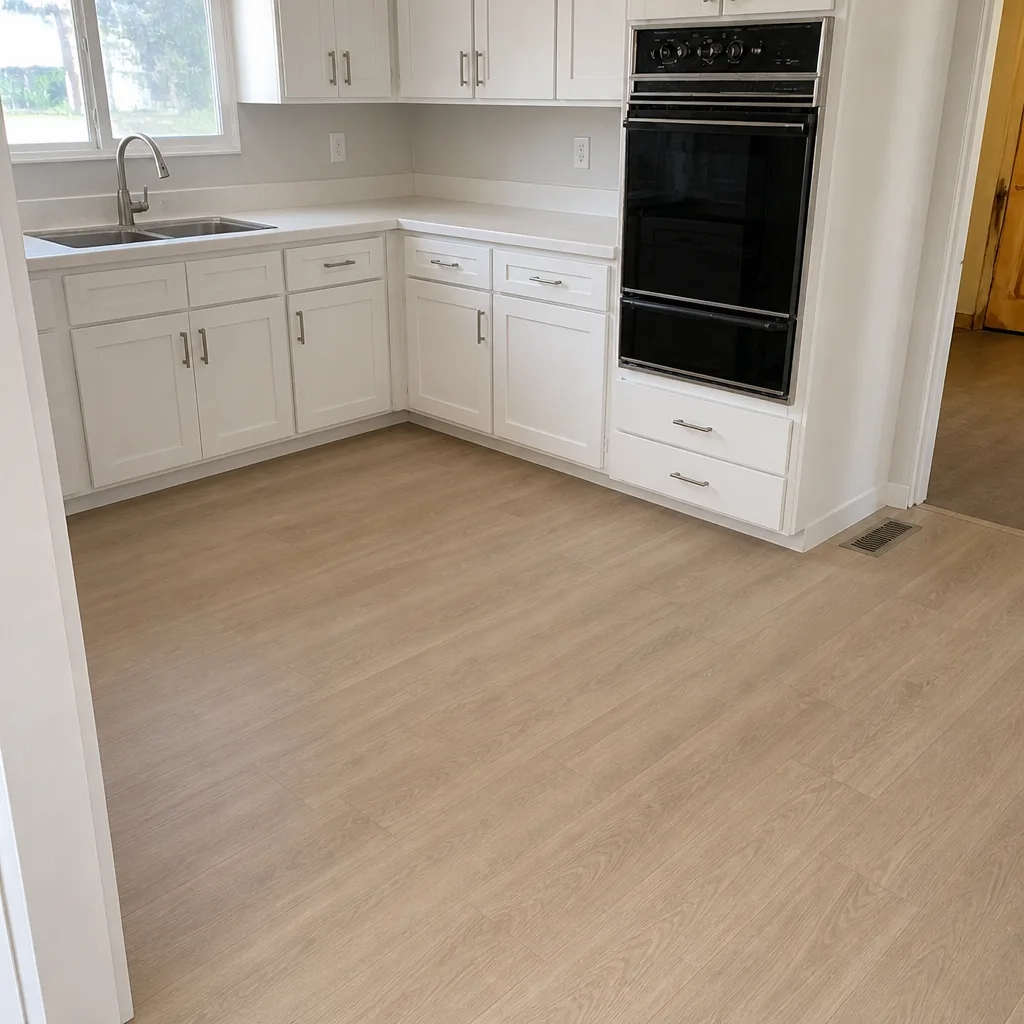 After
When to Call a Professional
Some window and door work is genuinely a pro job, and it’s worth knowing where that line sits. Call us when you’re changing the size or location of an opening, when a bedroom window or basement door touches egress, when you’re swapping materials or types, or when the frame itself shows rot, water damage, or failed seals. Those jobs involve structural framing, code compliance, and permits – not a weekend project. Drafts, foggy glass, sticking doors, and condensation between panes are all signs it’s time for a look. We give a free second opinion on any written estimate you’ve already got, and no trip charge inside the county. Barrett & Sons Construction Fremont offers free estimates in Fremont – call (833) 620-6162.
Frequently Asked Questions
Replacement windows in Fremont typically run in a wide range depending on frame material, glass ratings, and the number of units – vinyl sits at the lower end and fiberglass, wood, or premium lines at the higher end. The number that matters is the one after someone measures your actual openings, not a phone quote. Call (833) 620-6162 for an exact quote – estimates are free.
Often yes, including many like-for-like swaps, and always when you change size, material, or the egress path. It’s safer to confirm before ordering than to assume you’re exempt. We pull permits and get inspections signed on every eligible job. Call (833) 620-6162 and we’ll tell you what your specific job needs.
For fog-cooled bay-side blocks, a lower U-factor and a frame that resists moisture – fiberglass or quality vinyl – is usually the right pick. You can often tolerate a higher SHGC there because direct sun is limited. The right answer depends on which side of Fremont you’re on. Call (833) 620-6162 for a free estimate matched to your block.
Not without your signature. Every scope, every allowance, and every price change arrives as a written change order before work happens – no surprise invoices at the end. That’s written into our contracts, backed by our 90-Day Done Right Promise. Call (833) 620-6162 to schedule your free estimate.
Often yes, if your windows meet the program’s U-factor and SHGC thresholds and you document the job properly with a permit, product labels, and invoices. Program terms change, so confirm current details before you buy. Call (833) 620-6162 and we’ll help you pick qualifying windows.
Most single-window and small-batch replacements are a short job measured in hours per opening, while a whole-house swap runs longer and depends on permit and inspection timing. We’ll give you a realistic schedule in writing before we start. Call (833) 620-6162 for a free estimate.
The Bottom Line
Windows and doors in Fremont aren’t a “one size fits the Bay Area” purchase. The right U-factor, SHGC, and frame material depend on whether you’re on a foggy bay-side block, a sun-baked inland lot, or a wind-exposed ridge. Permits usually apply, even to swaps that look like-for-like, and egress rules can pull a simple job into full review. Match the product to your block, document the job so you can claim rebates, and hire someone who puts the scope, the allowances, and the price changes in writing. That’s how you get windows that actually perform here. When you’re ready to look at the whole exterior, start from the Barrett & Sons Construction Fremont home page.
Barrett & Sons Construction is owner-operated, founded in 1998, with the Barrett family on-site most days – not a call center dispatching strangers. We carry Andersen and Marvin windows, pull permits and get inspections signed on every eligible job, and back completed work with our written 90-Day Done Right Promise: if it’s not done right, one call brings us back to make it right. Our crew members have up to 28 years of experience and are background-checked and uniformed on every visit. A live person answers the phone 24/7. Current standing offers include $40 Off Any Repair Over $200, a Free Second Opinion on Any Written Estimate, No Trip Charge Inside the County, and a permanent 10% Senior & Veteran discount. Tom Barrett publishes his name, his address, and his license number – look it up before you sign anything.
Call (833) 620-6162 to schedule your free estimate. We’ll measure your openings, match the windows and doors to your microclimate, and hand you a written scope before a single nail moves.
Written by the team at Barrett & Sons Construction Fremont.