Last updated November 17, 2026
Free written scope consultation - allowances, timeline, and change-order rules on paper before a single trade is scheduled
DIY vs Professional Home Additions & ADU: What’s Safe to Do Yourself
You can legally act as your own general contractor in California for a home you live in. What the statute doesn’t tell you is that your homeowner’s insurance carrier has a separate opinion about structural work you performed yourself, and they’ll share it at the worst possible time. An addition or accessory dwelling unit is the one project on your property where the line between “I can do that” and “I shouldn’t touch that” isn’t about your skill level at all. It’s about liability, permits, and what shows up years later on a title report. This guide draws that line where it actually belongs. We’ll cover which scopes are genuinely fair game for a careful homeowner, which ones require a licensed trade no matter who owns the house, and how unpermitted work gets priced at resale. We’ve watched these questions play out on Fremont properties for years, and the answers aren’t always the ones people expect.
Quick Answer
Interior finish work, painting, landscaping, cabinet installation after rough-in inspection, and similar non-structural tasks are genuinely reasonable DIY scopes on an addition or ADU. Structural framing, electrical panel work, gas line connections, and any work requiring engineer sign-off must be performed by licensed trades in California, and homeowner-builder status does not exempt you from that. The real risk of owner-performed structural work isn’t failed inspections while you’re building, it’s insurance denials and title complications when you sell.
Styles & brands we work with
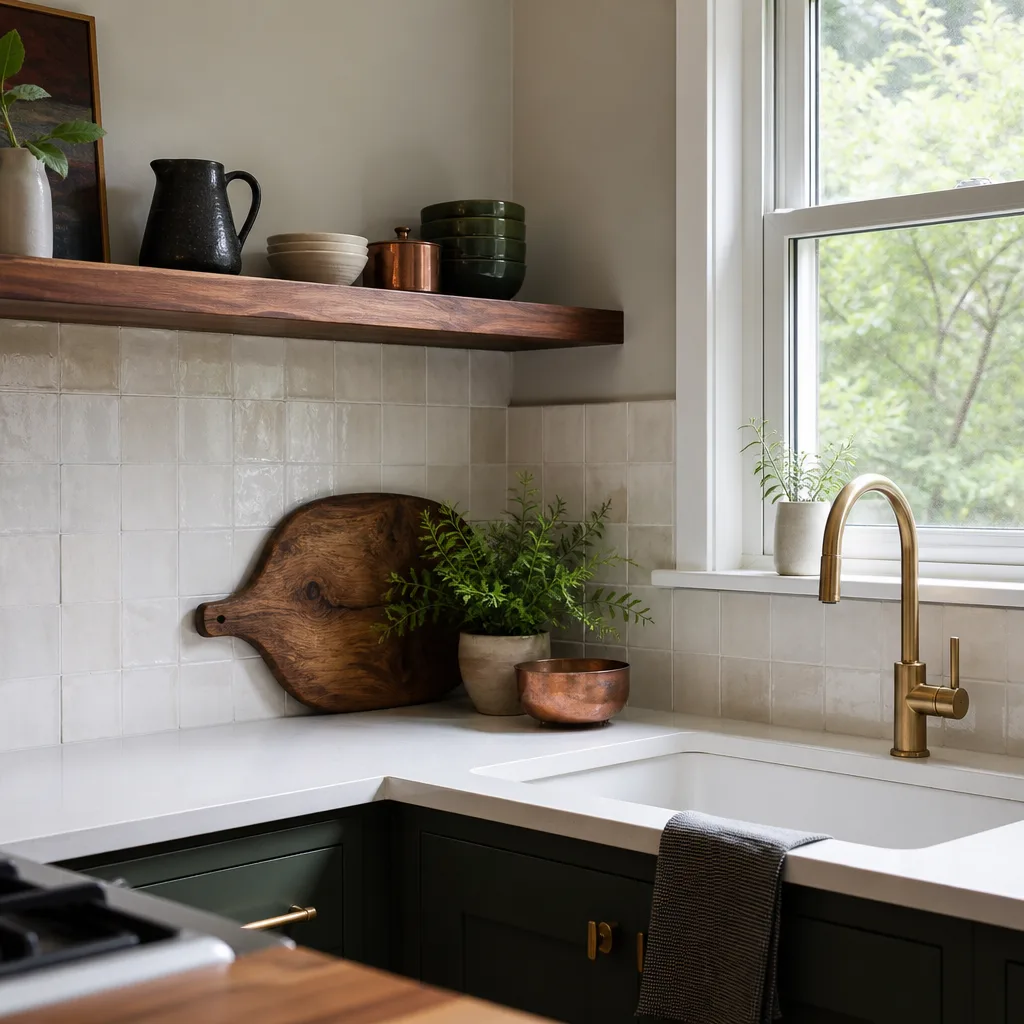
- Kitchen remodeling
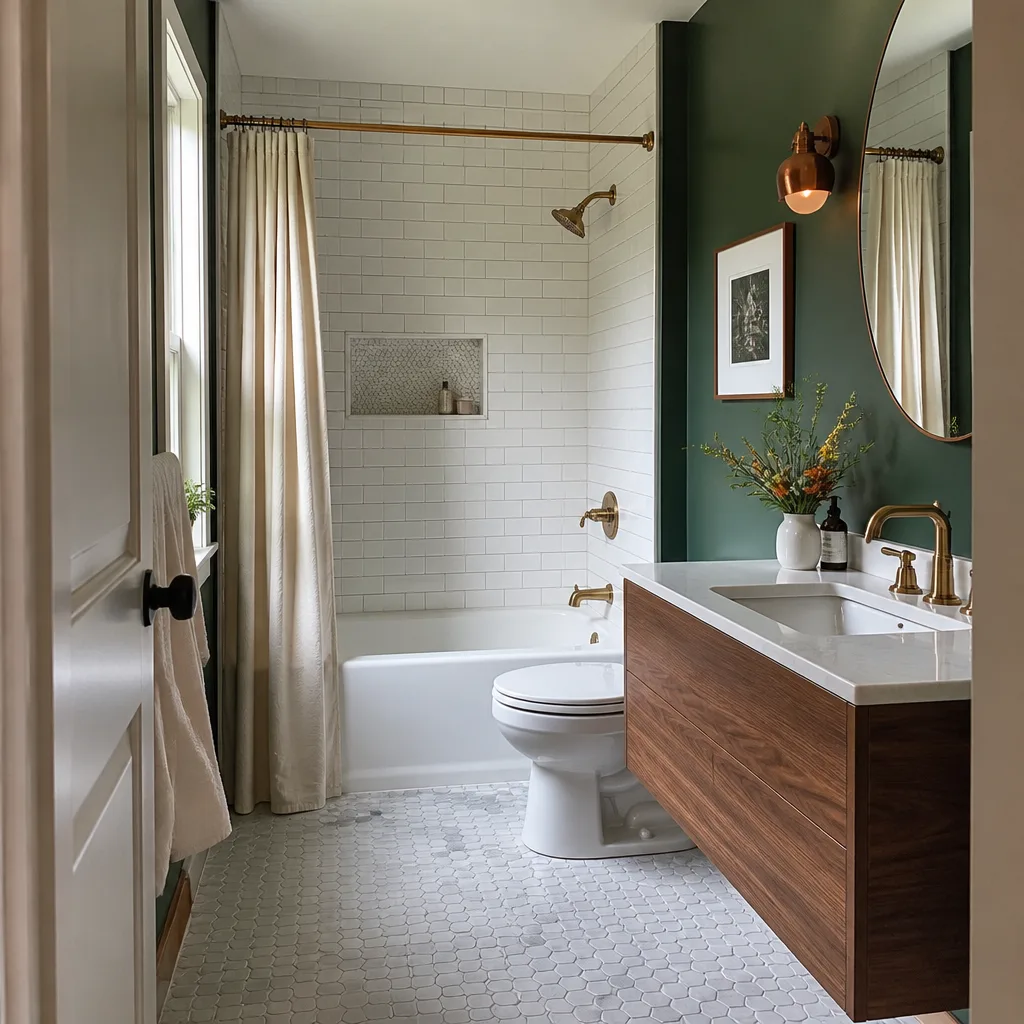
- Bathroom remodeling
- Home additions & ADU
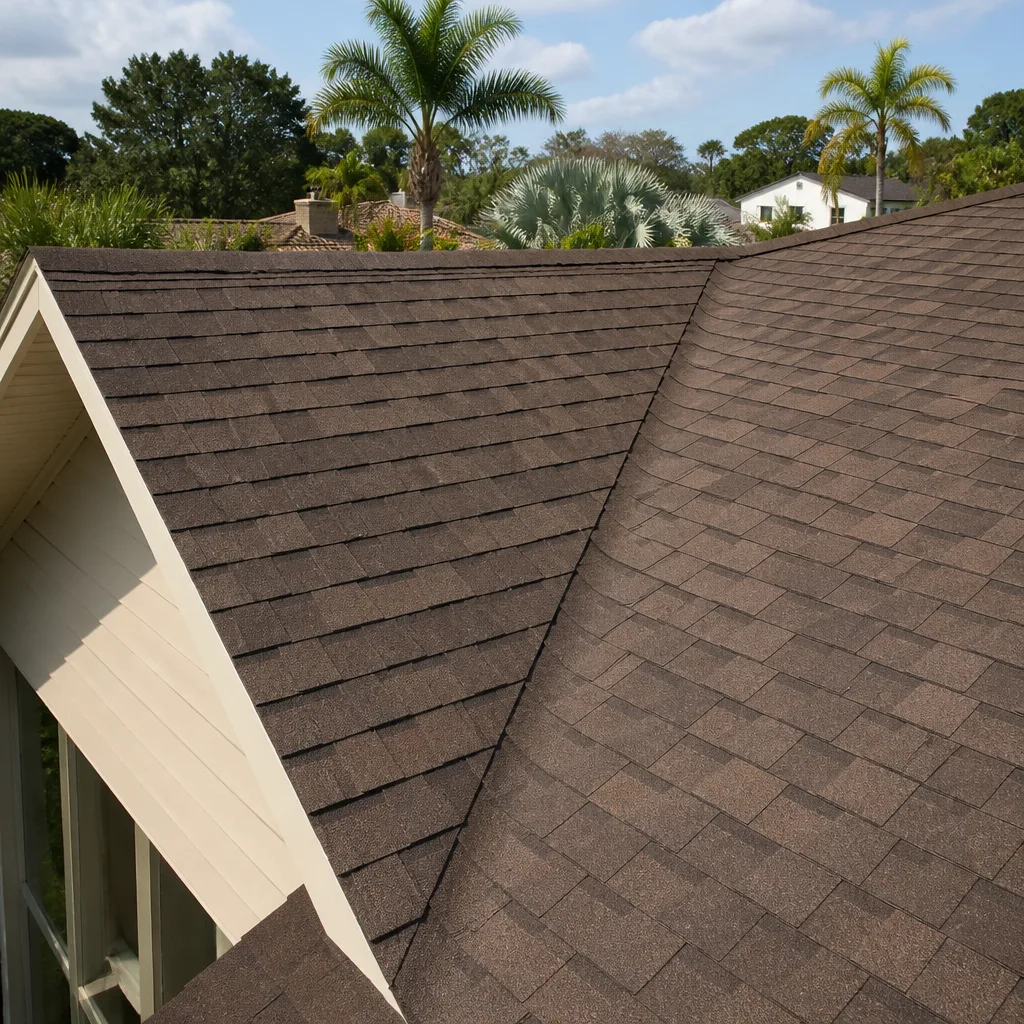
- Roofing
- Windows & doors
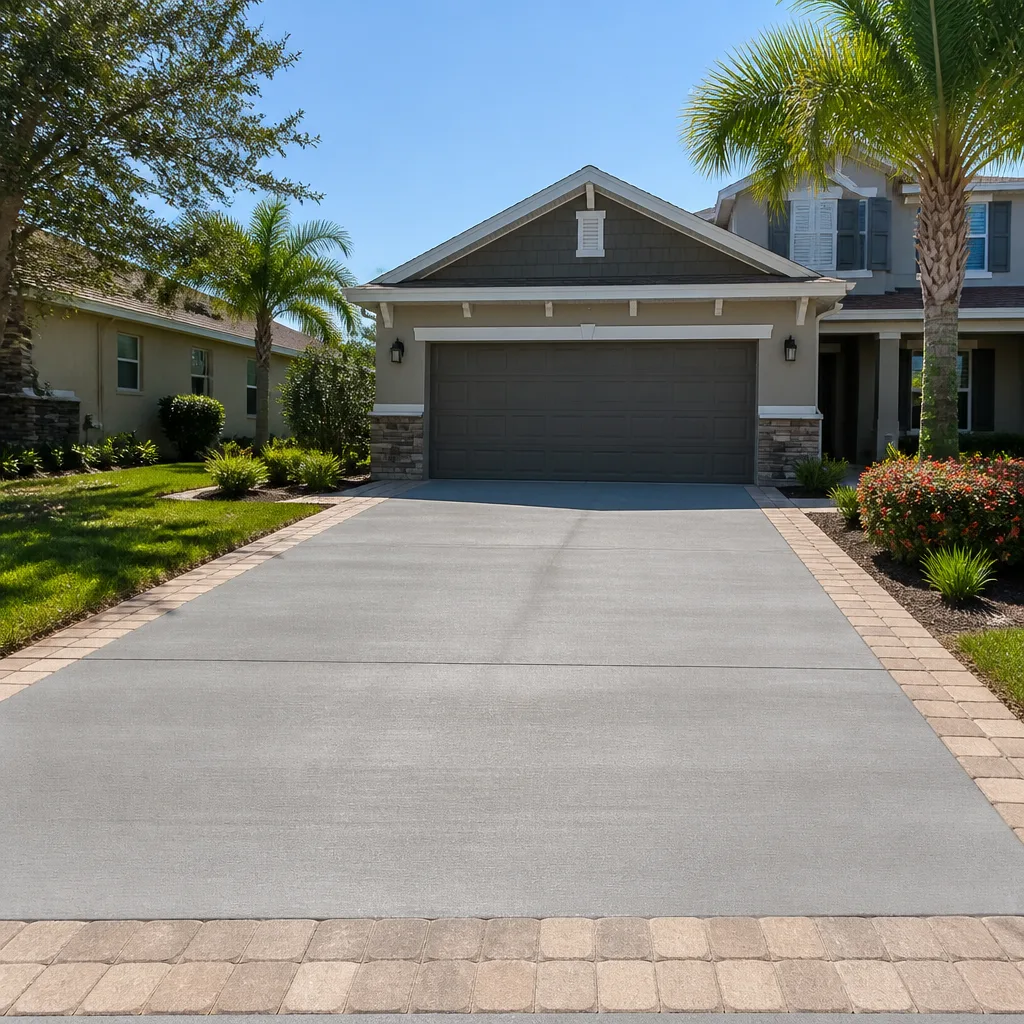
- Driveway & pavers
- Fence
Table of Contents
- What California’s Owner-Builder Rule Actually Allows
- The Work That’s Genuinely Safe to DIY
- Where the Hard Line Is in California
- The Insurance Gap Nobody Explains Up Front
- How Unpermitted Work Shows Up at Resale
- The Real Labor Savings Math
- Common Mistakes to Avoid
- When to Call a Professional
What California’s Owner-Builder Rule Actually Allows
California Business and Professions Code allows a homeowner to act as their own contractor on a home they live in, and it’s a real right, not a loophole. You can pull permits in your own name, hire subcontractors directly, and manage the sequence of trades on your own addition or ADU. What the rule doesn’t do is erase the licensing requirement for the trades themselves. The electrician still needs a license. So does the plumber. So does anyone doing work that requires a structural engineer’s stamp.
What owner-builder status really changes is your role, not your capabilities. You become the general contractor, which means:
- You’re responsible for pulling the correct permits with the City of Fremont before work starts.
- You schedule and sequence every trade, from foundation through final inspection.
- You hold the liability if a subcontractor does defective work or gets hurt on the job.
- You’re the one the inspector calls when something fails, not the framer who already cashed the check.
- You carry the workers’ comp and general liability exposure, usually by hiring only licensed and insured subs.
If you’ve managed a commercial project or worked in construction, you probably understand what that means. If you haven’t, this is the point where a lot of homeowners decide the paperwork load alone justifies hiring a general contractor. For a small interior addition on an existing Fremont ranch house with all the utilities already in place, owner-building is very doable. For a detached ADU with a new electrical service, gas line, and separate address, the complexity compounds fast.
The Work That’s Genuinely Safe to DIY
Here’s where we’re happy to say yes, do it yourself. Once the shell is up, the utilities are in, and the rough-in has passed inspection, a careful homeowner can finish a lot of an addition or ADU with their own hands. This is the work that saves real money, doesn’t jeopardize insurance, and typically doesn’t require a permit on its own.
Interior finish work. Drywall patching, trim carpentry, baseboards, closet shelving, installing interior doors in pre-framed openings. The framing underneath is already inspected, and you’re covering it up, not changing it.
Painting. Interior and exterior painting is a legitimate DIY scope on an addition, with one caveat: don’t paint over anything that hasn’t passed inspection yet. Painters can obscure the work an inspector needs to see, and that’s a re-inspection fee waiting to happen.
Landscaping around a new ADU. Grading, planting, simple hardscape borders, and fencing after the final inspection are all fair game. If you’re considering a wood or vinyl fence around the new ADU, brands like Bufftech and Master Halco are widely available to homeowners, though installation quality affects how long the material actually lasts.
Cabinet installation after rough-in. Hanging kitchen or vanity cabinets in a new ADU is genuinely finish work if the plumbing and electrical rough-in are already inspected and signed off. KraftMaid and Cambria products are sold through dealers that will work with homeowners directly. What we’d flag: measuring twice is not a cliché when the plumbing stubs are already roughed in at a fixed height.
Flooring and tile. Laying tile, installing luxury vinyl plank, or refinishing concrete floors are all reasonable DIY scopes if you’re patient. Poor installation looks bad but doesn’t threaten the structure or your insurance coverage.
- Sequence matters. Always wait for the rough-in inspection before starting finish work in that room.
- Photograph everything. Take dated photos of the walls before you cover them; they help at resale and with insurance claims.
- Respect the inspection windows. Don’t schedule trades or finish work that blocks access to something an inspector needs to see.
- Read the permit card. It lists every inspection required for the job. If you don’t understand it, ask the city.
What these scopes have in common: none of them touch the structural, electrical, or gas systems of the home, and none of them would slow down an insurance claim if something happened later. Those are the two tests that matter.
Where the Hard Line Is in California
This is where we stop saying “you can do that” and start saying “call a licensed trade,” and that’s not a sales pitch, it’s the law. California does not exempt an owner-builder from the requirement that electrical, plumbing, and mechanical work be performed by or under the direction of a licensed contractor. Some counties and cities will allow a homeowner to do electrical work on their own principal residence under specific conditions, but the City of Fremont and most Bay Area jurisdictions require licensed trades for panel work, new service connections, and gas work. Permits and inspections are non-negotiable.
The hard line applies to:
- Electrical panel work and new service connections. Any change to the main service or breaker panel on an ADU requires a licensed electrician and an electrical permit. This is also where the safety stakes are highest: an improperly wired panel is a fire risk for every person in the home, and a bad connection can be lethal before you notice the smell of hot plastic.
- Gas line connections. Ran gas lines and connections to appliances must be done by a licensed plumber or gas contractor. Gas leaks are silent and fatal; this is not a scope we recommend anyone attempt to learn.
- Structural framing requiring engineer sign-off. New load-bearing walls, floor and roof framing on an addition, and any connection between the addition and the existing structure need stamped plans and licensed framing carpenters.
- Foundation and concrete work. Foundation design, reinforcement, and placement require engineered plans and a licensed contractor.
- Roofing. You can repair a flashing detail on a low garage roof if you’re comfortable with heights, but roofing on an addition at second-story height is a genuine fall risk and typically requires a licensed roofer. If you’re bringing in a contractor for this scope, our Barrett & Sons Construction Fremont home page explains how we handle roofing alongside the rest of the build.
We’ve watched homeowners try to save a few hundred dollars by running their own electrical to a new subpanel on an ADU and then pay four figures to have it fixed and re-inspected. The savings rarely survive the inspection.
The Insurance Gap Nobody Explains Up Front
Most homeowner policies include a clause that excludes damage caused by uncertified or unpermitted structural modifications, and this exclusion is rarely disclosed when you take out the policy. You find out about it when you file a claim. If a fire starts in an electrical panel you wired yourself on an owner-built ADU, your carrier can deny the claim on grounds that the work was not performed by a licensed trade. The same applies to a roof that leaks after owner-installed roofing on an addition, or a wall that moves after owner-framed structural work.
The gap isn’t hypothetical. In our experience, the conversation usually goes like this: a Fremont homeowner finishes an owner-built ADU over a summer, feels good about the money saved, and renews their policy the following year without a second thought. Two years later, a supply line fails and floods the new unit. The carrier sends an adjuster, the adjuster asks for the permits and inspection records, and the claim gets denied or partially denied because the plumbing rough-in wasn’t signed by a licensed plumber. The repair is out of pocket.
Two things you can do even if you’re doing extensive DIY:
- Call your insurance carrier before you start. Ask specifically how they want owner-builder structural work documented, and get their answer in writing.
- Keep every permit, inspection card, and licensed trade invoice. These are your proof that the work was done right if a claim ever gets filed.
An independent insurance agent can review the exclusion language with you in fifteen minutes. It’s the cheapest hour of an ADU project you’ll ever spend.
How Unpermitted Work Shows Up at Resale
Unpermitted owner-performed work doesn’t disappear. It shows up on a title report, on the city’s permit history, or on a buyer’s disclosure form, and the cost of remediation is almost always higher than doing it right the first time. Here’s what we actually see in the Fremont market:
- Discovery at listing. A buyer’s agent pulls the permit history from the City of Fremont. If an ADU or addition doesn’t appear, the question gets asked, and the deal stalls until the seller produces records or gets a permit retroactively.
- Retroactive permits. Getting a permit after the fact requires opening walls for inspection, re-doing any work that doesn’t meet current code, and paying plan check and inspection fees retroactively. In our experience, retroactive permits on a 500-square-foot ADU addition typically run $8,000 to $20,000 in fees, reopening costs, and required corrections, plus the disruption to the finished interior.
- Appraisal and financing. Unpermitted square footage often doesn’t count toward appraised value, which can shrink a buyer’s loan and kill the sale.
- Buyer concessions. Even when the deal closes, buyers on a Fremont property with unpermitted work frequently negotiate a $15,000 to $40,000 credit to cover the remediation risk.
- Insurance and disclosure. Sellers are required to disclose known unpermitted work, and buyers increasingly walk away from anything that isn’t fully permitted.
The math doesn’t work. A homeowner saves a few thousand dollars on permits during construction and pays two to five times that back at resale. For a deeper look at what a permitted addition or ADU actually involves in this city, our guide to Home Additions and ADU in Fremont walks through the permitting sequence we follow on every qualifying job.
The Real Labor Savings Math
Here’s what the savings actually look like on a typical 600-square-foot ADU. The numbers are rough, but they’re grounded in what we see on Fremont projects:
- Interior finish labor (drywall finishing, trim, interior doors, painting): $8,000 to $16,000 in labor. A patient, careful homeowner can genuinely save this.
- Cabinet and millwork installation: $2,500 to $5,000 in labor if the rough-in is already done. Reasonable DIY scope.
- Flooring and tile labor: $3,000 to $8,000 depending on material. Good DIY scope if you’ve done it before.
- Landscaping and fencing around the ADU: $2,000 to $6,000 in labor. Good scope.
- Total realistic DIY savings: $15,000 to $35,000.
Now the risk side:
- One re-inspection failure on framing: $1,500 to $4,000 in required corrections plus delay costs.
- One electrical panel correction after an owner attempted the work: $2,500 to $6,000.
- One retroactive permit after the fact: $8,000 to $20,000.
- One insurance claim denial after unpermitted structural work: full repair cost, out of pocket.
- One sale derailed at appraisal: potentially six figures in negotiated concessions and delays.
The conclusion is uncomfortable: DIY finish work is genuinely worth doing. DIY structural or trade work is where the savings disappear and then multiply as losses. If you’re bringing in licensed trades for the structural and mechanical scopes and doing the finish work yourself, you’re in the smart zone. If you’re doing everything yourself, you’re probably not.
Common Mistakes to Avoid
- Starting work before the permit is issued. Pulling the permit after the foundation is poured means the city can require you to expose or redo work they can’t see. In Fremont, that’s a costly correction at every stage.
- Assuming homeowner status exempts you from licensing requirements for electrical and gas. It doesn’t, no matter what you heard from a neighbor who did it anyway.
- Skipping the rough-in inspection to save a week. The rough-in inspection exists so the inspector can see the plumbing and electrical before drywall covers it. Skipping it means the final inspection fails and your finish work gets torn open.
- Not telling your insurance carrier. Most homeowner policies require you to disclose major structural changes to the home. An unpermitted ADU can void coverage on a claim you didn’t see coming.
- Letting a subcontractor work uninsured on your owner-built project. If a framer falls off your addition and doesn’t have workers’ comp, that liability comes back to you, the owner-builder. Always verify insurance certificates before any trade sets foot on site.
- Managing inspection sequence from memory instead of the permit card. Every permit lists the required inspections in order. Check the card before you assume you’re ready to move forward.
- Buying materials based on finish trade pricing, not rough-in sequencing. Finish products sit in a garage for three months if the rough-in takes longer than expected, and return windows close. Time material purchases to the inspection schedule, not the other way around.
One more we’ll add: scheduling neighbors’ fence installation around the ADU before the ADU has passed its final inspection. In Fremont, a fence installation in Fremont done before the ADU is finalized can block inspector access to the side yard. Sequence the fence last.
When to Call a Professional
Call a licensed contractor when the scope touches anything structural, electrical, mechanical, or gas. That’s the line. If you’re framing, running a new service panel, running gas to a new ADU kitchen, installing a roof over the addition, or pouring a foundation, you need a licensed trade, and in many cases a general contractor to coordinate the whole job. The other scenario where a professional is worth it: when you’re doing extensive DIY on the finish work but want a licensed contractor running the permitting, inspections, and trade coordination. That split is common and it’s how a lot of homeowners in this area actually build their ADU.
Barrett & Sons Construction Fremont offers free estimates in Fremont. Call (833) 620-6162 to talk through the scopes you’re planning to DIY and the ones we’d recommend keeping licensed. If you’re also considering hardscape around the new ADU, our Driveway and Pavers in Fremont page covers what’s realistic to install as an addition is being finished.
See the difference
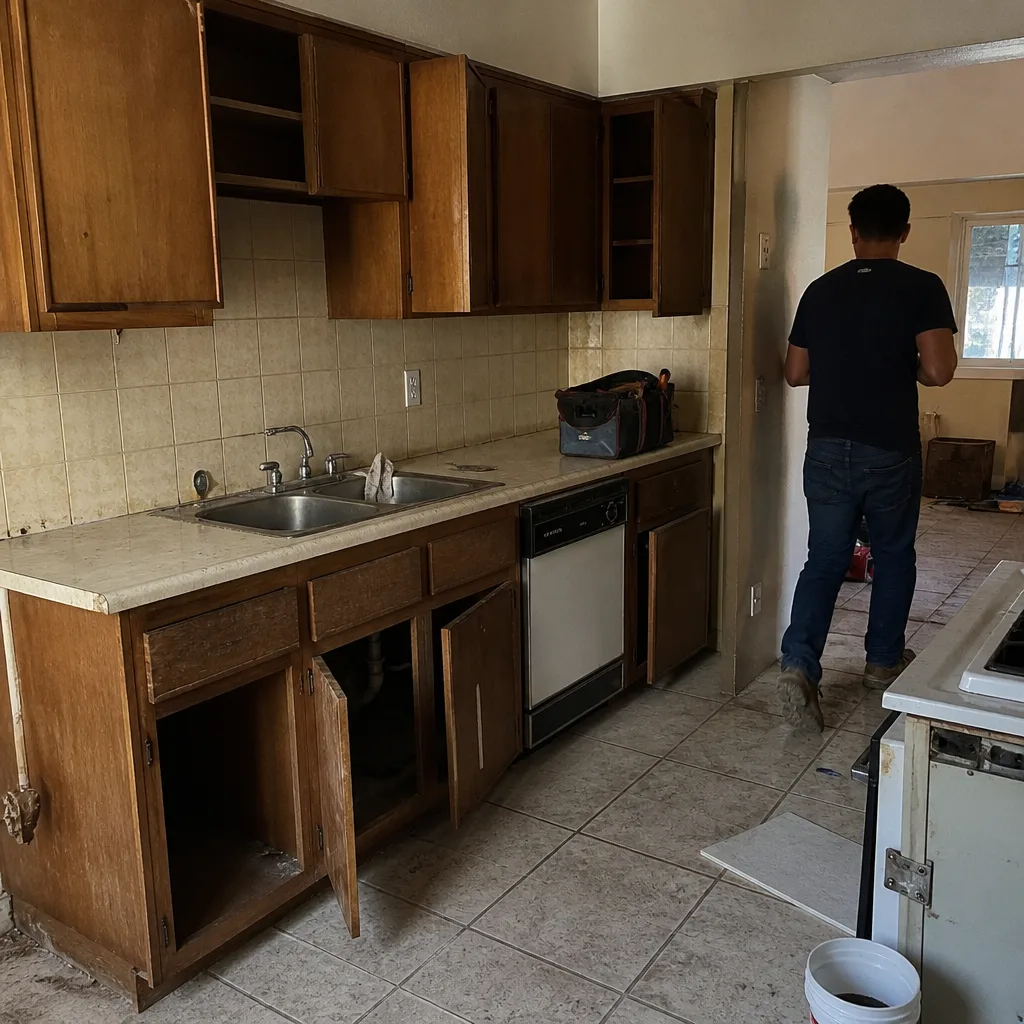 Before
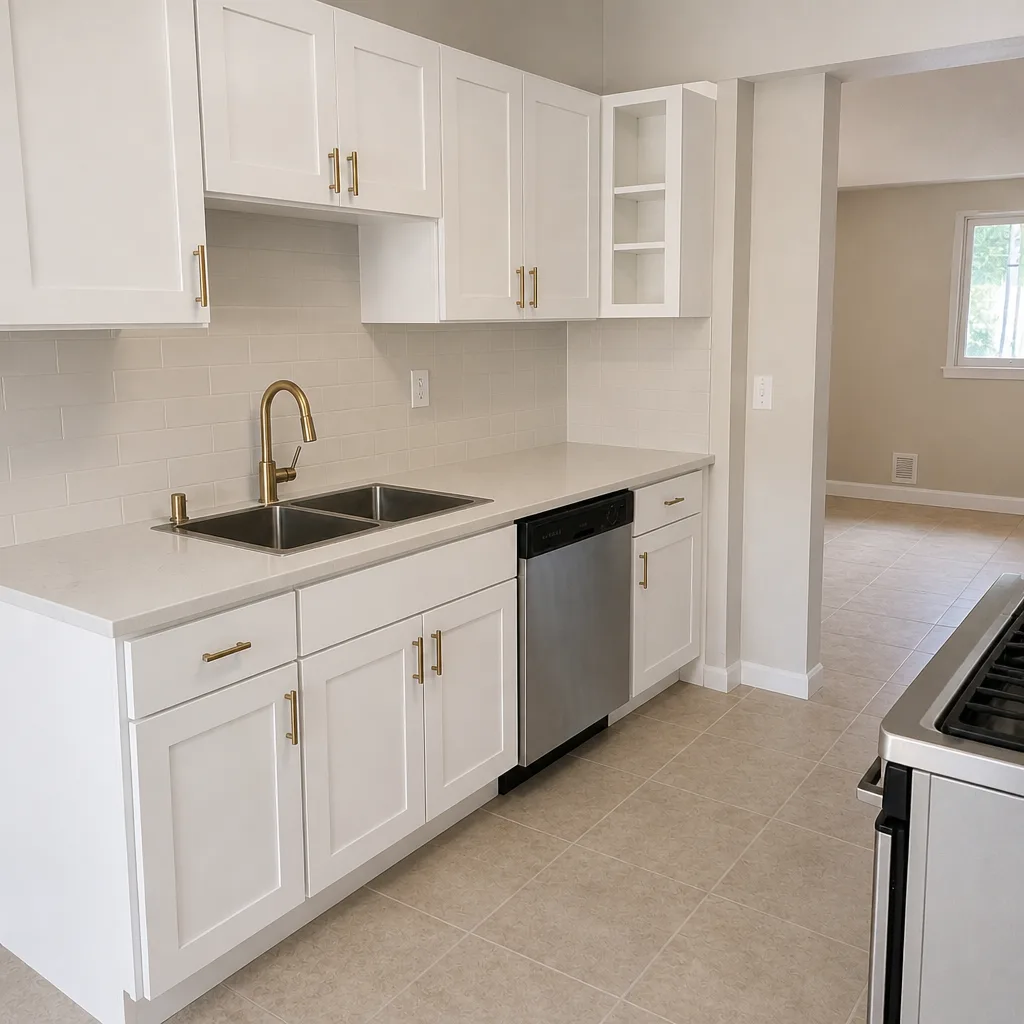 After
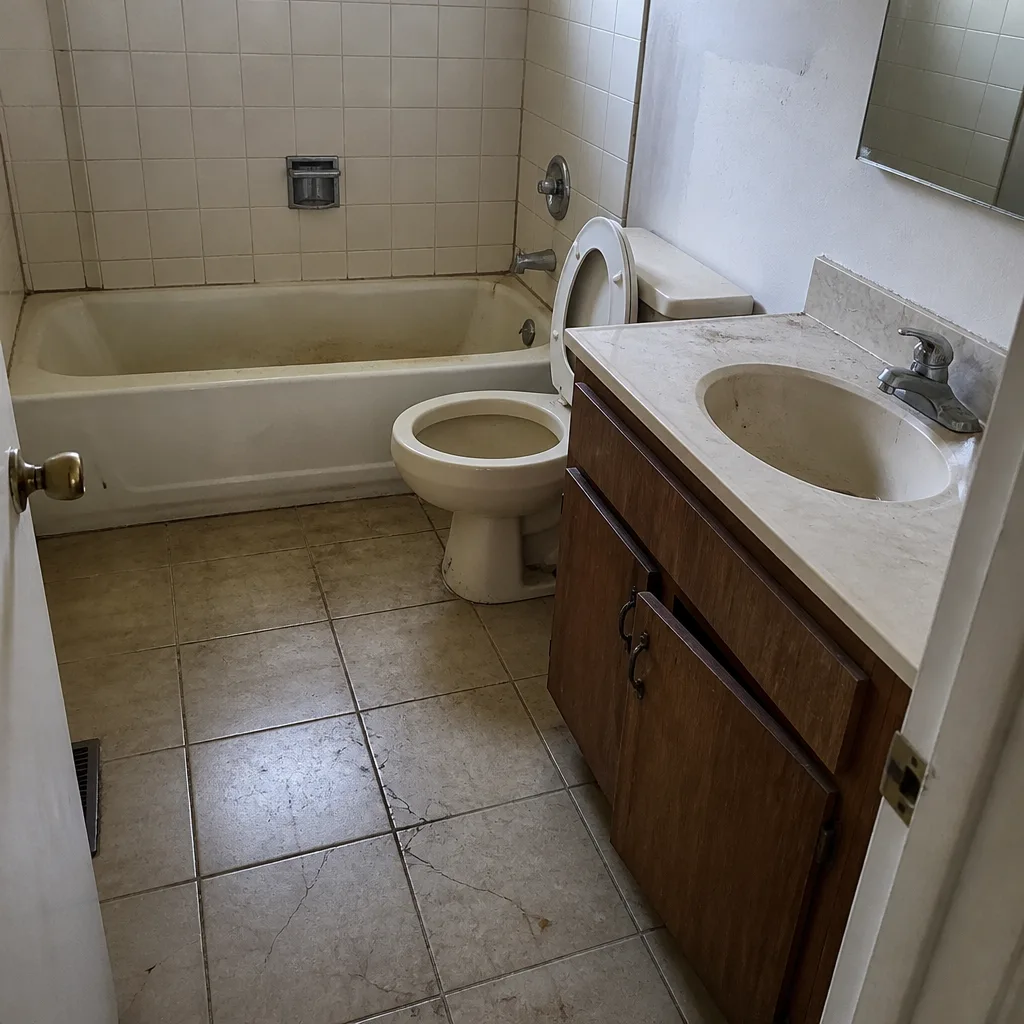 Before
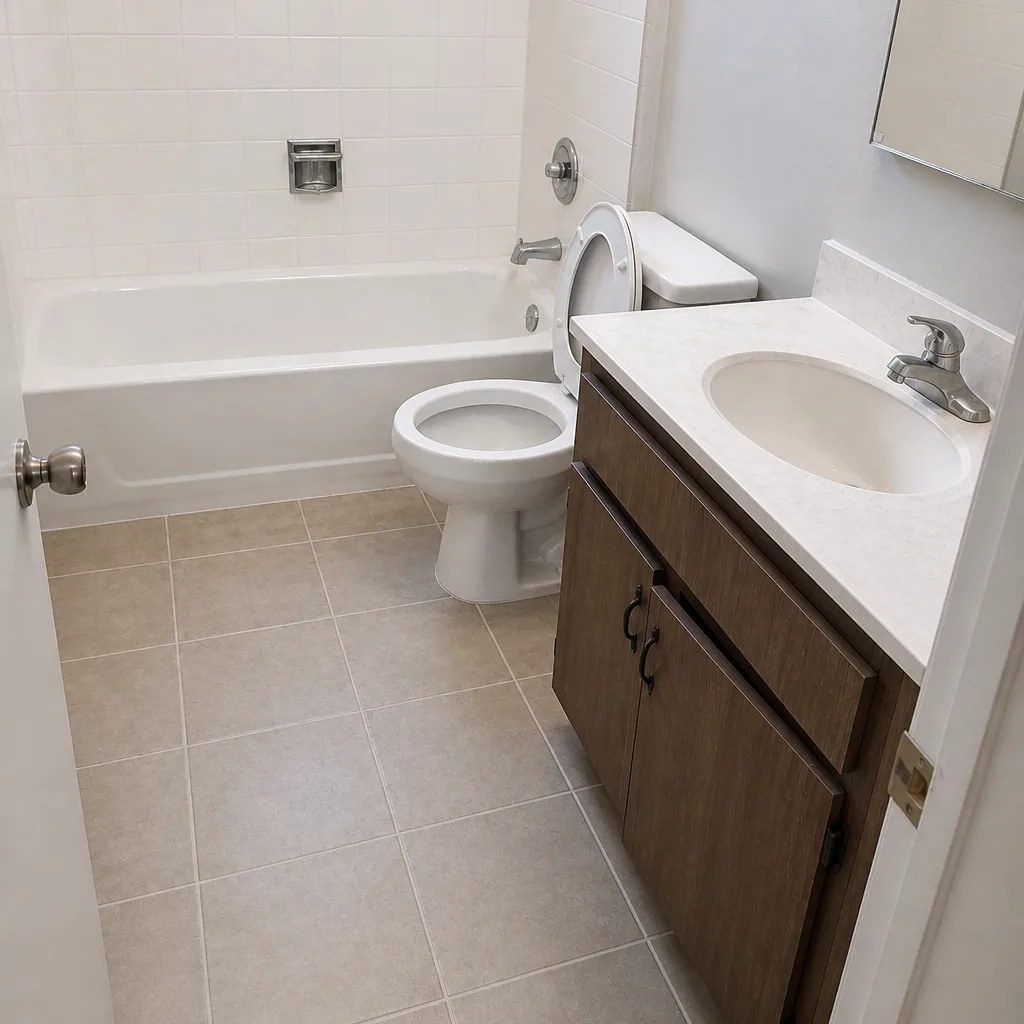 After
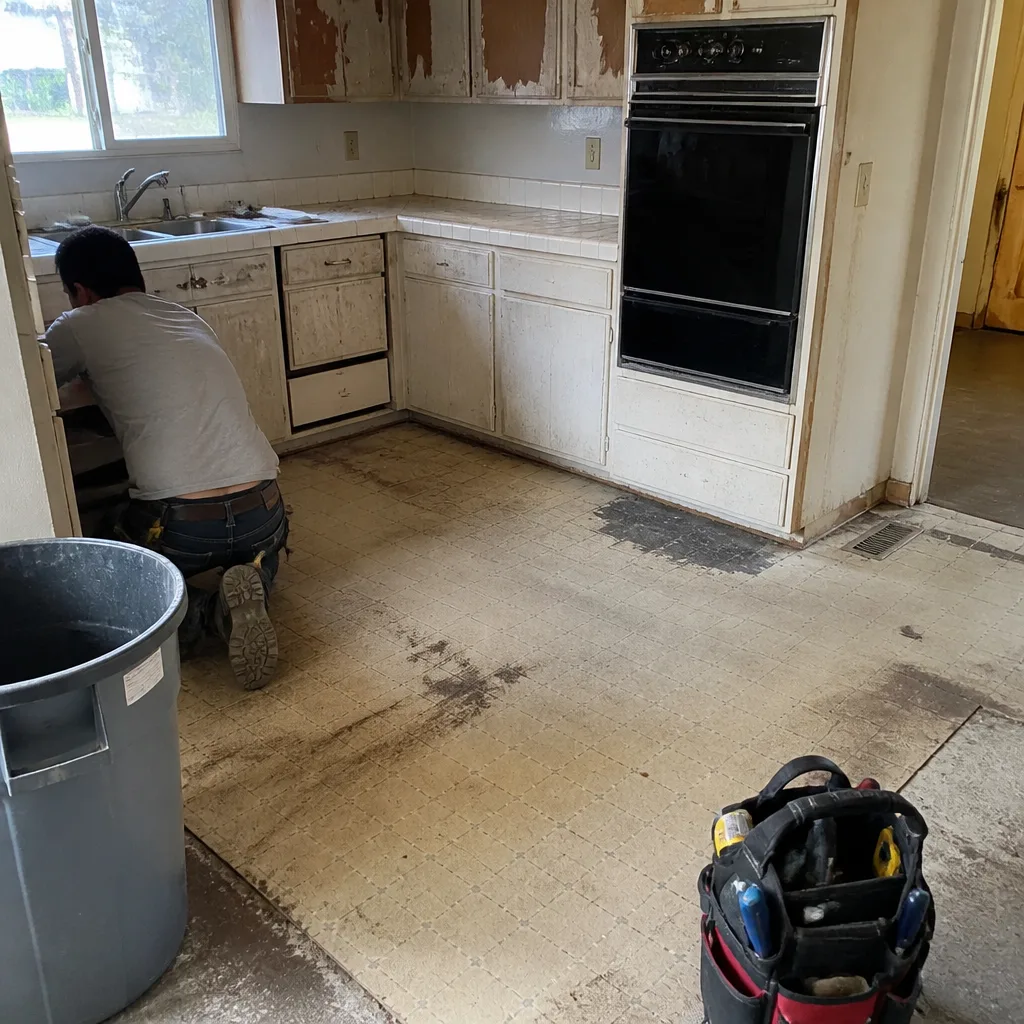 Before
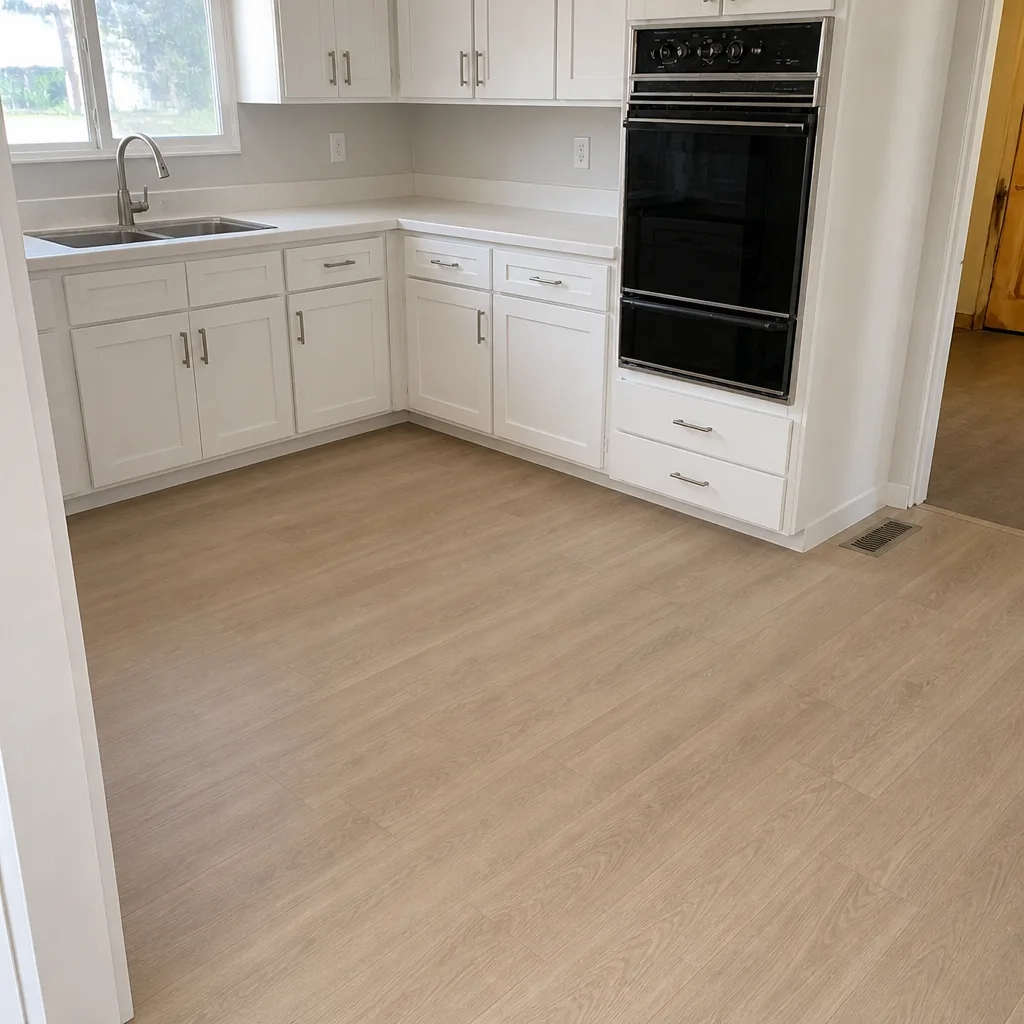 After
Frequently Asked Questions
Yes. California law allows a homeowner to act as their own contractor on a home they live in, including pulling permits on an ADU. What the owner-builder rule doesn’t do is exempt you from the licensing requirement on electrical, plumbing, and structural work. You can run the project as the general contractor while still hiring licensed trades for the scopes that require them.
Often not, at least not fully. Most homeowner policies exclude damage caused by unpermitted or uncertified structural work, and this comes up at claim time, not at policy issuance. Call your carrier before you start and get their documentation requirements in writing. If any part of the structural, electrical, or plumbing work is being done by a licensed trade, keep every invoice and inspection record.
In our experience, retroactive permits on a 500-square-foot ADU typically cost $8,000 to $20,000 in fees, reopening costs, and required code corrections, plus the disruption to finished interior surfaces. The final number depends on how much work has to be exposed and corrected. Call (833) 620-6162 for an honest read on your specific situation before you assume the worst.
In some jurisdictions and under specific conditions, yes, but the City of Fremont and most Bay Area cities require licensed electricians for panel work, service connections, and new circuits. Even where homeowner electrical work is technically allowed, an improperly wired panel is a fire and electrocution risk that we strongly recommend leaving to a licensed electrician. The cost of a licensed electrician is small next to the risk.
Usually not, if the rough-in has already been inspected and signed off. Drywall finishing, trim, interior doors, painting, flooring, and cabinet installation generally don’t require separate permits once the underlying framing and rough-in are inspected. Check with the City of Fremont for any specific scope questions, and take dated photos before you close up any wall.
The final inspection fails, and the correction can require reopening finished work to expose what the inspector needs to see. The rough-in inspection exists specifically to avoid that. Check the permit card before moving to the next phase, and never cover plumbing or electrical before it’s been signed off.
The Bottom Line
Interior finish, painting, cabinet installation, flooring, and landscaping around a new ADU are genuinely reasonable to do yourself. Structural framing, electrical panels, gas lines, foundations, and roofing all require licensed trades in California, and owner-builder status doesn’t change that. The savings from DIY finish work are real, often $15,000 to $35,000 on a 600-square-foot ADU, but the losses from unpermitted structural work at resale or insurance claim time are bigger. Draw your own DIY line at liability, not skill. Then call in licensed trades for everything else, and let the permit inspector do his job. He works for you.
Barrett & Sons Construction Fremont is the owner-operated alternative to national firms that quote one price and bill another. Every scope, allowance, and price change arrives as a written change order before work happens, every eligible job includes permits pulled and inspections signed, and every completed job is backed by the written 90-Day Done Right Promise. We install premium brands across every trade: KraftMaid and Cambria in kitchens, GAF and CertainTeed on roofs, Andersen and Marvin on windows, Belgard and Techo-Bloc on hardscapes, and Bufftech, Ameristar, Master Halco, and Jerith on fences. A live person answers the phone, and our published standing offers include $40 Off Any Repair Over $200, a Free Second Opinion on Any Written Estimate, No Trip Charge Inside the County, and a permanent 10% Senior and Veteran discount. Call (833) 620-6162 for a free estimate and we’ll walk your scopes with you, DIY and licensed alike.
Written by the team at Barrett & Sons Construction Fremont.