Last updated November 17, 2026



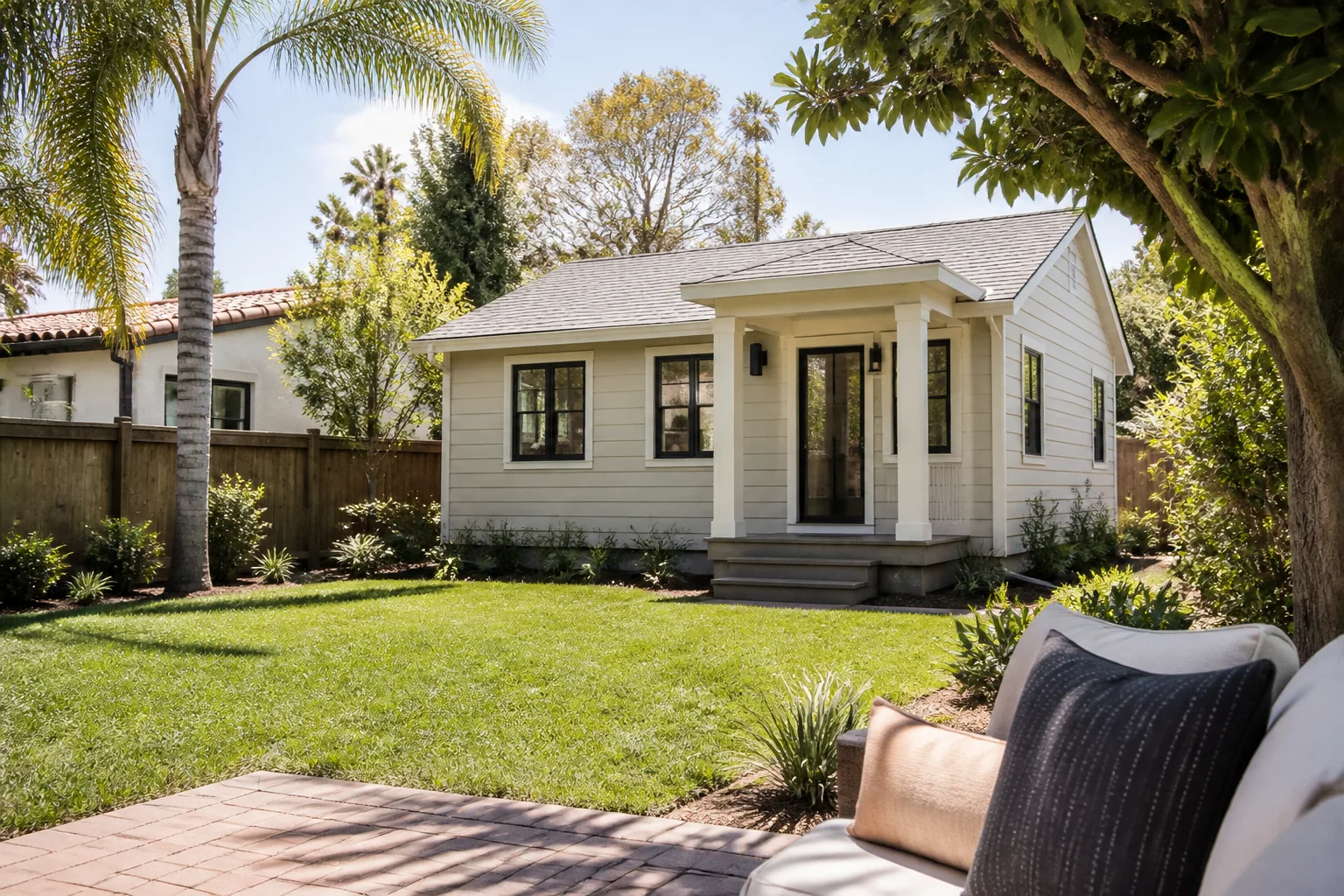
Free written scope consultation - allowances, timeline, and change-order rules on paper before a single trade is scheduled
DIY vs Professional Construction: The Fremont Homeowner’s Decision Guide
California is one of the strictest states in the country for unlicensed contractor work, and the homeowner exemption that lets you legally do your own work has a specific limit most people don’t learn about until they’re trying to sell the house. That limit changes the whole DIY conversation in Fremont. It’s not really about whether you’re handy. It’s about which projects create legal liability, jeopardize your homeowner’s insurance, or turn into a resale headache if they’re done without a permit. Here’s what you need to know before you pick up a hammer or sign a bid.
Quick Answer
In Fremont, you can legally DIY cosmetic work, painting, demolition, and most finish carpentry without a license. But anything that touches structural framing, electrical panels, gas lines, or requires a building permit should go to a licensed, insured professional, because unpermitted work has to be disclosed when you sell and can stall a buyer’s loan at closing. The right call depends on three things: whether a permit is required, what failure would cost, and who carries the liability if something goes wrong.
Styles & brands we work with
- Kitchen remodeling
- Bathroom remodeling
- Home additions & ADU
- Roofing
- Windows & doors
- Driveway & pavers
- Fence
Table of Contents
- The California Homeowner-Builder Exemption: What You Can Actually Do Yourself
- Where DIY Costs More Than Hiring Out in the Bay Area
- How Unpermitted DIY Work Affects a Fremont Home Sale
- The Five-Question Skill and Time Audit
- The Middle Path: Mixing Your Labor With a Licensed Contractor
- What Needs a Permit in Fremont (and What Doesn’t)
- Common Mistakes to Avoid
- When to Call a Professional
The California Homeowner-Builder Exemption: What You Can Actually Do Yourself
California law allows a homeowner to build or improve a single-family residence on their own property without a contractor’s license, provided they do the work themselves rather than hiring unlicensed help. That’s the homeowner-builder exemption under Business and Professions Code Section 7044. It sounds generous. The catch is buried in the details, and it’s the part most Fremont homeowners don’t know.
The exemption covers a home the owner occupies, and the work still has to pass inspection. It doesn’t exempt you from pulling a permit. It doesn’t cover work you do for hire on someone else’s house. And if you hire anyone to help who isn’t an employee or a licensed tradesperson, you can be treated as an unlicensed contractor yourself. That distinction matters a lot in Fremont, where a surprising number of homeowners hire a “friend who does this on the side” and end up in exactly that position.
What the exemption lets you do yourself:
- Interior and exterior painting
- Cosmetic updates like tile, trim, and finish carpentry
- Non-structural demolition (with the proper permits and debris handling)
- Landscaping that doesn’t affect grading or drainage
- Cabinet refacing, shelving, and most built-ins
What it does not let you do without a licensed contractor and permitted inspection: electrical panel replacements, gas line work, structural modifications, new roof installations that require permit sign-off, and anything that could affect fire safety or structural integrity. We’ve seen plenty of Fremont homeowners who were fully capable of the carpentry but had no business opening a panel or cutting into gas. That’s not a knock on their skill. It’s a recognition that some work carries consequences a homeowner can’t insure their way out of.
Where DIY Costs More Than Hiring Out in the Bay Area
In most of the country, DIY saves money on labor. In the Bay Area, three project types flip that math because the cost of doing them wrong is so high. In our experience working across Fremont, the projects that almost always cost more to DIY than to hire out are these:
- Electrical panel work. A panel replacement or sub-panel upgrade runs $2,500 to $6,500 professionally in the East Bay. A DIY attempt that fails inspection or causes a fire claim can cost five figures in remediation, plus the risk that your insurer declines to cover the resulting damage. This work is not a place to teach yourself.
- Anything touching gas lines. Gas line modifications for a stove, dryer, or furnace require a permit and a licensed professional. A leak doesn’t announce itself. The permit inspector works for you, not for us; that’s why we like him. The same inspector, however, will fail an unpermitted gas line and require you to redo it, which is a very expensive way to save $400 in labor.
- Structural modifications. Removing a load-bearing wall, cutting a beam, or opening a header almost always requires an engineer’s stamp in Alameda County. The engineer visit alone runs $600 to $1,500, plus the permit, plus the inspection. This is not work a homeowner can do without those stamps on file, no matter how skilled they are with a saw.
Compare those risks to refinishing a floor or building a shelf unit, where DIY clearly wins on cost. The difference is whether a mistake is annoying or catastrophic. When a mistake has catastrophic potential, the honest math always says hire.
How Unpermitted DIY Work Affects a Fremont Home Sale
Alameda County requires sellers to disclose all known unpermitted work on the Transfer Disclosure Statement. That means anything you built, wired, plumbed, or framed without pulling a permit becomes a formal, written disclosure the day you list. In a Fremont market where most buyers are using a conventional lender, that disclosure creates a chain reaction that can cost far more than the original permit would have.
Here’s how it typically plays out:
- The seller discloses unpermitted work (a finished garage, a new bathroom, an added room).
- The buyer’s lender orders an appraisal and, in some cases, a Retrofit or permit history check.
- The appraiser notes the discrepancy between recorded square footage and actual square footage.
- The lender requires the seller to pull a retroactive permit and bring the work up to code before closing, or the buyer walks.
- Retroactive permits require opening walls, redoing rough work to current code, and passing inspection. The bill often runs $8,000 to $30,000, and it always takes longer than a buyer’s patience for a closing window.
The retroactive permit process isn’t a way around the rule. It’s a penalty for skipping it. That’s why we pull permits and sign inspections on every eligible job, and why we put every scope change in a written change order before work moves. Scope in writing means fewer surprises down the road, and it means a clean permit history when you go to sell. If you’re looking at the bigger picture of what your house can become, a look at our page on home additions and ADU work in Fremont shows what the permitting side of a larger project actually looks like.
The Five-Question Skill and Time Audit
Before deciding to DIY any project, ask yourself five questions. Not just “can I do this,” but “what does failure cost here, and who bears it.” We’ve seen dozens of Fremont homeowners skip this step and regret it. Answer these honestly and the choice usually makes itself.
- Does this require a permit? If yes, confirm you’re legally allowed to pull it as the homeowner (you are, for occupied single-family homes). If it’s gas, electrical panel, or structural, the permit requires a licensed pro. That answers the question.
- What does failure cost here? A failed paint job costs a weekend. A failed gas line costs a house, or worse. A failed shower pan costs $4,000 in floor and subfloor repair. Rank your project by the cost of getting it wrong.
- Who bears the liability if something goes wrong? If you’re covered by your homeowner’s policy and a contractor’s license is involved, someone has an insurance policy. If you’re flying solo and you made the call, you do. That’s fine for a deck stain. Not fine for a panel.
- How long will this realistically take? Not your best-case estimate. Your second-worst-case. If the answer balloons past three weeks with a family living in the house, professional labor is often cheaper than a hotel or a stalled kitchen.
- Will a future buyer care? If the work would appear on a disclosure statement, plan for it. If it’s cosmetic and reversible, DIY is fine and won’t clutter your file.
Answer those five, write the answers down, and let the answers pick the path. Most homeowners find that two of their projects go confidently to DIY, one goes clearly to a pro, and the rest fall into a middle category we’ll get to next.
The Middle Path: Mixing Your Labor With a Licensed Contractor
Most DIY-vs-hire guides ignore the option that works best for a lot of Fremont homeowners: doing the demolition, painting, and finish work yourself while a licensed contractor handles the permitted scope. This reduces labor cost without creating compliance problems. You pay for the licensed trades and the permits, and you supply the elbow grease on the parts that don’t touch code.
The split that works cleanly:
- You handle: demolition, hauling debris to the dumpster, painting, finish carpentry, tile setting (if you’re confident), landscaping, and cleanup. None of these need a permit.
- The contractor handles: framing, electrical, plumbing, gas, structural changes, roof work, and pulling the permit. Any inspection item.
- Both of you agree on: the scope split in writing before work starts. This is where a written change order matters, because a scope that changes mid-project without a written revision is where homeowners get surprised by the final bill.
We’ve run dozens of projects this way in Fremont, from a kitchen in the Mission San Jose area to a bathroom in Centerville. When the split is documented clearly, the homeowner saves real money and still ends up with inspections signed on the work that matters. It’s worth being honest with your contractor up front about what you plan to do yourself, because unbilled DIY work that fails an inspection happens all the time, and sorting it out afterward costs everyone more. For a sense of how the licensed side of a bigger project is scoped, our page on driveway and paver work in Fremont shows what a permitted hardscape scope looks like end to end.
What Needs a Permit in Fremont (and What Doesn’t)
Fremont follows Alameda County’s building code with a few local amendments. The list below reflects the categories we see most often, and it’s a good starting map before you call the permit counter or a contractor.
- Requires a permit: New construction, additions, ADUs, structural wall removals, electrical panel replacements or new circuits, gas line work, water heater replacements, roofing replacements, decks over 30 inches above grade, fences over 6 feet, window replacements that change rough openings, and any work on a pre-1978 home that disturbs paint surfaces over 20 square feet.
- Usually no permit: Interior and exterior painting, interior trim and carpentry, cabinet replacement (same size and location), tile, floor refinishing, cabinet refacing, and landscaping that doesn’t affect drainage or grading.
The window replacement distinction catches a lot of Fremont homeowners off guard, because Fremont has a lot of mid-century ranch homes in Irvington and Glenmoor where a same-opening window replacement is genuinely a swap, and a rough-opening change is a structural scope. One needs a permit and one doesn’t. We use Andersen and Marvin windows on the projects where that distinction matters, because both brands publish the exact rough-opening specs and material ratings so the inspector isn’t guessing. Getting the paperwork right before the first window comes out is a lot cheaper than getting it right after.
Fremont’s climate also shapes some of this. The fog coming off the bay means exterior paint and window seals take more wear than homeowners in Sacramento expect. That’s not a permit question, but it’s worth knowing before you plan a DIY paint job that will need redoing in five years instead of ten.
Common Mistakes to Avoid
- Skipping the permit to save a few thousand dollars on a finished garage or basement. That permit runs $400 to $1,200. The retroactive permit that a buyer’s lender forces before closing runs five to ten times that, and the buyer isn’t patient. Pull the permit.
- Hiring an unlicensed “friend of a friend” to do permitted work. If the work requires a licensed contractor and you hired someone who isn’t, you’ve created liability you can’t hand off. When the inspector fails the work, the fix lands on you, not him.
- Assuming an electrical panel upgrade is a weekend DIY. It isn’t, and no homeowner’s insurer will cover a fire traced to a panel that wasn’t permitted and inspected. Panel work in Fremont requires a licensed electrician and a permit, no exceptions.
- Letting a contractor give you a verbal price and a handshake. The allowance that isn’t on paper is a surprise waiting for a date. Every scope, every allowance, every change should arrive as a signed change order before work starts.
- Doing demolition without understanding what’s behind the wall. In older Fremont homes, that “simple” wall can hide a gas line, a load-bearing post, or knob-and-tube wiring. Demolition is cheap. Demolition that severs a gas line is not.
- Ignoring the pre-1978 lead paint rule. Any home built before 1978 has potential lead paint. Disturbing more than 20 square feet of interior or exterior painted surface without a lead-safe protocol can trigger an EPA issue.
- Doing the physical work yourself but hiring an unlicensed person for the permit pull. Pulling the permit means someone has to be responsible for the inspection. If that’s an unlicensed person, you’ve built the liability yourself.
When to Call a Professional
Call a licensed professional when the project touches electrical service, gas lines, structural framing, roofing, or any scope that requires an engineer’s stamp. Call one when the permit requires it and you can’t pull it legally yourself. Call one when the cost of failure is measured in insurance claims and resale disclosures rather than a weekend of rework. And call one when you’re not sure your own timeline will hold, because a stalled project in a Fremont home with a family living in it costs more than the labor it saved.
Barrett & Sons Construction Fremont offers free estimates in Fremont. Our crews handle permits pulled and inspections signed on every eligible job, and every price change comes as a written change order before work starts. If you’re staring down a project and don’t know whether to DIY it or hire out, a free second opinion on any written estimate you already have is a good place to start. Call (833) 620-6162 and a live person answers.
See the difference
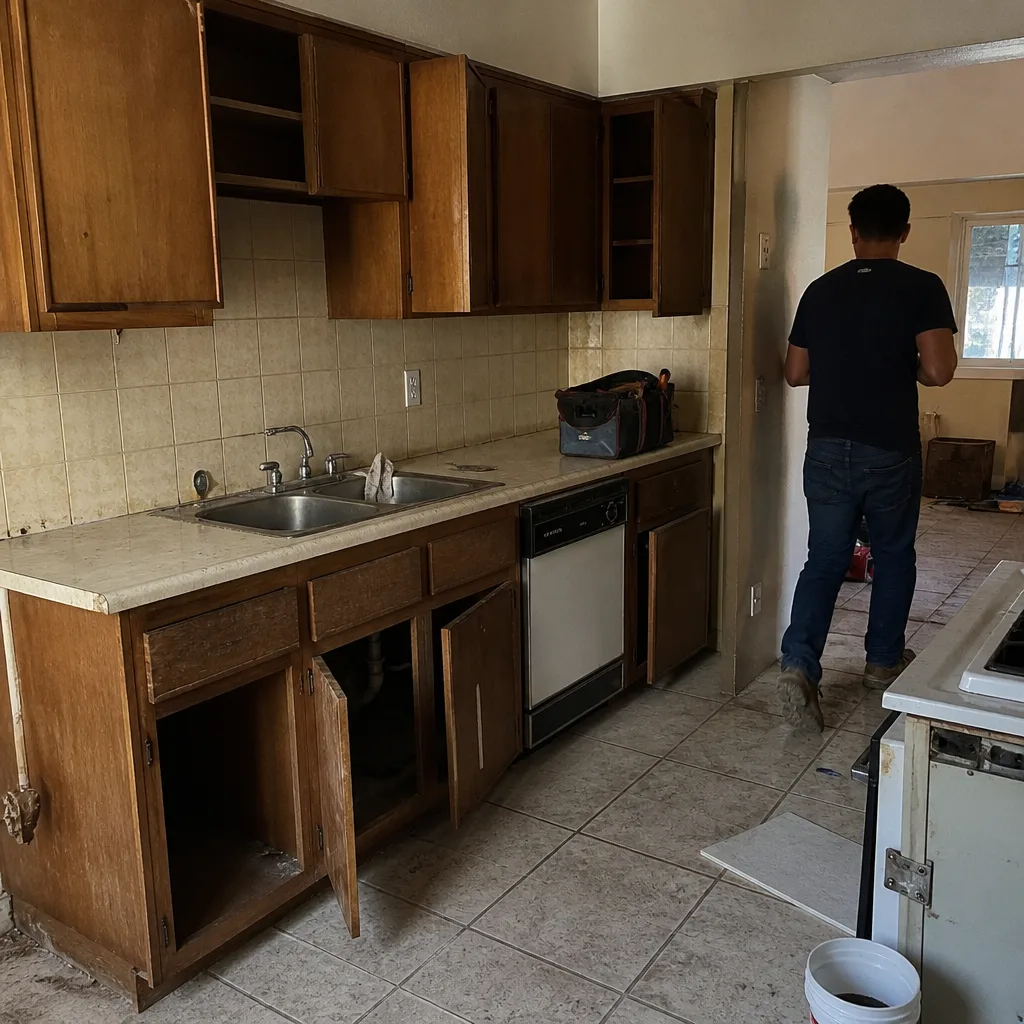 Before
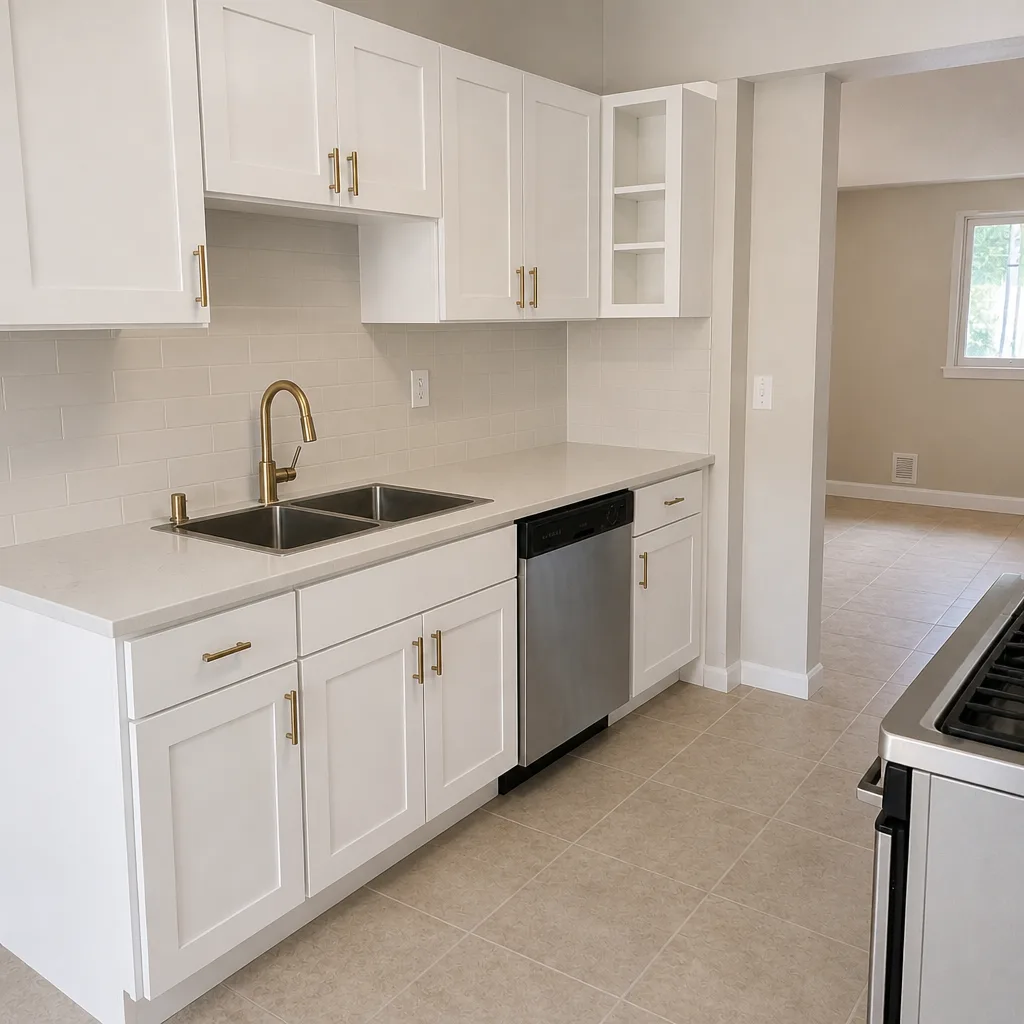 After
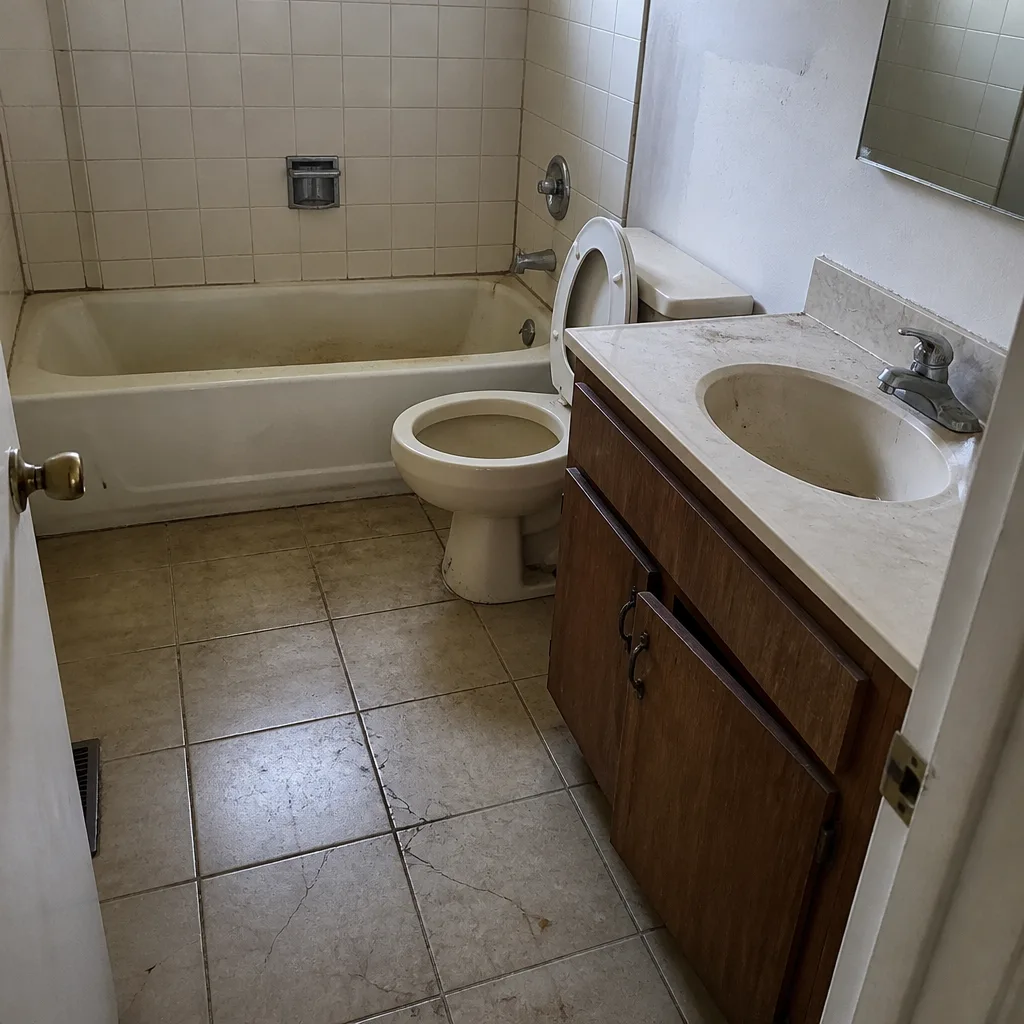 Before
 After
 Before
 After
Frequently Asked Questions
Yes, the California homeowner-builder exemption lets you build or improve a single-family residence you occupy without a contractor’s license, as long as you do the work yourself and pull the required permits. The limit is that gas, electrical panel, and structural work still require a licensed professional and inspection, and the exemption doesn’t cover work on homes you don’t live in or work you do for hire. If you’re considering a project in the Fremont area and you’re not sure which side of that line it falls on, call (833) 620-6162 for a free estimate.
You’ll have to disclose the unpermitted work on the Alameda County Transfer Disclosure Statement, and the buyer’s lender will often require a retroactive permit and inspection before closing. That retroactive process can run $8,000 to $30,000 and involve opening walls, redoing rough work, and passing inspection, which can easily cost more than the original permit and delay or kill the sale. Call (833) 620-6162 for a free estimate before you start a project that will need a permit, so you know what the real cost looks like.
It depends on what you plan to do. Demolition, painting, tile setting, and finish work are all reasonable DIY scopes. Anything that touches plumbing rough-in, new electrical circuits, or permit-required waterproofing should go to a licensed contractor. The middle path, where you do the demolition and finish work and a professional handles the permitted scope, is often the best cost tradeoff, and getting a free estimate on the licensed scope is the first step. Call (833) 620-6162 to schedule one.
A same-opening window replacement generally doesn’t require a permit, but a replacement that changes the rough opening or affects structural framing does. Fremont’s mid-century homes have a mix of both situations, and getting the distinction right before the first window comes out saves inspections and rework. If you’re not sure which category your window project falls in, call (833) 620-6162 for a free estimate that includes the permit question.
It shouldn’t, and a reputable contractor will put that in writing. Every scope, every allowance, and every price change should arrive as a signed written change order before work proceeds, so you never get a surprise invoice at the end. Barrett & Sons puts every change order in writing before a nail moves on any Fremont job. Call (833) 620-6162 for a free estimate and you’ll see what the whole scope looks like on paper before you commit.
For permitted work, professional labor runs roughly 40% to 60% of the total project cost, with materials and permits making up the rest. For most Fremont homeowners planning a kitchen, bathroom, roof, or addition, the real question isn’t whether DIY is cheaper on paper but whether the cost of an unpermitted failure exceeds the labor savings. Call (833) 620-6162 for a free estimate with line-item pricing, and you can compare it against the DIY math honestly.
The Bottom Line
The DIY vs. hire decision in Fremont isn’t really about skill. It’s about which projects create legal exposure, insurance problems, and resale complications when done without a permit and a licensed tradesperson. Cosmetic work, painting, demolition, and finish carpentry are fair game for a confident homeowner. Electrical panels, gas lines, structural changes, and any scope that requires an engineer’s stamp belong with a licensed professional. The middle path, where you handle labor that doesn’t touch code and a licensed contractor handles the permitted scope, is the smartest route for most remodels. Pull the permits, put every scope in writing, and make sure the person doing the work is the person on the contract.
Barrett & Sons Construction Fremont is the owner-operated, name-on-the-truck alternative to contractors who quote one number on the phone and show up with another. We pull permits and sign inspections on every eligible job, and every completed job is backed by our written 90-Day Done Right Promise. If you’re ready to price your next project, call (833) 620-6162 for a free estimate and we’ll walk the scope with you. Start at our Barrett & Sons Construction Fremont home page to see what else we do, and if you want to look up the license before you sign anything, we publish the number so you can. Our technicians have up to 28 years of experience, and we’re happy to bring that to a free second opinion on any written estimate you already have.
Written by the team at Barrett & Sons Construction Fremont.