Last updated November 17, 2026

Free written scope consultation - allowances, timeline, and change-order rules on paper before a single trade is scheduled
The Complete Fence Installation Guide for Fremont Homeowners
Here’s the thing nobody tells you before you start pricing fence work in Fremont: fence height limits are set by zoning district, and they change block to block. The “6-foot rule” most people quote is correct just often enough to get you into trouble. In some Fremont neighborhoods, 6 feet in the rear yard is fine, but in others it’s a 4-foot cap in the front setback and 7 feet out back. Get it wrong and you’re looking at a failed inspection and a fence that has to come down.
This guide covers the three rule sets that actually govern a Fremont fence – city zoning, your HOA’s CC&Rs, and your neighbor’s property rights under California law – plus material choices that hold up to this climate. Read it before you dig a single post hole.
Quick Answer
Fence installation in Fremont requires a site-specific height check against your zoning district (front, side, and rear yard limits differ), a confirmed property line before any digging, and – for most HOAs – written architectural approval before work starts. A typical 100-foot wood fence runs $3,500 to $7,000 installed in Fremont, depending on material and access. Permits are required on most fences over the zoning limit, on fences near a corner, and on anything above 7 feet.
Styles & brands we work with
- Kitchen remodeling
- Bathroom remodeling
- Home additions & ADU
- Roofing
- Windows & doors
- Driveway & pavers
- Fence
Table of Contents
- Which Rules Control Your Fremont Fence?
- Fremont Fence Height Rules by Yard and Zoning District
- How to Establish Your Property Line Before You Dig
- Material Selection for the Fremont Microclimate
- Shared-Fence Costs Under California Civil Code 841
- Reading a Fence Estimate: What Every Line Should Say
- Working With Your HOA Without Losing Six Months
- The Install Process, Step by Step
Which Rules Control Your Fremont Fence?
Three overlapping rule sets control every fence in Fremont. In our experience, homeowners who run into trouble almost always knew about one of them and got blindsided by a second.
City of Fremont zoning. The Fremont Municipal Code sets maximum fence heights based on zoning district and where the fence sits (front, side yard, or rear). Setback rules apply. Corner lots have extra sight-triangle restrictions so a fence doesn’t block visibility at the intersection.
Your HOA’s CC&Rs. If your neighborhood is governed by a homeowners association – and most Fremont subdivisions built after the mid-1980s are – the CC&Rs can be stricter than the city code. An HOA can cap a rear fence at 5 feet when the city allows 6. It can also require a specific material, color, or top-profile to match the community standard.
Your neighbor’s property rights. Under California law, a fence that encroaches onto a neighbor’s lot is a trespass, even if it was installed by the previous owner. And under Civil Code 841, adjoining owners share certain fence obligations. A well-run project respects all three.
The order of operations matters: check zoning first, then HOA, then neighbor. If your HOA is stricter than the city, the HOA controls for your own project. If a neighbor disputes placement, they don’t need to be right to cost you time – a single complaint can freeze a project until the boundary is surveyed.
Fremont Fence Height Rules by Yard and Zoning District
Fremont separates fence height limits by location on the lot, and this is where most do-it-yourself self-checks fail.
- Front yard. Front setback areas are most restrictive – typically capped at around 3 to 4 feet in many residential districts so sight lines stay open. A tall privacy fence at the front property line will usually draw a code enforcement notice.
- Side yard. Side yards usually sit between 4 and 6 feet, with corner lots facing extra restrictions near the street.
- Rear yard. Rear yards allow the tallest fences – often 6 feet, sometimes 7 with a permit, depending on the district.
Confirm your exact zone at the city’s planning counter or via the online GIS lookup before you buy materials. Two houses on the same street can fall in different districts – a split zoned R-1 and R-1-6 – and get different answers.
When you’ll need a permit
Most Fremont residential fences under 6 feet in a permitted rear location are exempt from a building permit. But you’ll need one on the following:
- Any fence over 7 feet tall
- Fences within the front setback above the district’s front-yard cap
- Fences on a retaining wall or pier system
- Fences on corner lots within the sight triangle
- Masonry or block walls with a footing above the code threshold
If a contractor tells you a permit “isn’t worth the paperwork,” that’s your cue to ask more questions. A permit inspector signing off on your fence may look like friction, but the inspector works for the homeowner. A signed inspection is a piece of paper that says the fence you paid for was built to code – and if you sell the house, that paper matters.
How to Establish Your Property Line Before You Dig
A neighbor’s existing fence is not a reliable indicator of your property line. Not even close. Fences drift. They get rebuilt on the wrong side. They get pushed out an inch at a time by planting beds and yard waste.
Here’s the sequence we follow on every Fremont fence:
- Pull the recorded plat and your deed. The city assessor’s parcel map and recorded plat give you the legal description. This is where you start.
- Look for physical monument markers. Metal stakes, pipes, or concrete monuments set by a surveyor. If they’re missing, that’s a flag – not a license to guess.
- Hire a licensed land surveyor. For roughly $400 to $900 depending on lot complexity, a surveyor sets or restores corner pins. That’s a fraction of the cost of tearing out a fence and rebuilding it three feet over.
- Notify your neighbor in writing. A friendly head’s-up at the corner – followed by a text or email confirming location – keeps relations clean and documents the conversation.
- Stake the line and get sign-off. Physical flags appear a few days before digging. Neighbors are invited to walk the line.
In Fremont’s older neighborhoods – the streets off Niles Boulevard, the blocks near Centerville – we routinely see fences that have migrated 6 inches to a foot. That’s a manageable conversation before a project. It’s a very different conversation after a row of posts is in the ground.
Material Selection for the Fremont Microclimate
Fremont gets a mix of warm inland afternoons and a coastal fog influence pushing through the Mission Pass. That combination is hard on fencing in ways an inland spec sheet doesn’t fully capture. Materials spec’d for Sacramento don’t always age the same way in Irvington or the Mission area.
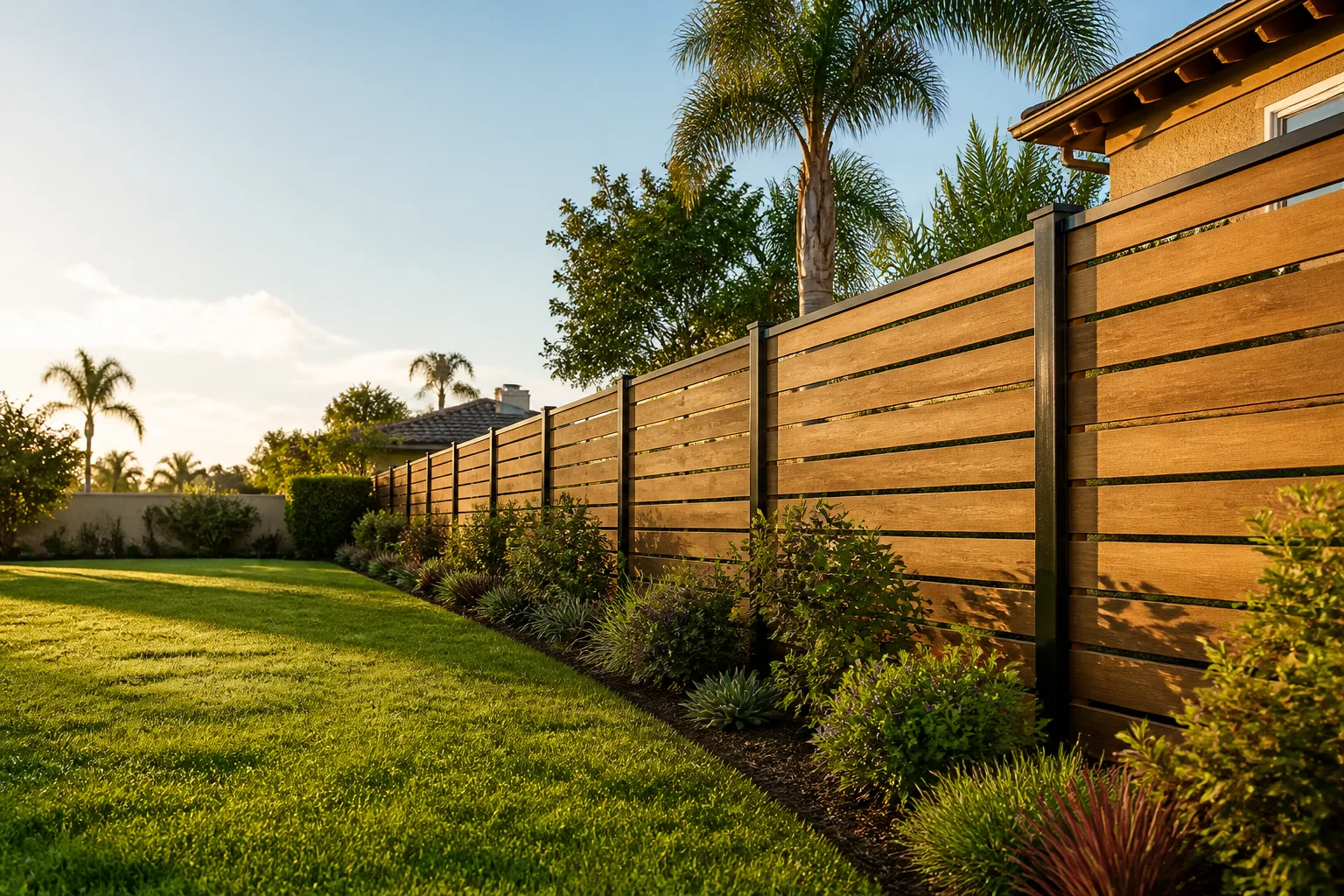
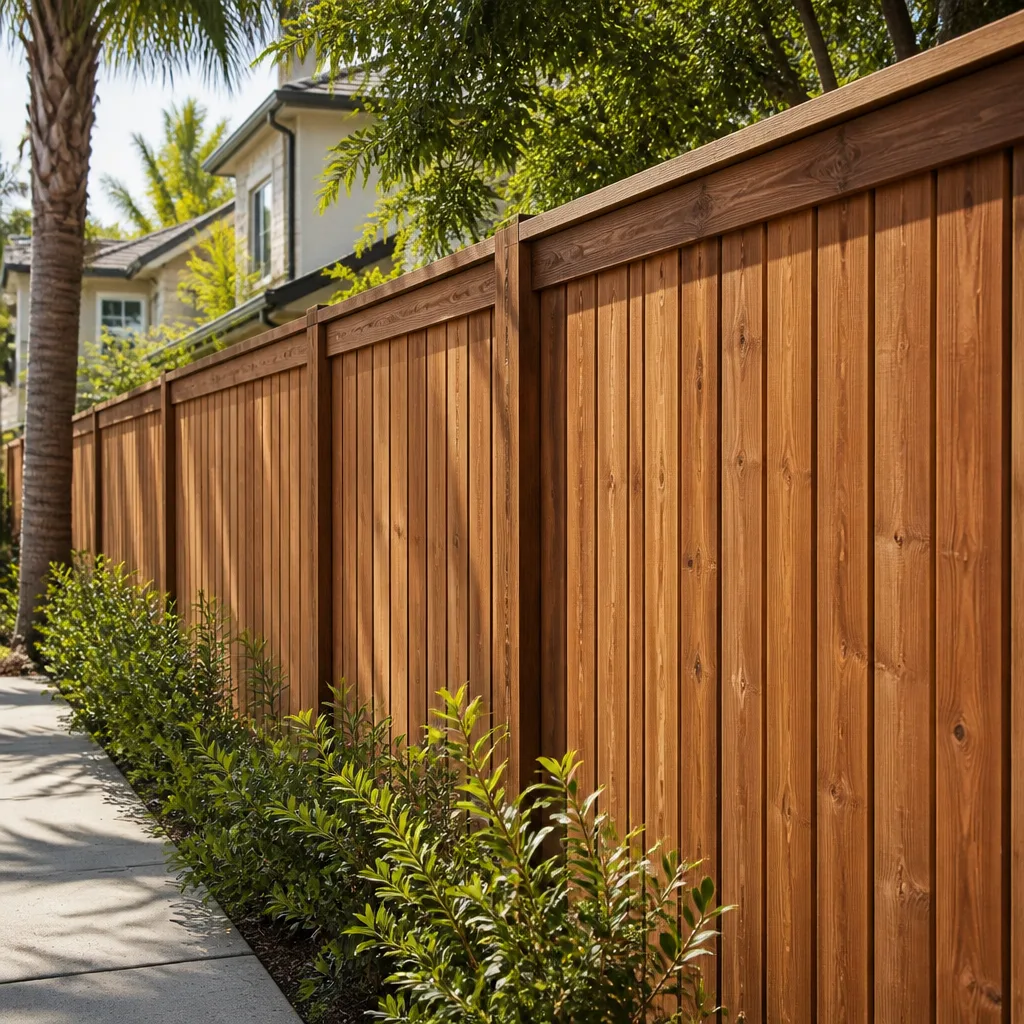
- Cedar. The traditional privacy fence. Cedar holds up well in Fremont’s climate, but cheaper “cedar” grades pit and split within 6-8 years under the fog/dry cycle. Specify clear or tight-knot western red cedar and you’ll get a much longer run.
- Redwood. Excellent rot resistance and takes stain well. The cost runs 20-30% more than cedar. Worth it on the weather side.
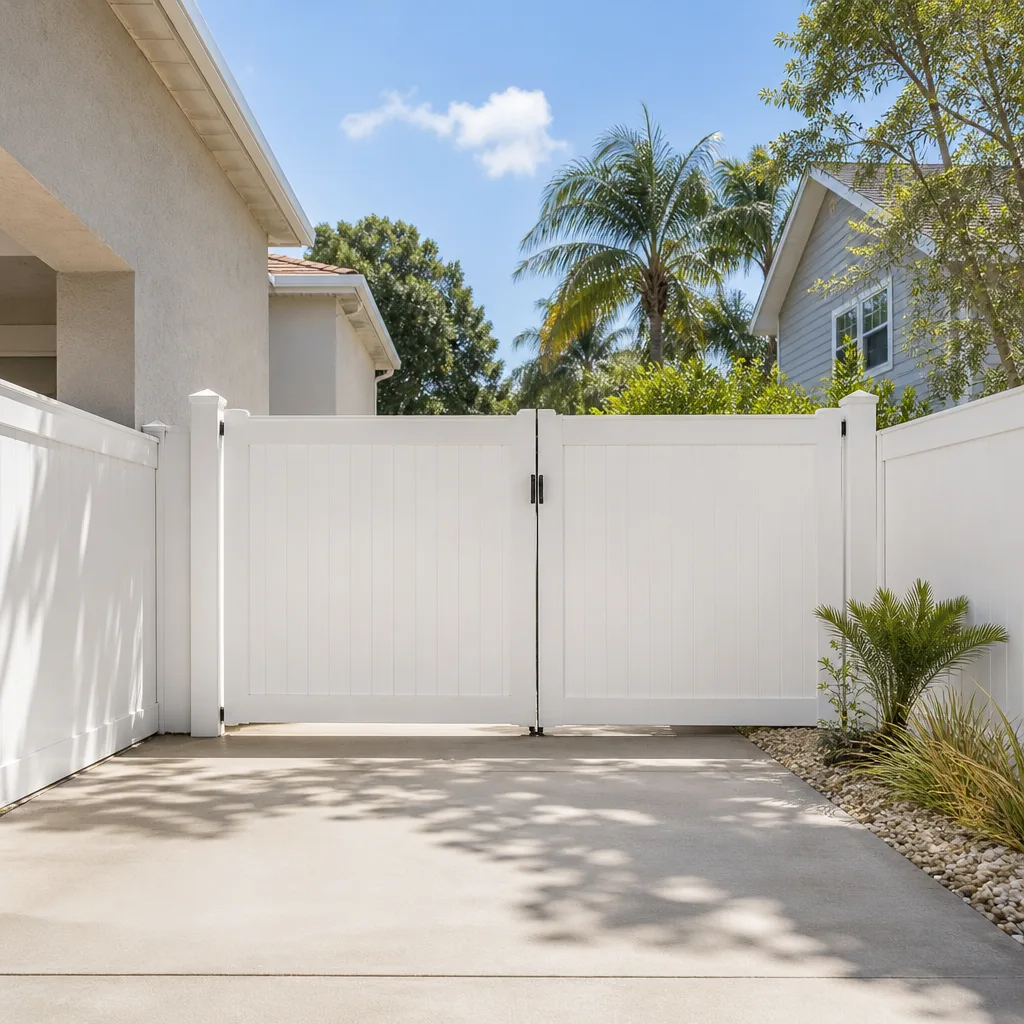
- Vinyl. Bufftech and similar brands hold up well and shed fog moisture. Watch the color choice – very light vinyl picks up dirt near the freeway corridors faster than darker tones.
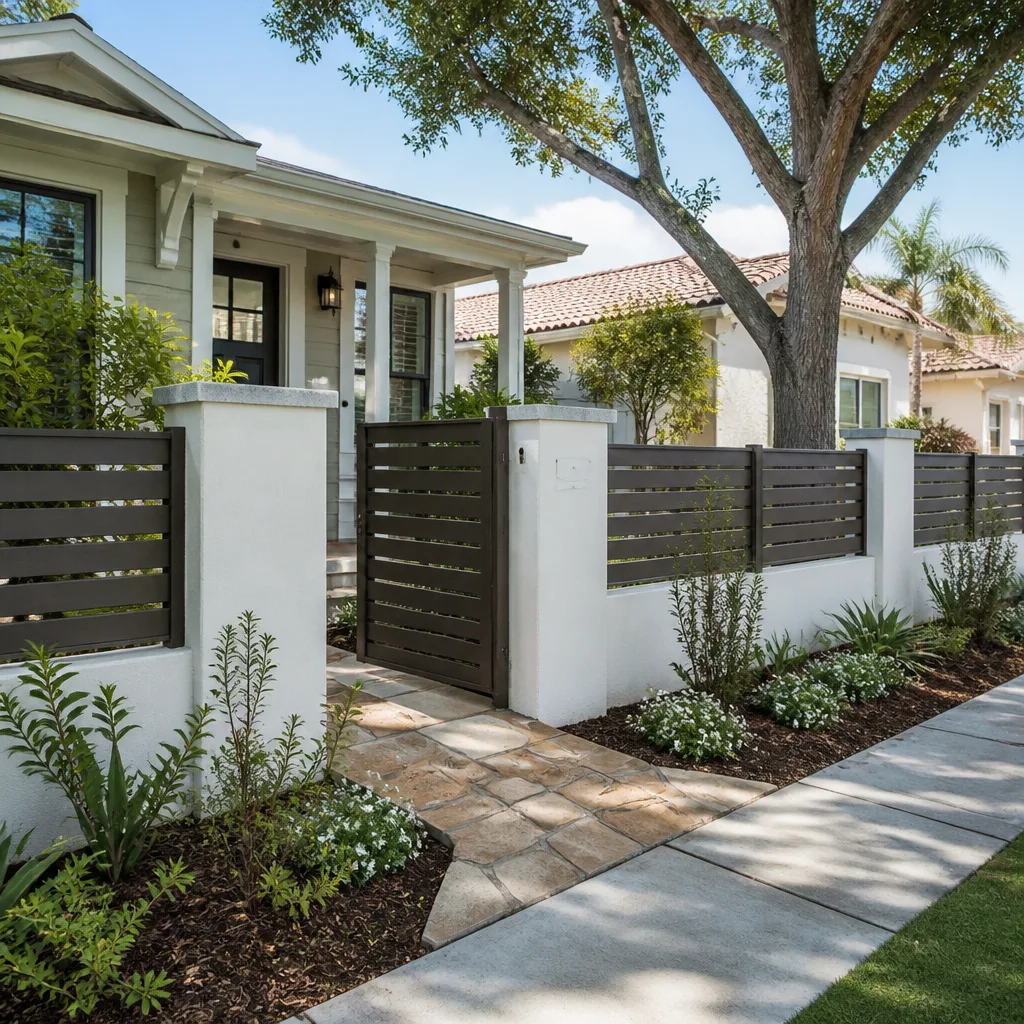
- Aluminum and ornamental steel. Ameristar and Jerith products age reliably in this climate; powder-coat finish matters more than the alloy for corrosion resistance. Best pick for front-yard fencing where you want visibility without going tall.
- Chain link. Master Halco’s galvanized product handles the salt air fine; the vinyl-coated option is worth the small upcharge for a longer life.
For the driveway-adjacent gate and post scenarios, we often pair a matching fence material with Driveway & Pavers in Fremont so the transition between hardscape and fence looks considered rather than improvised.
Shared-Fence Costs Under California Civil Code 841
Under California Civil Code Section 841, adjoining landowners are mutually responsible for reasonable costs of maintaining a fence on a shared boundary. That’s the law. What it is not is a magic wand.
Practical reading:
- Costs are shared, generally 50/50, unless one party’s fence use or maintenance has been disproportionate.
- Either party can demand contribution for reasonable costs – “reasonable” is doing a lot of work in that sentence, and it’s the sentence disputes get litigated over.
- You are not required to accept the cheapest bid your neighbor found; you’re required to be reasonable. A written, itemized estimate from a licensed contractor is your best evidence of reasonableness.
Document the conversation. Send a written summary after any in-person discussion: the fence location, the material, the total cost, and the amount you’re asking them to contribute. Keep emails. Keep texts. If the matter ends up in small claims, that paper trail is the whole case. For most Fremont neighbors, though, a signed written estimate and a friendly conversation solve it without an attorney ever being mentioned.
When a shared fence sits between two properties where Fence Installation in Fremont work is being scoped, we always recommend both owners receive a copy of the written estimate before the first post is dug. This is a low-cost way to avoid a high-cost fight.
Reading a Fence Estimate: What Every Line Should Say
A fence estimate is either a plan or a sales pitch. The difference is whether the contractor shows you how they intend to pull a permit or is hoping you don’t ask. Here’s what a real estimate includes:
- Total linear feet, per run. Front, sides, and rear as separate line items – not one lump number.
- Post spacing and depth. Standard is 8-foot on-center with posts set 24-36 inches deep in 10-12 inch diameter footings. Anything vaguer, ask.
- Material brand and grade. “Cedar” isn’t a spec. “Western red cedar, clear grade” is. If a brand like Bufftech or Ameristar is being used, the brand and model appear on the page.
- Permit line item. The permit fee should be listed – even if it’s an estimate – and inspections named. A missing permit line is a contractor betting you won’t ask.
- Stain or finish scope. Whether the fence is finished on one side, both sides, or neither.
- Gate hardware brand and type. Hinges, latches, and drop rods listed by name.
- Removal and disposal of existing fence. Separately priced, or included, but not hidden.
- Written change-order language. Any change in scope, material, or price arrives in writing before work happens. An allowance that isn’t on paper is a surprise waiting for a date.
If the document you’re holding has fewer than eight lines, ask for the detailed version. A fence is a small project with a lot of moving parts, and the paper should reflect that.
Working With Your HOA Without Losing Six Months
Fremont has a lot of HOA-governed neighborhoods, and the approval timeline – not the build timeline – is what kills fence projects. A typical HOA architectural committee meets once a month. Miss the submission deadline and you’ve lost four weeks before a single post hole is dug.
- Read the CC&Rs first. Specifically the section on fencing, landscaping, and exterior alterations. Not the welcome packet summary – the recorded CC&Rs.
- Get the architectural submittal form. Ask for the current version and the meeting calendar at the same time.
- Submit with drawings. Scaled site plan showing fence location, height, material, color, and post spacing. Photos of the existing area and adjacent fences help.
- Attach your neighbor’s written acknowledgment if the fence is on a shared line. It moves approvals faster than almost anything else.
- Wait for written approval before you order material. Verbal approval is not approval.
Local HOAs vary on color – some require a specific tan or brown, some require the “good neighbor” alternating-board pattern. Submit to the strictest reading and you won’t get bounced on a technicality.
The Install Process, Step by Step
Here’s the sequence a properly run Fremont fence install follows, from free estimate to final walkthrough:
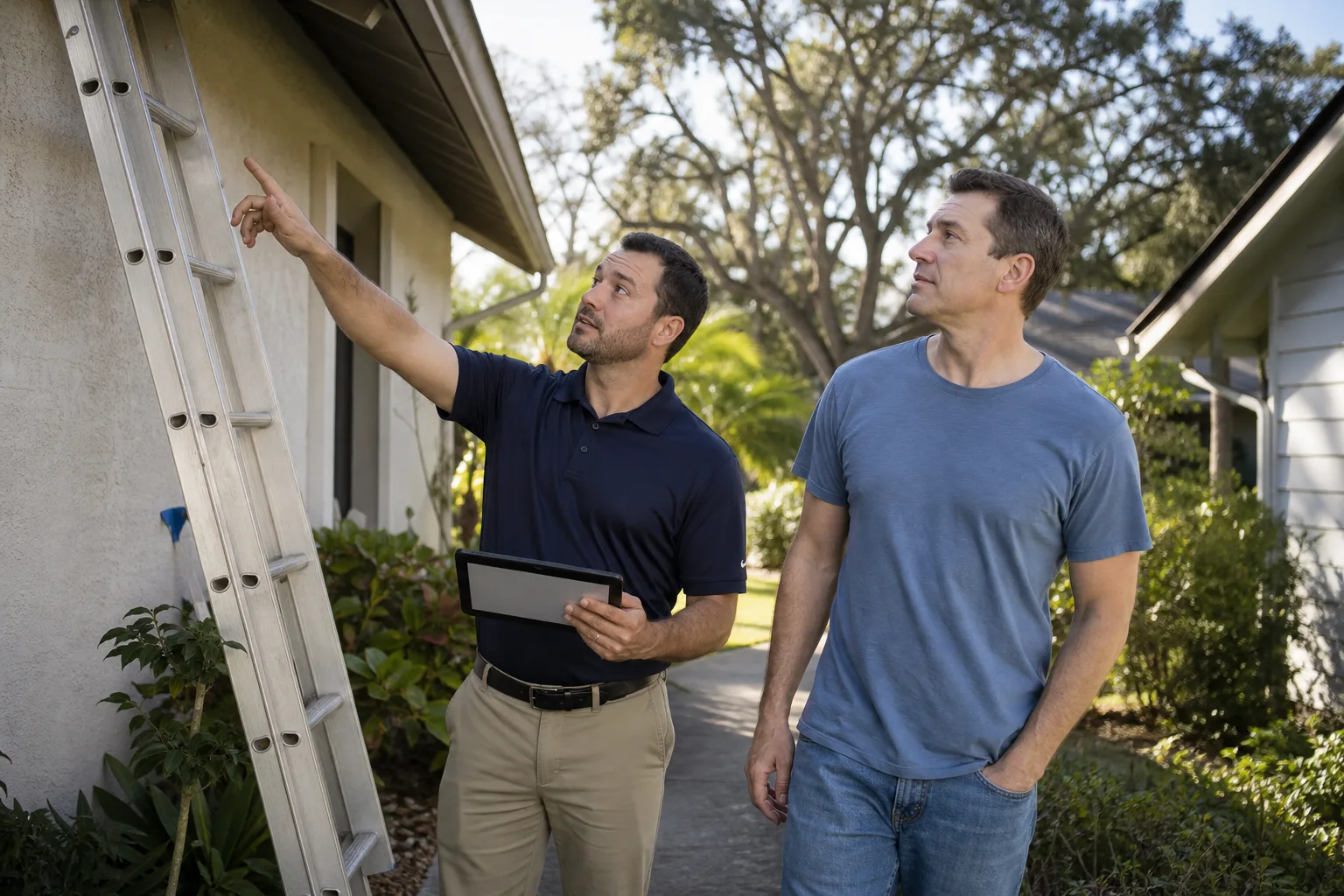
- Free on-site estimate. A crew lead walks the property, checks the plat, notes HOA oversight, and walks back with the numbers in hand.
- Written estimate delivered. Itemized to the standard above – line by line, permit included.
- Permit application filed (if required). The city’s permit desk is the first call after signing. Not the first week of work.
- HOA submission (if applicable). Runs in parallel to permitting to save time.
- Survey confirmed and property line staked. Neighbor notification sent.
- Material delivered and inspected on-site. Brand and grade checked against the estimate.
- Post layout and excavation. Spacing marked, holes dug, footings set.
- Setting period. Concrete cures 48-72 hours before framing starts.
- Framing and infill. Rails, pickets, and top-profile installed.
- Gate installation and hardware. Hinges and latches tested for swing and latch alignment.
- Finish and stain. Stain applied after a drying period, not immediately.
- City inspection (if required) and owner walkthrough. Signed inspection report handed over.
A typical setback-to-walkthrough window in Fremont runs 2-4 weeks for a straightforward residential fence, plus 2-6 weeks of permit or HOA wait depending on the district. Schedule accordingly. If your fence is part of a larger yard project – a patio, an outdoor room, or a new outbuilding – coordinate the timeline with Home Additions & ADU in Fremont so the fence doesn’t go in before the flatwork and have to be re-set.
Common Mistakes to Avoid
- Trusting the neighbor’s fence line. Existing fences drift. A $600 survey now saves a $6,000 do-over later.
- Skipping the HOA check. A city-approved fence that violates HOA CC&Rs still has to come down – or get repainted, or get re-height adjusted – on your dime.
- Guessing the zoning district. Two Fremont houses on the same block can carry different height caps. Check the parcel, not the neighborhood reputation.
- Using an inland material spec. Fog and warm-afternoon cycles here age fencing differently than Sacramento or the Central Valley. Cedar grade matters more than people think.
- Verbal approval from the neighbor. Get the fence contribution conversation in writing. Civil Code 841 is real, but only if you can document the request.
- Choosing the cheapest bid without a written estimate. A phone-quoted number isn’t a price. It’s an opening offer. The written estimate is the contract.
- Ordering material before permit or HOA approval. It sits. It weathers. It sometimes gets returned at a restocking fee. Order after the approval is in hand.
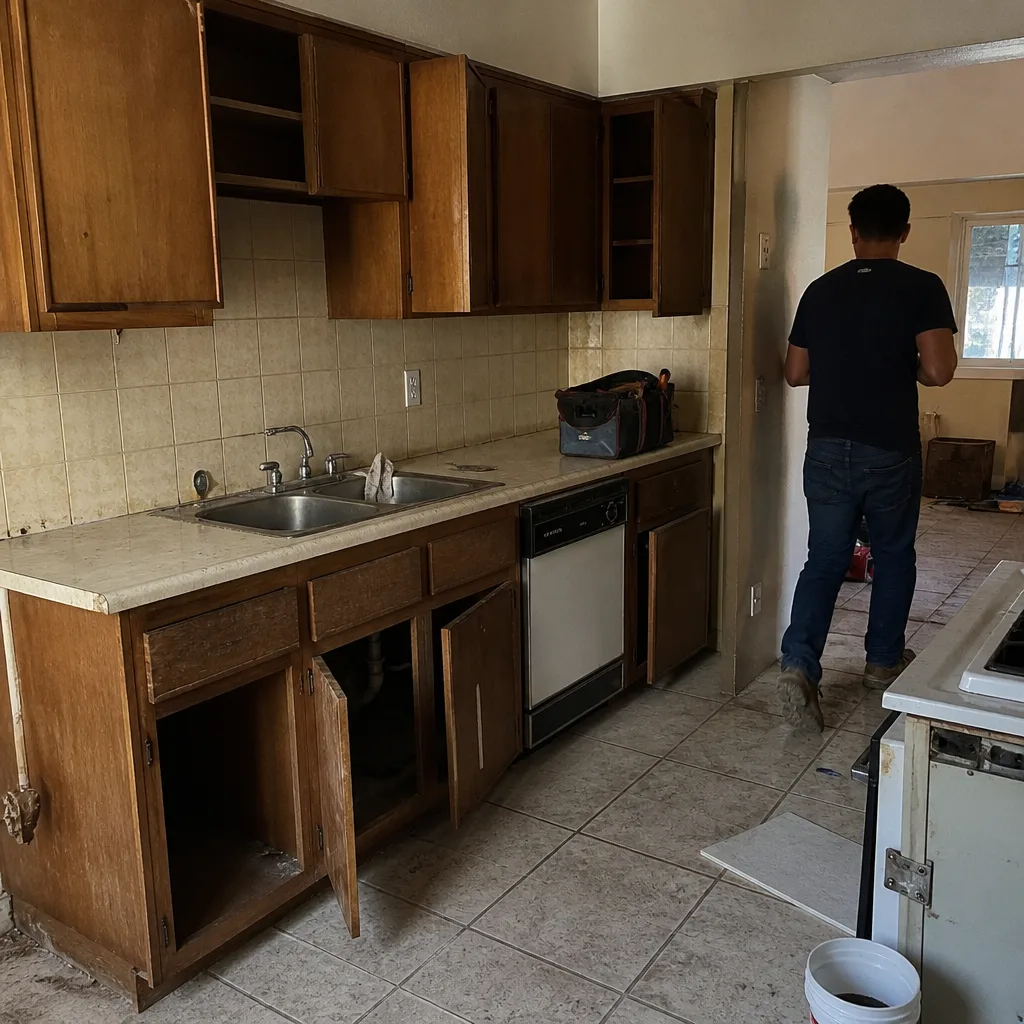
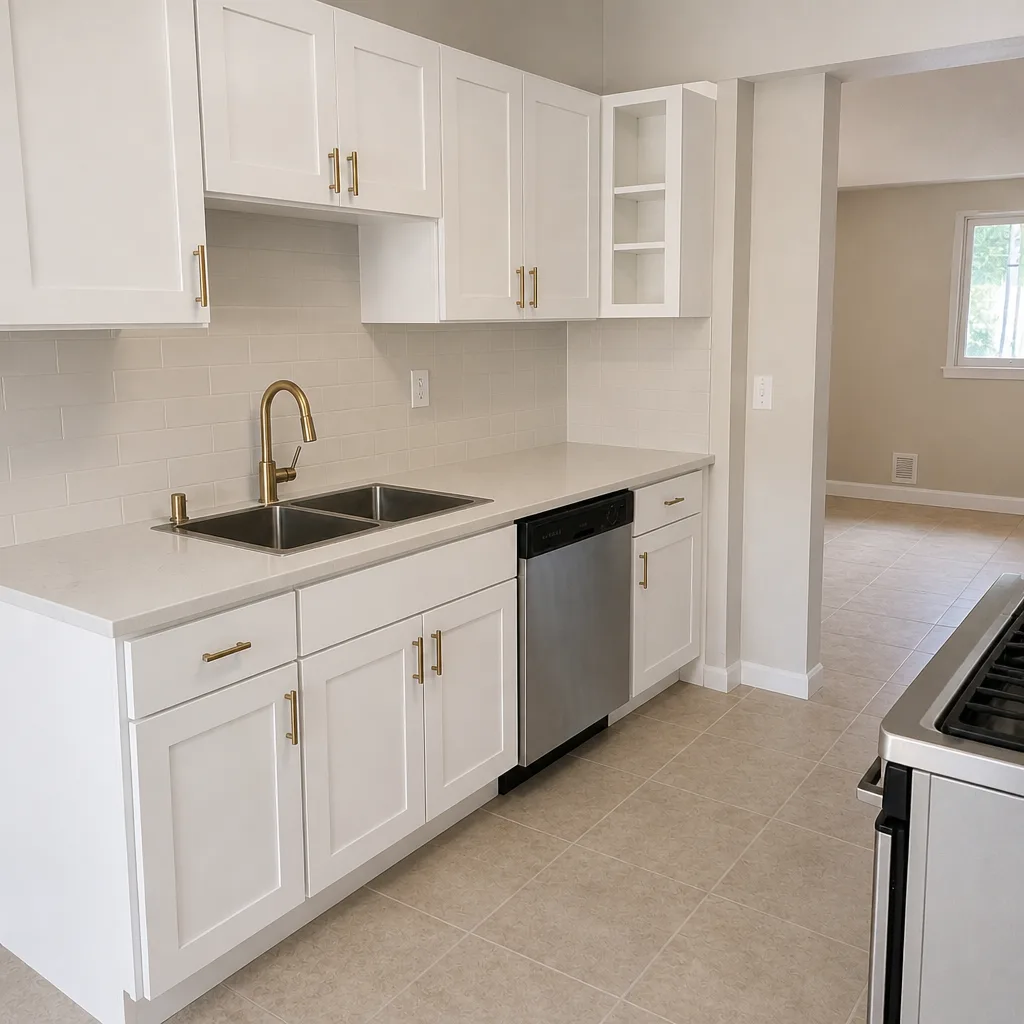
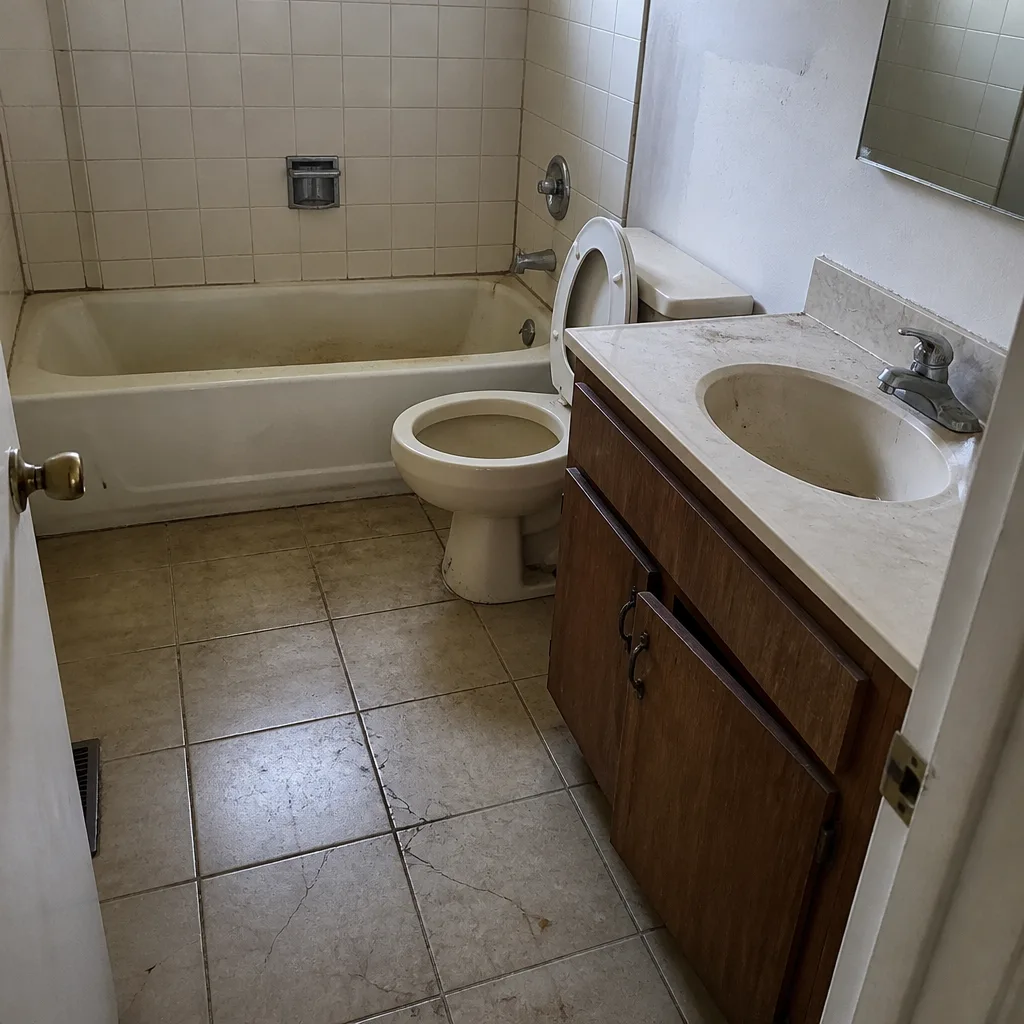
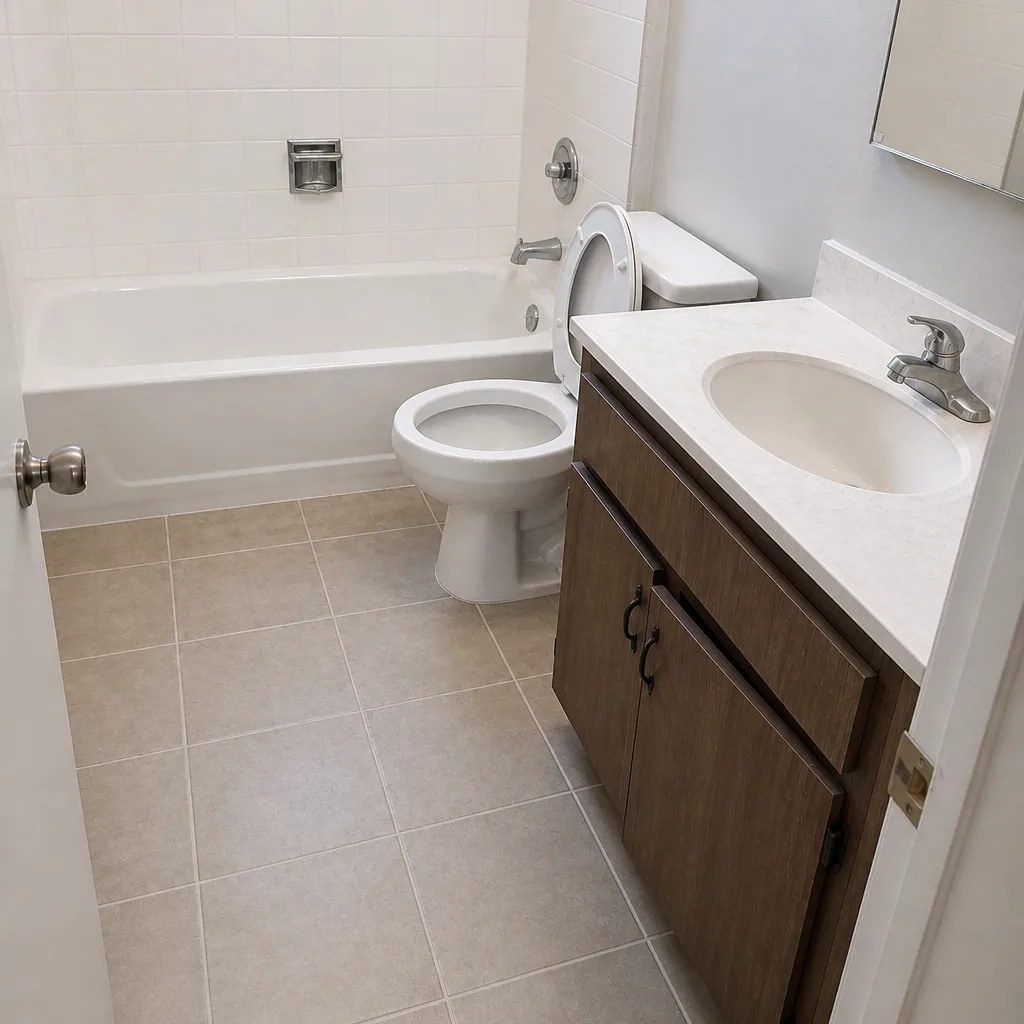
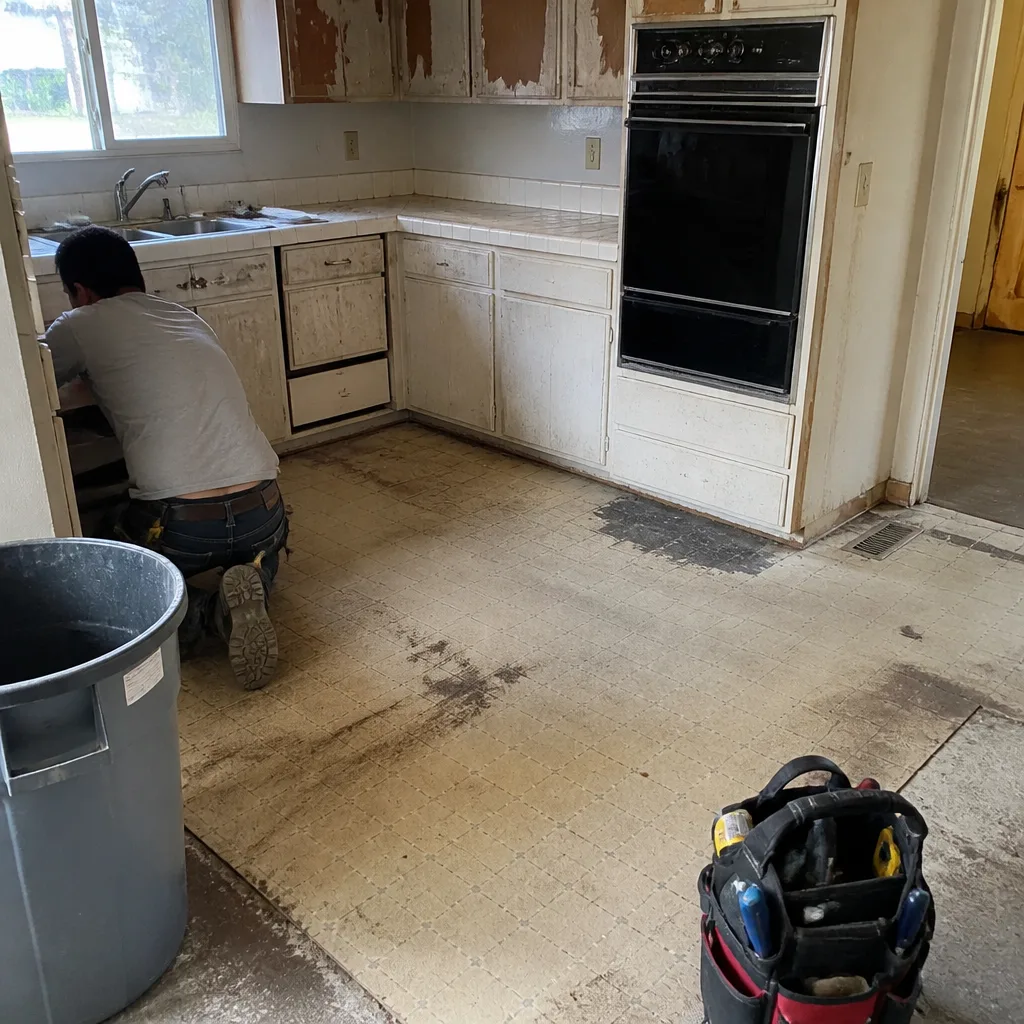
See the difference
 Before
 After
 Before
 After
 Before
 After
When to Call a Professional
Most fence decisions are manageable for a careful homeowner – but the following scenarios are where a licensed contractor earns their keep. Any fence over 7 feet, any fence on a retaining wall or pier system, any fence on a corner lot inside the sight triangle, any fence that’s part of a larger yard or Barrett & Sons Construction Fremont home improvement plan, and every fence where a property line or shared-owner cost is in play. Those are the jobs where a permit, a survey, or a written change order is the difference between a finished fence and a year of paperwork.
Barrett & Sons Construction Fremont offers free estimates in Fremont – call (833) 620-6162. We answer the phone with a live person, we pull the permits, and every price change arrives in writing before work starts. If you’re also planning a driveway or hardscape transition, ask about our Driveway & Pavers in Fremont team in the same visit.
Frequently Asked Questions
A typical 100-foot privacy wood fence in Fremont runs $3,500 to $7,000 installed, with cedar on the lower end and redwood or upgraded post systems on the higher end. Vinyl and ornamental aluminum run similar or slightly higher. Add $400 to $900 if a survey is needed, plus permit fees where applicable. Call (833) 620-6162 for an exact quote – estimates are free.
Most Fremont residential fences under 6 feet in a permitted rear-yard location don’t require a building permit. Fences over 7 feet, fences in the front setback above the district’s cap, fences on a retaining wall, and fences inside a corner lot’s sight triangle do require a permit. When in doubt, file. Call (833) 620-6162 and we’ll walk you through the parcel-specific answer for your address.
Under California Civil Code 841, adjoining landowners are typically mutually responsible for reasonable costs to maintain a shared boundary fence – often 50/50. The catch is documentation: written estimates, emails, and a written summary of the conversation are what make the obligation workable in practice. Call (833) 620-6162 and we’ll provide the itemized estimate you need to start that conversation.
Western red cedar (clear or tight-knot grade), redwood, and premium vinyl from brands like Bufftech all hold up well to Fremont’s fog-and-warm-afternoon cycle. Cheaper pine-in-disguise “cedar” pits within 6-8 years. Powder-coated aluminum from Ameristar or Jerith is a good pick for front-yard fencing. Call (833) 620-6162 and we’ll spec the right grade for your exposure and budget.
A straightforward residential fence in Fremont usually runs 2-4 weeks from signing to final walkthrough, with a 48-72 hour concrete cure period built in. Permit or HOA approval adds 2-6 weeks depending on the district and the HOA meeting calendar. Call (833) 620-6162 for a schedule based on your specific parcel.
Not without a written change order signed before the scope change is made. Our estimates are itemized down to post depth, material grade, and gate hardware, and any adjustment – including allowance overages – arrives in writing first. An allowance that isn’t on paper is a surprise waiting for a date. Call (833) 620-6162 to schedule your free estimate.
The Bottom Line
A Fremont fence isn’t a hardware store project – it’s a legal, structural, and climatological one. Check the zoning district first, not the neighborhood reputation. Confirm the property line with a survey before digging. Read the CC&Rs if you’re in an HOA, and get the shared-cost conversation in writing if Civil Code 841 applies. Then pick material spec’d for the fog/warm-afternoon cycle: clear cedar, redwood, Bufftech vinyl, or Ameristar aluminum. Get an itemized written estimate with permits on the line items, and don’t trust any number that only existed on a phone call. Do those five things and your fence will outlast the neighbors’ dispute over it.
Barrett & Sons Construction is owner-operated, background-checked, and backed by our written 90-Day Done Right Promise on every completed fence. We publish our license number so you can look it up before you sign anything. Ready to start? Call (833) 620-6162 to schedule your free fence estimate.
Written by the team at Barrett & Sons Construction Fremont.