Last updated November 17, 2026







Free written scope consultation - allowances, timeline, and change-order rules on paper before a single trade is scheduled
Bathroom Remodeling Maintenance Schedule: What to Do and When
Grout doesn’t fail on its own. It fails because nobody told the homeowner to reseal it at the twelve-month mark. By then the contractor’s truck is three towns over, the warranty clock is still ticking, and a $40 tube of sealer has turned into a $2,400 repair. We’ve watched this happen in Fremont more times than we care to count, and it almost always starts with a homeowner who was never handed a maintenance calendar. This guide is that calendar. You’ll get a month-by-month schedule for the first year after your remodel, the tasks that quietly void premium fixture warranties, and how to tell grout that needs sealing from grout that needs replacing.
Quick Answer
The first year after a bathroom remodel has five checkpoints: inspect caulk at 90 days (settling is most active then), clean the exhaust fan at 6 months, reseal grout at 12 months, check the toilet base and supply lines at 6 and 12 months, and test the GFCI outlet monthly. After year one, the schedule settles into an annual routine. Most costly callbacks we see in Fremont trace to one skipped item on that list.
Styles & brands we work with
- Kitchen remodeling
- Bathroom remodeling
- Home additions & ADU
- Roofing
- Windows & doors
- Driveway & pavers
- Fence
Table of Contents
- Why a New Bathroom Needs Maintenance From Day One
- The First-Year Schedule: Month by Month
- Caulk at 90 Days: Why Settling Peaks in Month Three
- Exhaust Fan Cleaning at 6 Months: A Fremont Problem
- Grout: Seal It or Replace It?
- The Maintenance Tasks That Void Premium Fixture Warranties
- What Our 90-Day Done Right Promise Covers (And What It Doesn’t)
- Year Two and Beyond: The Annual Routine
Why a New Bathroom Needs Maintenance From Day One
A newly remodeled bathroom is not a finished product. It’s a system of materials that are still moving. Thinset cures for weeks. Wood framing adjusts to the moisture level inside the wall cavity. Caulk shrinks as it off-gasses over the first ninety days. None of that is a defect. It’s just physics.
The problem is that most homeowners treat the punch list as the finish line. The tile looks perfect, the fixtures work, and the project goes on the “done” shelf. Then eighteen months later there’s a soft spot near the shower curb and nobody remembers who installed it.
We’ve spent over 29 years working in Fremont and the surrounding towns, and the pattern is consistent. Callbacks and warranty claims in the two years after a remodel almost always trace back to a skipped maintenance step, not a bad installation. The install was fine. The sealant just aged out on schedule and nobody renewed it.
Here’s the mental shift that saves money: treat your bathroom the way you’d treat the furnace. It has service intervals. Hit them and it lasts decades. Skip them and you’ll pay for the skip.
The First-Year Schedule: Month by Month
Here’s the calendar we hand homeowners at the end of a bathroom remodel in Fremont. Print it, tape it inside the vanity door, and check it off as you go.
- Month 1: Check the toilet base for rocking. Wiggle it gently by hand. Any movement means the wax ring or the bolts need attention. Also test the GFCI outlet by pressing the “test” button and confirming it trips.
- Month 3 (90 days): Full caulk inspection. Run a finger along every caulk line at the tub, shower, backsplash, and floor transition. Look for gaps, pulling, or darkening. This is the most active settling window of the whole first year.
- Month 6: Clean the exhaust fan. Pull the grille, vacuum the blades, and check the duct flap opens freely. Check under-sink supply lines and the shutoff valves for weeping. Recheck the toilet base.
- Month 9: Inspect the shower door seals and hinges. Look at the drain for slow draining. Recheck the caulk lines from month 3.
- Month 12: Reseal grout on the floor and in the shower. Reseal or re-caulk any joint that shows wear. Full recheck of supply lines, shutoffs, and the toilet. Replace the exhaust fan filter if yours has one.
One note on Fremont specifically: our dry summers and wet winters swing indoor humidity more than most homeowners expect. That swing stresses caulk and grout joints harder than a steady climate would. If you’re in the hills near Mission Peak, you’ll see more seasonal movement than a flat lot in Irvington. The schedule is the same. The stakes on skipping it are just higher.
Caulk at 90 Days: Why Settling Peaks in Month Three
Caulk is elastic, but only to a point. In the first ninety days after installation, three things are happening at once: the caulk is curing, the framing and substrate are adjusting to the bathroom’s humidity, and the house itself is moving through the tail end of its seasonal swing. That’s why we tell every Fremont homeowner to put a hard marker at day 90.
What to look for at the 90-day check:
- A visible gap between the caulk bead and the tile, tub, or wall
- Caulk that pulls away cleanly when you press it with a thumbnail
- Dark spots or discoloration in the shower corners (early mildew in a failed bead)
- Soft or crumbly texture where the bead meets the floor
If you see any of those, the caulk needs to come out and a fresh bead needs to go in. Don’t caulk over failed caulk. It’ll look fine for a month and then peel from the inside out. Scrape it out, clean the joint with rubbing alcohol, let it dry fully, and reapply a mold-resistant silicone kitchen and bath caulk.
At the 90-day mark, this is usually a small job. If you wait until year three, it’s still a small job, but the water has had two and a half extra years to find the wood behind the tile. That’s the part that gets expensive.
Exhaust Fan Cleaning at 6 Months: A Fremont Problem
The manufacturer’s manual on almost every bathroom exhaust fan recommends cleaning once a year. We tell Fremont homeowners to do it at six months, and here’s why.
Fremont sits in a dust pocket. Wind off the East Bay hills, pollen season from the sycamores and oaks, and the fine grit that comes with hot dry summers all push particulate into your home. The bathroom fan is a low-pressure vacuum, and it pulls that dust straight into the blades and the duct.
A dusty fan does three things badly. It moves less air, it gets louder, and it burns out its motor faster. A fan that should be running at 110 CFM gets down to 70 or 80 after a year of buildup, and that’s the difference between a bathroom that dries out and one that grows mildew behind the paint.
- Kill the power at the switch. No exceptions.
- Pull the grille down and wash it in the sink with dish soap.
- Vacuum the blades and the housing with a brush attachment.
- Reach into the duct if you can and check the back-draft flap moves freely.
- Reassemble, restore power, and hold a piece of tissue to the grille to confirm it pulls.
If the fan is eight years old and rattling, replace it. A new fan is a $70 to $150 part and a short job. Not worth nursing an old one along when air quality is the whole reason it exists.
Grout: Seal It or Replace It?
This is the question we get most often, and the answer depends on one test: the water bead test.
Drip a few drops of water on the grout lines in the shower floor or on the wall. If the water beads up and rolls off, the sealer is holding. If it darkens the grout and soaks in within a minute, the sealer has worn through and it’s time to reseal.
Seal when the grout is intact. Replace when the grout is failing. Here’s how to tell the difference:
- Seal: Grout is firm, uniform in color, and cleanly fills the joint. Water soaks in. No sanding grit comes off on a finger.
- Replace: Grout is cracked, crumbling, or pulling away from the tile edges. You can dig it out with a utility knife blade. There are dark stains that won’t scrub out because the sealer failed years ago.
Sealing is a homeowner job if you’re comfortable with it: clean the grout with a pH-neutral cleaner, let it dry 24 hours, apply a penetrating sealer with a small sponge applicator, wipe the tile faces after 10 minutes, and let it cure 24 hours before water hits it. Reseal every 12 to 18 months in a shower, every 2 to 3 years on a bathroom floor that doesn’t see standing water.
What skipping the first reseal actually costs: around $30 in sealer and an hour of your Saturday at month 12, or $300 to $800 to have a tile setter regrout a shower floor at year three. There isn’t a third option where nothing happens. Water always wins.
The Maintenance Tasks That Void Premium Fixture Warranties
Kohler, Moen, Delta, and every premium fixture brand we install (we carry KraftMaid and Cambria in kitchens, and similar-tier names across the bath) have a dirty little clause buried in their warranty fine print. They cover defects in materials and workmanship. They do not cover damage from neglect, and they define neglect broadly enough that a homeowner who never cleaned the aerator can lose a faucet claim.
Here’s what we’ve seen actually sink a warranty claim:
- Never cleaning the faucet aerator. Sediment builds up, restricts flow, and can stress the cartridge. Kohler and Moen both treat this as a maintenance failure.
- Using abrasive cleaners on brushed nickel, matte black, or oil-rubbed bronze. The finish warranty is void the moment you scrub it with the wrong product. Check the finish care sheet that ships with the fixture.
- Ignoring a dripping shower valve. A slow drip that runs for months can score the cartridge bore and turn a $15 cartridge swap into a $400 valve replacement. The warranty covers the cartridge. It doesn’t cover the damage from waiting.
- Clogged shower heads from mineral scale. Most brands say clean monthly with vinegar. Almost nobody does. Most shower head warranties specifically exclude scale damage.
- Running a toilet with a bad flapper. The flapper is a wear item and not covered after the initial period. But the running water can warp the fill valve seat, which is a repair, not a defect.
The pattern is always the same: the part fails because maintenance was skipped, and the manufacturer correctly points to the maintenance clause. Fifty dollars of care at the right interval protects a warranty worth hundreds.
What Our 90-Day Done Right Promise Covers (And What It Doesn’t)
Every contract we sign at Barrett & Sons carries the 90-Day Done Right Promise in writing, not buried in fine print. If something we installed or built isn’t right in those first ninety days, one call brings us back to fix it. Tom comes back himself. That’s the deal, and it’s on the paper before the first nail moves.
Here’s the honest part most contractors won’t tell you: the 90-day window and the maintenance schedule overlap on purpose. Month 3 is exactly when we want to walk back into that bathroom. If a caulk line is pulling, we want to see it. If a tile is loose, we want to catch it inside the promise window.
What the promise does not cover:
- Caulk failures caused by the homeowner using the wrong cleaner or skipping the reseal
- Grout that failed after a skipped reseal at month 12 or beyond
- Fixture damage from abrasive cleaners, hard water scale, or ignored drips
- Mildew from a fan that was never cleaned and stopped moving air
- Anything a maintenance schedule item would have prevented
That’s not a loophole. It’s the split of responsibility. We own the install. You own the upkeep. When the split is clear, both sides stay honest. If a bathroom remodel in Fremont is part of a larger project like a home addition or ADU, the same promise and the same maintenance split apply.
Year Two and Beyond: The Annual Routine
After the first year, the schedule settles into an annual rhythm. Same items, one pass a year, plus the monthly GFCI test.
- Each January: Walk the caulk lines. Scrape and re-caulk any failed bead.
- Each April: Clean the exhaust fan before the dry season kicks in. Replace the grille if it’s cracked.
- Each July: Do the water bead test on the shower grout. Reseal if it soaks in.
- Each October: Check under-sink supply lines and shutoffs. Look for weeping, corrosion, or stiff valves. Check the toilet base for rocking.
- Every month: Press the GFCI “test” button. If it doesn’t trip, replace the outlet.
- Every 5 to 7 years: Replace the exhaust fan. Clean or replace the toilet fill and flapper assemblies. Consider a full re-caulk of the shower corners.
If your bathroom is part of a broader home maintenance routine, tie this to the same seasonal schedule you use for your fence installation and driveway and pavers upkeep. The Fremont climate treats exterior and interior materials on similar cycles: spring inspection, summer dry-out, fall prep, winter watch.
Common Mistakes to Avoid
- Caulking over old caulk instead of removing it. Fresh caulk won’t bond to a failed bead, and it hides the water path rather than sealing it. Scrape first, every time.
- Skipping the exhaust fan because it “still works.” A fan running at 70 CFM still turns on. That’s the trap. Test the airflow with a tissue, not a switch.
- Using a general-purpose tub caulk on a tile shower. It’ll look fine until the first Fremont winter humidity swing. Use a silicone mold-resistant bath caulk rated for wet areas.
- Scrubbing brushed nickel with a household abrasive. Twenty seconds of the wrong cleaner voids a finish warranty that took three years to earn. Read the fixture care sheet and keep it with your warranty paperwork.
- Ignoring a rocking toilet for “just one more season.” The wax ring fails first, then the subfloor. That’s the difference between a $15 fix and a $1,500 floor repair.
- Assuming a one-year warranty means you can skip the month-12 reseal. The manufacturer covers defects. They expect you to seal the grout. Every premium tile and fixture brand says so in their own literature.
- Treating the punch list as the finish line. A completed remodel is a starting point. If nobody handed you a maintenance calendar, ask for one before the crew packs up.
See the difference
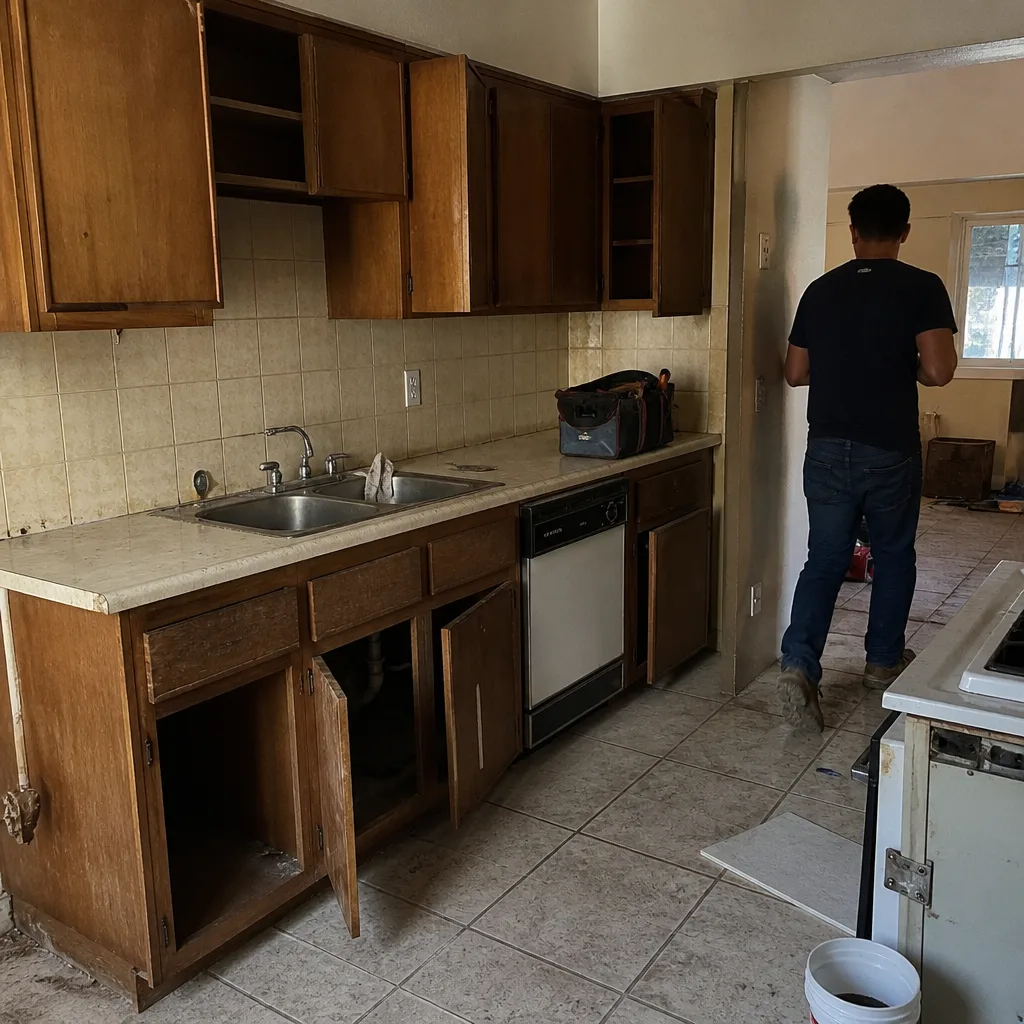 Before
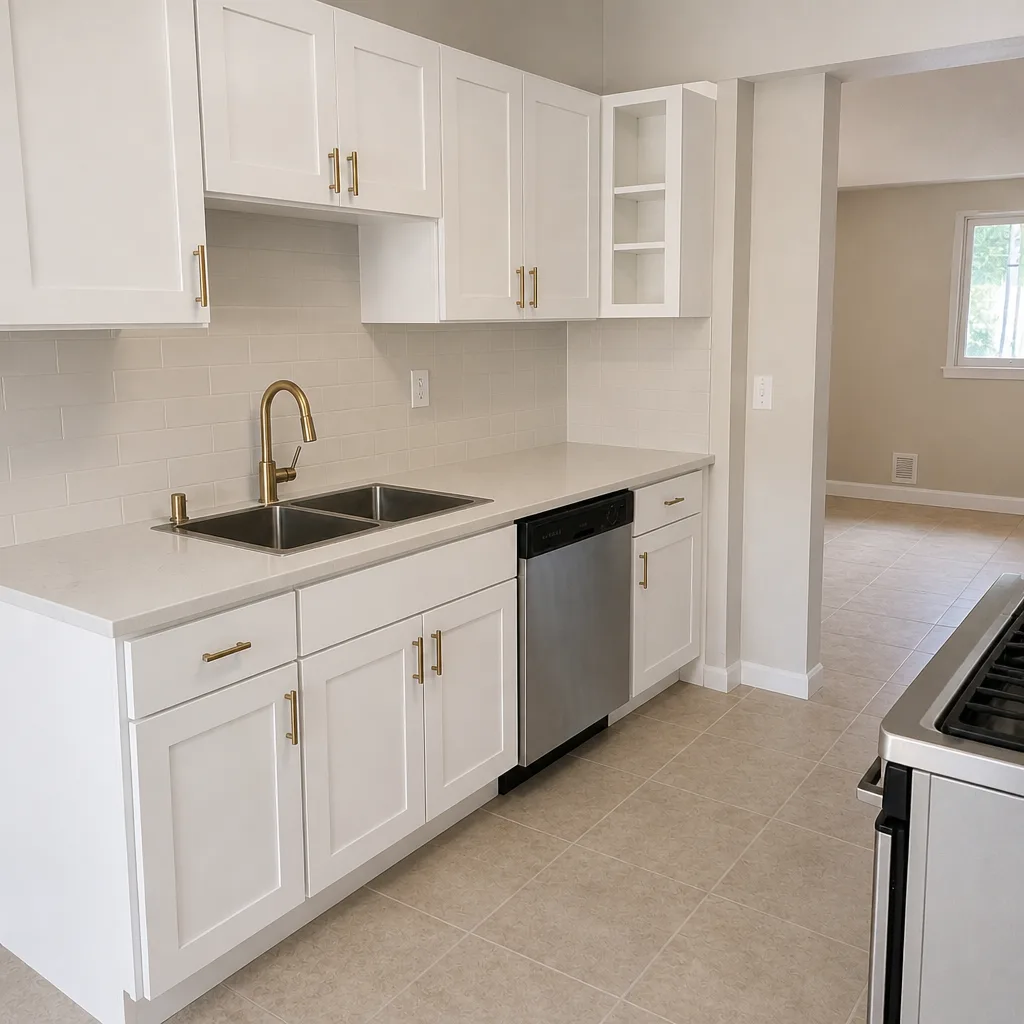 After
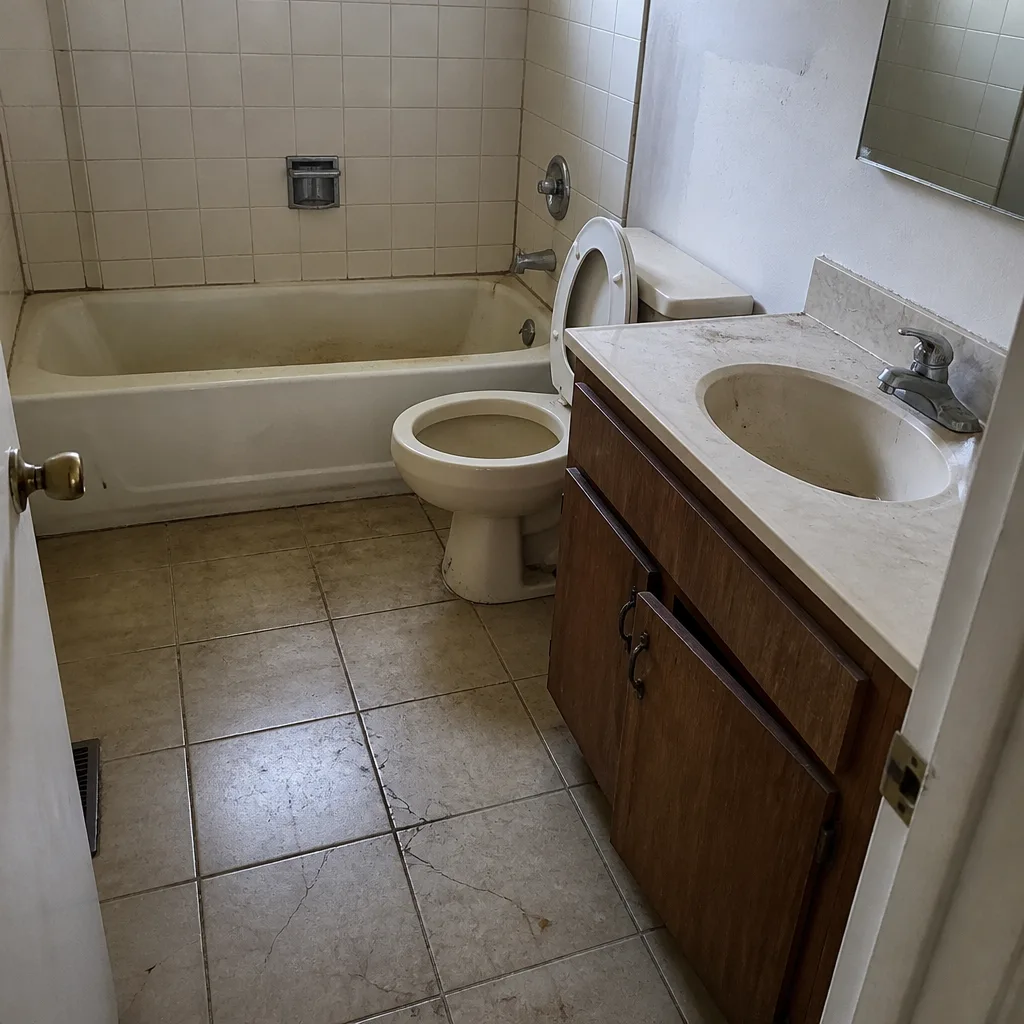 Before
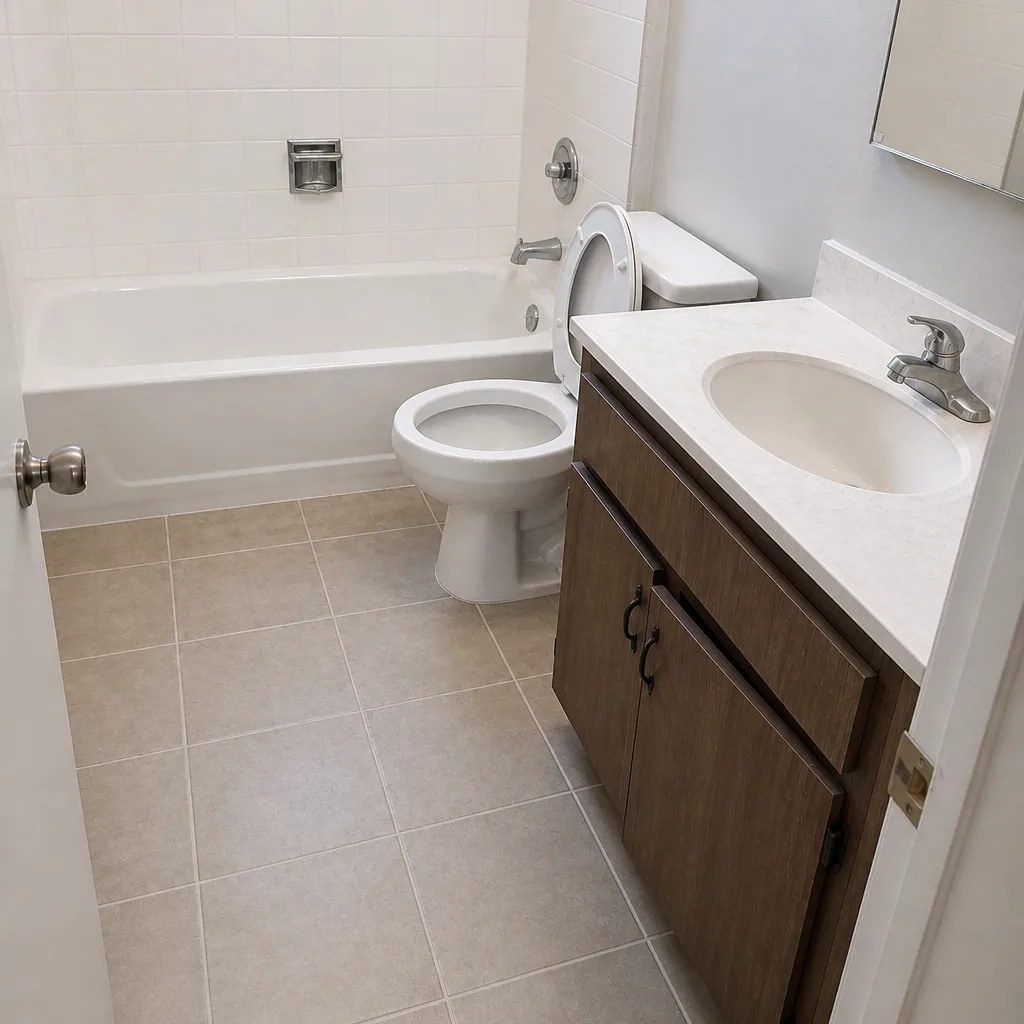 After
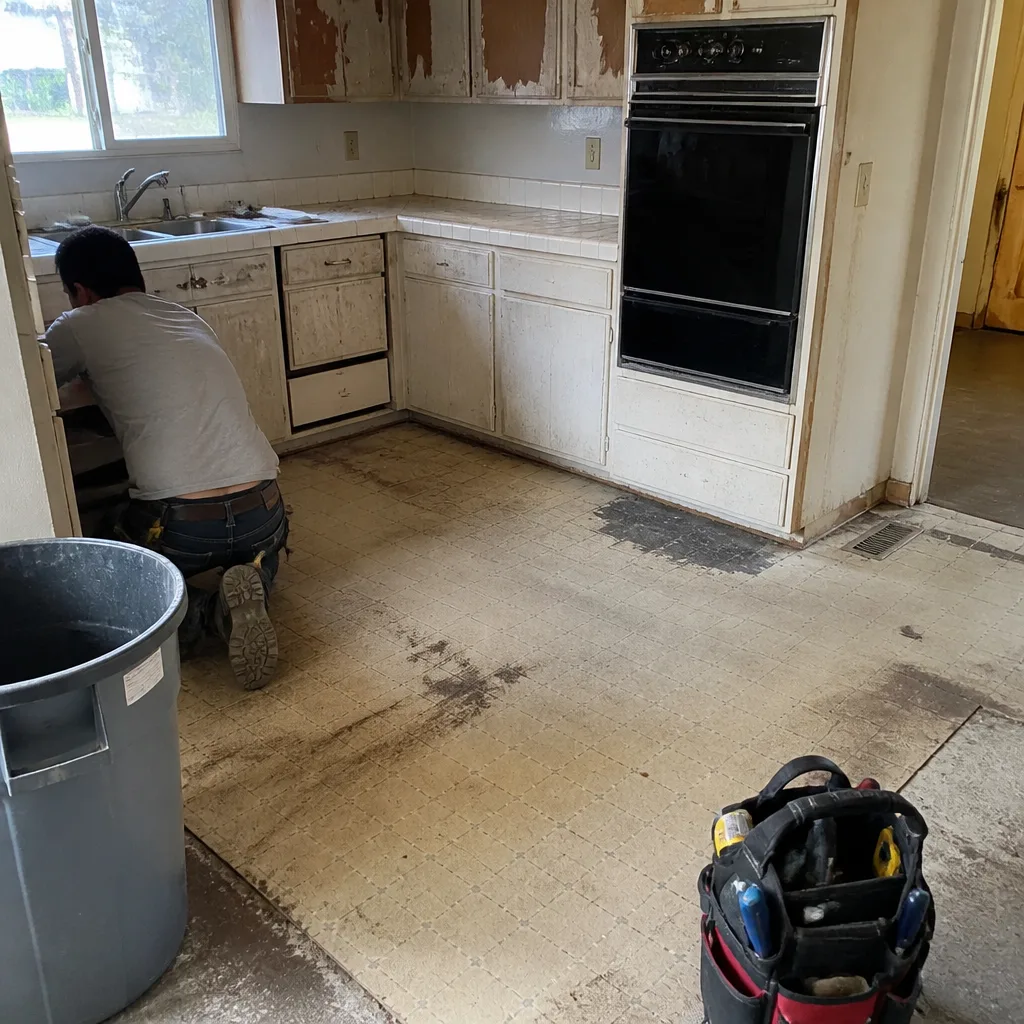 Before
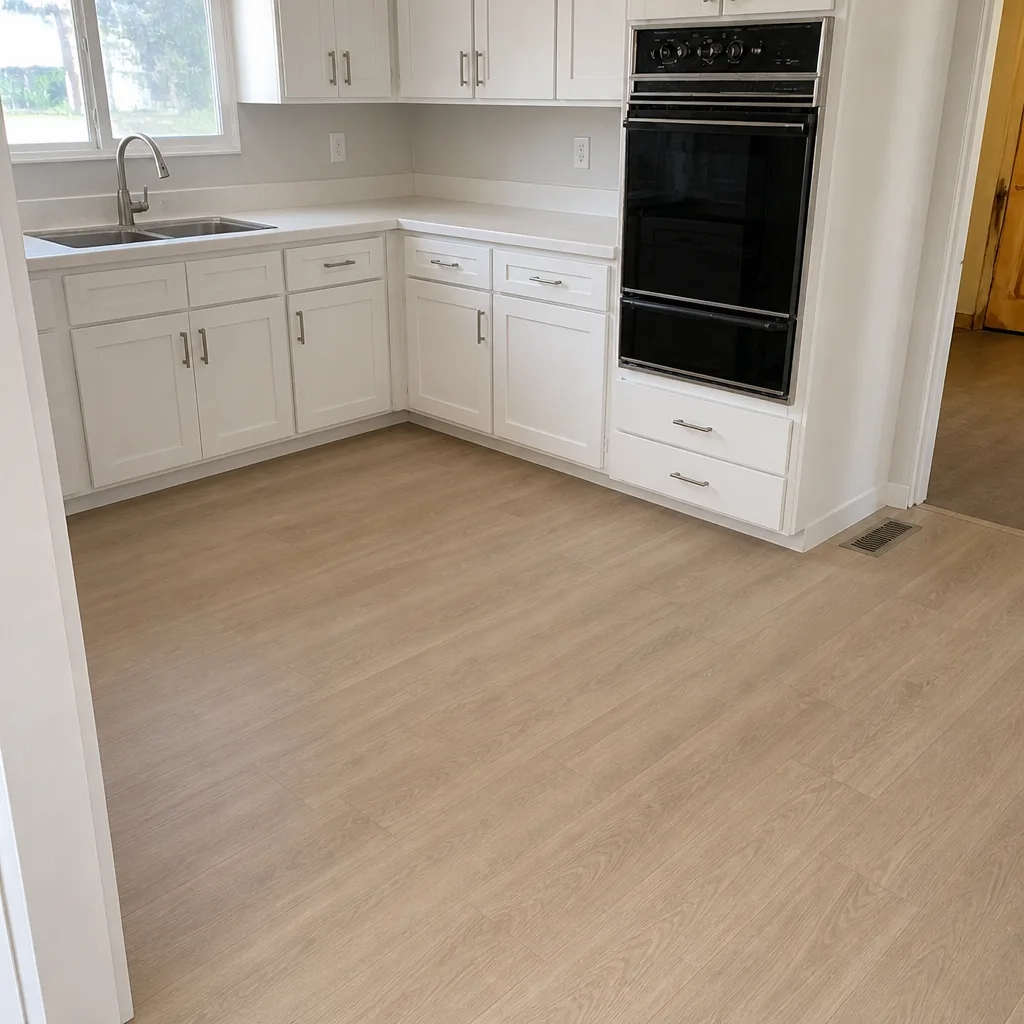 After
When to Call a Professional
Most of this schedule is homeowner territory: cleaning, testing, resealing, re-caulking. But a few things need a trained eye. Call us when you see moisture staining on the ceiling below the bathroom, bubbling paint on a shared wall, a shower pan that flexes underfoot, grout that won’t stay sealed despite repeated attempts, or a soft spot in the subfloor near the toilet. Those all point to water where water shouldn’t be, and the fix is rarely cosmetic.
We’re Barrett & Sons Construction, and we offer free estimates in Fremont. Every eligible job we take on gets permits pulled, inspections signed, and a written change order before any scope change touches the work. Our technicians have up to 28 years of experience, and a live person answers the phone 24/7. Call (833) 620-6162 to schedule your free estimate, or to get a second opinion on any written estimate you already have. If you’re planning a bigger project alongside the bath, start with Barrett & Sons Construction Fremont home and we’ll map it from there.
Frequently Asked Questions
Reseal grout at the twelve-month mark, then every 12 to 18 months in the shower and every 2 to 3 years on the floor. New grout needs its initial cure period (typically 7 to 14 days) before the factory sealer fully sets, and the first homeowner reseal is the one that determines long-term performance. Call (833) 620-6162 if you’d rather have us walk you through the water bead test on your own shower.
Caulk fails in Fremont mostly because of our seasonal humidity swing between dry summers and wet winters, which stresses the joint more than a steady climate would. The fix is to inspect at 90 days, reseal any failed bead, and use a mold-resistant silicone rated for wet areas. Skipping the 90-day inspection is the single biggest reason we see repeat caulk failures.
Yes, and more often than the manual says. A dusty fan may still spin, but it moves far less air, which is what actually prevents mildew. In Fremont’s dusty environment we recommend cleaning at six months instead of the manufacturer’s annual schedule. If the fan is eight or more years old and getting loud, replace it.
It can. Both brands cover defects in materials and workmanship, but the fine print excludes damage from neglect, including skipped aerator cleaning, abrasive cleaners on finishes, and ignored drips that damage cartridges. Keep the fixture care sheets with your warranty paperwork and follow them. Ten minutes of cleaning a month protects a warranty worth hundreds.
It covers anything we installed or built that isn’t right in the first 90 days after completion. One call brings Tom back to make it right, and the promise is written on every contract, not in fine print. It doesn’t cover damage from skipped maintenance like caulk failures or unsealed grout. When in doubt, call (833) 620-6162 and we’ll tell you which side of the line the issue falls on.
It depends on what was skipped. Re-caulking a shower runs $150 to $350 (or $30 in materials if you do it yourself). Regrouting a shower floor runs $300 to $800. A subfloor repair around a failed toilet wax ring can run $1,500 or more once flooring and framing are involved. Call (833) 620-6162 for a free estimate and a written scope before any work starts; estimates are free.
The Bottom Line
Your remodeled bathroom is a piece of equipment with a service interval, not a finished product you forget about. The schedule is simple: caulk at 90 days, exhaust fan at 6 months, grout reseal at 12 months, and a full annual pass every year after. Hit those checkpoints and your bathroom will outlast the warranty. Skip them and the repair bill arrives on water’s schedule, not yours. We’ve watched both outcomes in Fremont for over 29 years. The good one is cheaper, quieter, and takes about an hour of your time a year. Call (833) 620-6162 for a free estimate whenever you’re ready to plan the next step.
Written by the team at Barrett & Sons Construction Fremont.